
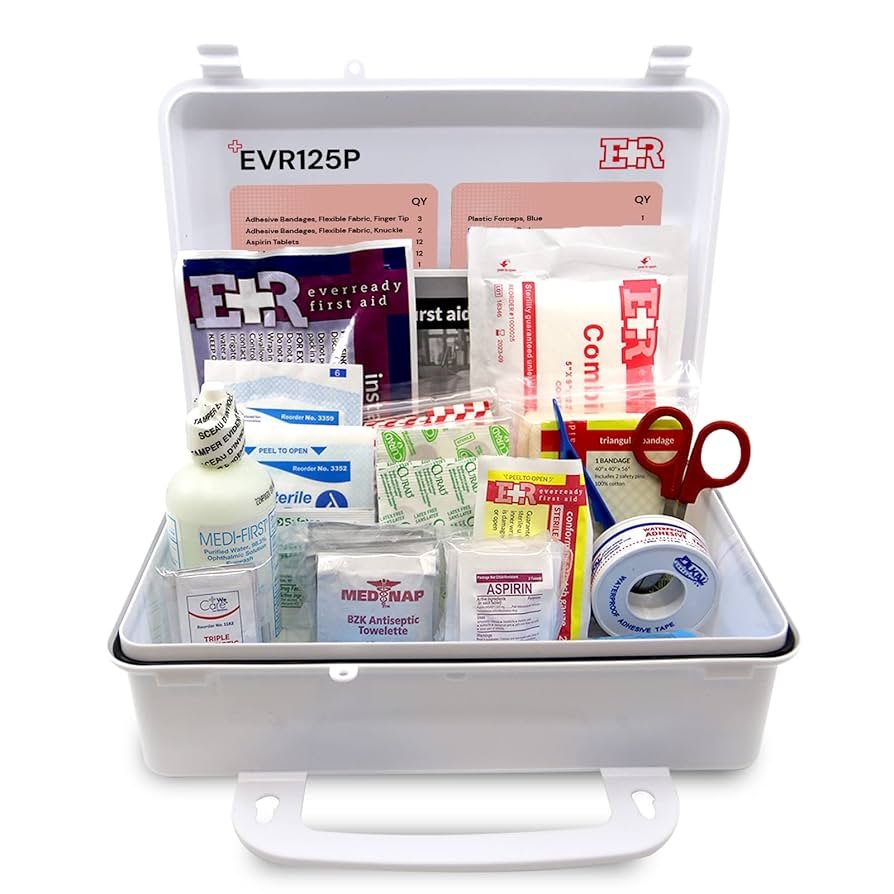
When it comes to keeping your health and safety in check, having the right first aid kit is a must. But did you know that not every first aid kit qualifies for HSA (Health Savings Account) eligibility?
Choosing an HSA eligible first aid kit means you can save money while staying prepared for emergencies. You’ll discover exactly what makes a first aid kit HSA eligible and how to pick the best one for your needs. Keep reading to protect yourself and your wallet at the same time.

Credit: www.amazon.com
Benefits Of Hsa Eligible First Aid Kits
Choosing an HSA eligible first aid kit offers more than just convenience. It brings real benefits that impact your wallet and your peace of mind. Understanding these advantages can help you make smarter choices for your health and finances.
Financial Advantages
HSA eligible first aid kits allow you to use your Health Savings Account funds to pay for essential medical supplies. This means you can buy a kit without dipping into your regular budget. Using HSA dollars also reduces your taxable income, saving you money when tax season arrives.
Imagine needing bandages or antiseptics during an emergency. Having an HSA eligible kit means you’re covered without extra out-of-pocket costs. It’s a smart way to prepare while keeping your finances intact.
Comprehensive Coverage
These kits come stocked with a wide range of supplies approved for HSA use. You get items like adhesive bandages, gauze pads, antiseptic wipes, and even cold packs—all in one package. This ensures you’re ready for minor injuries and common emergencies.
Think about those unexpected cuts or scrapes that happen at home or on the go. Having a comprehensive first aid kit that qualifies for HSA reimbursement means you won’t hesitate to treat small injuries promptly. Isn’t it reassuring to know you have everything you need within reach?

Credit: www.amazon.com
Components Of A First Aid Kit
A well-stocked first aid kit contains essential tools and supplies. These items help manage minor injuries and emergencies. Understanding the components ensures you are prepared for common medical situations. Each item plays a specific role in providing quick care and preventing infection.
Basic Medical Supplies
- Adhesive bandages in various sizes
- Antiseptic wipes and ointments
- Gauze pads and adhesive tape
- Sterile gloves for hygiene
- Scissors and tweezers
- Instant cold packs
- Pain relief medication like acetaminophen
- CPR face shield or mask
Specialized Equipment
- Elastic bandages for sprains
- Thermometer to check fever
- Burn dressings or gel
- Eye wash solution and eye pads
- Finger splints for fractures
- Medical tape for securing dressings
- Emergency blanket for shock or cold
- First aid manual for instructions
Choosing The Right First Aid Kit
Choosing the right first aid kit is crucial for effective emergency care. Each person’s needs differ based on lifestyle, health, and environment. Picking a kit that matches these factors ensures quick and proper treatment during injuries or health issues.
Consider the kit’s contents carefully. It should cover common injuries and any special health concerns. A well-chosen kit saves time and stress when every second counts.
Assessing Personal Needs
Start by thinking about daily activities and risks. Families with children need kits with child-specific supplies. Outdoor enthusiasts require kits with items for insect bites and burns. People with allergies should include antihistamines and epinephrine auto-injectors if prescribed.
Check the number of people the kit should serve. A single person needs fewer supplies than a group or family. Workplace kits might need extra items like eye wash or burn cream. Assess the environment—home, car, office, or travel—to decide on the right size and type.
Evaluating Kit Quality
Look for first aid kits made from durable materials. Waterproof and sturdy cases protect contents from damage. Check that supplies inside are sealed and not expired. Quality kits include clear instructions for use.
Verify the brand reputation and customer reviews. Trusted brands often follow safety standards and regulations. A good kit includes essential items such as:
- Adhesive bandages in various sizes
- Sterile gauze pads and tape
- Antiseptic wipes and ointments
- Scissors and tweezers
- Disposable gloves
- CPR face shield or mask
Ensure the kit is easy to carry and store. Compact kits suit travel, while larger kits work better at home or work. Proper organization inside the kit helps find items quickly during emergencies.
Using First Aid Kits Effectively
Using a first aid kit properly ensures fast and effective care during emergencies. Knowing how to use the kit increases safety for everyone. It helps you stay calm and act quickly when accidents happen. Two key points are understanding instructions and keeping the kit in good condition.
Understanding Instructions
Each item in a first aid kit comes with instructions. These directions explain how to use the supplies safely. Read them carefully before starting any treatment. Simple steps like cleaning a wound or applying a bandage must be done correctly. Misusing items can cause more harm than good.
Keep a first aid manual or guide inside the kit. This helps you remember the right steps during stress. Practice using the kit items at home. It builds confidence and reduces mistakes during real emergencies.
Proper Storage And Maintenance
Store the first aid kit in a dry, cool place. Avoid spots that get wet or too hot. Heat and moisture can damage the supplies inside. Make sure the kit is easy to reach for everyone.
Check the kit regularly to replace used or expired items. Keep a list of what is inside to track supplies. Clean the case often to avoid dust or dirt buildup. A well-maintained kit is ready when you need it most.
First Aid Kit Applications
A well-stocked HSA eligible first aid kit is more than just a box of supplies—it’s your immediate response tool in unexpected situations. Knowing where and how to use it can make a real difference in handling minor injuries or stabilizing conditions before professional help arrives. Let’s look at practical places and moments where having a first aid kit ready is essential.
Home Safety
Your home is where most accidents happen, from kitchen burns to small cuts during DIY projects. Keeping a first aid kit accessible in key areas like the kitchen, bathroom, and garage ensures you can act fast.
Think about the last time a scraped knee or a burn caught you off guard. Did you have what you needed to treat it immediately? Stock your kit with bandages, antiseptic wipes, burn cream, and adhesive tape for quick care.
Does your family know where the kit is and how to use it? Make it a habit to review the contents regularly and replace used or expired items to stay prepared.
Travel Preparedness
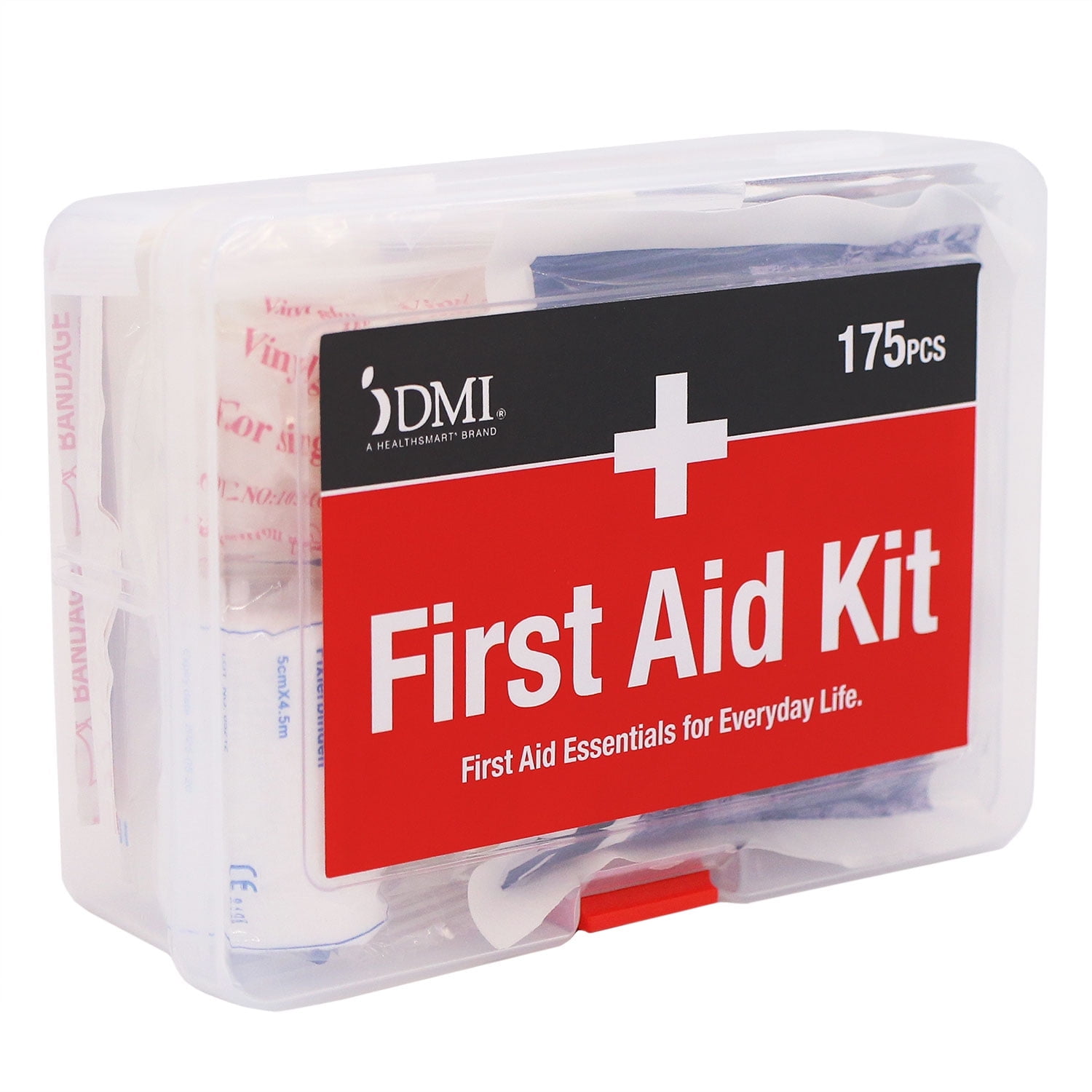
Traveling introduces new risks—whether on a road trip, hiking, or flying. A compact first aid kit tailored for travel can handle common issues like insect bites, blisters, or motion sickness.
Imagine being miles from a pharmacy and suddenly needing pain relief or allergy medication. Having these essentials in your kit saves time and stress.
Pack your first aid kit in your carry-on or day bag, and include items like pain relievers, antihistamines, and small scissors. Are you ready to handle unexpected scrapes or headaches while on the go?
Workplace Readiness
Workplaces, especially those with physical labor, pose injury risks that demand quick response. An HSA eligible first aid kit customized for your work environment can help reduce downtime and prevent minor injuries from worsening.
Think about the last time you or a colleague needed immediate care at work. Did your kit have the right supplies like gloves, instant cold packs, or eye wash?
Keep your kit visible and easily accessible in common areas. Encourage team members to familiarize themselves with its location and contents to boost overall safety.
Credit: www.walmart.com
Legal Considerations For Hsa Eligibility
Understanding the legal aspects of HSA eligibility is important before purchasing a first aid kit. Not all kits qualify for Health Savings Account use. Knowing the rules helps you avoid denied claims and tax issues. It also ensures you buy a kit that meets healthcare standards. Keep in mind that the IRS sets strict guidelines for eligible medical expenses. These rules define which first aid supplies can be paid for with HSA funds.
Understanding Hsa Regulations
The IRS determines what items qualify for HSA spending. First aid kits must contain specific medical supplies. Basic items like bandages, antiseptics, and gauze often qualify. Kits meant for general safety, like emergency blankets, may not. The kit should be primarily for treating injuries or illnesses. Personal care items like sunscreen or vitamins usually do not qualify. Only products that directly treat or prevent health conditions are allowed.
Verification And Documentation
Keep receipts and product labels for your HSA claims. Documentation proves the kit’s medical purpose. Store detailed information about the kit contents. Some HSA administrators ask for proof during audits. Clear records make it easier to explain your purchase. Without proper verification, expenses can be rejected. Always check if the kit meets HSA rules before buying.
Frequently Asked Questions
What Makes A First Aid Kit Hsa Eligible?
An HSA eligible first aid kit contains items approved by IRS guidelines. It must include basic medical supplies like bandages, antiseptics, and burn treatments. Non-medical items or extra personal care products usually disqualify it from HSA coverage.
Can I Buy Any First Aid Kit With My Hsa Card?
You can only buy first aid kits that meet HSA criteria. Check for IRS-approved medical supplies in the kit before purchase. Always save your receipt to prove the kit’s HSA eligibility during tax filing.
Are Refill Supplies For First Aid Kits Hsa Eligible?
Yes, individual medical supplies like bandages, antiseptic wipes, and gauze refills are HSA eligible. However, always verify each item meets IRS guidelines for medical expenses. Keep documentation for tax records.
How To Choose The Best Hsa Eligible First Aid Kit?
Look for kits with essential medical items recommended by the IRS. Choose compact, well-organized kits with quality supplies. Verify the product description mentions HSA eligibility or meets HSA standards.
Conclusion
Choosing an HSA eligible first aid kit helps save money on health expenses. It offers essential supplies for minor injuries and emergencies. You get peace of mind knowing you are prepared. These kits meet IRS rules for HSA spending. Keep one at home, work, or in your car.
Regularly check and replace used or expired items. Stay safe and ready without extra costs. A simple step that benefits your health and budget.

I’m Abby Lu, a passionate home cook who loves simplifying everyday meals. At PlugChef.com, I share product reviews and cooking guides to help you find the best tools for your kitchen.
Related posts:
 What Type of Cooking Utensils are Safe: Expert Picks
 What Innovations Could Blenders Make: Unleashing Future Tech
 Smart Strategies to Organize a Small Kitchen: Maximize Space
 How to Organize a Kitchen Cabinet: Expert Tips & Tricks
 How to Organize Kitchen Drawers: Expert Tips and Tricks
 How to Organize a Corner Kitchen Cupboard: Expert Tips

