
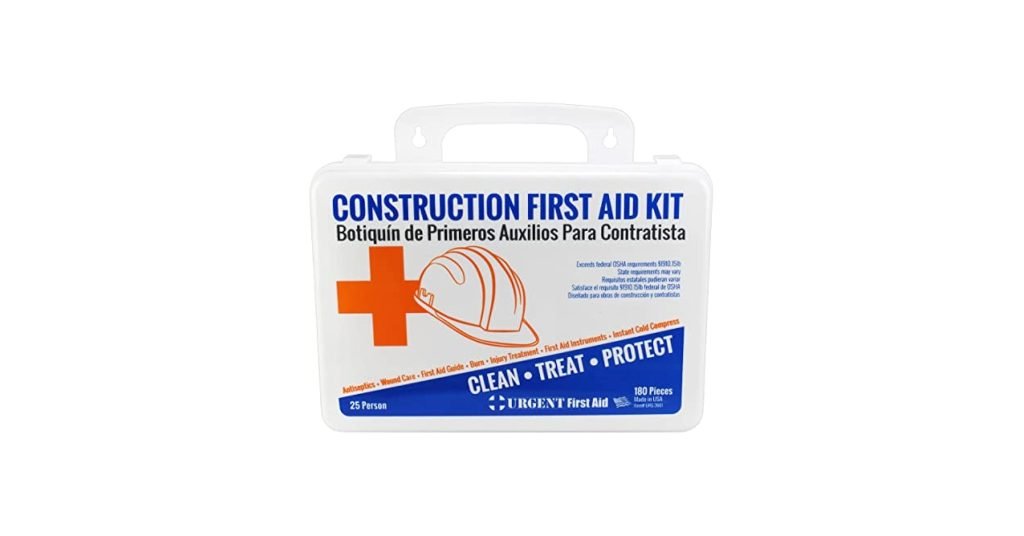
When you’re working on a construction site, safety isn’t just a priority—it’s a must. One key part of keeping your team safe is having the right first aid kit on hand.
But do you know exactly what OSHA requires for construction first aid kits? Getting this right can mean the difference between a quick recovery and a serious emergency. You’ll discover the essential items your kit must include, why they matter, and how to stay fully compliant.
Keep reading to make sure your site is prepared for any accident—because when it comes to safety, every second counts.
Osha First Aid Kit Standards
Understanding OSHA First Aid Kit Standards is crucial for maintaining a safe construction site. OSHA sets clear rules on what must be included in first aid kits to ensure immediate and effective response to injuries. Knowing these standards helps you prepare your team better and avoid penalties.
Required Contents Of An Osha-approved First Aid Kit
OSHA specifies the minimum items that every construction first aid kit must contain. These include:
- Adhesive bandages in various sizes
- Sterile gauze pads and rolls
- Antiseptic wipes or solution
- Adhesive tape
- Scissors and tweezers
- Disposable gloves
- Burn treatment supplies
Each item plays a role in treating common injuries quickly. Have you checked your kit recently to ensure all these are present and not expired?
Kit Placement And Accessibility
OSHA requires that first aid kits be readily accessible at the worksite. This means placing them where workers can reach them quickly during an emergency.
Think about your site layout—is the kit location obvious and unobstructed? Proper signage can help, especially in larger or complex sites.
Maintenance And Inspection Requirements
It’s not enough to just have a first aid kit; OSHA expects regular inspections to keep it stocked and functional. Missing or expired items can cause delays or worsen injuries.
Set a schedule to check your kits weekly or monthly. This simple habit can save lives and reduce downtime.
Additional Considerations For Larger Or Specialized Sites
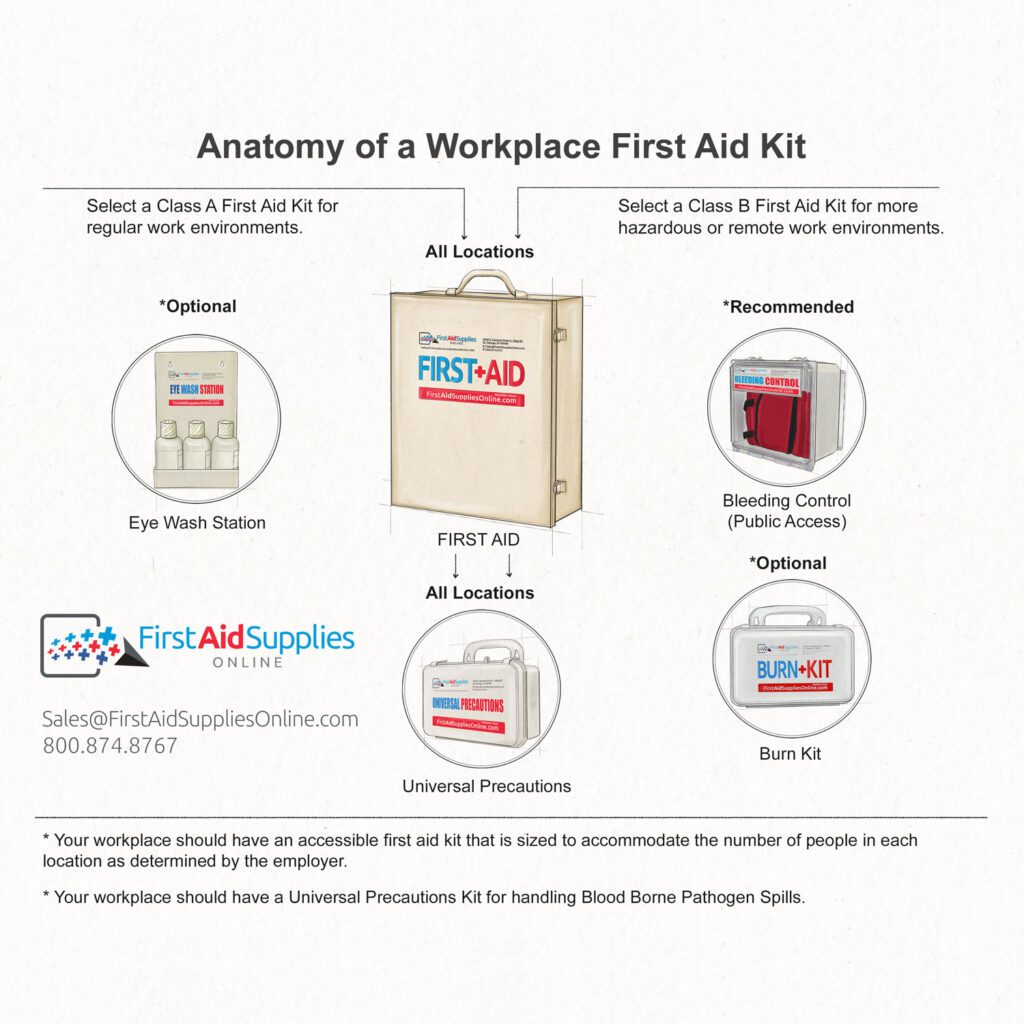
OSHA recognizes that some construction sites may need more extensive first aid supplies. For example, sites with high-risk activities might require extra burn kits or eye wash stations.
Evaluate your specific hazards and add supplies accordingly. Are you prepared for the unique risks your site presents?
Mandatory Kit Contents
Knowing what must be inside your OSHA construction first aid kit is crucial for workplace safety. The mandatory contents are designed to handle common injuries quickly and effectively. Missing even one essential item could delay care and worsen an injury.
Basic Supplies Required By Osha
At a minimum, your first aid kit should include items to clean wounds, stop bleeding, and protect injuries. These basics help you manage cuts, scrapes, and minor burns immediately.
- Adhesive bandages in various sizes
- Sterile gauze pads and roller bandages
- Antiseptic wipes or solution
- Adhesive tape
- Elastic bandages for sprains
Having these on hand means you can treat injuries effectively before professional help arrives.
Advanced Items For Construction Sites
Construction sites pose unique hazards, so OSHA recommends additional supplies to address more serious situations. These items prepare you for injuries like deep cuts or fractures.
- Burn dressings
- Scissors and tweezers
- Eye wash solution
- CPR face shield or mask
- Cold packs
Imagine a coworker suffers a deep cut—having scissors ready lets you remove clothing quickly to treat the wound. Could your kit handle this right now?
Special Considerations For Your Kit
OSHA also expects you to tailor your first aid kit to the specific risks on your site. This means adding items based on the type of work and number of employees.
- Extra gloves for chemical protection
- Additional burn treatment supplies if welding is common
- More sterile dressings for larger crews
- Emergency contact information cards
Think about your daily tasks—does your kit match the injuries most likely to happen there? Personalizing your kit improves response time and safety.
Kit Accessibility And Location
Keeping the first aid kit accessible at construction sites saves precious time. Quick access to supplies helps treat injuries immediately. OSHA requires first aid kits to be easy to reach. The location must serve all workers efficiently. Placement depends on the size and layout of the site.
Every worker should know where the kit is. Clear signs or labels help find the kit fast. The kit should stay in a dry, clean spot. Avoid places with heavy traffic or hazards.
Strategic Placement For Maximum Reach
Place the kit near high-risk areas. Heavy machinery, scaffolds, and electrical zones need close access. Spread multiple kits across large sites. This reduces travel time during emergencies. Central locations work well for smaller sites.
Visibility And Signage Requirements
Use bright signs to mark the kit location. Signs must be visible from a distance. Use simple language or symbols for easy understanding. Keep signs free from dirt and damage. Regular checks ensure signs remain clear and readable.
Accessibility For All Workers
Ensure the kit is reachable by all employees. Avoid locked cabinets unless keys are nearby. Consider workers with disabilities in placement decisions. The kit should be easy to open and use. Training workers on kit location improves response time.
Training For First Aid Responders
Training for first aid responders is a key part of OSHA construction first aid kit requirements. Proper training ensures that workers can act quickly and confidently in emergencies. It’s not just about having a kit on site but knowing how to use it effectively.
Understanding Osha Training Standards
OSHA requires that at least one person at the worksite be trained in first aid. This training must cover basic skills like CPR, wound care, and how to handle fractures. The goal is to have someone ready to provide immediate care before professional help arrives.
Choosing The Right Training Program
Look for training programs that meet OSHA guidelines and offer hands-on practice. Courses from organizations like the American Red Cross or OSHA-authorized trainers are good options. You want training that builds real confidence and practical skills.
Keeping Skills Up To Date
First aid skills can fade without practice. OSHA recommends refresher courses every two years to keep responders sharp. Think about how often you use your first aid knowledge—regular refreshers can make a big difference in an emergency.
Training Beyond Basic First Aid
Consider adding CPR and AED use to your training. Many construction sites have defibrillators, so knowing how to use them can save lives. Expanding skills beyond basic first aid prepares your team for a wider range of emergencies.
Encouraging A Culture Of Preparedness
Training is more effective when everyone values safety. Encourage open discussions about first aid and share experiences from your site. Have you ever seen how quick response helped avoid a serious injury? Sharing stories can motivate your team to stay ready.
Regular Kit Maintenance
Keeping your OSHA construction first aid kit in top shape is crucial for safety on the job site. Regular maintenance ensures that the kit is always ready to respond to emergencies quickly and effectively. Neglecting this task can lead to expired supplies or missing items when you need them most.
Checking Expiration Dates
Medical supplies have limited shelf lives. You should check the expiration dates on items like antiseptics, bandages, and medications at least once a month. Removing expired products prevents ineffective treatment and keeps your kit reliable.
Restocking Used Or Missing Items
After any incident, make sure to restock the items used immediately. Keep a checklist of all required supplies in your kit to easily spot what’s missing. This habit prevents surprises during emergencies and keeps your kit fully stocked.
Inspecting Packaging And Storage Conditions
Damaged packaging can compromise the safety of first aid items. Look for torn or wet packages and replace them right away. Also, store your kit in a dry, accessible location to avoid exposure to extreme temperatures and moisture that could ruin supplies.
Assigning Responsibility For Maintenance
Designate someone on your team to take charge of first aid kit maintenance. Having a clear point person ensures accountability and regular checks. You’ll find it easier to keep the kit in compliance with OSHA requirements when maintenance is part of the routine.
Documenting Maintenance Activities
Keep a log of all inspections, restocking, and replacements. This record helps you track the kit’s status over time and provides proof during OSHA inspections. Plus, it can highlight patterns that point to common injuries or supply issues on your site.

Credit: www.amazon.com
Recordkeeping And Documentation
Recordkeeping and documentation are vital for OSHA construction first aid kit compliance. Accurate records prove that first aid supplies meet OSHA standards. They also show that kits are regularly checked and restocked. Proper documentation helps employers track injuries and treatment provided on-site.
Maintaining clear records supports workplace safety. It helps identify hazards and improves emergency response. OSHA requires employers to keep these documents accessible for inspections. Good documentation reduces legal risks and ensures quick access to first aid when needed.
What Records To Keep For First Aid Kits
- Inventory lists of all first aid supplies
- Dates when kits were inspected and restocked
- Details of any first aid treatment provided
- Reports of injuries and incidents
- Training records of employees authorized to use first aid kits
How To Organize Documentation
Use a simple logbook or digital system for tracking. Record each inspection with date and inspector’s name. Note any missing or expired items replaced. Keep treatment records confidential but accessible to safety officers. Organize files by date and type for easy retrieval.
Benefits Of Proper Recordkeeping
- Ensures compliance with OSHA regulations
- Helps monitor first aid kit readiness
- Improves workplace safety and health management
- Supports faster response during emergencies
- Provides evidence during OSHA audits or investigations
Penalties For Non-compliance
Failing to meet OSHA construction first aid kit requirements can lead to serious penalties. OSHA enforces strict rules to ensure worker safety. Employers must provide proper first aid supplies on site. Ignoring these rules risks fines and legal troubles.
OSHA penalties aim to encourage compliance and protect workers. They vary based on the violation’s severity and the employer’s history. Understanding these penalties helps avoid costly consequences and keeps job sites safe.
Types Of Osha Penalties For First Aid Kit Violations
- General Violations:These occur when the hazard is likely to cause harm but is not serious. Fines can reach up to $15,625 per violation.
- Serious Violations:When there is a substantial probability of death or serious injury, fines can be higher. Employers must fix these issues quickly.
- Willful Violations:If OSHA finds that violations were intentional or reckless, fines can be as high as $156,259 per violation.
- Repeat Violations:Repeating the same violation leads to increased fines, sometimes doubling the original amount.
Impact Of Non-compliance On Business Operations
Penalties affect more than just finances. They can damage a company’s reputation and trustworthiness. OSHA inspections may increase, causing more interruptions. Insurance premiums might rise, adding extra costs. Workers may feel unsafe, lowering morale and productivity.
Steps To Avoid Osha Penalties
- Keep first aid kits stocked and accessible.
- Train employees on first aid kit locations and use.
- Conduct regular inspections of first aid supplies.
- Stay updated on OSHA regulations and changes.
- Document compliance efforts thoroughly.
Updates And Changes In Requirements
OSHA’s construction first aid kit requirements have evolved to better protect workers on site. Staying updated with these changes ensures your kit meets legal standards and is truly effective in emergencies.
Many supervisors overlook subtle updates that can make a big difference during a workplace injury. Have you checked if your first aid kit matches the latest OSHA mandates?
Expanded List Of Required Supplies
OSHA now recommends adding more items to your first aid kits. This includes extra burn dressings, eye wash solutions, and additional antiseptic wipes. These additions reflect common injury types in construction and improve response readiness.
One site manager shared how having the updated supplies made treating a chemical splash quicker and less stressful. Could your team benefit from these extra items too?
Emphasis On Accessibility And Placement
New rules stress that kits must be easy to reach within seconds of an accident. OSHA advises placing kits at multiple locations across large sites rather than just one central spot.
Think about your current setup: Are your kits truly accessible for every worker? Quick access can save valuable minutes in serious injuries.
Training Requirements Linked To Kit Contents
OSHA now connects first aid training more closely with the specific supplies in your kits. Workers should know how to use each item properly, not just where the kit is located.
Investing time in training on new supplies means your crew can act confidently during emergencies. How often do you refresh your team’s first aid skills?
Documentation And Inspection Updates
Regular inspection of first aid kits has become more critical. OSHA recommends keeping detailed logs of kit checks and replenishments.
This documentation ensures compliance and helps identify when supplies run low before an emergency occurs. Could a simple checklist improve your site’s preparedness?
Resources For Compliance Assistance
Finding the right resources can make meeting OSHA’s construction first aid kit requirements much easier. You don’t have to navigate these rules alone—there are tools and experts ready to help you stay compliant and keep your worksite safe. Let’s look at where you can turn for reliable guidance and support.
Official Osha Publications And Guidelines
OSHA provides clear and detailed documents about first aid kit standards. These include checklists and fact sheets that explain what items your kit must have. Accessing these official resources ensures you get up-to-date and accurate information straight from the source.
Training Programs And Workshops
Many organizations offer hands-on training that goes beyond just reading the rules. Attending a workshop helps you understand how to maintain and use first aid kits effectively. You can even practice responding to common injuries, which boosts your confidence and readiness on site.
Online Compliance Tools And Apps
Technology can simplify your compliance efforts. Several apps track your first aid kit inventory and send reminders when supplies run low or expire. This way, you can avoid last-minute scrambles and focus on other important safety tasks.
Consulting Safety Experts And Professionals
Sometimes, personalized advice is exactly what you need. Safety consultants can assess your specific site conditions and recommend the best first aid kit setup. Their expertise often saves time and prevents costly mistakes.
Community Forums And Industry Networks
Connecting with peers in construction safety lets you learn from real-world experiences. Online forums and professional groups often share tips on managing first aid kits and staying compliant. Have you considered joining a network where you can ask questions and exchange ideas?

Credit: www.amazon.com
Credit: firstaidsuppliesonline.com
Frequently Asked Questions
What Items Are Mandatory In Osha Construction First Aid Kits?
OSHA requires first aid kits to include adhesive bandages, gauze pads, antiseptic wipes, scissors, tweezers, and adhesive tape. Additional supplies depend on the job site size and hazards. Kits must be easily accessible and regularly inspected to ensure completeness and usability.
How Often Should Osha First Aid Kits Be Inspected?
OSHA recommends inspecting first aid kits monthly to ensure all supplies are stocked and unexpired. Regular inspections keep kits ready for emergencies and comply with safety regulations. Missing or expired items should be replaced immediately to maintain kit effectiveness.
Who Must Provide First Aid Kits On Construction Sites?
Employers are responsible for providing OSHA-compliant first aid kits on construction sites. Kits must be accessible and suitable for the specific hazards present. Proper first aid readiness helps reduce injury severity and meets OSHA safety standards.
Are There Size Requirements For Osha Construction First Aid Kits?
OSHA does not specify exact kit sizes but mandates sufficient supplies for the number of workers. Larger crews or high-risk jobs require more comprehensive kits. Employers should assess workplace risks and provide adequate first aid materials accordingly.
Conclusion
Keeping an OSHA-approved first aid kit on construction sites saves lives. It ensures quick help during injuries or emergencies. Kits must follow OSHA rules and stay well-stocked at all times. Regular checks and updates keep supplies ready and useful. Workers feel safer knowing help is nearby.
Proper first aid readiness lowers risks and protects everyone. Safety at work starts with simple, effective steps like this. Remember, a well-prepared kit can make all the difference in an accident. Stay safe. Stay ready.

I’m Abby Lu, a passionate home cook who loves simplifying everyday meals. At PlugChef.com, I share product reviews and cooking guides to help you find the best tools for your kitchen.
Related posts:
 What Type of Cooking Utensils are Safe: Expert Picks
 What Innovations Could Blenders Make: Unleashing Future Tech
 Smart Strategies to Organize a Small Kitchen: Maximize Space
 How to Organize a Kitchen Cabinet: Expert Tips & Tricks
 How to Organize Kitchen Drawers: Expert Tips and Tricks
 How to Organize a Corner Kitchen Cupboard: Expert Tips

