
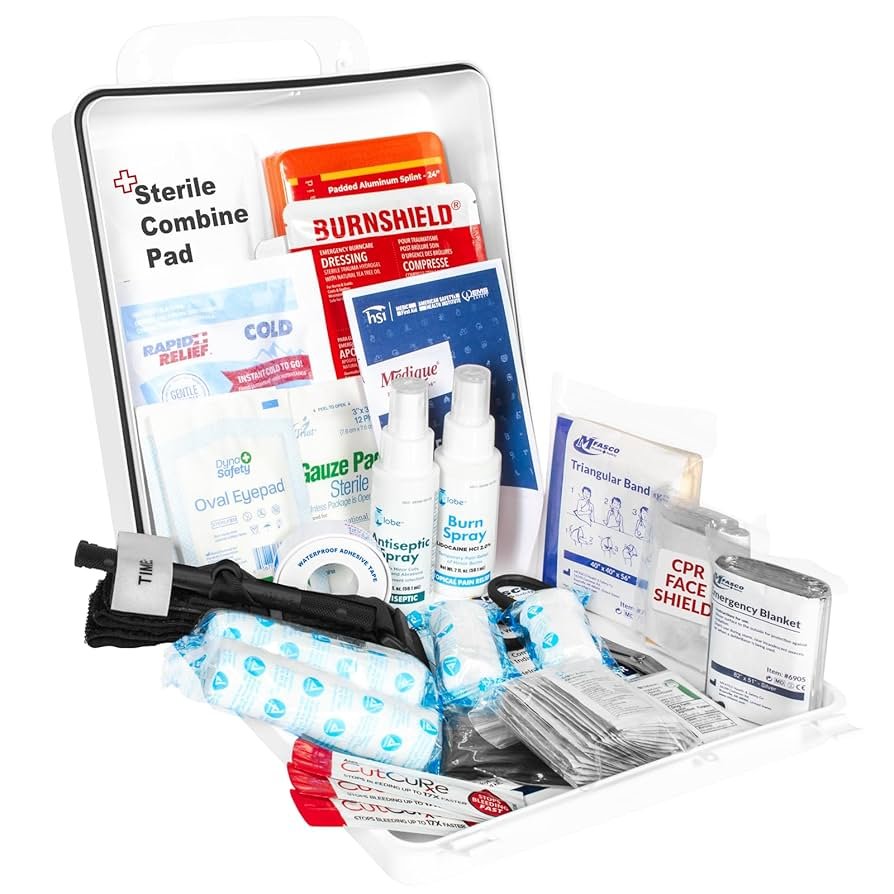
When it comes to safety, having the right first aid kit can make all the difference. But not just any kit will do—your first aid kit should be ANSI approved.
This means it meets strict standards to help you handle emergencies confidently and quickly. Imagine being prepared for cuts, burns, or other injuries with supplies that you can trust. You’ll discover why choosing an ANSI approved first aid kit is essential for your home, car, or workplace.
Keep reading to learn how the right kit can protect you and those around you when every second counts.
Credit: rescue-essentials.com
Ansi Standards For First Aid Kits
The ANSI standards guide the safety and preparedness of first aid kits. These standards ensure that kits are well-equipped to handle emergencies. They define the necessary contents and classifications for different situations. Understanding these standards helps in choosing the right kit for your needs.
Key Compliance Requirements
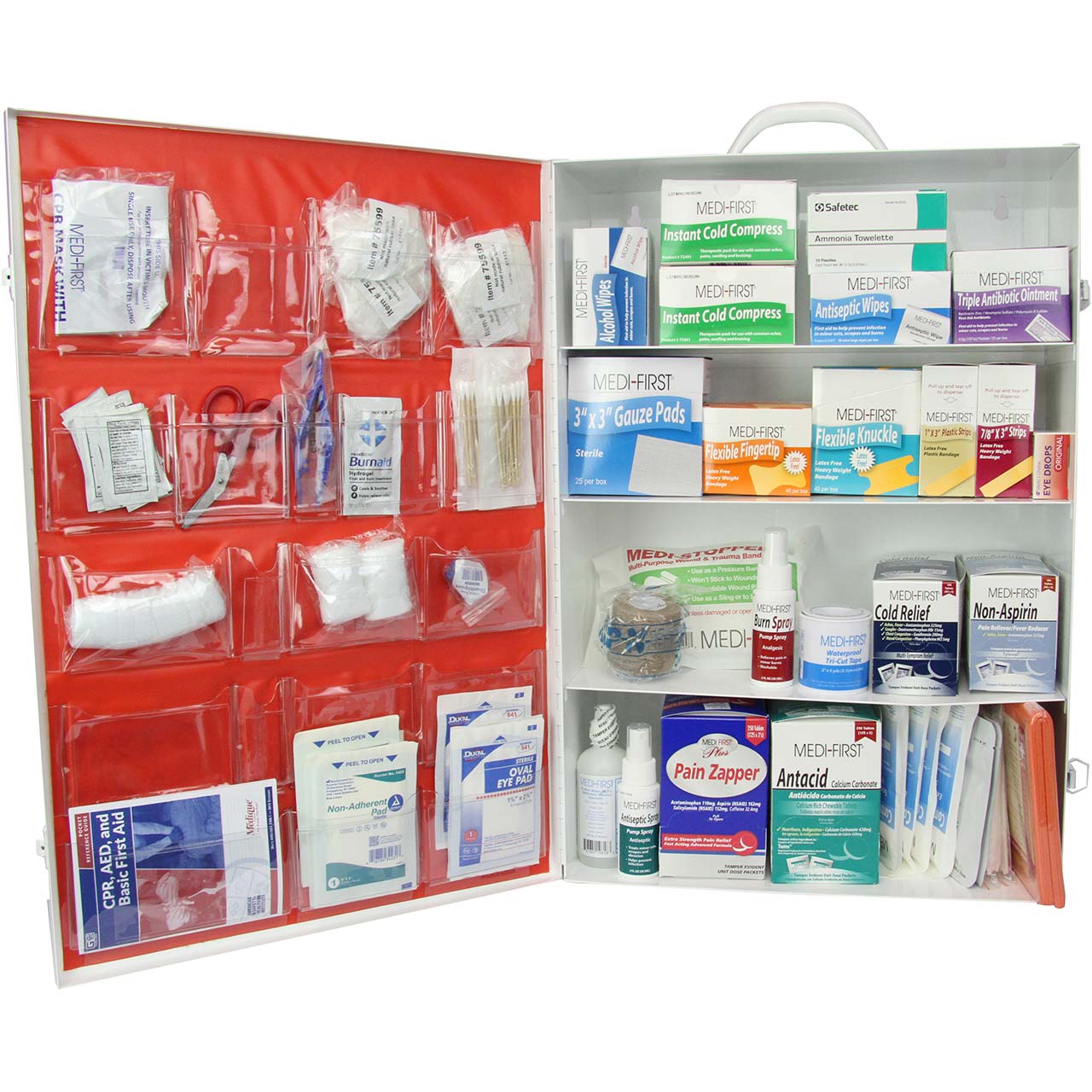
ANSI standards specify essential items for first aid kits. Kits must include bandages, antiseptics, and tools for treating injuries. Compliance ensures kits are ready for diverse emergencies. Kits should be easy to access and clearly labeled. The contents should be regularly checked and replenished.
Different Kit Types And Classifications
ANSI classifies kits into two main types: Class A and Class B. Class A kits cater to common workplace injuries. They are suitable for offices and low-risk environments. Class B kits are for more complex injuries. These kits are ideal for high-risk settings, like construction sites. Each type ensures specific needs are met efficiently.
Essential Components Of Ansi First Aid Kits
Knowing the essential components of an ANSI approved first aid kit is crucial for keeping your workplace safe and ready for emergencies. These kits are not just boxes filled with random supplies; they contain carefully selected items designed to handle common injuries and specific hazards you might face. Understanding what’s inside helps you respond quickly and effectively when accidents happen.
Basic Supplies For Minor Injuries
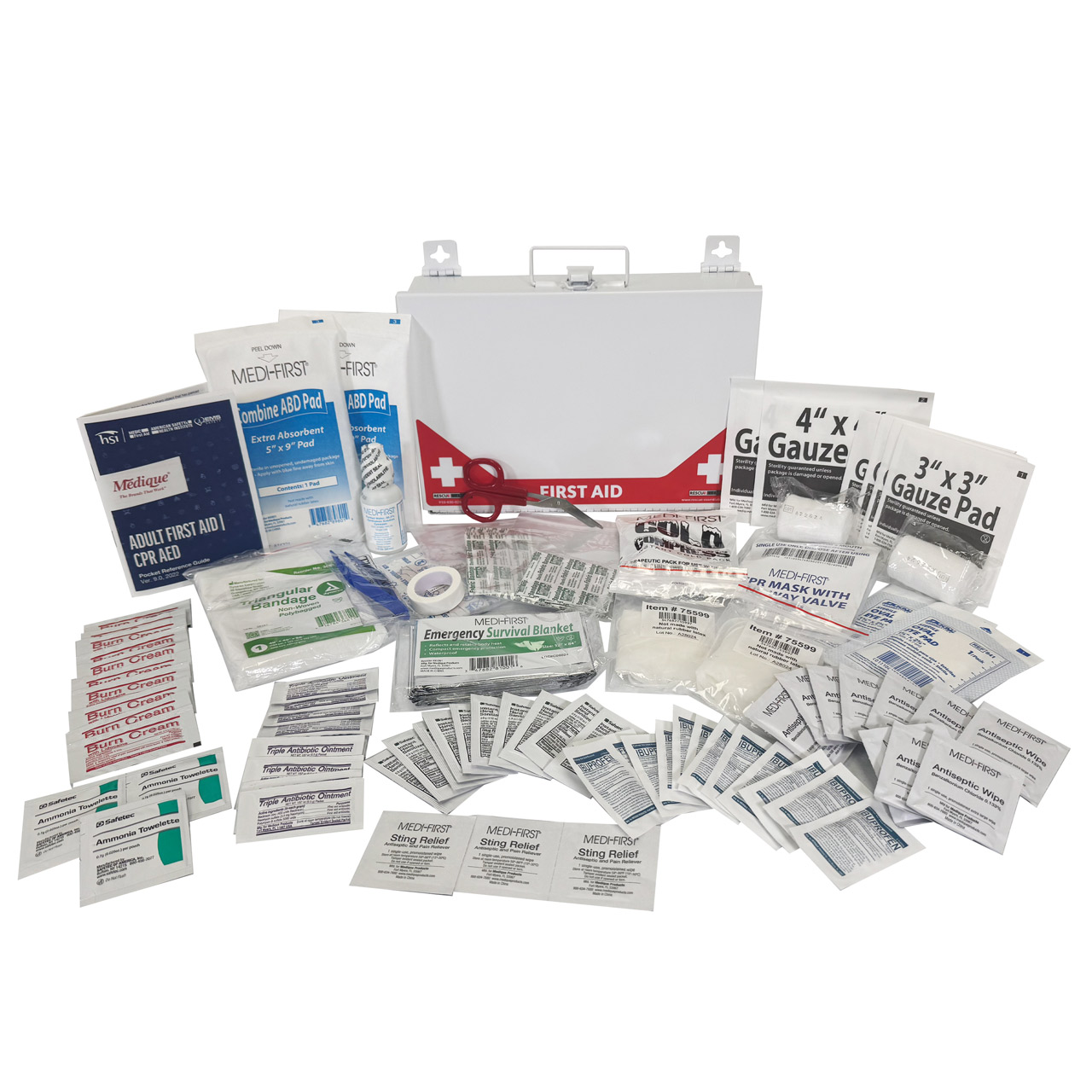
Every ANSI first aid kit includes basic supplies that address common cuts, scrapes, and burns. You’ll find items like adhesive bandages in multiple sizes, sterile gauze pads, and antiseptic wipes to clean wounds. These essentials help stop bleeding, prevent infection, and protect the injury while it heals.
Other must-have basics include:
- Elastic bandages for sprains and strains
- Antibiotic ointments to reduce infection risks
- Burn dressings to soothe and cover minor burns
- Disposable gloves for hygiene and safety
Have you ever noticed how quickly a small cut can become a bigger problem without proper care? These supplies make sure you don’t let minor injuries slow down your day or escalate into something worse.
Specialized Items For Workplace Hazards
Workplaces have different risks, so ANSI kits include items tailored to specific environments. For example, if you work around chemicals, the kit may contain eye wash solutions to flush out harmful substances quickly. In construction or industrial settings, you’ll find burn gel and trauma dressings designed for more severe injuries.
Some specialized components you might see are:
- Eye wash stations or bottles for chemical exposure
- Cold packs to reduce swelling after impact injuries
- CPR masks to safely assist someone who isn’t breathing
- Rescue blankets to prevent shock and maintain body temperature
Is your first aid kit prepared for the unique hazards of your workplace? Taking a moment to check the specialized items can make the difference between a quick recovery and a serious situation.
Benefits Of Using Ansi Approved Kits
Using an ANSI approved first aid kit brings clear advantages to any workplace or environment. These kits meet strict safety standards, ensuring you have the right supplies ready when you need them most. Having a reliable first aid kit isn’t just about compliance—it’s about being prepared to protect lives effectively.
Ensuring Employee Safety
ANSI approved kits are designed to cover a wide range of injuries, from minor cuts to more serious emergencies. This means your employees can quickly access the proper tools and materials to treat wounds and prevent infections.
Imagine a worker sustaining a deep cut—without the correct supplies, the risk of complications rises. But with an ANSI approved kit, you reduce that risk and help your team feel secure knowing their safety is prioritized.
Reducing Response Time In Emergencies
When an accident happens, every second counts. ANSI kits are organized clearly and stocked with essential items, so you don’t waste time searching for what you need.
Quick access to bandages, antiseptics, and other supplies lets you act immediately, which can prevent minor injuries from worsening. How prepared are you to respond right now if a sudden injury occurs?
Selecting The Right Kit For Your Workplace
Choosing the right ANSI approved first aid kit is crucial for workplace safety. Every work environment has unique hazards and needs. Selecting a suitable kit ensures quick and effective response to injuries. It helps comply with safety regulations and protects employees.
Assessing Workplace Risks
Start by identifying common injuries at your workplace. Consider the type of work and tools used daily. Note potential hazards, such as chemicals, machinery, or sharp objects. Evaluate the number of employees and their roles. This helps determine the size and contents of the kit.
Keep in mind special conditions, like outdoor work or remote locations. Some workplaces may require extra items for burns or eye injuries. Regularly review risks to update the kit as needed.
Customizing Kits For Specific Needs
Standard first aid kits may not cover all workplace risks. Customize kits by adding supplies based on your risk assessment. Include items like burn dressings, eye wash solutions, or CPR masks if needed. Consider the number of workers to ensure enough supplies.
Label kits clearly and place them in accessible locations. Train employees on the kit contents and how to use them properly. Customizing kits improves response time and can save lives.
Maintaining And Restocking First Aid Kits
Keeping your ANSI approved first aid kit in top shape is crucial for safety and compliance. A first aid kit that’s well-maintained and fully stocked ensures you’re ready for any emergency without delay. Let’s look at how you can keep your kit reliable and up to date.
Regular Inspection Schedules
Set a fixed routine to check your first aid kit—monthly or quarterly works well. During inspections, verify that all items are present, neatly organized, and intact. Don’t overlook the container itself; it should be clean, waterproof, and easy to open.
Ask yourself: Would you be able to find and use everything quickly in a real emergency? If not, it’s time to rearrange or update your supplies. Keeping a checklist handy can make inspections faster and more consistent.
Replacing Expired Or Used Items
Expired or used items can fail when you need them most. Check expiration dates on medications, ointments, and sterile supplies regularly. Replace anything past its date immediately to avoid risks.
If you’ve used bandages, gloves, or antiseptics, restock them right away. Leaving gaps in your kit could lead to bigger problems during an emergency. Think about it like this: would you want to face a cut or burn without fresh supplies on hand?
Credit: rescue-essentials.com
Legal And Regulatory Implications
Understanding the legal and regulatory implications of using an ANSI approved first aid kit is important for every workplace. These kits meet strict standards to ensure safety and readiness during emergencies. Compliance with these rules helps protect employees and avoid legal troubles.
Workplace Safety Regulations
Many countries require workplaces to have first aid kits that meet specific standards. ANSI approval means the kit follows guidelines for proper contents and quality. Employers must provide kits that match their work environment risks. Regular checks and restocking are also part of the rules.
Examples of safety regulations include:
- OSHA mandates for first aid supplies in the United States
- Requirements for specific industries such as construction and manufacturing
- Clear labeling and accessibility of first aid kits
Consequences Of Non-compliance
Ignoring first aid kit standards can lead to serious penalties. Employers may face fines, legal actions, or shutdowns. Injury incidents may become more severe without proper first aid supplies. Employee trust and morale may drop if safety is neglected.
Potential consequences include:
- Financial penalties from regulatory bodies
- Increased liability in workplace injury cases
- Damage to company reputation
- Higher insurance premiums

Credit: www.amazon.com
Frequently Asked Questions
What Is An Ansi Approved First Aid Kit?
An ANSI approved first aid kit meets the American National Standards Institute’s safety and quality guidelines. It ensures the kit has essential supplies for workplace emergencies. These kits are reliable and comply with OSHA requirements for proper first aid readiness.
Why Choose Ansi Approved First Aid Kits?
ANSI approved kits guarantee quality, completeness, and compliance. They contain items tested for effectiveness during emergencies. Choosing them ensures legal safety standards are met, providing peace of mind for employers and employees alike.
What Supplies Are Included In Ansi First Aid Kits?
ANSI kits typically include bandages, antiseptics, gloves, burn treatments, and eye wash. Contents vary based on workplace risk levels. All items are designed to handle common injuries efficiently and safely.
How Often Should Ansi First Aid Kits Be Inspected?
ANSI standards recommend inspecting first aid kits monthly. Regular checks ensure supplies are stocked, unexpired, and usable. This practice maintains readiness and compliance with safety regulations.
Conclusion
Ansi approved first aid kits keep safety a top priority. They contain essential supplies for quick help during emergencies. Choosing the right kit means being ready for cuts, burns, or other injuries. These kits meet strict standards to ensure quality and reliability.
Always keep a kit accessible at work, home, or in your vehicle. Preparedness can reduce injury severity and provide peace of mind. Stay safe and make sure your first aid kit is up to date. Safety matters. Be ready. Act fast.

I’m Abby Lu, a passionate home cook who loves simplifying everyday meals. At PlugChef.com, I share product reviews and cooking guides to help you find the best tools for your kitchen.
Related posts:
 What Type of Cooking Utensils are Safe: Expert Picks
 What Innovations Could Blenders Make: Unleashing Future Tech
 Smart Strategies to Organize a Small Kitchen: Maximize Space
 How to Organize a Kitchen Cabinet: Expert Tips & Tricks
 How to Organize Kitchen Drawers: Expert Tips and Tricks
 How to Organize a Corner Kitchen Cupboard: Expert Tips

