
Are you confident that your workplace first aid kit meets Cal OSHA’s strict requirements? Having the right supplies on hand can make all the difference during an emergency.
But knowing exactly what Cal OSHA mandates can be confusing and overwhelming. You’ll discover the essential first aid kit items you must have to stay compliant and keep your team safe. Keep reading to make sure your kit is ready for any situation—because when it comes to safety, every detail matters.
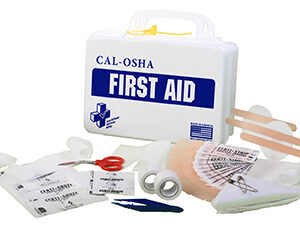
Credit: certifiedsafetymfg.com
Cal Osha First Aid Kit Basics
Understanding Cal OSHA First Aid Kit Basics is crucial for workplace safety. These kits are essential in ensuring immediate care during emergencies. Complying with Cal OSHA standards safeguards employees and meets legal requirements. Let’s explore who needs a first aid kit, key regulatory standards, and kit location rules.
Who Needs A First Aid Kit
Every workplace must have a first aid kit. It’s essential for construction sites, offices, and factories. The number of kits depends on the workplace size and risk level. High-risk areas need more kits. Small offices may require just one. Employees should be aware of the kit’s presence. Accessibility is key for quick response.
Key Regulatory Standards
Cal OSHA mandates specific first aid kit contents. Kits must have items like bandages, antiseptic wipes, and scissors. Regulations ensure preparedness for common injuries. Employers must regularly check and restock kits. Expired items should be replaced promptly. Compliance prevents fines and enhances safety.
Kit Location Rules
Kits must be easily accessible. They should be near high-risk areas. Visibility is crucial for quick access. Employees should know kit locations. Marking kits clearly helps during emergencies. Avoid placing kits in locked rooms. Accessibility can save lives during urgent situations.

Credit: www.safetyandhealthmagazine.com
Required Kit Contents
Understanding what your Cal OSHA first aid kit must contain is crucial to keep your workplace safe and compliant. The kit should be stocked with specific items that address common injuries effectively and quickly. Knowing exactly what to include can save you from penalties and, more importantly, help you respond confidently in emergencies.
Bandages And Dressings
Your first aid kit needs a variety of bandages and dressings to handle different wounds. Include adhesive bandages in multiple sizes to cover small cuts and scrapes.
Also, add sterile gauze pads and rolls for larger wounds or to control bleeding. Don’t forget adhesive tape to secure dressings firmly in place.
Antiseptics And Ointments
Antiseptics are essential for preventing infections right after an injury occurs. Stock your kit with alcohol wipes or antiseptic towelettes to clean wounds effectively.
Topical antibiotic ointments like bacitracin or Neosporin help protect cuts and scrapes from bacteria. These simple additions can dramatically reduce infection risks.
Tools And Equipment
Basic tools improve your ability to handle emergencies quickly. Include items like tweezers for removing splinters and scissors to cut bandages or clothing if necessary.
Other essentials include disposable gloves to protect both the injured person and the responder, and a CPR face shield to safely perform resuscitation if needed.
Specialized Items
Depending on your workplace hazards, your first aid kit might need extra items. For example, burn dressings and cold packs are critical in environments with heat or chemical exposure.
Eye wash solutions come in handy where there’s a risk of eye contamination. Think about your unique workplace risks and add items that address those specific dangers.
Kit Maintenance And Inspection
Proper maintenance and inspection of Cal OSHA first aid kits ensure readiness during emergencies. Regular checks keep supplies fresh and usable. Employers must follow clear guidelines to meet safety standards and protect workers effectively.
Inspection Frequency
Cal OSHA requires first aid kits to be inspected regularly. Inspections should happen at least once a month. Frequent checks help identify expired or missing items quickly. Any damaged supplies must be replaced immediately to maintain kit effectiveness.
Restocking Procedures
Restocking is vital after each use or inspection. Replace all used or expired items promptly. Use only approved supplies that meet Cal OSHA standards. Store the kit in a clean, dry place to avoid contamination. Keep an extra stock of common items for quick refills.
Record Keeping Tips
Keep detailed records of each inspection and restock. Note the date, person responsible, and any actions taken. Use a logbook or digital system for easy access and review. Good records help prove compliance during Cal OSHA audits and improve safety management.
Tailoring Kits To Workplaces
Cal OSHA first aid kit requirements vary depending on the workplace type. Each work environment has unique risks and needs. Customizing first aid kits ensures quick and effective response to injuries. Properly tailored kits improve safety and compliance.
Office Settings
Office environments face low-risk injuries like cuts, bruises, and headaches. Kits in offices should include:
- Adhesive bandages in various sizes
- Antiseptic wipes and ointments
- Pain relievers such as acetaminophen
- Burn cream for minor burns
- Disposable gloves for hygiene
Keep kits accessible and clearly marked in common areas. Regularly check supplies for expiration and restock.
Industrial Sites
Industrial sites have higher injury risks like cuts, burns, and chemical exposures. Kits must be more comprehensive and include:
- Large sterile dressings and gauze pads
- Burn dressings and cold packs
- Eye wash solutions for chemical splashes
- Resuscitation masks for CPR
- Emergency blankets for shock treatment
Train workers on kit use and ensure kits are near work zones. Inspect kits frequently to maintain readiness.
Remote Locations
Remote workplaces require kits for delayed medical help. Include items for serious injuries and longer care:
- Trauma shears and tourniquets
- Splints for fractures
- Extra water and sterile saline
- Emergency thermal blankets
- Comprehensive first aid manual
Ensure kits are portable and weather-resistant. Train employees to handle emergencies until help arrives.
Training And Employee Roles
Training and clear employee roles are vital for effective first aid response in the workplace. Proper training equips workers to handle injuries confidently. Assigning responsibility ensures the first aid kit stays stocked and accessible. Well-prepared emergency plans guide employees during critical moments, reducing panic and confusion.
First Aid Training Requirements
Cal OSHA requires certain employees to have first aid training. The training must cover basic skills like CPR, wound care, and injury assessment. Employers must provide refresher courses to keep skills current. Training should be easy to understand and practical for the work environment.
Assigning Kit Responsibility
Designate specific employees to manage the first aid kits. These individuals check kits regularly for supplies and expiration dates. They also report when items need replacement. This role helps maintain readiness and prevents delays during emergencies.
Emergency Response Plans
Workplaces must have clear emergency response plans. The plans explain how employees should act during injuries or accidents. They include steps like calling emergency services and using the first aid kit. Training on these plans ensures everyone knows their role and can respond quickly.
Common Compliance Challenges
Meeting Cal OSHA first aid kit requirements can be tricky, especially when unexpected challenges pop up. Many workplaces face issues that slow down compliance or risk safety gaps. Identifying these common obstacles can help you stay prepared and avoid costly mistakes.
Avoiding Kit Shortages
Running out of essential supplies is a common problem. Kits often sit unused until an emergency, making it easy to overlook restocking needs. Have you checked your first aid kit’s contents lately?
Set a regular schedule to inspect and replace items that expire or get used up. Use a simple checklist to track supplies like bandages, antiseptics, and gloves. This prevents last-minute scrambles and ensures your team is always ready.
Ensuring Accessibility
First aid kits must be easy to find and reach during an emergency. Placing kits in hidden or cluttered areas defeats their purpose. Think about where someone injured would naturally go for help.
Clear signage and consistent kit locations across your facility help everyone locate supplies quickly. Also, consider accessibility for all employees, including those with disabilities. Is your kit placement truly convenient for every worker?
Staying Updated On Regulations
Cal OSHA rules change, and keeping up can be overwhelming. Sometimes, businesses use outdated kits that don’t meet new standards. This creates risk of penalties and unsafe conditions.
Subscribe to Cal OSHA updates or assign someone to monitor regulatory changes. Regular training sessions can also refresh your team’s knowledge about first aid requirements. How confident are you that your kit and procedures match current laws?
Resources And Support
Knowing where to find reliable resources and support can make managing Cal OSHA first aid kit requirements much simpler. Whether you’re updating your kits or training your team, having direct access to the right contacts and tools saves time and ensures compliance. Let’s look at essential resources that can guide you through these regulations with confidence.
Cal Osha Contacts
Reaching out to Cal OSHA directly can clear up any confusion you have about first aid kit rules. They offer support through various channels including phone and email. Having their contact information handy means you can get personalized answers for your specific workplace needs.
- Cal OSHA Consultation Service:Provides free advice on workplace safety and compliance.
- Phone Support:Call 1-800-963-9424 for direct assistance.
- Local Offices:Visiting your nearest Cal OSHA office can help with in-person guidance.
Helpful Online Tools
You can access many online tools designed to simplify first aid kit compliance. These include checklists, regulation summaries, and even interactive guides. Using these tools helps you keep your kits up to date without guessing what’s required.
- Cal OSHA Consultation Page– Offers downloadable checklists and guides.
- OSHA First Aid Resources– Provides general first aid kit recommendations aligned with state rules.
- Safety and Health Magazine– Features articles and updates on first aid compliance.
Professional First Aid Services
Sometimes, expert help is the best way to ensure your first aid kits meet Cal OSHA standards. Professional services offer kit inspections, restocking, and even employee training. Partnering with a reputable provider can reduce your workload and improve workplace safety.
- Certified first aid companies conduct regular audits to keep your kits compliant.
- Many providers offer customized kits tailored to your industry’s risks.
- Training sessions help your team respond confidently in emergencies.
Are you confident that your current first aid setup matches Cal OSHA’s requirements? Checking with professionals or using reliable tools can make a significant difference in your workplace safety.

Credit: www.amazon.com
Frequently Asked Questions
What Are Cal Osha First Aid Kit Requirements?
Cal OSHA requires first aid kits to have specific supplies based on workplace hazards. Kits must be easily accessible and fully stocked. Employers must regularly inspect and replenish kits to ensure readiness in emergencies. Compliance helps protect employees and meet legal safety standards.
How Often Should Cal Osha First Aid Kits Be Inspected?
Cal OSHA mandates first aid kits be inspected at least monthly. Frequent checks ensure all supplies are present, unexpired, and usable. Prompt replenishment of missing or expired items is essential to maintain compliance and employee safety.
What Items Must Be Included In Cal Osha First Aid Kits?
Required items include adhesive bandages, antiseptic, burn treatment, gloves, and scissors. Kits should also have eye wash, sterile dressings, and CPR masks. The exact contents depend on workplace hazards and employee count, ensuring adequate emergency care.
Are Cal Osha First Aid Kits Mandatory For All Workplaces?
Yes, Cal OSHA requires all workplaces to provide first aid kits. The kit size and contents depend on the work environment and potential risks. This requirement ensures quick access to emergency care and reduces injury severity.
Conclusion
Cal OSHA first aid kit rules help keep workers safe at all times. Employers must provide kits that meet these clear standards. Regularly checking and restocking kits ensures readiness for any injury. Properly stocked kits can reduce serious health risks at work.
Understanding and following these rules supports a safer work environment. Stay prepared, stay safe.

I’m Abby Lu, a passionate home cook who loves simplifying everyday meals. At PlugChef.com, I share product reviews and cooking guides to help you find the best tools for your kitchen.
Related posts:
 What Type of Cooking Utensils are Safe: Expert Picks
 What Innovations Could Blenders Make: Unleashing Future Tech
 Smart Strategies to Organize a Small Kitchen: Maximize Space
 How to Organize a Kitchen Cabinet: Expert Tips & Tricks
 How to Organize Kitchen Drawers: Expert Tips and Tricks
 How to Organize a Corner Kitchen Cupboard: Expert Tips

