If you’ve ever cranked a manual pasta maker until your arm burned, only to end up with uneven, lopsided noodles that stick to the rollers, the Imperia Pasta Maker Electric is the solution you’ve been waiting for. Built on Imperia’s 80+ year legacy of Italian pasta-making craftsmanship, this motorized model eliminates the tedious labor of hand-cranking while delivering the same authentic, restaurant-quality results as the brand’s iconic manual machines. Perfect for weekly pasta makers, home cooks with limited upper body strength, and anyone who loves hosting, it lets you craft fresh Italian noodles in a fraction of the time of manual options, with zero compromise on texture or flavor. For context on traditional Italian fresh pasta standards, the University of Minnesota Extension notes that consistent rolling thickness and proper dough hydration are the two most critical factors for achieving the signature al dente bite of authentic Italian noodles, both of which the Imperia electric is engineered to deliver.
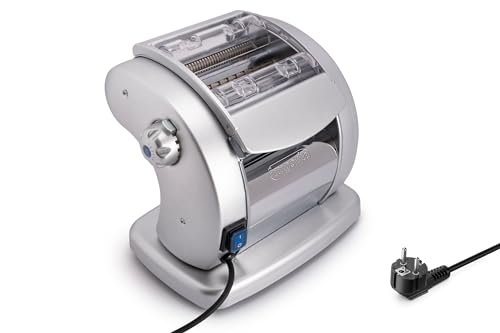
 The Imperia Pastapresto is the brand’s entry-level electric model, ideal for casual home pasta makers.
Why the Imperia Electric Pasta Maker Stands Out From Manual Options
Manual pasta makers have their place for casual, occasional use, but they come with inherent limitations: they require consistent, forceful cranking to roll dough evenly, they’re slow for batch cooking, and they’re inaccessible for people with arthritis, mobility issues, or limited upper body strength. The Imperia electric removes all of these barriers by integrating a reliable, low-noise motor that pulls dough through the rollers at a consistent speed, no cranking required. Unlike generic off-brand electric pasta makers that use lightweight plastic components and wobble during use, the Imperia uses the same heavy-duty steel construction as its legendary manual models, so you get the same durable, precise engineering with none of the physical effort. It’s the ideal pick for anyone who makes pasta more than a few times a year and wants consistent, restaurant-quality results without the workout.
Key Features of the Imperia Electric Pasta Maker
Every component of the Imperia electric is designed to replicate the experience of using a professional Italian pasta roller, with modern conveniences that cut down on labor and mess.
Italian-Made Heavy-Duty Steel Construction
The Imperia electric is 100% manufactured in Italy, using cold-rolled steel that resists warping, flexing, and rust even with frequent use. The 8- to 9-pound base sits securely on your countertop (no walking or adjusting mid-roll) and can handle thick, dense doughs like whole-wheat, gluten-free, or egg pasta without bending or damaging the rollers. This is a stark contrast to cheaper electric models made from lightweight plastic or thin aluminum, which often produce uneven dough and break down after a year of regular use.
6-Setting Adjustable Thickness Control
The machine’s signature adjustment dial offers six distinct thickness settings, ranging from 0.5mm (ideal for delicate lasagna sheets or ravioli wrappers) to 3mm (perfect for hearty pappardelle or dumpling wrappers). Each setting clicks firmly into place, so you won’t accidentally adjust the thickness mid-roll, a common issue with cheaper models that use loose dials. This range of settings lets you customize every pasta type to your preference, from paper-thin sheets that cook in 2 minutes to thick, chewy noodles that hold up to heavy meat ragu.
Motorized Effortless Operation
The 120v, 60-watt motor pulls dough through the rollers at a consistent, controlled speed, with most models offering two speed settings: a lower speed for thick, stiff doughs and a higher speed for thin, delicate sheets. You can make 2 to 3 pounds of fresh pasta in 10 minutes or less, compared to 30+ minutes of manual cranking for the same batch. The motor is rated for 2,000 hours of use, so it can withstand weekly pasta-making sessions for years without overheating or breaking down. For home cooks with arthritis, wrist injuries, or limited upper body strength, this feature alone makes the Imperia electric a game-changer.
Non-Stick Rollers and Easy-Clean Design
The steel rollers are coated with a food-grade non-stick finish that prevents even high-hydration, sticky dough from clinging during rolling. The two included cutters (one wide for fettuccine/tagliatelle, one narrow for spaghetti/lasagna sheets) are also non-stick, and all removable parts are dishwasher-safe for fast cleanup. A small, specialized cleaning brush is included to scrub dough out of the narrow roller grooves without scratching the coating. Most models come with everything you need to start making pasta right out of the box: the motorized machine base, two cutting attachments, a dough scraper, a cleaning brush, and a recipe book with traditional Italian pasta and sauce pairings. If you have young children in the home, secure lower cabinet storage with kitchen safety locks for kids to keep small hands away from hot surfaces and sharp cutter edges during use.
 The non-stick roller coating on the Imperia Pasta Presto prevents dough from sticking even with high-hydration recipes.
What You Can Make With the Imperia Electric Pasta Maker
The 6 thickness settings and dual cutters make this machine far more versatile than entry-level electric pasta makers with only 2-3 settings. Below is a quick reference guide for common pasta types and their recommended settings:
| Pasta Type | Recommended Thickness Setting | Ideal Use Case |
|---|---|---|
| Lasagna Sheets | 1 (thinnest) | Layered baked pasta dishes, requires even, quick cooking |
| Fettuccine/Tagliatelle | 2-3 | Creamy Alfredo, carbonara, or meat ragu; wide surface area holds heavy sauces |
| Spaghetti | 2 | Light olive oil, tomato, or seafood sauces; classic weeknight staple |
| Ravioli/Filled Pasta Sheets | 1-2 | Thin, pliable sheets that seal well without tearing around fillings |
| Dumpling Wrappers (potstickers, pierogi) | 1-2 | Thin, stretchy dough for savory fillings, cooks quickly in pan or boiling water |
| Pappardelle | 3-4 | Wide, hearty noodles for wild game, mushroom, or slow-cooked ragu sauces |
For stubborn dough residue after cooking, pair your cleaning routine with a professional kitchen cleaning brush to scrub hard-to-reach roller grooves without scratching the non-stick coating.
Imperia Electric Pasta Maker vs. Top Alternatives
To help you decide if the Imperia electric is the right pick for your kitchen, here’s how it stacks up against the most popular competing models:
Imperia Electric vs. Imperia Manual Pasta Maker
The classic Imperia manual model costs roughly half as much as the electric version, and uses the same heavy-duty steel construction and 6 thickness settings. It’s a great pick if you prefer a hands-on pasta-making experience, have very limited counter space, or only make pasta a few times a year. The electric model is a better investment if you make pasta regularly, struggle with manual cranking, or often need to make large batches for entertaining.
Imperia Electric vs. Philips 7000 Series Automatic Pasta Maker
The Philips 7000 is a fully automatic model that mixes dough and extrudes pasta without any pre-rolling, making it ideal for total beginners who don’t want to knead and roll dough from scratch. However, extruded pasta has a denser, more uniform texture closer to dried store-bought pasta, rather than the light, slightly chewy texture of traditionally rolled fresh pasta. The Imperia electric is the better pick for purists who want authentic Italian rolled pasta texture, and it’s also more affordable than the Philips model.
Imperia Electric vs. Marcato Atlasmotor Electric Pasta Maker
The Marcato Atlasmotor is a motor attachment designed to fit the brand’s classic manual Atlas 150 pasta maker, so it’s a more modular, lower-cost entry into electric pasta making. However, its motor is less powerful than the standalone Imperia electric, and it struggles with thick whole-grain or gluten-free doughs. The Imperia’s heavier steel construction and more powerful motor make it a better choice for frequent use and heavier doughs.
 The classic manual Marcato Atlas 150 is a popular budget-friendly alternative for cooks who prefer hand-cranking.
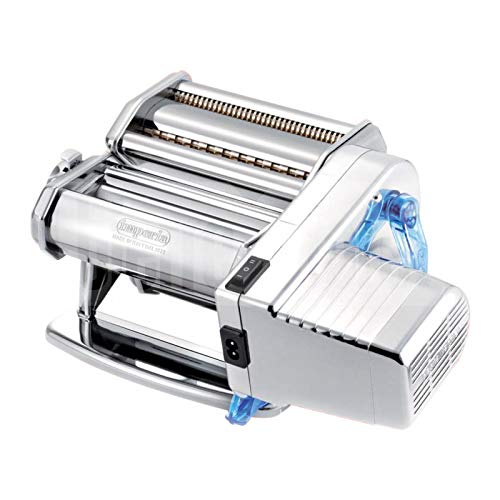 The Imperia pasta machine with motor adds electric convenience to the brand’s classic manual design.
 The classic manual Imperia model is a great pick for cooks who prefer a hands-on pasta-making experience.
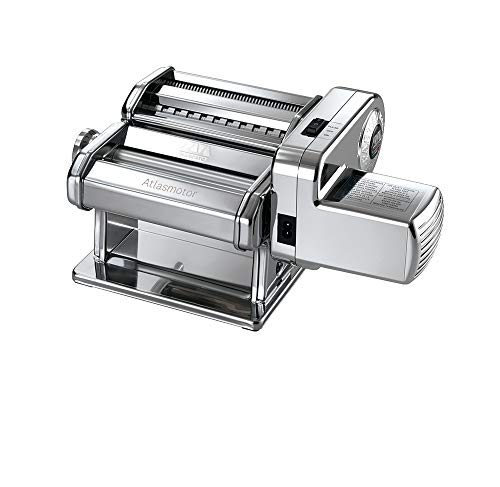 The Marcato Atlasmotor is a motor attachment for the brand’s classic manual pasta maker, offering a lower-cost entry into electric pasta making.
 Replacement gear sets are available for high-use Imperia electric models to extend their lifespan in commercial or frequent home use.
 The Philips 7000 Series is a fully automatic model that mixes and extrudes dough without pre-rolling, ideal for total beginners.
 The deluxe 11-piece Imperia set includes extra cutters, a recipe book, and a dough scraper for new pasta makers.
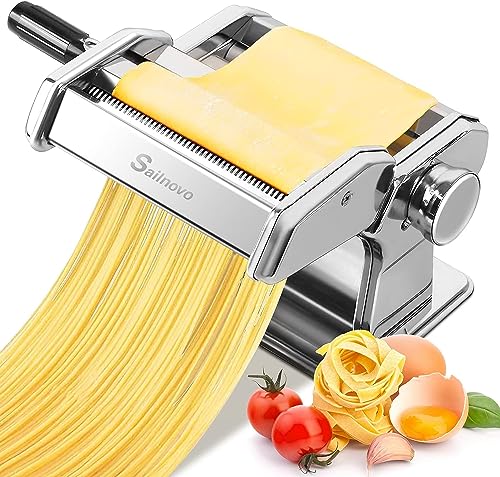 The Sailnovo is a budget-friendly manual alternative with 9 thickness settings for cooks who don’t need electric convenience.
Setup, Use, and Maintenance Tips for Longevity
With proper care, the Imperia electric will last for 10+ years of regular use. Follow these tips to get the most out of your investment:
- Initial setup: After unboxing, wipe down all steel and plastic parts with a damp cloth to remove factory dust. Clamp the machine securely to a stable countertop, or place it on a non-slip mat to prevent wobbling during use, which can cause uneven dough thickness.
- Dough prep: Rest your kneaded dough at room temperature for 30 minutes before rolling to let the gluten relax, which prevents tearing and ensures even rolling.
- Rolling technique: Start with the widest (thickest) thickness setting for the first pass. Feed a small ball of dough through the rollers, fold the resulting sheet into thirds, and pass it through the same setting 2-3 times before moving to a thinner setting. A common mistake is skipping these initial multiple passes, which leads to lumpy, uneven dough and torn pasta.
- Cutting and drying: Once your dough is smooth and uniform, move to your desired thickness setting, pass the sheet through once, then attach your chosen cutter to slice the pasta. Hang cut pasta on a drying rack for 15-30 minutes before cooking or storing to prevent sticking.
- Cleaning and maintenance: After each use, brush out all visible dough residue from the roller grooves and cutter slots with the included cleaning brush. Wipe the steel body and motor base with a damp, soapy cloth, then dry immediately to prevent rust. Never submerge the motorized base in water, and avoid abrasive scrubbers that could scratch the non-stick coating. Once a month, lubricate the adjustment dial with a food-grade mineral oil to keep it moving smoothly.
Who This Pasta Maker Is (and Isn’t) For
The Imperia electric is a fantastic investment for many home cooks, but it’s not the right pick for everyone. It’s ideal for:
- Home cooks who make fresh pasta 2+ times per month
- People with arthritis, wrist injuries, or limited upper body strength who struggle with manual cranking
- Frequent hosts who need to make large batches of pasta for gatherings
- Purists who prefer the light, chewy texture of traditionally rolled Italian pasta over extruded pasta
It’s not the best choice if:
- You only make pasta once or twice a year (a manual model will be more cost-effective)
- You have extremely limited counter space (it requires ~12 inches of clear counter space to operate)
- You’re on a tight budget (entry-level manual Imperia models cost 50% less)
- You prefer fully automatic pasta makers that handle dough mixing for you
Frequently Asked Questions
How does the Imperia Pasta Maker Electric work?
Unlike manual models that require hand-cranking to roll dough, the Imperia electric uses a 120v motor to pull dough through the steel rollers automatically. You simply rest your dough on the rollers, and the motor feeds it through at a consistent speed, eliminating uneven thickness and arm fatigue. The included cutters attach to the front of the rollers to slice the rolled dough into your desired pasta shape in one step.
Can I make different pasta types with the Imperia electric?
Yes, the 6 adjustable thickness settings and two included cutters let you make a wide range of dishes: thin lasagna sheets, wide fettuccine and pappardelle, standard spaghetti, ravioli filling sheets, and even thin dumpling wrappers for potstickers or pierogi. Optional third-party cutter attachments are also available for specialty shapes like angel hair or linguine.
Is the Imperia Pasta Maker Electric easy to clean?
Yes, the non-stick coated rollers and removable cutters make cleanup fast. After each use, brush out all visible dough residue from the roller grooves and cutter slots with the included small cleaning brush. Wipe the steel body and motor base with a damp, soapy cloth, then dry immediately to prevent rust. Avoid submerging the motorized base in water, and never use abrasive scrubbers that could scratch the non-stick coating.
What makes the Imperia Pasta Maker more durable than cheaper electric models?
The Imperia is constructed from cold-rolled heavy-duty steel, the same material used in its manual pasta makers that have been a staple in Italian kitchens for decades. Unlike cheaper electric models made from lightweight plastic or thin aluminum, the steel construction prevents warping or flexing even when rolling thick, dense whole-grain or gluten-free dough. The motor is rated for 2,000 hours of use, so it can withstand frequent weekly use without overheating or breaking down.
Are manual Imperia pasta makers still available if I prefer hand-cranking?
Yes, Imperia still sells its classic manual pasta maker line, which uses the same heavy-duty steel construction and adjustable thickness settings as the electric model, but requires hand-cranking instead of motorized operation. The manual model is a better pick if you prefer a more hands-on pasta-making experience, have limited counter space (it’s smaller and doesn’t require a power outlet), or are on a tighter budget.
Can the Imperia Electric Pasta Maker be used commercially?
While the Imperia electric is designed for home use, it is sturdy enough for small-scale commercial use, such as pop-up pasta nights, catering small events, or use in a small cafe. For high-volume restaurant use, Imperia sells a separate commercial-grade pasta maker line with a more powerful motor and higher weight capacity, but the consumer electric model is more than capable for occasional commercial batches.
Final Verdict: Is the Imperia Electric Worth the Investment?
The Imperia Pasta Maker Electric is a standout pick for anyone serious about homemade pasta who wants to eliminate the hassle of manual cranking without sacrificing the authentic texture of traditionally rolled Italian noodles. Its heavy-duty Italian steel construction, consistent 6-setting thickness control, and easy-clean design make it a reliable workhorse that will last for years with minimal upkeep. While it’s a higher upfront cost than manual models, the time saved on batch cooking and the consistent, restaurant-quality results make it a worthy investment for weekly pasta makers and hosts alike.
Ready to upgrade your pasta-making routine? The Imperia Pasta Maker Electric combines 80 years of Italian craftsmanship with modern motorized convenience to help you craft perfect homemade noodles in a fraction of the time of manual models. Serve your fresh pasta alongside a curated charcuterie board, and use our guide to cutting round cheese for charcuterie boards for perfectly portioned, presentation-ready dairy pairings. If you enjoy personalizing your kitchenware, check out our guide to engraving a cutting board to add a custom monogram to the serving platter you use for your homemade pasta. For quick post-cooking cleanup, stock your drawer with a kitchen cleaning brush set to wipe down countertops and appliances in seconds.

Hi, I’m Daniel Brooks—a food lover and kitchen gear enthusiast. I enjoy testing cookware, utensils, and gadgets to see what really works in everyday cooking. At PlugChef.com, I share honest reviews, comparisons, and simple guides to help you choose the best tools for a safer, smarter, and more enjoyable kitchen.
Related posts:
 Best Bread Maker Machine for Gluten Free Bread: Top Picks Revealed
 Best Blenders for Protein Shakes and Smoothies: Top Portable Picks
 Best Non-Toxic Cutting Boards for Safe and Durable Kitchen Prep
 Best Baking Tools Brand for Perfect Cakes and Sourdough Essentials
 Best Chef Knife Set for Precision and Durability in Every Kitchen
 Kitchen Sink Drain Cleaning Brush: Ultimate Tool for Clogs and Grime Removal