
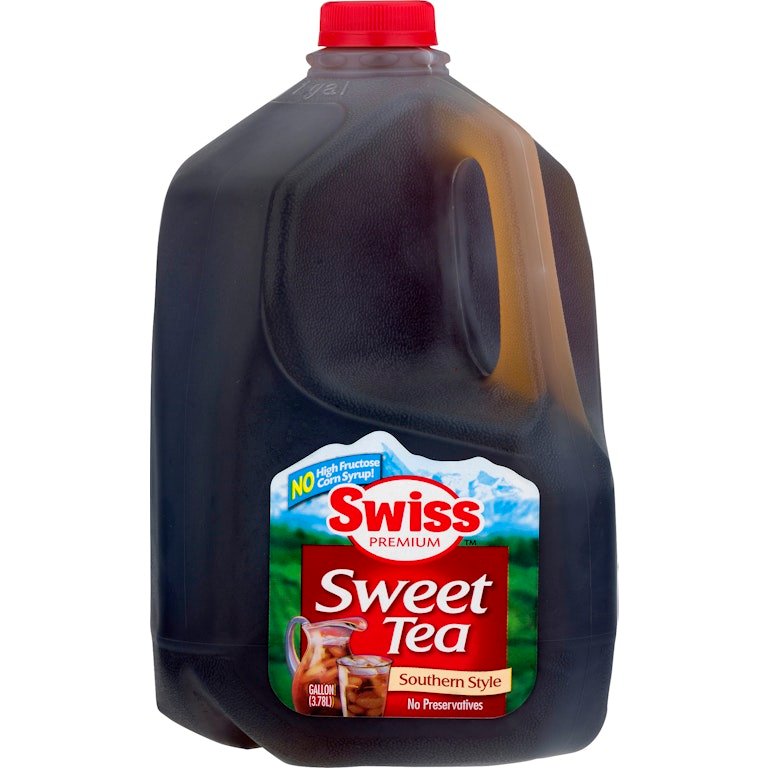
There’s nothing quite like an ice-cold glass of sweet tea on a sweltering summer afternoon, but running out mid-barbecue or ending up with a watery, bitter batch is a common frustration. Brewing 1 gallon of sweet tea at home solves both problems: it’s affordable, fully customizable, and easy to scale for family gatherings, potlucks, or weekday iced tea reserves. This guide covers foolproof recipes, creative flavor twists, honest health tradeoffs, and pro storage tips to help you make the perfect batch every time, no special equipment required.
 A classic gallon batch of sweet tea, perfect for summer cookouts and family gatherings.
Sweet Tea Fundamentals
A great gallon of sweet tea starts with high-quality ingredients and avoiding common brewing pitfalls. Unlike smaller batches, a gallon scale requires precise measurements to avoid overly strong, weak, or unbalanced flavor, especially when serving a crowd with different taste preferences.
Core Ingredients for a Balanced Batch
The base of any sweet tea is just three components: tea, water, and sweetener. For the best traditional flavor, use 8–10 standard black tea bags per gallon of water; this yields a medium-strength brew that holds up well to ice and sweetener without tasting weak. Filtered water is strongly recommended over tap water, as chlorine and high mineral content can mute the tea’s natural flavor and leave an off aftertaste. For sweeteners, granulated white cane sugar is the classic choice, as it dissolves easily in warm tea concentrate and doesn’t alter the traditional flavor profile. Alternatives like honey, agave syrup, or stevia blends work for lower-calorie or dietary-restricted batches, but note that honey and agave add distinct floral or earthy notes that change the final taste. Avoid adding sweetener to cold tea, as it will not dissolve fully and will leave a grainy texture.
Choosing the Right Tea Base
Black tea is the only traditional choice for Southern-style sweet tea, as its bold, malty flavor stands up to sugar and ice without getting lost. Popular varieties include Assam for deep, robust notes, Ceylon for bright, citrusy undertones, or pre-blended mixes like Luzianne, which are formulated specifically for sweet tea. Green or herbal teas can be used for lighter, caffeine-free batches, but they lack the tannins that balance sweetness, so you will need to adjust the sweetener quantity to avoid a flat, bland flavor.
Common Brewing Mistakes to Avoid
Even experienced home brewers run into avoidable issues when making large batches:
- Over-steeping tea for 12+ minutes, which releases excess tannins and creates a bitter, astringent flavor even after adding sugar. In practice, 7–8 minutes is the sweet spot for a balanced base.
- Adding sweetener to cold tea concentrate, which leads to undissolved sugar grains in the final drink.
- Using water that is not at a rolling boil (212°F / 100°C) to brew black tea, which fails to fully extract the tea’s flavor and results in a weak batch.
- Skipping the 30-minute room-temperature cool-down before refrigerating, which raises your fridge’s internal temperature and risks spoiling other stored foods.
Foolproof 1 Gallon Sweet Tea Recipe
This no-fuss recipe yields a perfectly balanced, classic sweet tea that works for any occasion, with pro tips to avoid common pitfalls.
Step 1: Brew the Tea Base
Bring 4 cups of filtered water to a rolling boil in a small saucepan, then remove from heat. Add 8–10 black tea bags, cover the pot, and steep for 7–8 minutes. Remove the tea bags without squeezing them (squeezing releases bitter tannins) and set the concentrate aside to cool to room temperature, roughly 30 minutes.
Step 2: Sweeten to Taste
While the concentrate is still warm (not hot, to avoid caramelizing the sugar), add 1–1.5 cups of granulated white sugar, stirring until fully dissolved. Taste test before adding the full amount: if you prefer less sweetness, start with ¾ cup and add more gradually. For lower-calorie options, use a stevia blend formulated for iced tea, as standard liquid stevia can have a bitter aftertaste in large batches.
Step 3: Dilute and Serve
Pour the sweetened concentrate into a clean 1-gallon glass pitcher, add 12 cups of cold filtered water, and stir to combine fully. Add ice, lemon slices, or mint sprigs as desired, and serve immediately. For extra crisp flavor, chill the diluted tea in the fridge for 2 hours before serving to let the flavors meld.
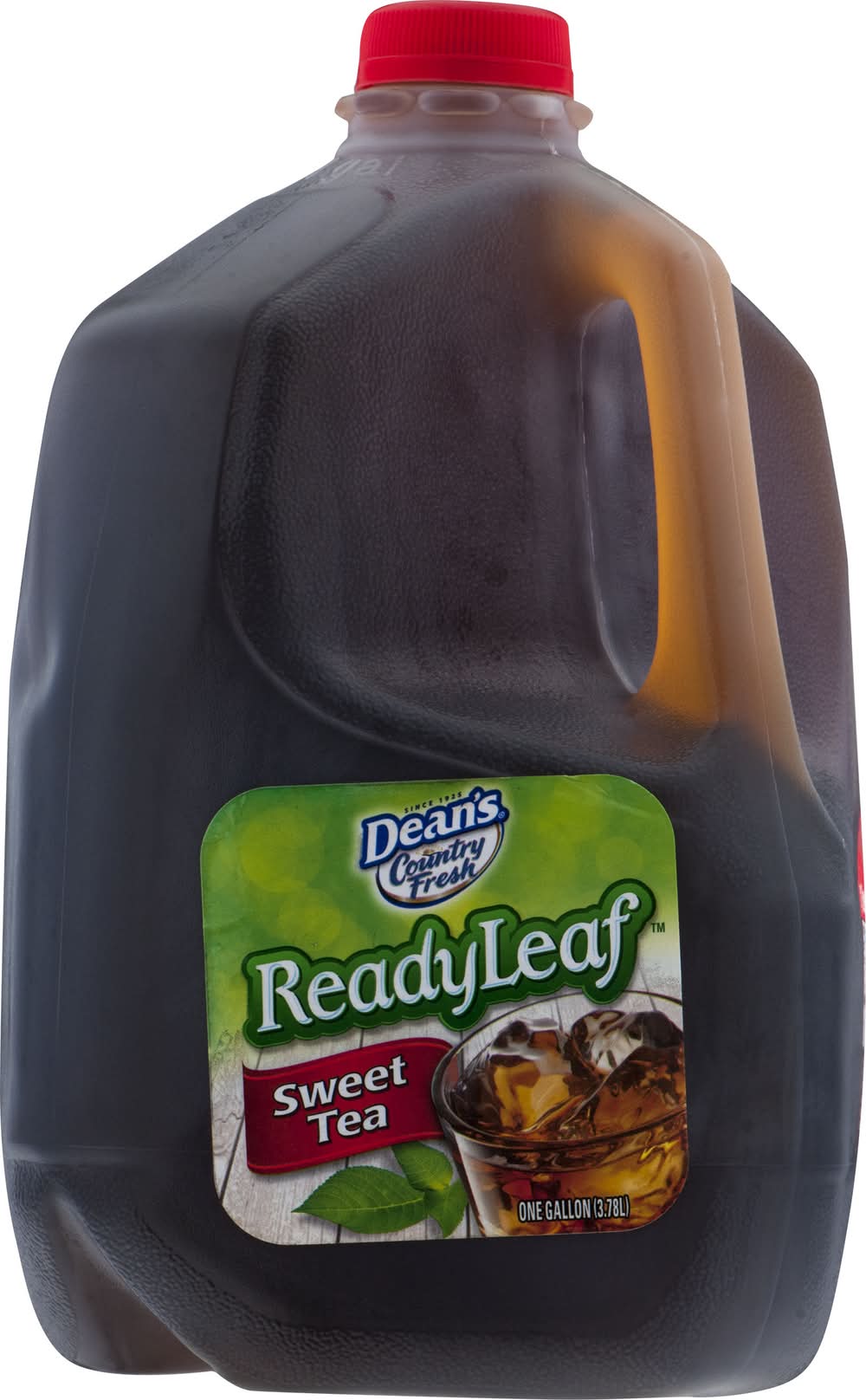 Pouring sweet tea over fresh ice keeps the flavor crisp and prevents unwanted dilution.
Flavor Variations to Elevate Your Batch
The classic sweet tea recipe is a perfect blank canvas for custom flavors, from fruity infusions to warm spiced twists. All variations work with the base recipe above, with add-ins adjusted to taste.
| Flavor Profile | Add-Ins | Steep Time (if adding during brew) | Best Pairings |
|---|---|---|---|
| Citrus Burst | 1 sliced lemon, 1 sliced orange, 2 tbsp fresh lemon juice | 2 minutes (add to warm concentrate, not hot brew) | Fried chicken, potato salad |
| Peach Sweet Tea | 2 cups sliced fresh peaches, 1 tsp vanilla extract | 5 minutes (add to hot brew with tea bags) | Barbecue ribs, corn on the cob |
| Mint Refreshment | 1 cup fresh mint leaves, 1 sliced lime | 1 minute (muddle mint first, add to warm concentrate) | Greek salads, grilled fish |
| Spiced Chai Sweet Tea | 2 cinnamon sticks, 1 tbsp sliced fresh ginger, 4 whole cloves | 10 minutes (add to hot brew with tea bags) | Breakfast pastries, oatmeal cookies |
| Berry Infusion | 1 cup mixed fresh berries (raspberries, blackberries), 1 tbsp lime juice | 3 minutes (add to warm concentrate, mash berries slightly) | Cheesecake, shortbread cookies |
For even more intense flavor without diluting the tea, make a flavored simple syrup first: heat 1 cup of sugar and 1 cup of water until the sugar dissolves, then steep fruit, herbs, or spices in the warm syrup for 30 minutes before straining and adding to your tea concentrate. If you’re serving your sweet tea with a spread of snacks, opt for a balanced charcuterie spread to complement its sweetness.
Health Benefits and Important Tradeoffs
Sweet tea is often dismissed as a sugary indulgence, but it does have evidence-backed benefits when consumed in moderation, alongside clear tradeoffs to be aware of.
Evidence-Backed Benefits
Unsweetened black tea is rich in catechins, a type of antioxidant that supports heart health and may reduce chronic inflammation, per research from the U.S. Department of Agriculture's agricultural research program. The mild caffeine content in a typical 8-ounce serving of sweet tea (15–30mg, depending on brew strength) can improve alertness and focus without the jitters common with higher-caffeine drinks like coffee. Tea compounds may also support gut health by promoting the growth of beneficial gut bacteria, though more research is needed to confirm this effect in sweetened iced tea.
Key Tradeoffs to Consider
Traditional sweet tea is high in added sugar: a gallon made with 2 cups of granulated sugar contains roughly 1600 total calories, or 100 calories per 8-ounce serving, all from added sugar. The U.S. Food and Drug Administration recommends limiting added sugar to less than 10% of total daily calories for optimal health, which translates to 50g of added sugar for a standard 2000-calorie diet. One 8-ounce serving of traditional sweet tea makes up roughly 20% of that limit. For people with diabetes, insulin resistance, or those tracking sugar intake, opt for unsweetened tea brewed as a concentrate, then add a small amount of natural sweetener or 100% fruit juice for flavor. It’s also worth noting that sweet tea is not a significant source of vitamins or minerals, so it should not replace water as your primary daily hydration source.
Storage, Shelf Life, and Food Safety
Proper storage is the difference between a crisp, refreshing batch of sweet tea and a spoiled, unsafe drink. Follow these guidelines to keep your gallon fresh and safe to drink.
Proper Refrigeration
Always store homemade sweet tea in an airtight, food-safe container (glass is best, as plastic can absorb odors and flavors over time) in the coldest part of your fridge, at or below 40°F (4°C). Never leave sweet tea at room temperature for more than 2 hours, as its high sugar content creates an ideal environment for bacteria like Staphylococcus aureus to grow rapidly. If you’re serving sweet tea at an outdoor gathering, keep it in a shaded cooler with ice, and discard any leftover tea that’s been sitting out for more than 2 hours. After brewing, use a deep-cleaning brush set to scrub any sugar residue from your pitcher and pot to prevent bacterial growth.
Signs of Spoilage
Spoiled sweet tea will show clear, obvious signs that it is no longer safe to drink. Look for:
- Cloudy or darker-than-normal appearance
- Sour, yeasty, or off-putting odor
- Fizzy bubbles or foam on the surface (indicating fermentation has begun)
- Metallic or bitter off-flavor If you notice any of these signs, discard the tea immediately. Harmful bacteria can grow in sweet tea without obvious visual cues in some cases, so never taste tea that you suspect may be spoiled.
Extending Freshness
Properly stored, homemade sweet tea stays fresh for 3–5 days in the fridge. To extend its life, freeze leftover sweet tea in airtight ice cube trays: leave ½ inch of headspace in each tray slot to allow for expansion during freezing. You can add the frozen sweet tea cubes to future batches of iced tea for extra flavor without dilution, or use them in smoothies and cocktails for a sweet tea kick.
 Storing sweet tea in an airtight glass container preserves its flavor and prevents it from absorbing fridge odors.
Frequently Asked Questions
How much tea do I need for 1 gallon of sweet tea?
For a classic medium-strength batch, use 8–10 standard black tea bags per gallon of water. If you prefer extra bold tea that holds up well to ice and sweetener, use up to 12 bags. For green or herbal tea bases, use 10–12 bags, as these teas have milder flavor profiles than black tea.
What sweetener works best for 1 gallon batches?
Granulated white cane sugar is the traditional choice, as it dissolves easily in warm tea concentrate and doesn’t alter the classic flavor. For lower-calorie options, use stevia blends formulated for iced tea, or honey for a subtle floral note (note that honey will add a distinct flavor that changes the traditional profile). Avoid adding artificial sweeteners to hot tea concentrate, as high heat can create bitter aftertastes for some brands.
Can I use artificial sweeteners in 1 gallon sweet tea?
Yes, artificial sweeteners like sucralose or aspartame work well for 1 gallon batches, but add them after the tea concentrate has cooled to room temperature. High heat can break down some artificial sweeteners and create bitter aftertastes. Start with the amount recommended on the package for 1 gallon of liquid, then adjust to taste, as sweetness levels vary widely between brands.
Can I make sweet tea ahead of time for a gathering?
Yes! Brew the tea concentrate and sweeten it 1–2 days before your event, then store it in the fridge. On the day of your gathering, dilute with cold water and add ice, fruit, or herbs just before serving to keep it fresh. This cuts down on last-minute prep time and ensures consistent flavor for all your guests.
Is 1 gallon of sweet tea safe for kids?
Sweet tea is safe for children in moderation, but its high sugar content means it should be an occasional treat, not a daily replacement for water. If you have young kids, store the sweet tea out of reach in a childproof kitchen cabinet to limit unsupervised access.
Final Tips for Perfect Sweet Tea Every Time
Brewing a gallon of sweet tea at home is a simple, cost-effective way to have a refreshing drink ready for any occasion. The key to success is using high-quality black tea, adding sweetener to warm (not hot or cold) concentrate, and storing it properly to keep it fresh and safe. Experiment with flavor variations to find your favorite twist, and adjust sweetness levels to match your preferences. If you’re planning a summer gathering, pair your sweet tea with easy, crowd-pleasing snacks and serve it in personalized servingware for a special touch. For more easy kitchen guides to elevate your hosting game, browse more kitchen guides for tested recipes and hosting tips. Ready to try your hand at homemade sweet tea? Grab your tea bags and sugar, and brew a batch today — you’ll never go back to store-bought once you taste the difference.

I’m Abby Lu, a passionate home cook who loves simplifying everyday meals. At PlugChef.com, I share product reviews and cooking guides to help you find the best tools for your kitchen.
Related posts:
 How to Make a Fruit Basket for a Gift: Easy DIY Guide
 Do You Need a Basket? Essential Guide for Air Fryers
 What Blenders Do Tropical Smoothie Use: Expert Insights
Stainless Steel Vs White Kitchen Appliances: Ultimate Showdown
What Blenders Do Tropical Smoothie Use: Expert Insights
Stainless Steel Vs White Kitchen Appliances: Ultimate Showdown
 Kitchen Appliances for Wedding Registry: Must-Have Essentials
 Top 10 Best Non-Toxic Cooking Utensils – Safe & Durable Choices for Healthy Homes

