
Reusable wraps are one of the easiest swaps you can make to reduce single-use plastic in the kitchen. This guide shows practical ways to choose, use, clean, repair, and store beeswax, silicone, and fabric wraps so they stay safe and effective. You’ll also get common-sense safety tips and creative ideas to replace plastic film every day.
Credit: www.leprixclothing.com
Why switch to reusable wraps?
- Waste reduction: Reusable wraps replace rolls of plastic film and single-use sandwich bags used every week.
- Cost over time: Buying a durable set typically pays for itself compared with regular purchases of disposable wrap.
- Versatility: Different wrap types work for covering bowls, wrapping sandwiches, saving produce, and short-term freezer storage.
- Food safety note: For raw meat, poultry, and fish use nonporous containers or dishwasher-safe silicone—porous textile wraps can harbor bacteria if cross-contaminated; follow USDA guidance on safe food storage and cross-contamination prevention when handling raw proteins. (See USDA FSIS for food-safety basics.)
In practice, people get the most benefit by starting small: swap plastic for reusable wraps for lunches and fridge leftovers first, then broaden use as you learn what works best.
Types of reusable wraps — how they differ
Use this quick comparison to match wrap type to tasks.
| Wrap type | Material & feel | Best uses | Care & limitations |
|---|---|---|---|
| Beeswax wraps | Cotton fabric coated with beeswax, tree resin, jojoba or sunflower oil | Covering bowls, wrapping cheese, sandwiches, cut fruit for short-term fridge storage | Wash in cool water; not for raw meat; lifespan varies (many users report months to a year depending on use) |
| Silicone covers | Food-grade, nonporous silicone (stretchy) | Airtight seals on bowls/jars, freezer, oven-safe cookware (check label) | Dishwasher-safe; can handle hot/cold; heavier and less breathable than textile wraps |
| Fabric wraps (uncoated) | Cotton/linen, sometimes wax-free | Sandwiches, bread, produce in bags; great as napkins/packaging | Machine-washable, not airtight; best for dry or room-temp foods |
For guidance on safe food handling and avoiding cross-contamination, consult USDA food-safety recommendations rather than relying solely on product claims.
How to use each wrap type — step-by-step
Beeswax wraps (step-by-step)
- Clean hands and the food or container before wrapping. Beeswax adheres better to dry, cool surfaces.
- Warm the wrap by cupping it in your hands for a few seconds; body heat softens the wax and makes it pliable.
- Press wrap around the item or container rim, smoothing edges with your fingers to form a seal.
- For cut fruit or cheese, wrap snugly but avoid pressing juices into the fabric.
- Store wrapped item in the fridge; avoid putting hot foods directly into a beeswax wrap.
Practical tip: a common mistake is trying to seal a very wet or greasy surface—pat items dry first to improve adhesion.
Silicone wraps and lids
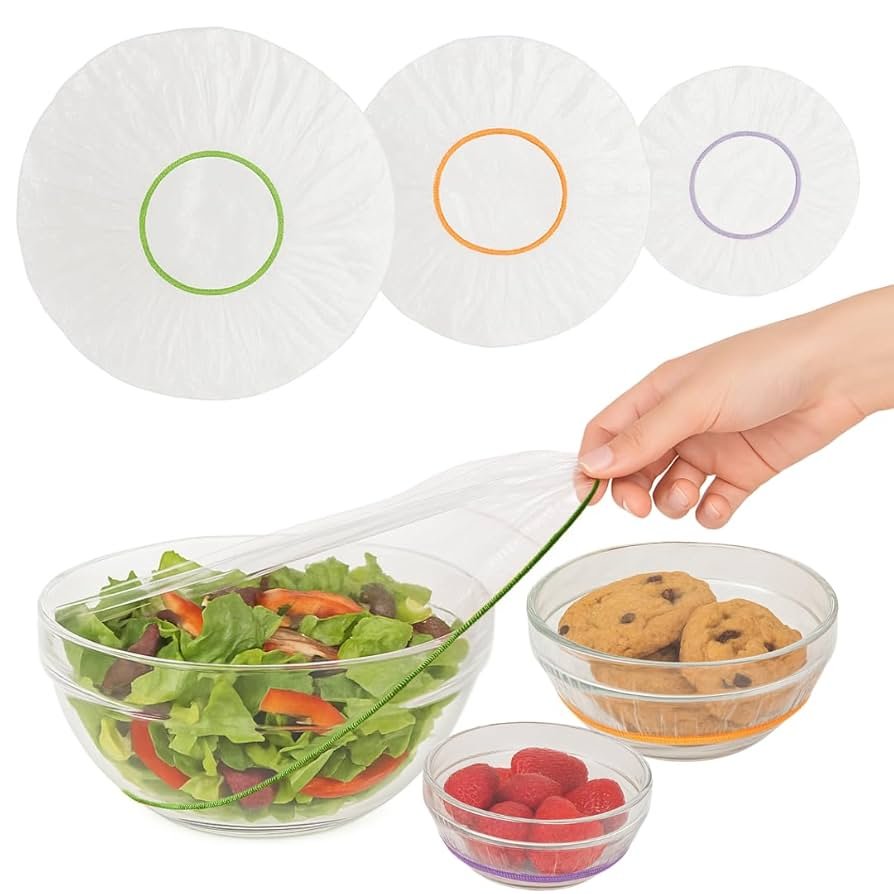
- Stretch the silicone cover over the rim of the bowl or container, making sure the lip catches evenly for an airtight seal.
- Silicone covers work well for odd shapes that beeswax won’t fit.
- Most food-grade silicone is dishwasher-safe and can go in the freezer and oven—check the product label for temperature limits.
Practical observation: silicone is the easiest wrap to sanitize after raw-meat contact because it is nonporous and dishwasher-safe.
Fabric wraps (wax-free)
- Fold and tie, or use them as a pouch for sandwiches and snacks.
- Use a breathable fabric bag for produce that needs airflow (e.g., mushrooms, greens), to reduce premature spoilage.
- Wash regularly—treat them like reusable napkins.
Cleaning, drying, and storage — detailed care
- Beeswax wraps: Rinse under cool or lukewarm water with a mild dish soap and a soft sponge. Do not use hot water or scrub hard—heat and abrasion will remove the wax coating. Lay flat to air dry away from direct sunlight. Store flat or rolled in a drawer.
- Silicone wraps: Clean with warm soapy water or place in dishwasher. Dry completely before storing. Store stacked or hung.
- Fabric wraps: Machine wash with similar colors; tumble dry or line dry depending on fiber instructions.
Avoid leaving damp wraps in enclosed containers—moisture can promote mold. If you spot mold or a persistent odor after proper cleaning, retire or compost the wrap if material-appropriate.
Repairing and refreshing beeswax wraps
Most manufacturers and DIYers refresh worn beeswax wraps rather than discarding them. Typical refresh steps:
- Clean and dry the wrap thoroughly.
- Place it between two sheets of parchment or baking paper on a baking tray.
- Use a low, warm oven or a household iron set to a low setting to redistribute wax—apply short, gentle passes and check often to avoid overheating.
- Allow to cool flat so the wax re-solidifies evenly.
If you’re unsure about oven or iron methods, follow the manufacturer’s refresh instructions. Don’t attempt repairs if the fabric is torn or has embedded food stains that won’t wash out.
Food-safety rules and what not to do
- Do not use beeswax or fabric wraps for raw meat, poultry, or fish. Use sealed, nonporous containers or dishwasher-safe silicone to avoid cross-contamination. The USDA highlights safe handling of raw proteins and preventing foodborne illness.
- Do not microwave beeswax wraps—the coating can melt and damage both the wrap and the appliance.
- Avoid acidic or oily foods for long-term storage in beeswax wraps; acids and oils can break down the coating faster.
- If a wrap becomes stained, sticky, or has persistent odors that do not wash away, replace it.
Creative uses beyond leftovers
- Cover rising dough with a breathable fabric wrap to keep surface moisture while allowing some airflow.
- Use beeswax wraps to bundle herbs; wrap them around stems to keep them tidy in the fridge.
- Use larger silicone covers to seal mixing bowls during marination or in the fridge.
- Pack lunches: beeswax or fabric wraps are ideal for sandwiches and snacks; silicone pouches work for wet or saucy items.
In practice, swapping plastic sandwich bags for wraps is the simplest behavior change that yields immediate waste reduction.

Credit: www.amazon.com
Stretchy silicone lids provide an airtight seal for different bowl sizes.
Environmental impact and lifespan — realistic expectations
Reusable wraps reduce the number of single-use films and bags that enter landfills. Lifespan depends on material and care:
- Beeswax wraps: many users report months to about a year with regular use and proper care.
- Silicone wraps: can last several years; durability makes them a strong option for heavy use.
- Fabric wraps: lifespan varies by fabric quality and how often they are washed.
For broader guidance on reducing household waste and recycling, the U.S. Environmental Protection Agency offers practical resource pages on reducing and managing waste.
Buying tips — what to check before you buy
- Materials: look for food-grade silicone or bee/plant-based coatings and tightly woven cotton.
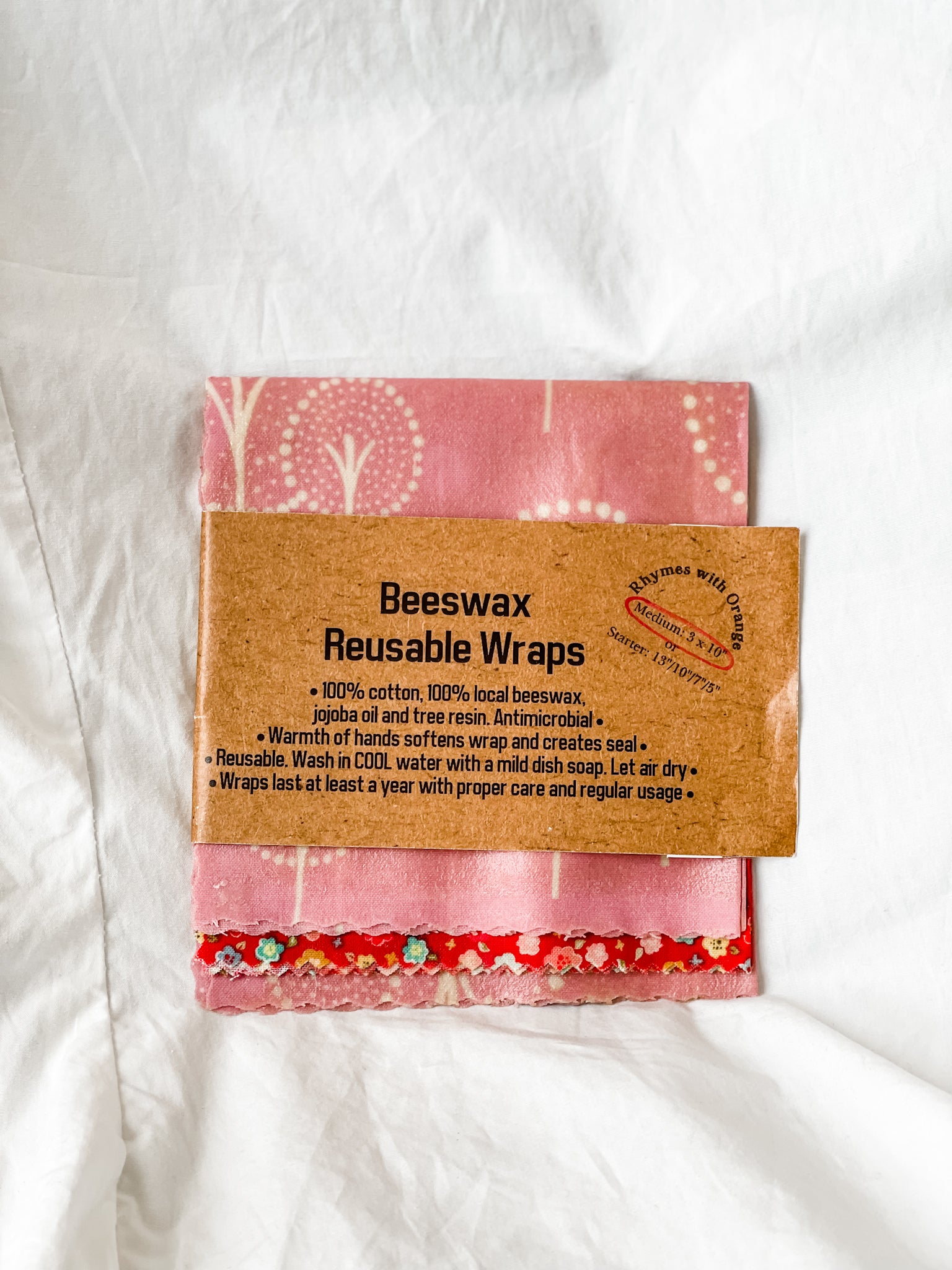
- Size set: get a small, medium, and large to cover most containers; consider a silicone stretch set for deep bowls.
- Certifications & labeling: "food-grade" or "BPA-free" for silicone; look for clear care instructions and manufacturer guidance for beeswax blends.
- Local vs mass-produced: local makers or small businesses often publish ingredient lists and repair/refill options.
- Warranty and return policy: long return windows and clear cleaning instructions indicate confidence from the maker.

Credit: www.kickstarter.com
Sample wrap styles and sizes help you match the right product to kitchen tasks.
FAQs
Q: How long do beeswax wraps last? A: Lifespan varies with use and care—many people get several months to around a year. Gentle washing and avoiding heat extend life; refresh or repair as needed.
Q: Can I sanitize wraps after raw-food contact? A: Textile wraps (including beeswax) are porous and not the best choice after raw meat contact. Use dishwasher-safe silicone or sealed containers and follow USDA safe-handling guidance to prevent cross-contamination.
Q: Are silicone wraps recyclable? A: Some municipal recycling programs don’t accept silicone via curbside pickup. Check product packaging and local recycling rules; some manufacturers offer take-back or recycling programs.
Q: Can I use beeswax wraps in the freezer? A: Yes for short-term freezer use—wrap items tightly and avoid long-term storage where ice crystals and prolonged moisture can degrade the coating.
Q: How do I choose between beeswax and silicone? A: Use beeswax for light, short-term fridge covering and sandwiches; choose silicone for heavy use, messy foods, freezer storage, and when you need a nonporous surface.
Conclusion — make the swap one step at a time
Start by replacing the plastic wrap you use most often—lunch sandwiches or fridge leftovers—and keep experimenting. A small set (a few beeswax wraps, one or two silicone lids, and a fabric sandwich wrap) covers most needs and helps you learn care routines. For food-safety details about storing leftovers and preventing cross-contamination, follow USDA recommendations and for broader waste-reduction strategies see EPA guidance.
Try a 3–piece starter set this week and focus on replacing one disposable item — you’ll quickly learn which wraps fit your routine best.
Call to action: pick one disposable item to replace today (sandwich bags or plastic film) and test reusable wraps for a week to see the difference in your kitchen.

I’m Abby Lu, a passionate home cook who loves simplifying everyday meals. At PlugChef.com, I share product reviews and cooking guides to help you find the best tools for your kitchen.
Related posts:
 How to Make a Fruit Basket for a Gift: Easy DIY Guide
 Do You Need a Basket? Essential Guide for Air Fryers
 How to Choose Kitchen Appliances: Expert Tips Revealed
 Kitchen Cabinets With Black Stainless Steel Appliances: Modern Elegance
 White Kitchen Cabinets Stainless Steel Appliances: Timeless Elegance
 Top 10 Best Non-Toxic Cooking Utensils – Safe & Durable Choices for Healthy Homes

