

A well-cared-for wooden cutting board looks beautiful, protects your knives, and can last for years. This guide gives clear, practical steps—based on hands‑on kitchen practice and current food‑safety guidance—to clean, condition, repair, and store wooden boards so they stay safe and serviceable.
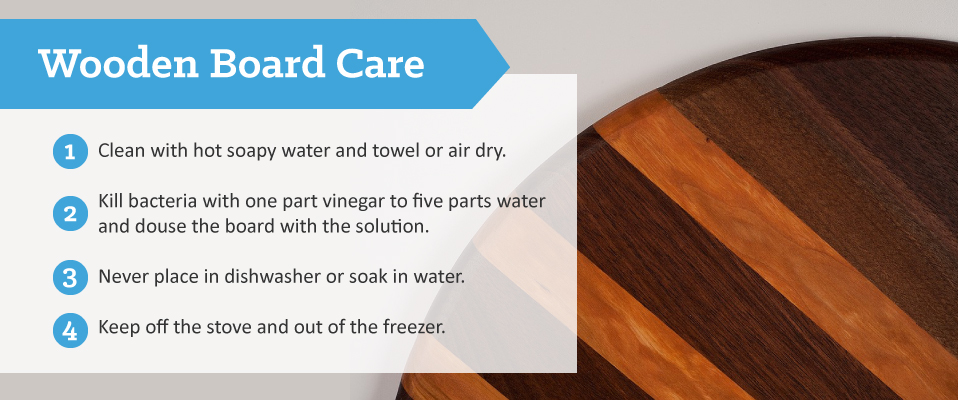
Wooden board ready for daily use and care.
Credit: xtrema.co.uk
Quick overview: what good care does for your board
- Keeps the surface sanitary and food-safe.
- Prevents warping, cracking, and premature splitting.
- Protects knife edges (wood is gentler than plastic or glass).
- Extends life—regularly maintained boards can last many years.
Choosing the right wooden cutting board
Picking the right board in the first place reduces maintenance and improves longevity.
Wood species and construction
- End-grain (blocks): built from the end of the wood fibers; self-healing property and gentler on knives. Best for heavy chopping.
- Edge-grain: long grain boards are stable and attractive; good for everyday prep.
- Face-grain: thin and lightweight, more prone to wear and warping; better for serving than heavy prep.
Preferred woods: maple, walnut, cherry, beech—tight-grained hardwoods that balance durability and hygiene. Softer woods wear faster; very porous or oily woods can hold moisture or flavors.
A common practical tip: if you do a lot of heavy chopping, choose an end-grain board at least 1–1.5 inches thick to resist gouging and warping.
Size, thickness, and finish
- Size: buy a board large enough for your typical meal prep but small enough to lift and clean easily.
- Thickness: 1–2 inches is a practical range for durability without being too heavy.
- Finish: look for unfinished or food-grade finished boards. Factory finishes are often oil‑based; avoid boards sealed with non-food finishes.
Daily cleaning and sanitizing (step-by-step)
In practice, quick and consistent cleanup prevents buildup.
- Scrape: remove food scraps with a bench scraper or spatula.
- Wash: warm water + mild dish soap, scrub with a sponge or stiff brush along the grain.
- Rinse: thoroughly with hot water.
- Dry: wipe with a clean towel, then stand upright to air dry (allow both faces to dry).
Important: never soak or put a wooden board in the dishwasher—the combination of heat, detergent and water will warp and crack the wood.
For food‑safety resources and general guidance about cross‑contamination in the kitchen, see the USDA food safety guidance and the CDC’s food safety information.
Deep cleaning and removing stains or odors
Use these methods when a regular wash isn’t enough.
- Salt + lemon: sprinkle coarse salt, rub with a halved lemon (cut side down) to lift stains and odors. Rinse and dry.
- Baking soda paste: mix baking soda with a little water into a paste for stubborn stains, apply, scrub gently, rinse.
- Hydrogen peroxide (3%): pour or spray to oxidize biological stains; let sit a minute, then rinse. Safe for occasional use.
- Sanding: for deep stains, scratches or discoloration, sand with 120–220 grit sandpaper along the grain until even, then recondition with oil.
What to avoid: frequent use of bleach or strong chemical disinfectants—wood is porous and can trap chemicals or lose finish. If you do use a bleach solution in an emergency, dilute heavily, rinse thoroughly, and re-oil.
Oiling and conditioning: why and how
Oiling restores moisture to the wood, prevents drying and cracking, and makes the board more water‑resistant.
Recommended finishes:
- Food‑grade mineral oil (non‑toxic, stable, won’t go rancid) — the standard choice.
- Beeswax + mineral oil blends — give surface protection and a light water repellent finish. Avoid: vegetable oils (olive, canola) because they can oxidize and become rancid.
How to oil (practical steps):
- Clean and fully dry the board.
- Apply a generous coat of food‑grade mineral oil with a clean cloth or paper towel, covering all faces and edges.
- Let the oil penetrate: at least 2–4 hours; for best results, leave overnight.
- Wipe off excess oil and buff with a dry cloth.
- For extra protection, rub on a thin coat of a beeswax/mneal oil paste and buff.
Frequency guide (use-based):
- Heavy use (daily, raw meat/fish): oil every 1–2 weeks.
- Moderate use (several times/week): oil monthly.
- Light use: oil every 2–3 months.
In practice, a quick test—drop a small bead of water on the surface: if it soaks in quickly rather than beading, it’s time to oil.
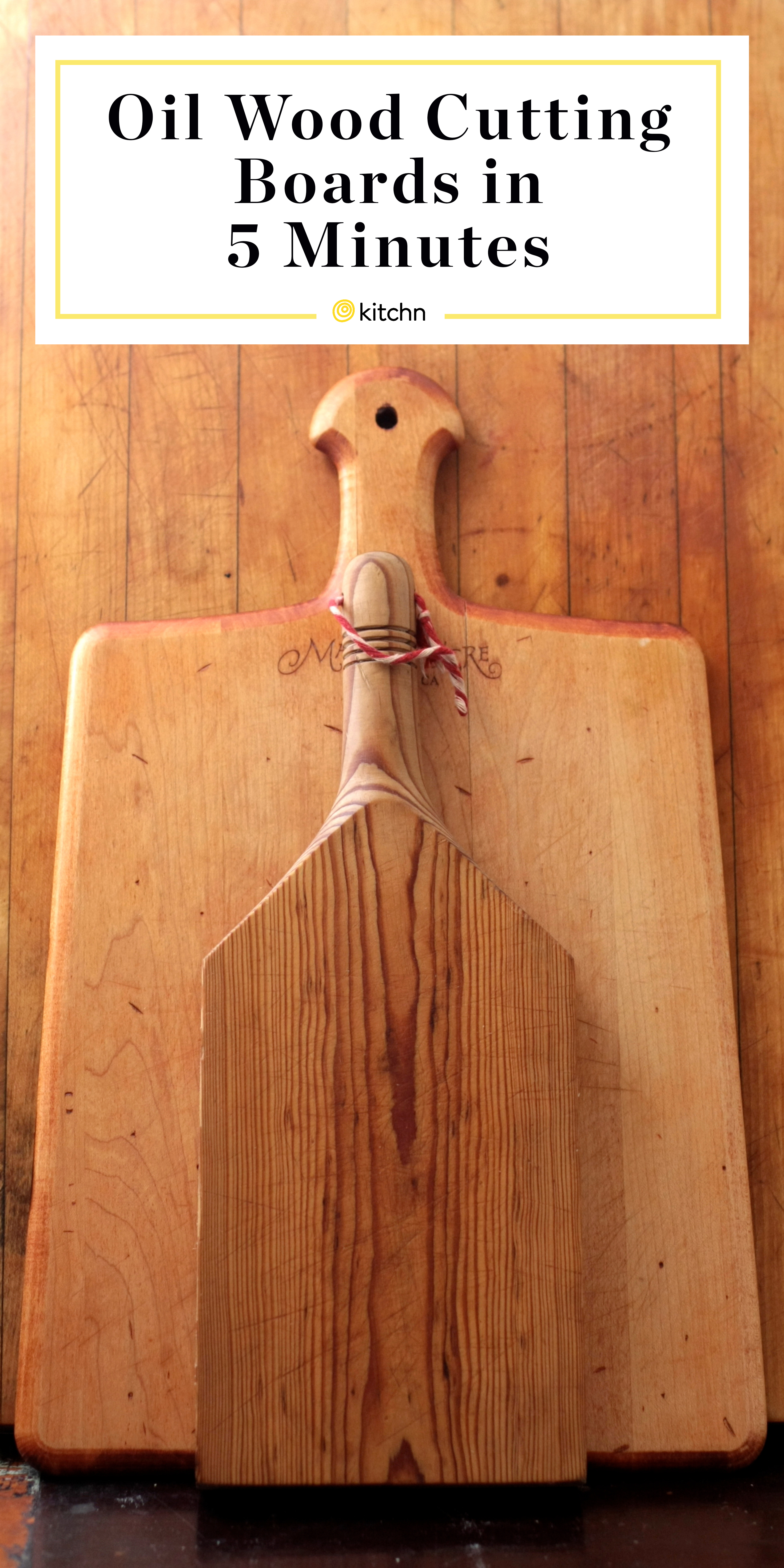
Compare end‑grain (chunky) and edge‑grain (slab) boards when choosing.
Credit: www.thekitchn.com
Repairing scratches, gouges and cracks
Minor wear is normal. Know when to repair and how:
- Shallow scratches / knife marks: sand progressively with 120 → 220 grit until smooth; oil after sanding.
- Deep gouges: if you can’t sand to a smooth surface without losing too much thickness, consider replacing the board or converting it to a dedicated non-food use.
- Small splits: can be glued with food‑safe wood glue and clamped; sand and re-oil. For large splits or rot, replace.
A realistic rule: if cracks trap food and can’t be sanitized, the board should be retired.
Preventing damage: storage and everyday habits
Simple habits prevent most problems.
- Never dishwasher. Heat and detergent ruin the wood.
- Don’t soak. Quick wash → dry promptly.
- Store upright or on its side for airflow; avoid damp, closed cabinets.
- Keep away from direct heat (stove, oven) which dries and warps boards.
- Rotate usage: use different faces and sides to spread wear.
Common mistake: leaving a wet board flat on a counter after washing—this traps moisture and speeds warping or mold.
Hygiene, cross‑contamination and safe handling
Wooden boards can be used safely with the right practices.
- Separate boards: use one board for raw meats and another for produce/ready‑to‑eat foods to reduce cross‑contamination.
- Clean immediately after contact with raw meat/seafood: hot soapy wash, rinse, and dry.
- Periodic sanitizing: for boards used with raw meat, follow cleaning with a spray of white vinegar or a 3% hydrogen peroxide spray, let sit 1–2 minutes, then rinse and dry.
- If you want official guidance about sanitizing kitchen surfaces and preventing cross‑contamination, consult USDA food safety recommendations or local public health resources.
In practice: many home cooks successfully use one wooden board for most tasks if they wash and sanitize between uses—but using separate boards for raw meat is the simplest, lowest‑risk approach.
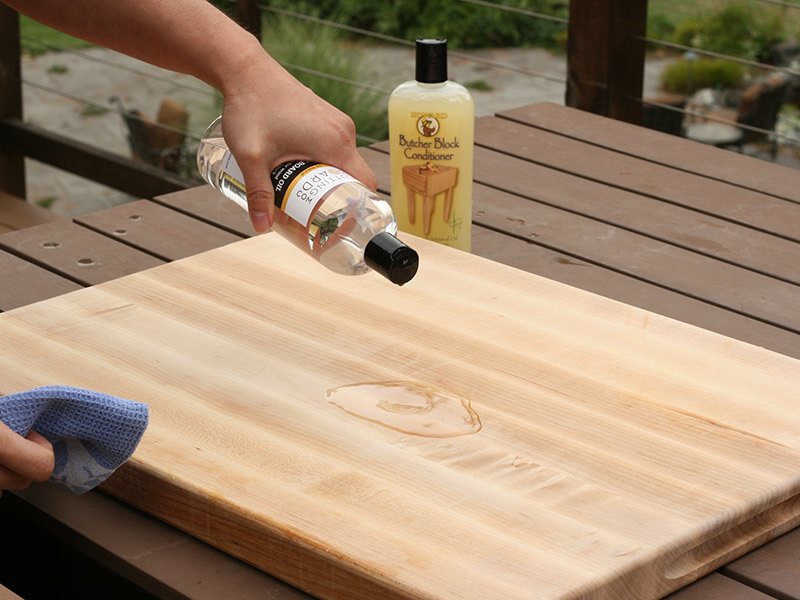
Applying food‑grade oil to condition the board.
Credit: www.cuttingboard.com
When to replace your wooden cutting board
Replace the board if you notice:
- Deep cracks or splits that harbor food and cannot be repaired safely.
- Severe warping that prevents the board from sitting flat.
- Persistent rancid or moldy odors despite cleaning and sanding.
- Excessive thinning from sanding that compromises structural strength.
A well‑maintained board can last many years; a neglected one may need replacing in a season.
Quick care checklist (printable)
- After use: scrape → hot soapy wash → rinse → towel dry → stand upright.
- Weekly (heavy use): inspect, oil if water soaks in.
- Monthly: deep clean with salt + lemon or baking soda; sand and recondition if needed.
- Replace if cracks, deep grooves, persistent odors, or rot.
Frequently asked questions
Q: How often should I oil my cutting board?
A: Depends on use. Heavy daily use: every 1–2 weeks. Typical home use: monthly. Oil when water no longer beads on the surface.
Q: Can I use olive oil or other cooking oils?
A: No—vegetable and nut oils can oxidize and become rancid, leaving sticky, smelly residue. Use food‑grade mineral oil or a mineral oil/beeswax blend.
Q: Is bleach okay for sanitizing wooden boards?
A: Routine bleach use is not recommended on wood because it can penetrate and damage the fibers. For emergencies you can use a heavily diluted solution, rinse thoroughly, then recondition with oil. Prefer vinegar or hydrogen peroxide for regular sanitizing.
Q: Can I repair a board with food‑safe glue?
A: Small splits can be glued with a food‑safe wood glue, clamped, sanded and re-oiled. For large structural damage, replace the board.
Q: Are wooden boards hygienic compared to plastic?
A: Both can be safe when properly cleaned. Wood has natural antimicrobial properties in some species and is gentler on knives; plastic can be sanitized in a dishwasher. Choose based on use and care routine.
Conclusion
Taking good care of a wooden cutting board is straightforward: clean promptly, dry thoroughly, oil regularly, and repair or replace when damage compromises safety. With simple habits—separate boards for raw meats, periodic deep cleaning, and timely conditioning—you’ll keep your board hygienic, attractive, and long‑lasting.
Save this guide and start a simple care routine today: clean after each use, test with a drop of water, and oil when it soaks in. Your board (and your knives) will thank you.

Hi, I’m Daniel Brooks—a food lover and kitchen gear enthusiast. I enjoy testing cookware, utensils, and gadgets to see what really works in everyday cooking. At PlugChef.com, I share honest reviews, comparisons, and simple guides to help you choose the best tools for a safer, smarter, and more enjoyable kitchen.
Related posts:
 How to Make a Fruit Basket for a Gift: Easy DIY Guide
 Do You Need a Basket? Essential Guide for Air Fryers
 How to Choose Kitchen Appliances: Expert Tips Revealed
 Kitchen Cabinets With Black Stainless Steel Appliances: Modern Elegance
 White Kitchen Cabinets Stainless Steel Appliances: Timeless Elegance
 Top 10 Best Non-Toxic Cooking Utensils – Safe & Durable Choices for Healthy Homes

