
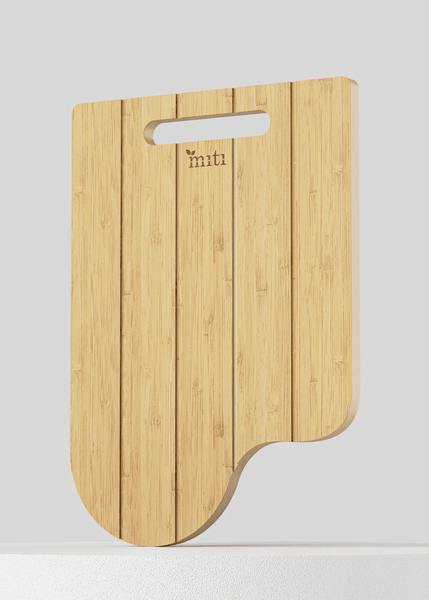
Bamboo cutting boards are attractive, durable, and eco-friendly—but they still need regular maintenance to stay sanitary and warp-free. This guide gives step‑by‑step care routines, troubleshooting for stains and cracks, advice on oiling and finishing, and clear signs for when replacement is better than repair. Read on for practical, experience‑based tips that will keep your bamboo board looking and performing its best for years.
Why choose bamboo (and what to expect)
Bamboo is technically a grass, not hardwood, and its boards are made by laminating strips under pressure. That gives bamboo boards a high strength-to-weight ratio, good wear resistance, and a dense cutting surface that’s usually gentler on knives than glass or ceramic. In practice, bamboo:
- Resists deep gouging better than many softwoods.
- Dries faster than heavier hardwood boards, so they’re less prone to long-term moisture damage if dried promptly.
- Are more sustainable than slow‑growing hardwoods because bamboo regenerates quickly.
Trade-offs and realities: bamboo can be harder than some hardwoods, so very thin blades may dull a bit faster. Also, low-quality, glued laminates can delaminate if exposed to constant soaking or dishwasher heat. A common mistake is assuming “bamboo = indestructible”; proper cleaning, drying, and oiling extend lifespan significantly.

Credit: food52.com
For more on treating bamboo surfaces and finishes, see this short primer on treating a bamboo board. (internal reference: learn more at the manufacturer’s care page: https://seashell-kudu-262783.hostingersite.com/how-do-you-treat-a-bamboo-cutting-board/)
Daily cleaning: quick, safe routine (under 2 minutes)
After each use:
- Scrape off food particles with a bench scraper or spatula.
- Wash by hand with warm water, a mild dish soap, and a soft sponge. Work in the direction of the grain to avoid lifting fibers.
- Rinse thoroughly and immediately dry with a clean towel.
- Stand the board on its edge in a well‑ventilated spot until completely dry (airflow prevents trapped moisture).
Avoid long soaks and the dishwasher—heat and the constant water exposure will warp and split the laminated layers. For general food‑safety advice about kitchen surfaces and cross‑contamination, follow guidance from food safety authorities such as the USDA about keeping work surfaces clean.
If the board will be used for raw meat, take extra care: wash immediately and sanitize (see next section).
Periodic deep cleaning and sanitizing (weekly or after raw meat)
Deep clean steps (use when the board has heavy residue, raw meat contact, or stuck-on food):
- Sprinkle coarse salt or baking soda on the surface; scrub with a cut lemon (cut side down) using circular motions. The abrasive salt plus acid lifts stains and odors.
- Rinse, then dry thoroughly.
- To sanitize after raw poultry or meat, wipe the surface with a solution of 1 tablespoon unscented household bleach per gallon of water, or use a 3% hydrogen peroxide spray. Wipe evenly, let sit 1–2 minutes, then rinse and dry. Note: repeated bleach use can degrade finish over time—reserve for occasional sanitizing only.
If you prefer non‑bleach options, white vinegar is a mild sanitizer for routine use. For authoritative food contact guidance and safe sanitizer practices, consult resources from agencies like the FDA.
Oiling and finishing: what to use and how often
Why oil? Oiling replenishes the board’s surface, reduces splintering, and helps repel moisture.
Which oils/finishes to use:
- Food‑grade mineral oil: colorless, odorless, widely recommended and safe.
- Fractionated coconut oil: stable and less likely to go rancid than full‑fat coconut oil.
- Commercial cutting board conditioners (mixtures of mineral oil + beeswax) provide added surface protection and a slight sheen.
Avoid vegetable oils like olive, sunflower, or walnut—they can oxidize and become rancid, creating sticky or smelly surfaces.
How to oil (best-practice step-by-step):
- Ensure the board is clean and completely dry—oil doesn’t penetrate well into damp wood.
- Pour a small puddle of oil (1–2 tablespoons) onto the board.
- Use a lint‑free cloth to rub oil into all faces, edges, and end grain; apply in circular motions for even coverage.
- Let the oil soak in for at least 2–8 hours (overnight is fine).
- Wipe off any excess oil with a clean cloth.
- If using a beeswax finish, buff after the oil soak per manufacturer instructions.
Frequency:
- New boards: oil 2–3 times in the first week to saturate fibers.
- Regular use: oil every 4–6 weeks, or when the board looks dry, pale, or absorbs water rather than beading.
The following image shows a typical finishing oil product used for conditioning boards.

Credit: www.bambuhome.com
For a detailed walkthrough, see this internal guide on how to oil a bamboo cutting board: https://seashell-kudu-262783.hostingersite.com/how-to-oil-cutting-board-bamboo/
Removing stains and odors (proven methods)
For stains (tomato, beet, turmeric):
- Make a paste of baking soda and water. Rub it into the stained area with a soft scrub brush or cloth, let sit 5–10 minutes, then rinse and dry.
- For persistent stains, use coarse salt with a lemon rub, then rinse.
For odors (onions, garlic, fish):
- Rub the board with the cut side of a lemon and a sprinkle of coarse salt; let sit for 5 minutes, then rinse and dry.
- Alternatively, sprinkle baking soda, let it sit 15 minutes, then brush off and rinse.
If discoloration or odor persists after household methods, consider light sanding (next section) and re‑oiling to restore the surface.
More stain‑removal techniques are shown in this internal cleaning guide: https://seashell-kudu-262783.hostingersite.com/how-to-clean-cutting-board-stain/
Sanding, repairing and refinishing (when to do it and how)
When to sand:
- Deep knife grooves that trap food or odors.
- Surface roughness or slight delamination.
- After heavy staining that won’t lift with cleaning.
How to sand safely:
- Use fine‑to‑medium grit sandpaper (120–220 grit). Start coarser for deep gouges; finish with finer grit for smoothness.
- Sand along the grain; avoid aggressive cross‑grain sanding.
- Clean all dust with a damp cloth and let dry.
- Refinish by applying two light coats of food‑grade mineral oil; allow each coat to soak in before wiping.
If laminations are separating or the board is cracked through, sanding won’t fix structural failure—replacement is usually safer.
For instructions on stabilizing other wooden boards (helpful background on similar repairs), see this internal resource: https://seashell-kudu-262783.hostingersite.com/how-is-a-cutting-board-stabilized/
Common mistakes and how to avoid them
- Leaving a board in the sink to soak: causes swelling and delamination.
- Putting bamboo in the dishwasher: heat and detergent break down glue lines and finish.
- Using aromatic oils: vegetable and nut oils can rancidify.
- Skipping drying time: surface may appear dry but interior stays damp—always stand on edge for full airflow.
- Using as a trivet for hot pots: extreme heat can crack or discolor the surface.
In practice, the single biggest longevity booster is timely drying and a regular oiling schedule.
Storage and handling tips
- Store vertically on a rack or edge to promote airflow; avoid stacking wet boards.
- Keep away from heat sources (stove, oven) and direct sunlight to prevent warping and color fading.
- Use separate boards for raw meats and ready‑to‑eat foods, or designate zones on the board; cross‑contamination is a leading foodborne illness risk—refer to the USDA’s food-safety recommendations for safe handling: https://www.usda.gov
If space is limited, rotate usage so no single board bears constant heavy moisture exposure.
When to replace your bamboo cutting board
Replace the board if any of the following occur:
- Cracks that go through the board or deep splits that trap moisture.
- Severe delamination where layers lift away.
- Persistent odor after cleaning and sanding.
- Large, deep grooves that can’t be sanded smooth without reducing board thickness significantly.
A well‑maintained board can last many years; a board with structural failure should be retired to avoid food‑safety risks.
Quick troubleshooting table
- Board warping slightly after a spill: Dry flat, weight the edges, oil when dry.
- Persistent odor after cleaning: Sand lightly, deep clean with baking soda/lemon, re-oil.
- White ring marks from water: Sand with 220 grit, re-oil.
- Sticky, glossy surface after butter/olive oil: Clean with dish soap, sand if needed, switch to mineral oil.
Frequently Asked Questions
Q: How often should I oil my bamboo cutting board? A: Oil frequency depends on use. Oil new boards several times in the first week, then every 4–6 weeks with regular use. If water stops beading, oil immediately.
Q: Can I sanitize my bamboo board after raw meat? A: Yes—use a diluted bleach solution or hydrogen peroxide occasionally for sanitizing, but avoid frequent bleach use because it can degrade finishes. For day‑to‑day, hot soapy water and vinegar are adequate.
Q: Will sanding shorten the board’s life? A: Light sanding restores surface life. Excessive sanding removes material and can shorten lifespan; only sand to remove deep gouges or stains, then re‑oil.
Q: Are commercial “conditioners” better than mineral oil? A: Conditioners with beeswax add a protective top layer and are convenient. Mineral oil soaks in better. Many cooks use both—oil for penetration, wax for surface protection.
Q: Can I use coconut oil? A: Fractionated (refined and stable) coconut oil is acceptable; avoid unrefined coconut and most vegetable oils because of rancidity risk.
Q: How do I stop my board from smelling like fish/onions? A: Scrub with coarse salt and lemon, rinse, and dry. If odor persists, lightly sand the surface and re‑oil.
Conclusion
Taking care of a bamboo cutting board is straightforward: clean promptly, dry completely, oil regularly, and deep‑clean or sand when needed. Avoid the dishwasher, prolonged soaking, and aromatic cooking oils. With a few minutes of maintenance every few weeks and prompt attention to spills and raw meat, your board will remain sanitary, attractive, and functional for years.
Keep your board in top condition—give it a conditioning oil this week to restore moisture and protection.

Hi, I’m Daniel Brooks—a food lover and kitchen gear enthusiast. I enjoy testing cookware, utensils, and gadgets to see what really works in everyday cooking. At PlugChef.com, I share honest reviews, comparisons, and simple guides to help you choose the best tools for a safer, smarter, and more enjoyable kitchen.
Related posts:
 How to Make a Fruit Basket for a Gift: Easy DIY Guide
 Do You Need a Basket? Essential Guide for Air Fryers
 What Blenders Do Tropical Smoothie Use: Expert Insights
Stainless Steel Vs White Kitchen Appliances: Ultimate Showdown
What Blenders Do Tropical Smoothie Use: Expert Insights
Stainless Steel Vs White Kitchen Appliances: Ultimate Showdown
 Kitchen Appliances for Wedding Registry: Must-Have Essentials
 Top 10 Best Non-Toxic Cooking Utensils – Safe & Durable Choices for Healthy Homes

