
You’re mixing bleach for a kitchen deep clean when a splash flies into your eye, or sanding a garage DIY project when a fleck of wood chips lands on your cornea. In both cases, the first 10 seconds of response determine whether you experience 15 minutes of mild irritation or permanent vision damage. A properly stocked first aid kit with eye wash is the single most effective tool you can have on hand to act fast in these moments, whether you’re at home, on a job site, or outdoors. As of 2026, updated guidance from federal safety agencies and ophthalmology associations reinforces that immediate eye flushing with sterile solution is the gold standard for treating chemical splashes, foreign objects, and other eye irritants before seeking professional medical care. This guide breaks down exactly what to include in your kit, how to use eye wash correctly, and how to stay compliant with safety rules, so you’re never caught unprepared when an eye emergency strikes.
Common Eye Hazards That Require Immediate Eye Wash
Eye injuries are far more common than most people realize, and many can be prevented from escalating with fast, proper first aid. The CDC’s workplace eye safety program identifies chemical exposure and flying debris as the top two causes of work-related eye injuries, both of which require immediate flushing with sterile eye wash to prevent permanent damage CDC Eye Safety.
Every home and workplace faces unique eye hazard risks. In residential settings, the most common threats include splashes from cleaning products, pool chemicals, and cooking oil; airborne debris from sanding, mowing, or home repairs; and small foreign objects like metal shavings from sharpened tools. If you regularly sharpen kitchen tools or work with metal in a home workshop, small metal particles are a common eye hazard — learning proper tool maintenance practices can reduce the risk of airborne debris in the first place. In industrial settings, risks expand to corrosive acids, battery fluid, and high-pressure spray from machinery. Even seemingly minor irritants like pollen or pet dander can cause painful allergic reactions or corneal abrasions if not flushed out quickly.
Core Components of a First Aid Kit With Eye Wash
A well-stocked first aid kit with eye wash is more than a random assortment of bandages and ointments — it’s a targeted set of supplies designed to address the most common eye and general first aid emergencies you might face. At a minimum, your kit must include these eye-specific items:
- Sterile isotonic or buffered eye wash solution (4oz minimum for home use, 1L minimum for workplace stations per OSHA guidelines)
- Sterile eye cups for targeted flushing of small foreign objects
- Non-adherent sterile gauze pads for patting eyes dry after flushing (never rub an injured eye)
- Irrigation syringe for flushing debris from hard-to-reach areas under the eyelid
- Printed eye emergency instruction card with step-by-step flushing guidance
- Medical gloves to avoid cross-contamination when treating injuries
For general first aid, pair these with adhesive bandages, antiseptic wipes, medical tape, scissors, tweezers, and a CPR face shield. To keep all these supplies organized and easy to access during a panic, pair your first aid kit with supply organizers designed for small, frequently used items. Avoid adding homemade saline, tap water (unless it is a sterile, eye-specific product), or any solution that is not explicitly labeled for ocular use, as these can introduce bacteria or amoebas that cause serious infections like Acanthamoeba keratitis.
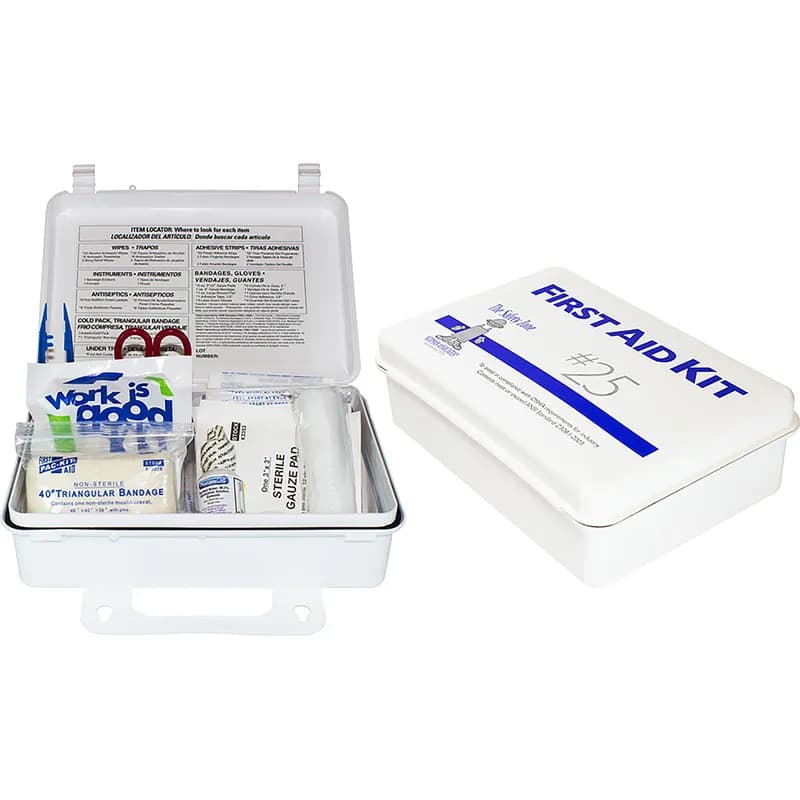
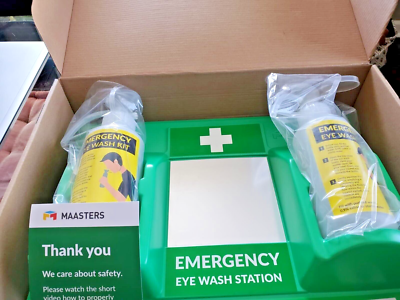 Portable home first aid kits should include at least 4oz of sterile eye wash solution for emergency flushing
Credit: www.ebay.com
Portable home first aid kits should include at least 4oz of sterile eye wash solution for emergency flushing
Credit: www.ebay.com
How to Choose the Right Eye Wash Solution for Your Needs
Not all eye wash solutions are created equal, and selecting the right type for your environment will drastically improve outcomes during an emergency. There are four primary categories of eye wash available for consumer and workplace use:
- Isotonic Saline Solution: 0.9% sodium chloride, formulated to match the eye’s natural pH and salt levels. It is the safest, most versatile option for flushing out dust, dirt, and non-corrosive chemicals, and is the standard choice for most home kits.
- Buffered Saline Solution: Contains pH-balancing additives that neutralize mild acidic or alkaline irritants, making it a better pick for households that use heavy cleaning supplies or for workshops with metalworking debris.
- Sterile Water for Irrigation: Only use if explicitly labeled for eye use, as regular sterile water lacks the electrolytes in saline and can cause stinging or irritation. It is not recommended for chemical exposure.
- Chemical Neutralizing Solutions: Formulated for specific industrial chemicals (e.g., hydrofluoric acid has a dedicated neutralizer), these are required for workplaces that handle hazardous materials, but are not necessary for general home use.
When selecting a solution, use this criteria checklist to ensure you pick a compliant, effective product:
| Selection Criteria | Why It Matters | 2026 Best Practice |
|---|---|---|
| Sterility | Prevents introduction of bacteria or pathogens to the injured eye | Look for sealed, single-use packets or bottles with a tamper-evident seal; replace opened bottles every 30 days |
| Expiration Date | Degraded solution can cause irritation or fail to flush out irritants effectively | Mark expiration dates on your kit inspection checklist; replace immediately if expired |
| Volume | Insufficient solution means you can’t flush for the full recommended 15 minutes | Home kits: minimum 4oz per eye wash bottle; workplace kits: minimum 1L per station per OSHA 1910.151(c) |
| Ease of Use | Panic can make fine motor skills difficult; you need a solution that works with one hand | Look for bottles with a controlled-flow nozzle that doesn’t require hard squeezing, and is easy to aim with one hand |
A common mistake when selecting eye wash is choosing a bottle with a hard-to-squeeze nozzle, which wastes precious seconds during an emergency. Opt for a controlled-flow design that works with one hand, even if you’re panicking.
 Buffered eye wash solutions maintain the eye's natural pH to reduce irritation after chemical exposure
Credit: www.imperialdade.com
Buffered eye wash solutions maintain the eye's natural pH to reduce irritation after chemical exposure
Credit: www.imperialdade.com
Step-by-Step Guide to Proper Eye Wash Usage
Even the highest-quality eye wash will fail if used incorrectly. Following proper technique ensures you flush out all harmful substances and minimize the risk of permanent damage. Follow these steps exactly during an eye emergency:
- Wash your hands with soap and water if possible before handling the eye wash bottle or touching the injured eye, to avoid introducing additional bacteria or irritants.
- Tilt the injured person’s head slightly back, with the affected eye facing downward to avoid flushing contaminants into the unaffected eye.
- Hold the eye wash bottle 1-2 inches from the eye, and press the nozzle gently to start a steady, low-pressure stream (high pressure from a hose or faucet can force debris deeper into the eye or damage the cornea).
- Instruct the person to hold their eye open by pulling the lower lid down and upper lid up, to ensure the solution reaches under the lids where debris often gets trapped.
- Flush continuously for a full 15 minutes for foreign objects or mild irritants, or 20 minutes for chemical splashes. In practice, many people underestimate how long 15 minutes of flushing feels — set a timer if possible, as stopping early leaves residual irritants that can cause ongoing damage.
- After flushing, pat the eye dry with a sterile gauze pad (never rub the eye), and seek immediate medical care if pain, blurred vision, or redness persists.
Common Mistakes to Avoid
- Using high-pressure streams from a hose or faucet, which can cause corneal damage
- Flushing for less than the recommended 15-20 minutes
- Using non-sterile tap water, homemade saline, or expired solution
- Rubbing the eye after flushing, which can cause corneal abrasions
Where to Place Your First Aid Kit With Eye Wash for Fast Access
A first aid kit is only useful if you can reach it in seconds during an emergency. Place your kit in these high-priority locations:
- Home: Kitchen (near cleaning supplies), garage/workshop (near tools, automotive fluids, and paint), bathroom (near cleaning products), and outdoor sheds. For full home preparedness, store your kit near your dry goods storage for quick access during power outages or natural disasters.
- Workplace: Within 10 seconds of travel distance of any chemical or debris hazard, per OSHA requirements. Kits must be clearly marked, unobstructed, and accessible to all employees without a key unless a supervisor is present to unlock it immediately.
- Vehicle: Keep a compact portable kit in your car’s trunk or glove compartment for roadside emergencies involving dust, debris, or chemical spills.
Maintaining Your First Aid Kit to Ensure Readiness
Even the best-stocked first aid kit will fail if supplies are expired or missing. Follow this maintenance schedule to keep your kit ready for any emergency:
- Monthly checks: Inspect all seals for breaks, confirm eye wash bottles are full and not leaking, check that instruction cards are legible, and restock any used supplies (bandages, gauze, etc.).
- Every 6 months: Check expiration dates on all perishable items (eye wash, antiseptic wipes, ointments). Replace eye wash immediately if it is past expiration, even if it looks clear — chemical degradation can make it ineffective or irritating. Mark the opening date on opened bottles with a permanent marker to track the 30-day replacement window.
- Annual full audit: Review your kit’s contents against current American Red Cross first aid recommendations or OSHA guidelines (for workplace use) to ensure you haven’t missed any critical items. If you store bulk non-perishable first aid supplies like gauze and bandages, use airtight bulk emergency storage to keep them dry and free from contamination.
Training and Compliance for Home and Workplace
Knowing how to use a first aid kit with eye wash is just as important as having one. Training ensures you and those around you can act quickly and confidently during an emergency, reducing the risk of permanent damage.
For home use, all household members over age 10 should know where the kit is stored, how to identify eye emergencies, and how to use eye wash correctly. Hold 10-minute practice drills every 6 months, simulating a chemical splash or foreign object in the eye, to build familiarity and reduce panic during real incidents.
For workplaces, compliance with safety rules is mandatory. As of 2026, OSHA’s 1910.151(c) standard requires employers to provide suitable eye flushing facilities within 10 seconds of travel distance for any area where corrosive materials are handled. Employers must also train all staff on proper eye wash usage during onboarding and annual refresher courses, and keep documentation of training and kit inspections for compliance audits. Non-compliance can result in significant financial penalties per OSHA's current enforcement guidelines. Full details on workplace first aid requirements, including eye wash station placement and maintenance rules, are available in OSHA's official first aid standard.
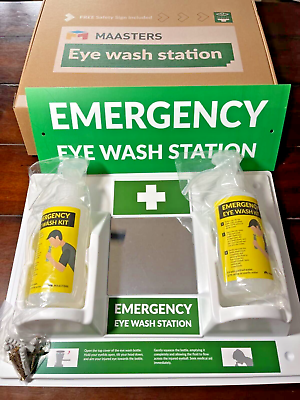
 Workplace eye wash kits must meet OSHA's requirement for 10-second access from chemical hazard zones
Credit: www.safetybuyer.com
Workplace eye wash kits must meet OSHA's requirement for 10-second access from chemical hazard zones
Credit: www.safetybuyer.com
Frequently Asked Questions
What items are required in a compliant first aid kit with eye wash?
A compliant kit (per American Red Cross and OSHA guidance) must include at least 4oz of sterile isotonic or buffered eye wash solution, sterile eye cups, non-adherent sterile gauze pads, adhesive tape, antiseptic wipes, medical gloves, and a printed eye emergency instruction card. For workplace kits handling corrosive chemicals, a minimum 1L gravity-fed eye wash station is required in addition to portable bottles.
How long should you flush an eye with eye wash?
For foreign objects or mild irritants, flush for a full 15 minutes, even if discomfort fades quickly. For chemical splashes, flush for a minimum of 20 minutes, and continue flushing until emergency responders arrive if the chemical is highly corrosive (e.g., drain cleaner, battery acid). Never flush for less than 15 minutes, as residual chemicals can continue to damage eye tissue.
Can I use tap water instead of sterile eye wash in an emergency?
Only if no sterile solution is available. Tap water can contain bacteria, amoebas, or chemical contaminants that increase the risk of serious eye infections like Acanthamoeba keratitis, which can cause permanent vision loss. If you must use tap water, use only filtered, cooled water, and flush for the full 15 minutes, then seek immediate medical care. Always prioritize sterile, labeled eye wash solution for routine use.
How often should I replace the eye wash in my first aid kit?
Unopened eye wash bottles have a shelf life of 2-3 years from the manufacture date, but once opened, they should be replaced every 30 days, as exposure to air and potential contamination reduces sterility. Mark the opening date on the bottle with a permanent marker to track replacement timelines. If the solution appears cloudy, discolored, or has particles floating in it, replace it immediately, even if it’s not yet expired.
Final Takeaways and Next Steps
A first aid kit with eye wash is one of the lowest-cost, highest-impact preparedness investments you can make for your home, workplace, or vehicle. Immediate eye flushing is the single most effective way to prevent permanent vision damage from chemical splashes, foreign debris, and other common eye hazards, and updated 2026 safety guidance from federal agencies and ophthalmology experts reinforces that having sterile solution on hand is non-negotiable.
Take 10 minutes this week to audit your existing first aid kit: confirm your eye wash is unexpired, add any missing specialized eye care supplies, and practice the proper flushing technique with your household or team. If you’re building a full emergency supply kit, pair your first aid kit with durable, airtight dry food storage solutions to keep non-perishable supplies fresh for months. For more home and workplace safety tips, browse our additional safety guides to stay prepared for any emergency.

I’m Abby Lu, a passionate home cook who loves simplifying everyday meals. At PlugChef.com, I share product reviews and cooking guides to help you find the best tools for your kitchen.
Related posts:
 Baked Salmon Fillets from Frozen: Quick, Easy, and Delicious Recipes
 Corn Oil And Canola Oil: Health Benefits Compared and Explained
 Easy Side Dishes for Ham: Quick, Tasty Recipes to Impress
 Instant Pot Birria Taco Recipe: Irresistible, Easy & Flavorful
 Mississippi Mud Pie Easy Recipe: Irresistibly Rich & Quick Delight
 Spicy Lentil Wrap Trader Joe’S: Deliciously Bold & Healthy Snack

