
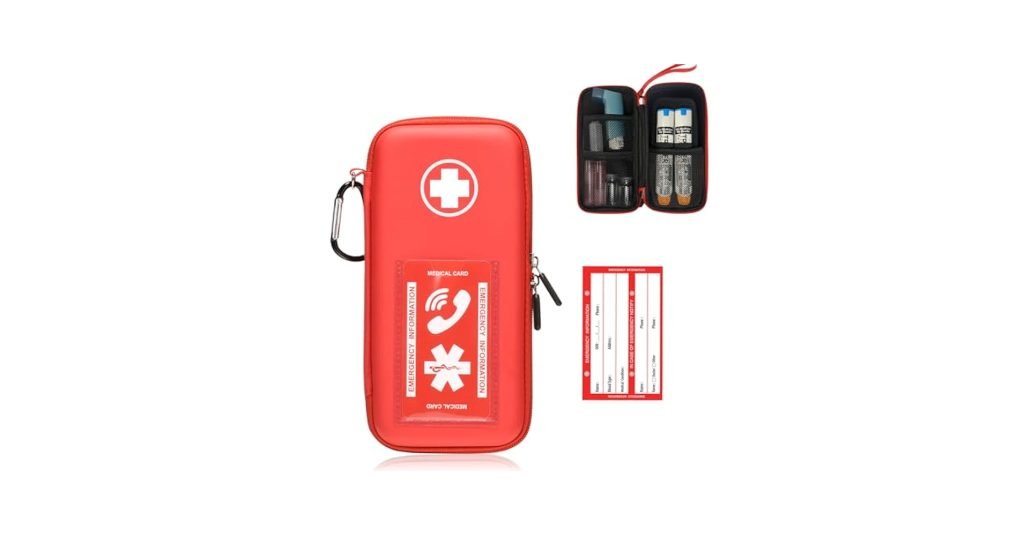
Imagine being prepared for emergencies where every second counts—especially if you or someone close to you has severe allergies. Having a first aid kit with an Epipen can make all the difference between panic and control.
This isn’t just about carrying supplies; it’s about having the right tools to act fast and save a life. If you want to feel confident and ready for unexpected allergic reactions, keep reading. You’ll discover why this combo is essential and how to choose the best kit for your needs.

Credit: www.twc.health
Why Carry An Epipen
Having an Epipen in your first aid kit can be a lifesaver. Allergic reactions can occur suddenly and severely, leaving little time to react. If you or someone close to you is at risk of anaphylaxis, carrying an Epipen is essential. It can mean the difference between life and death in an emergency. But why exactly should you carry an Epipen, and when should you use it?
Common Allergic Reactions
Allergic reactions can be triggered by various allergens such as food, insect stings, or medications. Symptoms can range from mild, like a rash or hives, to severe, such as difficulty breathing or swelling of the throat. Imagine eating a peanut butter cookie and suddenly feeling your throat tighten. That’s the kind of reaction where an Epipen becomes crucial.
Being prepared means recognizing the signs early. Do you know someone who gets itchy after eating shellfish? Understanding common allergic reactions can help you react swiftly and effectively.
When To Use An Epipen
Timing is everything when it comes to using an Epipen. Use it at the first sign of a severe allergic reaction. Rapid heartbeat, shortness of breath, or swelling are indicators that you should act immediately. Imagine you’re at a picnic and a friend starts gasping after a bee sting. That’s your cue to grab the Epipen.
Always follow up by calling emergency services after administering the Epipen. You might wonder, “Is one dose enough?” Remember, medical professionals can provide further treatment if needed.
.png)
Credit: www.eurekadirect.co.uk
Key Items In A First Aid Kit
Knowing what to keep in your first aid kit can make all the difference during an emergency. The right items help you act fast and with confidence. Let’s break down the essentials you need to handle common injuries and allergic reactions effectively.
Basic Medical Supplies
Your first aid kit should have supplies that cover everyday injuries. These include:
- Adhesive bandagesin various sizes to cover cuts and scrapes.
- Sterile gauze padsand medical tapefor larger wounds.
- Antiseptic wipesor solutions to clean wounds and prevent infection.
- Disposable glovesto keep things sanitary while treating injuries.
- Scissors and tweezersfor cutting tape or removing splinters.
- Pain relieverslike ibuprofen or acetaminophen.
These items form the backbone of your kit. Without them, even minor injuries can become serious. Have you checked your kit lately to replace used or expired items?
Specialized Allergy Essentials
If you or someone close to you has severe allergies, your first aid kit needs extra care. An Epipen(epinephrine auto-injector) is a must-have for anyone at risk of anaphylaxis.
- Keep at least one Epipen accessible and check the expiration date regularly.
- Include antihistamine tablets to manage milder allergic reactions.
- Add a medical alert cardor note specifying the allergy type and emergency instructions.
Have you ever thought about how quickly a severe allergic reaction can escalate? Carrying an Epipen could be life-saving. It’s not just about having it but knowing how and when to use it.
Choosing The Right Epipen
Choosing the right Epipen is essential for effective allergy emergency care. It ensures quick treatment and reduces risks during an allergic reaction. Picking the correct Epipen involves understanding dosage needs and how to store it properly. This section helps clarify those important points.
Dosage And Sizes
Epipens come in different doses for adults and children. The standard adult dose contains 0.3 mg of epinephrine. For children under 33 pounds, a 0.15 mg dose is recommended. Using the right size avoids underdosing or overdosing during emergencies.
Always consult a healthcare provider to confirm the correct dose. Carry the correct Epipen size in your first aid kit at all times. Replace it after use or if the dose does not match the patient’s weight.
Expiration And Storage Tips
Epipens expire after a certain period and lose effectiveness. Check the expiration date regularly and replace expired devices promptly. Keep the Epipen in its original case to protect it from light and moisture.
Store the Epipen at room temperature, between 68°F and 77°F (20°C and 25°C). Avoid freezing or exposing it to extreme heat. Carry the Epipen with you and do not leave it in a car for long periods.
How To Use An Epipen Safely
Using an Epipen safely is crucial during an allergic emergency. It delivers a fast dose of epinephrine to stop severe allergic reactions. Knowing how to use it correctly can save a life. Practice and calmness help in using the Epipen effectively. Keep the device ready and do not hesitate to use it when needed.
Step-by-step Injection Guide
- Remove the Epipen from its case.
- Hold the Epipen firmly with the orange tip pointing down.
- Remove the blue safety cap by pulling it straight off.
- Position the orange tip against the outer thigh.
- Push the Epipen hard until it clicks.
- Hold it in place for about 3 seconds.
- Remove the Epipen and massage the injection area for 10 seconds.
Aftercare And Emergency Steps
- Call emergency services immediately after use.
- Place the person in a safe position, lying down with legs raised.
- Watch for any changes in breathing or consciousness.
- Do not give food or drink if the person is unconscious.
- Use a second Epipen after 5 to 15 minutes if symptoms persist.
- Keep the used Epipen to show medical staff.
- Seek medical help even if symptoms improve.
Maintaining Your First Aid Kit
Maintaining your first aid kit with an Epipen is crucial to ensure it works effectively during emergencies. You might think once it’s packed, your job is done, but regular attention can make all the difference. Let’s dive into how you can keep your kit ready and reliable at all times.
Regular Checks And Replacements
Checking your first aid kit regularly prevents surprises when you need it most. Set a reminder to inspect the contents every few months, focusing on expiration dates—especially for the Epipen, which can expire faster than other supplies.
Look for any signs of damage or leakage in the Epipen and replace it immediately if you find any issues. Replace used or expired items promptly to keep your kit fully stocked. You don’t want to discover a missing bandage or an expired injector during a crisis.
Think about the last time you checked your kit—did you find anything that needed replacement? If not, that’s great, but don’t let that make you complacent. Regular checks are a small effort with a huge payoff.
Keeping It Accessible
Your first aid kit is only helpful if you can find it quickly. Store it in a consistent, easy-to-remember spot known to everyone in your household or workplace. Avoid hidden or hard-to-reach places that could delay urgent care.
Consider carrying a mini first aid kit with an Epipen if you or a loved one have severe allergies. Accessibility isn’t just about location but also about knowing how to use the contents. Practice using your Epipen trainer regularly to build confidence.
Ask yourself: if an allergic reaction happened right now, could you grab your first aid kit and Epipen within seconds? If the answer is no, it’s time to rethink your storage plan.

Credit: www.twc.health
First Aid Kit For Different Settings
A first aid kit with an Epipen is essential in many places. Different settings need different supplies. Knowing what to include helps prepare for allergic emergencies.
Each environment has unique risks. The kit must match these risks for best safety. Epipens are crucial for severe allergic reactions. They save lives by quickly delivering epinephrine.
Home And Travel Kits
At home, a first aid kit should cover common injuries and allergies. Include bandages, antiseptics, and the Epipen. Keep instructions clear for quick use. Travel kits need to be compact and portable. Add allergy medicine and Epipen for unknown environments. Pack items for insect bites, cuts, and stings.
- Bandages and antiseptics
- Epipen with clear instructions
- Allergy tablets
- Antihistamine cream
- Portable and lightweight container
Workplace And School Kits
Workplaces and schools must prepare for allergic reactions. Kits should include an Epipen and allergy care items. Train staff to use the Epipen properly. Label kits clearly and place them in visible spots. Regularly check and replace expired items. Schools often have children with allergies, making readiness vital.
- Epipen and allergy medications
- Gloves and face masks
- Instruction cards for emergencies
- Emergency contact information
- Regular maintenance and checks
Training And Awareness
Training and awareness are vital for using a first aid kit with an Epipen correctly. Knowing how to act fast can save a life during an allergic reaction. Many people feel unsure about handling emergencies, but proper training builds confidence. Understanding each step helps reduce panic and ensures quick, safe treatment.
First Aid And Epipen Training
Learning basic first aid is essential for everyone. It includes how to treat cuts, burns, and allergic reactions. Special training on Epipen use is important too. It teaches how to recognize severe allergies and when to inject the medication. Training often involves:
- Recognizing signs of anaphylaxis
- Proper Epipen injection technique
- Aftercare steps and emergency calls
- Safe disposal of used Epipens
Practice sessions with trainers or mannequins help build real skills. This hands-on experience prepares users for real emergencies.
Educating Family And Friends
Allergy sufferers should share their knowledge with loved ones. Family and friends must know how to use the Epipen. They should also learn to spot allergic reactions early. Educating others creates a safer environment for everyone. Simple talks or group training sessions work well. Reminders about carrying the first aid kit and Epipen are helpful too. This way, support is available anytime, anywhere.
Frequently Asked Questions
What Is A First Aid Kit With An Epipen?
A first aid kit with an Epipen includes emergency supplies and an Epipen for severe allergic reactions. It ensures quick treatment during anaphylaxis, saving lives by providing immediate epinephrine injection.
Who Should Carry A First Aid Kit With An Epipen?
People with severe allergies or a history of anaphylaxis must carry this kit. It offers quick access to epinephrine, preventing life-threatening allergic reactions.
How To Use An Epipen In A First Aid Kit?
Remove the safety cap, press the Epipen firmly against the outer thigh, and hold for 3 seconds. Then, seek emergency medical help immediately.
Can A First Aid Kit With An Epipen Be Used On Children?
Yes, there are pediatric Epipens designed for children. Always use the correct dosage and follow instructions carefully for safe administration.
Conclusion
A first aid kit with an EpiPen can save lives. It helps treat serious allergic reactions fast. Always keep your kit ready and check it often. Knowing how to use an EpiPen is very important. Stay calm and act quickly in an emergency.
Being prepared gives you peace of mind. Remember, quick action can make a big difference. Keep safety as your top priority every day.

I’m Abby Lu, a passionate home cook who loves simplifying everyday meals. At PlugChef.com, I share product reviews and cooking guides to help you find the best tools for your kitchen.
Related posts:
 What Type of Cooking Utensils are Safe: Expert Picks
 What Innovations Could Blenders Make: Unleashing Future Tech
 Smart Strategies to Organize a Small Kitchen: Maximize Space
 How to Organize a Kitchen Cabinet: Expert Tips & Tricks
 How to Organize Kitchen Drawers: Expert Tips and Tricks
 How to Organize a Corner Kitchen Cupboard: Expert Tips

