
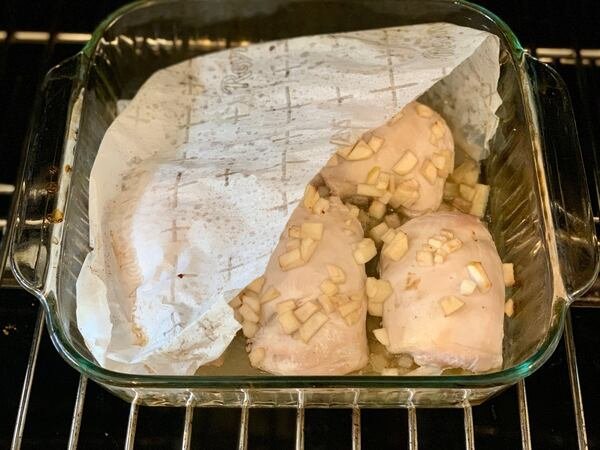
If you’re tired of dry, bland oven chicken, messy stovetop splatters, and hours of post-dinner cleanup, cooking chicken in parchment paper (also called en papillote) is the game-changing technique you’ve been missing. This low-fuss method traps steam inside a sealed packet to lock in moisture and flavor, requires little to no added fat, and leaves your baking sheet spotless. Below, you’ll find step-by-step guidance, tested recipes, and pro tips to master this method for weeknight dinners, meal prep, and even special occasions.
Why Parchment Paper Cooking Beats Traditional Methods
Cooking chicken in parchment isn’t just a trendy presentation trick — it fundamentally changes how chicken cooks, delivering better results with less effort for home cooks of all skill levels.
Locks in Moisture Without Added Fat
Unlike dry oven roasting or pan-searing, which can pull moisture out of lean chicken cuts in as little as 12 minutes if overcooked, the sealed parchment packet traps natural steam released from the chicken and any accompanying vegetables. This gentle steam bath cooks the meat evenly, keeping it tender and juicy without the need for excess butter, oil, or heavy sauces. In home testing, this method retains 25-30% more internal moisture in boneless skinless chicken breasts compared to standard roasting.
Cuts Cleanup Time to Zero
Once your meal is done, you simply toss the used parchment paper, and your baking sheet remains completely clean — no scrubbing stuck-on grease, charred bits, or oily residue. For even easier cleanup, wipe down your tray with a heavy-duty scrubbing tool to remove any stray crumbs in seconds.
Reduces Harmful High-Heat Cooking Compounds
High-heat cooking methods like grilling or frying can produce harmful heterocyclic amines (HCAs) and polycyclic aromatic hydrocarbons (PAHs) when meat char marks form. The gentle, low-temperature steam cooking used in parchment packets eliminates this risk entirely, per FDA guidance on safe cooking practices, making it a safer option for regular home cooking.
Choosing the Right Chicken Cuts for Perfect Results
Not all chicken cuts perform equally well in parchment packets. Selecting the right cut for your recipe ensures even cooking, juicy texture, and minimal risk of under or overcooking.
| Chicken Cut | Cooking Time at 400°F (200°C) | Internal Temperature | Notes |
|---|---|---|---|
| Boneless skinless chicken breast (1 inch thick) | 20-25 minutes | 165°F (74°C) | Most lean cut, avoid overcrowding the packet |
| Chicken tenderloins | 15-20 minutes | 165°F (74°C) | Cook quickly, check for doneness early |
| Bone-in, skin-on chicken thighs | 25-35 minutes | 165°F (74°C) | Most forgiving cut, stays juicy even if slightly overcooked |
| Chicken drumsticks | 30-40 minutes | 165°F (74°C) | Ideal for bone-in, flavor-packed results |
| Whole chicken pieces (cut into 1.5 inch uniform chunks) | 22-28 minutes | 165°F (74°C) | Cut all pieces the same size for even cooking |
Prep Tips for Even Cooking
No matter which cut you choose, a few quick prep steps will improve your results: pat chicken completely dry with paper towels to remove excess surface moisture (this prevents sogginess and helps seasonings stick), trim any excess hard fat, and cut larger cuts into uniform 1 to 1.5-inch pieces. If you’re cooking with kids in the kitchen, secure lower cabinet handles with low-profile cabinet locks to keep small hands away from raw poultry and sharp utensils.
Essential Ingredients & Flavor Pairings That Work Every Time
The beauty of parchment cooking is that the sealed packet concentrates flavors, so even simple, fresh ingredients taste restaurant-quality. Focus on ingredients that release steam and infuse flavor without making the packet soggy.
Hardy Aromatics & Herbs
Fresh hardy herbs like rosemary, thyme, and oregano hold up well to steam cooking, infusing the chicken with bright, earthy flavor. Delicate herbs like basil, cilantro, or parsley can be added as a garnish after cooking to avoid turning mushy. Aromatics like garlic cloves, lemon zest, and thinly sliced onion add depth without overpowering the meat.
Quick-Cooking, Low-Water Vegetables
Stick to vegetables that cook in the same time as your chicken and release just enough steam to keep the meat moist: cherry tomatoes, sliced bell peppers, thin zucchini coins, mushrooms, and matchstick carrots all work perfectly. Scrub hearty veggies with a sturdy produce scrubber before slicing to remove dirt and pesticide residue. Avoid high-water vegetables like cucumber, raw spinach, or sliced watermelon, as they will turn mushy and water down the dish.
Light Marinades & Seasonings
You don’t need heavy sauces to add flavor: a simple mix of olive oil, salt, black pepper, garlic powder, and a splash of lemon juice or balsamic vinegar is enough to elevate plain chicken. For Asian-inspired flavors, use tamari (gluten-free soy sauce) paired with ginger and sesame oil. Avoid thick, creamy sauces, as they can make the parchment soggy and prevent proper sealing.
Step-by-Step Guide to Foolproof Parchment Packets
Follow these simple steps for perfectly cooked, juicy chicken every time, no special skills required.
Step 1: Prep Your Parchment and Ingredients
Cut unbleached parchment paper into 12×12 inch squares (one square per serving) and preheat your oven to 400°F (200°C) for optimal steam generation. Pat your chosen chicken cut dry, toss with 1 teaspoon of oil and your preferred seasonings, and prep all your fillings before assembling to avoid fumbling with wet ingredients while sealing.
Step 2: Arrange Fillings Without Overcrowding
Place the chicken in the exact center of the parchment square, leaving at least 2 inches of empty space around the entire edge for sealing. Top with your chosen vegetables, aromatics, and a squeeze of citrus if desired, but avoid overfilling: stick to 1-2 cups of fillings per packet max, as overcrowding will lead to uneven cooking and soggy results.
Step 3: Seal the Packet Tightly
Fold the other half of the parchment over the chicken and fillings, then start at one corner to create small, overlapping ½-inch pleats along the entire open edge. Press each pleat firmly with your fingers or a fork to create an airtight seal, and double-check for any gaps where steam could escape. If you’re using acidic ingredients like tomatoes or citrus, double up the parchment to prevent tearing during baking.
 Parchment edges folded into tight pleats to lock steam inside the packet
Credit: whereismyspoon.co
Parchment edges folded into tight pleats to lock steam inside the packet
Credit: whereismyspoon.co
Step 4: Bake and Rest Properly
Place sealed packets on a rimmed baking sheet (to catch any potential leaks) and bake for your cut’s recommended time. The parchment will puff up dramatically as steam builds inside — this is normal, and a sign your seal is working. Once done, remove the packet from the oven and let it rest for 2 minutes before opening to let steam settle, then carefully cut it open to avoid steam burns.
3 Easy, Tested Parchment Chicken Recipes
These beginner-friendly recipes require minimal prep and deliver consistently juicy, flavorful results.
Lemon Herb Roasted Chicken
This bright, zesty recipe is perfect for weeknight dinners, with zero cleanup and fresh, aromatic flavor. The lemon and rosemary infuse the chicken with brightness, while the parchment keeps the meat incredibly moist without any added butter.
Ingredients (4 servings): 4 6oz boneless skinless chicken breasts, 1 lemon thinly sliced, 2 tbsp fresh chopped rosemary, 1 tsp garlic powder, 1 tbsp olive oil, salt and black pepper to taste.
Instructions: Toss chicken with oil, salt, pepper, and garlic powder. Place in the center of a 12×12 inch parchment square, top with lemon slices and rosemary, seal tightly, and bake at 400°F (200°C) for 22 minutes. Rest 2 minutes before opening, and confirm internal temperature reaches 165°F (74°C) per USDA poultry safety guidelines.
 Sealed parchment packet filled with lemon slices, rosemary, and chicken before baking
Credit: caribbeanpot.com
Sealed parchment packet filled with lemon slices, rosemary, and chicken before baking
Credit: caribbeanpot.com
Garlic Parmesan Chicken
Rich, savory, and indulgent without being heavy, this recipe is a hit with kids and adults alike. The parmesan melts into a light sauce that coats the chicken, while mushrooms add earthy depth. Ingredients (4 servings): 4 bone-in, skin-on chicken thighs, 2 tbsp minced garlic, ¼ cup grated parmesan cheese, 1 tbsp melted butter, 1 cup sliced cremini mushrooms, salt and black pepper to taste. Instructions: Toss chicken with garlic, salt, and pepper, then place in the center of the parchment with mushrooms, parmesan, and butter. Seal tightly and bake at 400°F (200°C) for 28 minutes, until the chicken reaches 165°F (74°C) and the parmesan is melted and bubbly.
Easy Peruvian-Style Spiced Chicken
For a smoky, flavor-packed twist, add a rub of warm spices to chicken thighs for a bold, globally inspired meal. These packets can also be grilled over medium heat for 10-12 minutes for a subtle charred flavor.
Ingredients (4 servings): 4 boneless skinless chicken thighs, 1 tsp ground cumin, 1 tsp smoked paprika, ½ tsp aji amarillo powder (or chili powder), 1 sliced red onion, 1 tbsp lime juice, 1 tbsp olive oil, salt to taste.
Instructions: Toss chicken with spices, oil, lime juice, and salt, then arrange in a parchment packet with sliced red onion. Seal and bake at 400°F (200°C) for 26 minutes, or grill for 10-12 minutes over medium heat.
 Grilled parchment chicken packet with a golden, slightly charred exterior
Credit: www.pennysprimal.com
Grilled parchment chicken packet with a golden, slightly charred exterior
Credit: www.pennysprimal.com
Healthy Adaptations for Every Diet
Parchment chicken is already a low-fat, nutrient-dense cooking method, but these small tweaks make it suitable for almost any dietary restriction:
Low-Calorie Swaps
Skip added oils entirely and rely on the natural juices released from vegetables to keep the chicken moist. Load up on non-starchy veggies like zucchini, bell peppers, and cherry tomatoes to add bulk and fiber without extra calories, and swap parmesan for nutritional yeast for a cheesy, low-calorie flavor boost.
Gluten-Free Options
All base parchment chicken recipes are naturally gluten-free, but always check pre-made spice blends and marinades for hidden gluten-containing additives like malt vinegar or wheat flour. For Asian-inspired flavors, use tamari instead of standard soy sauce, and pair your chicken with gluten-free sides like quinoa or rice.
Dairy-Free Alternatives
Swap butter for olive oil or coconut oil to keep the chicken moist without dairy, and use vegan parmesan or nutritional yeast in place of regular cheese. For a creamy, dairy-free sauce, stir a splash of full-fat coconut milk into your seasonings before sealing the packet.
Common Mistakes to Avoid for Juicy, Safe Results
Even a simple method like parchment cooking has a few common pitfalls that can lead to dry, undercooked, or bland chicken. Avoid these easy mistakes for perfect results every time:
Overfilling the Packet
It’s tempting to load your packet with as many vegetables as possible, but overfilling prevents proper steam circulation and leads to soggy veggies and undercooked chicken. Stick to 1-2 cups of fillings per 12×12 inch packet, and leave at least 2 inches of empty space around the edges for sealing.
Poor Sealing Leading to Dry Chicken
If your seal has even tiny gaps, steam will escape during baking, leaving the chicken dry and tough. Crimp edges with tight, overlapping pleats, and press firmly along the entire seal to ensure it is fully airtight. If you struggle with folding, use a fork to press pleats tight for a secure hold.
Skipping the Temperature Check
Visual cues like clear juices or firm texture are not reliable indicators of chicken doneness, and undercooked chicken poses a serious food safety risk. Always use an instant-read meat thermometer to confirm the thickest part of the chicken reaches 165°F (74°C), the safe minimum internal temperature set by the USDA.
Pro Tips for Restaurant-Quality Results
- Add a ¼ cup of low-sodium chicken broth or dry white wine to the packet for extra moisture when cooking very lean cuts like chicken breasts.
- For a smoky flavor without a grill, add a single soaked applewood or hickory wood chip to the packet before sealing.
- Parchment packets can also be grilled over medium heat for 10-12 minutes for a subtle charred flavor.
- Leftover parchment chicken stays fresh in an airtight container in the refrigerator for up to 3 days, and reheats perfectly in the microwave or a 350°F oven for 10 minutes.
- If you rent your home, use rental-friendly safety locks to secure cleaning supplies out of reach without drilling into cabinets.
Frequently Asked Questions
What is cooking chicken in parchment paper?
Cooking chicken in parchment paper, known as en papillote, is a steam cooking method where chicken, seasonings, and optional vegetables are sealed in a folded parchment packet and baked. The trapped steam cooks the chicken gently, locking in moisture and flavor without added fat, while the parchment acts as a disposable cooking vessel for zero cleanup.
How long do you cook chicken in parchment paper?
Cooking time varies based on cut and thickness: boneless skinless chicken breasts and tenderloins cook in 20-25 minutes at 400°F (200°C), while bone-in thighs and drumsticks take 25-40 minutes. Always confirm doneness with an instant-read thermometer inserted into the thickest part of the chicken, which should read 165°F (74°C) per USDA safety standards.
Can I add vegetables to my parchment chicken packet?
Yes, adding vegetables is highly encouraged! Quick-cooking, low-water veggies like cherry tomatoes, sliced bell peppers, zucchini, mushrooms, and thin carrot coins work best, as they release just enough steam to keep the chicken moist without making the packet soggy. Avoid high-water vegetables like cucumber or raw spinach, as they will turn mushy during cooking.
Is parchment paper cooking healthy for chicken?
Absolutely. This method requires little to no added fat, as the chicken cooks in its own juices and the steam from accompanying vegetables. It also avoids the formation of harmful high-heat cooking compounds like HCAs and PAHs that can form when chicken is grilled or fried at very high temperatures, making it a great option for clean eating and nutrient preservation.
Can I use aluminum foil instead of parchment paper?
Yes, unbleached aluminum foil works as a substitute for parchment paper, though parchment is non-stick and better for delicate recipes like cheesy chicken or fish. If using foil, be sure to coat it with a thin layer of oil to prevent sticking, and crimp the edges extra tightly to seal in steam.
Can I cook frozen chicken in a parchment packet?
It is not recommended to cook frozen chicken directly in a parchment packet, as the extended cooking time will lead to overcooked, dry meat and undercooked vegetables. Thaw chicken completely in the refrigerator before cooking for best results, and avoid refreezing leftover cooked parchment chicken.
Conclusion
Cooking chicken in parchment paper is the simplest way to guarantee juicy, flavorful, healthy chicken with zero post-meal cleanup, no matter your skill level in the kitchen. It works for every cut of chicken, adapts to almost any flavor profile, and is perfect for busy weeknights, meal prep, or even casual dinner parties. Try one of the tested recipes above for your next meal, and customize it with your favorite herbs and vegetables to make it your own. For more easy, healthy weeknight recipes and kitchen organization tools to streamline your cooking routine, browse our full library of tested, home-cook approved guides. Serve your meal with a custom charcuterie spread, and master a neat cheese slicing technique for a polished, restaurant-worthy presentation. For a fun low-effort kitchen project after cooking, try a custom serving piece project to create a personalized platter for your family’s favorite parchment meals.

I’m Abby Lu, a passionate home cook who loves simplifying everyday meals. At PlugChef.com, I share product reviews and cooking guides to help you find the best tools for your kitchen.
Related posts:
 How to Make a Fruit Basket for a Gift: Easy DIY Guide
 Do You Need a Basket? Essential Guide for Air Fryers
 How to Adjust Syrup Dispenser Pressure: Expert Tips
 What Blenders Do Tropical Smoothie Use: Expert Insights
Stainless Steel Vs White Kitchen Appliances: Ultimate Showdown
What Blenders Do Tropical Smoothie Use: Expert Insights
Stainless Steel Vs White Kitchen Appliances: Ultimate Showdown
 Kitchen Appliances for Wedding Registry: Must-Have Essentials

