
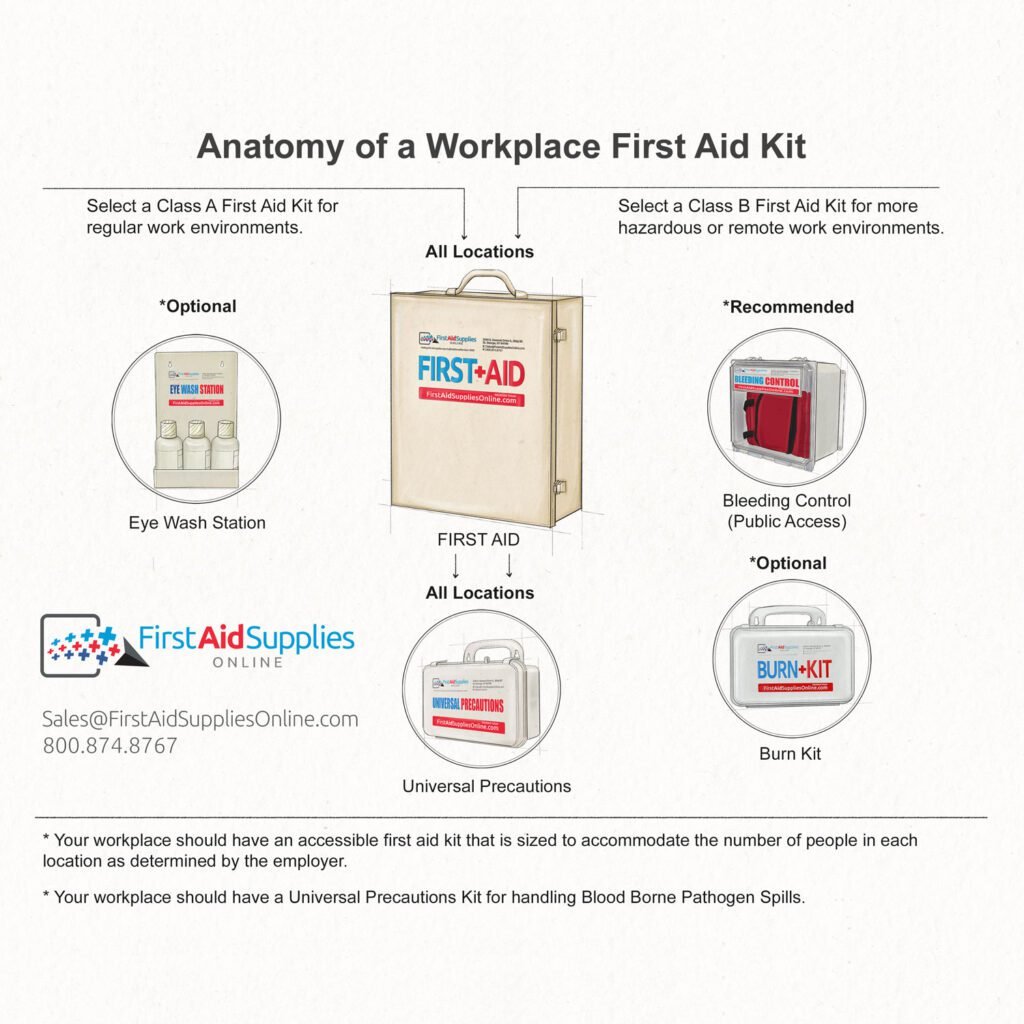
When it comes to safety, having the right first aid kit can make all the difference. But do you know what your ANSI Class A first aid kit really needs to include?
Understanding these requirements isn’t just about ticking a box—it’s about being ready when an accident happens. You’ll discover exactly what items are essential, why they matter, and how to keep your kit up to standard. By the end, you’ll feel confident that your first aid kit is fully equipped to protect you and those around you.
Keep reading to make sure you’re truly prepared.
Ansi Class A Kit Basics
Understanding the basics of an Ansi Class A First Aid Kit is essential. These kits are designed for workplaces with a low risk of injury. They provide a standard set of supplies for minor injuries. Knowing the essentials helps ensure safety and preparedness.
Kit Purpose And Use
An Ansi Class A Kit serves a vital role in first aid. It’s meant for treating common workplace injuries. Cuts, scrapes, and minor burns are examples. The kit includes items like bandages and antiseptic wipes. Its purpose is immediate care before professional help arrives. Using the kit correctly can prevent complications. It ensures quick response to injury situations.
Who Needs This Kit
Many workplaces require an Ansi Class A First Aid Kit. Offices, retail spaces, and small shops benefit from these kits. They are needed where the risk of serious injury is low. Employers must ensure these kits are accessible. It’s crucial for locations with a large number of people. Schools, libraries, and community centers also need them. Having the right supplies can make a big difference in emergencies.
Credit: rescue-essentials.com
Required Supplies
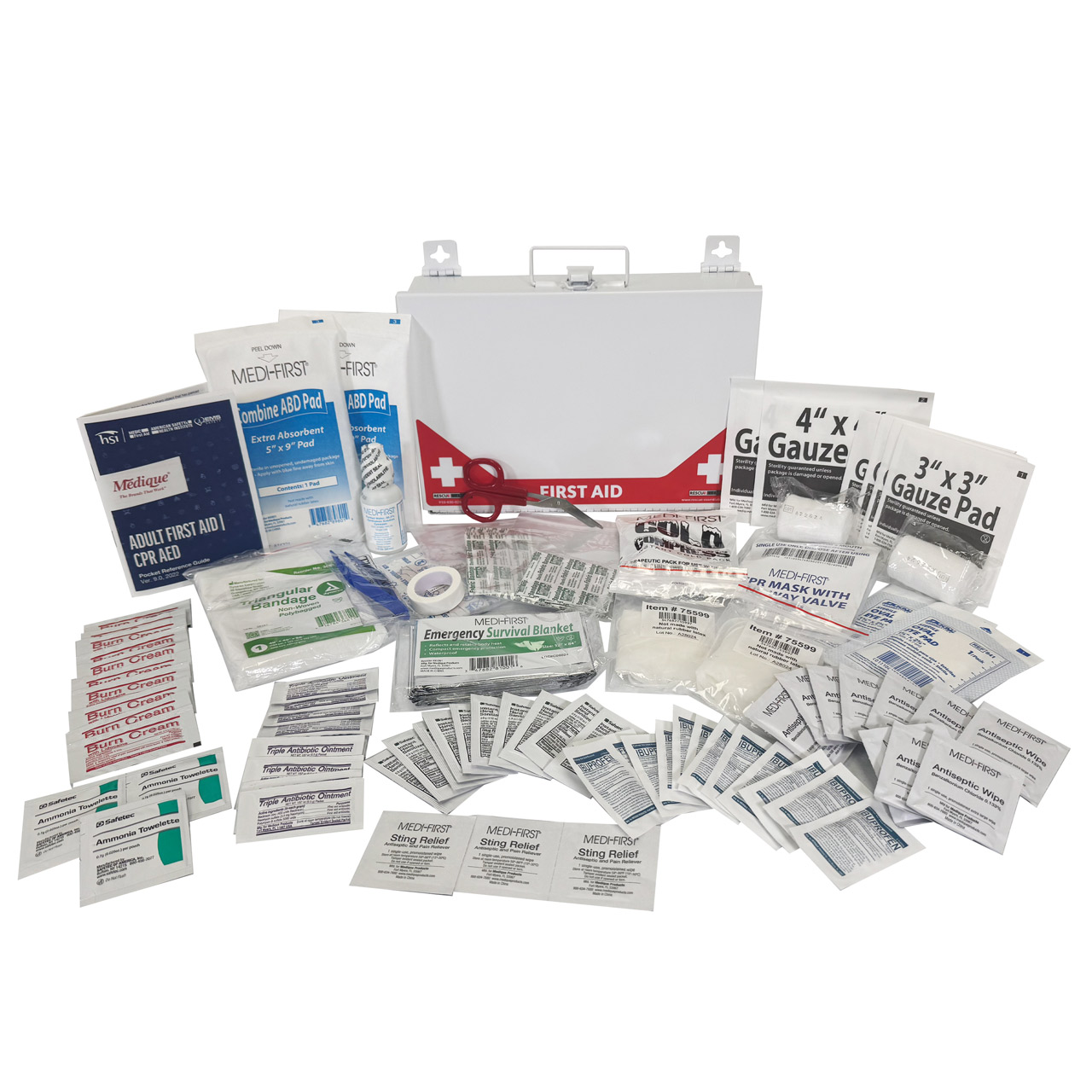
Knowing the required supplies for an ANSI Class A First Aid Kit can make a real difference during emergencies. These kits are designed to cover the basics and ensure you have the right items at hand. The supplies focus on quick, effective treatment for common injuries.
Bandages And Dressings
Bandages and dressings are the backbone of any first aid kit. You need a variety of sizes, from small adhesive strips to larger gauze pads, to handle cuts and scrapes of different severity.
Including sterile gauze pads helps control bleeding and protect wounds from infection. Elastic bandages are also essential—they support sprains and strains, helping reduce swelling.
Have you ever tried to use a bandage that was too small or not sticky enough? It can waste precious time and cause frustration when every second counts.
Antiseptic Treatments
Antiseptic treatments prevent infections, which can complicate even minor injuries. Your kit should have antiseptic wipes or towelettes that are easy to carry and use quickly.
Adding antibiotic ointment can speed up healing and reduce the risk of infection. Some kits also include burn cream or sprays, which are crucial for treating minor burns right away.
Think about the last time you got a cut and didn’t clean it properly. How much longer did it take to heal, or did it get infected? Having antiseptic treatments ready avoids this problem.
Tools And Accessories
Basic tools like scissors, tweezers, and safety pins are often overlooked but indispensable. Scissors help cut bandages or clothing, while tweezers remove splinters or debris from wounds.
Including disposable gloves protects both you and the injured person from cross-contamination. A CPR face shield or mask is also a smart addition, enabling you to perform resuscitation safely.
Do you know where your kit’s tools are during an emergency? Organizing these accessories so they are easy to find can save critical time when you need them most.
Kit Size And Quantity Rules
ANSI Class A first aid kits must meet specific size and quantity rules. These rules ensure the kit contains enough supplies for minor injuries at the workplace. The size and number of items depend on the number of employees and the type of hazards present.
Meeting these requirements helps maintain safety and compliance with regulations. It also ensures quick and effective response to injuries.
Minimum Item Counts
Each ANSI Class A first aid kit has a fixed list of minimum items. The list includes bandages, antiseptics, and wound dressings. The quantity of each item is set to cover common workplace injuries.
For example, a basic Class A kit must contain at least:
- 16 adhesive bandages (1 inch x 3 inches)
- 4 sterile gauze pads (3 inches x 3 inches)
- 2 rolls of adhesive tape (1 inch x 10 yards)
- 4 antiseptic wipes
- 1 pair of scissors
The exact counts depend on the kit size and the number of workers. Larger workplaces require kits with more supplies.
Refill Guidelines
Refilling ANSI Class A kits must follow strict guidelines. Supplies should be replaced as soon as items are used or expired. Regular checks keep the kit ready for emergencies.
Use only approved products that meet ANSI standards. Do not add personal or non-approved items to the kit. Keep the kit organized and clean to find items quickly.
Document each refill to track usage and maintain compliance. Frequent inspection ensures the kit always meets minimum requirements.

Credit: www.ishn.com
Maintenance And Inspection
Keeping your ANSI Class A First Aid Kit in top shape is essential for safety and compliance. Regular maintenance and inspection ensure that every item is ready to use when you need it most. Neglecting this can mean discovering expired supplies or missing tools during an emergency, which could cost valuable time and even lives.
Regular Checkups
Set a schedule to inspect your first aid kit at least once a month. During these checkups, look for damaged, used, or missing items. Make it a habit to shake out the contents to spot anything out of place or expired quickly.
Ask yourself: Is everything organized and easy to access? When was the last time you restocked? A well-organized kit saves precious seconds in an emergency.
Expiration And Replacement
Supplies like antiseptic wipes, ointments, and adhesive bandages have expiration dates. Using expired products might reduce their effectiveness or even cause harm. Always check expiration dates and replace items before they expire.
Keep a simple log or checklist to track item expiration and replacement dates. It’s easier to update your kit regularly than to scramble for supplies when an accident happens. Have you ever found a crucial item expired right when you needed it? That experience alone shows why timely replacement matters.
Compliance Tips
Meeting ANSI Class A First Aid Kit requirements is not just about having the right supplies—it’s about ensuring those supplies are effective and ready when needed. Staying compliant involves more than checking a list; it requires attention to detail and ongoing care. Here are key compliance tips to help you avoid common pitfalls and maximize your kit’s usefulness.
Common Mistakes To Avoid
Many workplaces assume that once a first aid kit is stocked, the job is done. This leads to expired items being left unnoticed, which can jeopardize safety. Regularly check expiration dates and replace used or outdated materials promptly.
Another frequent error is using kits that don’t match the specific workplace hazards or size. For instance, a small office may need different supplies compared to a construction site. Customize your kit to suit your environment’s unique risks and number of employees.
Failing to clearly label the kit’s location is a simple but costly mistake. If employees can’t find the kit quickly during an emergency, valuable time is lost. Place kits in visible, accessible spots and communicate their locations clearly to everyone.
Training And Usage
Having a fully stocked kit won’t help if no one knows how to use its contents. Conduct regular training sessions so your team feels confident handling basic first aid situations. Hands-on practice makes a big difference in emergency readiness.
Consider appointing designated first aid responders who receive more in-depth training. This ensures someone knowledgeable is always available to assist. Encourage everyone to report kit usage immediately to ensure supplies are replenished without delay.
Ask yourself: how often do you review your first aid procedures? Regular drills and refresher courses keep skills sharp and compliance intact. Investing time in training can save lives and reduce workplace injuries.

Credit: certifiedsafetymfg.com
Where To Buy And Approvals
Knowing where to buy an ANSI Class A first aid kit and understanding its approval standards is essential to ensure you get a reliable and compliant product. Not all first aid kits are created equal, and buying from the right sources can save you time, money, and potential compliance headaches. Let’s break down how to find certified suppliers and recognize proper labeling and certification marks.
Certified Suppliers
Choosing a certified supplier guarantees you receive a first aid kit that meets ANSI Class A requirements. Look for vendors who specialize in workplace safety equipment and have clear documentation of compliance.
Many certified suppliers offer kits that are ready to use and regularly updated according to OSHA and ANSI standards. You can often find these suppliers through:
- Official safety equipment distributors
- Online marketplaces with verified seller credentials
- Local industrial supply stores with safety certifications
Have you ever bought a kit only to find it missing essential items? Buying from certified suppliers reduces this risk significantly.
Labeling And Certification Marks
When inspecting a first aid kit, proper labeling is your first clue that it meets ANSI Class A standards. The label should clearly state compliance with ANSI Z308.1-2021 or the latest ANSI standard.
Certification marks from recognized organizations add an extra layer of trust. Look for marks like:
- ANSI certification logo
- OSHA compliance statement
- Manufacturing date and expiration details
Labels often include a detailed list of contents, helping you quickly verify if the kit has what your workplace needs. Have you ever checked a kit’s label only to find expired or missing items? That’s a red flag you want to avoid.
Frequently Asked Questions
What Are Ansi Class A First Aid Kit Requirements?
ANSI Class A kits must include supplies for common workplace injuries. They typically contain bandages, antiseptics, scissors, and gloves. The kit should comply with ANSI Z308. 1 standards ensuring adequate quantity and quality for low-risk environments.
How Often Should Ansi Class A Kits Be Inspected?
ANSI Class A kits must be inspected monthly. Regular checks ensure supplies are available, unexpired, and in good condition. This helps maintain readiness for emergencies and complies with OSHA and ANSI guidelines.
Can Ansi Class A Kits Be Customized?
Yes, ANSI Class A kits can be customized. Employers may add items based on specific workplace hazards. However, the minimum ANSI-required items must always be included to meet compliance standards.
Where Should Ansi Class A First Aid Kits Be Placed?
Kits should be easily accessible and visible in the workplace. Common locations include break rooms, near machinery, or high-risk areas. Proper placement ensures quick access during emergencies.
Conclusion
ANSI Class A first aid kits meet basic safety needs at work. They contain essential items to treat minor injuries quickly. Keeping a kit ready helps prevent small problems from getting worse. Check your kit often to replace used or expired supplies.
Following ANSI standards ensures your kit has the right tools. Safety starts with preparation and knowing what to expect. Stay safe by having a proper first aid kit nearby. It’s a simple step that protects everyone around you.

I’m Abby Lu, a passionate home cook who loves simplifying everyday meals. At PlugChef.com, I share product reviews and cooking guides to help you find the best tools for your kitchen.
Related posts:
 What Type of Cooking Utensils are Safe: Expert Picks
 What Innovations Could Blenders Make: Unleashing Future Tech
 Smart Strategies to Organize a Small Kitchen: Maximize Space
 How to Organize a Kitchen Cabinet: Expert Tips & Tricks
 How to Organize Kitchen Drawers: Expert Tips and Tricks
 How to Organize a Corner Kitchen Cupboard: Expert Tips

