
When it comes to kitchen hygiene, few things are as crucial as storing your clean cutting board correctly. You use it every day to prepare meals, but have you ever wondered if you’re storing it in the safest way possible?
Your cutting board’s cleanliness directly impacts your food’s safety, and improper storage can lead to bacteria buildup and cross-contamination. Imagine the peace of mind knowing your cutting board is in the best possible spot, maintaining its cleanliness and longevity. This article will guide you through the best practices for storing your cutting board safely and efficiently.
Keep reading to discover the simple steps that can transform your kitchen into a safer space for you and your loved ones.

Credit: www.amazon.com
Choosing The Right Storage Spot
Select a dry, cool place to store your clean cutting board. Keep it upright to ensure air circulation. Avoid damp areas to prevent bacteria growth and maintain hygiene.
Choosing the right storage spot for your clean cutting board is essential. It helps maintain hygiene and extends its life. A proper place ensures your board stays dry and free from contaminants. Let’s explore the best places to store your cutting board safely.Avoid Damp Areas
Damp areas can harbor bacteria and mold. These can transfer to your cutting board. Avoid storing your board near sinks or other wet spots. Keep it in a dry, well-ventilated area. This prevents moisture buildup. Your board stays clean and safe.Consider Kitchen Layout
Your kitchen layout plays a crucial role. Place your cutting board within easy reach. This ensures convenience during meal prep. Store it vertically to save space. Make sure the spot is away from heat sources. Heat can warp or damage the board. Choose a location that complements your cooking workflow. A well-chosen spot enhances efficiency and safety. Prioritize easy access and cleanliness. Your cutting board storage should blend seamlessly into your kitchen routine.Vertical Storage Solutions
Storing your cutting boards vertically is a game-changer. It saves space and keeps your kitchen looking neat. But how can you do it safely? Let’s dive into some solutions that are both practical and stylish.
Using Racks
Racks are a simple way to keep your cutting boards organized. They offer easy access and use minimal space. Have you ever thought about using a dish drying rack for your cutting boards? It works wonders. Just slide your boards into the slots, and they stay upright. This method not only saves counter space but also lets the boards air dry, reducing the risk of bacteria buildup.
Consider investing in a rack designed specifically for cutting boards. These racks often come with protective padding to prevent scratches. They can fit inside a cabinet or sit on your counter, keeping your kitchen tidy.
Wall-mounted Holders
Imagine having your cutting boards hanging on the wall like art pieces. Wall-mounted holders make this possible. They’re perfect if you’re short on counter or cabinet space. These holders keep your boards off surfaces, making cleaning a breeze.
Choose holders that match your kitchen decor. Stainless steel or wood holders add a modern touch. Installing them is usually straightforward. A few screws and you’re set. You’ll find it handy to have your cutting board right where you need it. Plus, it adds a unique aesthetic to your kitchen.
Have you ever tried a vertical storage solution for your cutting boards? It’s a small change with a big impact. You might find yourself enjoying the newfound space and efficiency in your kitchen. Wouldn’t it be nice to have a cleaner, more organized space to cook your favorite meals?
Horizontal Storage Options
Storing cutting boards safely is essential. Horizontal storage options provide great solutions. These options keep your boards flat and secure. The right storage keeps them clean and ready for use.
Cabinet Shelving
Cabinet shelving offers spacious storage. Place cutting boards flat on shelves. This method avoids stacking and bending. It keeps boards accessible and organized. Ensure shelves are dry to prevent moisture damage.
Drawer Inserts
Drawer inserts provide compact storage. Custom inserts fit cutting boards perfectly. They keep boards horizontal and stable. Inserts prevent sliding and scratching. This option maintains kitchen tidiness and board safety.
Credit: www.amazon.com
Hygiene Considerations
Storing a clean cutting board safely prevents contamination. Place it in a dry, dedicated space in your kitchen. Ensure it’s upright to allow air circulation and avoid moisture buildup.
When thinking about where to store your clean cutting board, hygiene is a top priority. Cutting boards come into direct contact with the food you eat, so keeping them hygienic is crucial to prevent foodborne illnesses. Proper storage ensures that your cutting board stays clean and ready for use whenever you need it.Proper Airflow
Airflow plays a vital role in maintaining the cleanliness of your cutting board. Storing your board in a damp, enclosed space can invite mold and bacteria. Instead, place it in a well-ventilated area. Think about using a rack that allows air to circulate around the board. This prevents moisture build-up, keeping your board dry and sanitary. If you have a drying rack on your counter, it can double as a perfect spot to store your cutting board.Regular Cleaning
Cleaning your cutting board regularly is non-negotiable. Even if it looks clean, bacteria can linger on the surface. Make it a habit to wash your board after every use. Use hot, soapy water and a scrub brush to remove food particles and germs. For a deeper clean, you can occasionally use white vinegar or lemon juice. These natural cleaners can help disinfect without leaving harmful residues. Have you ever noticed your cutting board retaining odors? Regular cleaning helps prevent this, ensuring your board is always fresh for the next meal. By considering these hygiene factors, you ensure that every meal you prepare is safe and healthy. Where do you store your cutting board? Is it time to rethink its place in your kitchen for better hygiene?Materials Impact On Storage
The materials of your cutting board significantly impact how and where you should store it. Different materials offer unique benefits and challenges when it comes to cleanliness and longevity. Understanding these differences can help you make the best choice for your kitchen space.
Wooden Boards
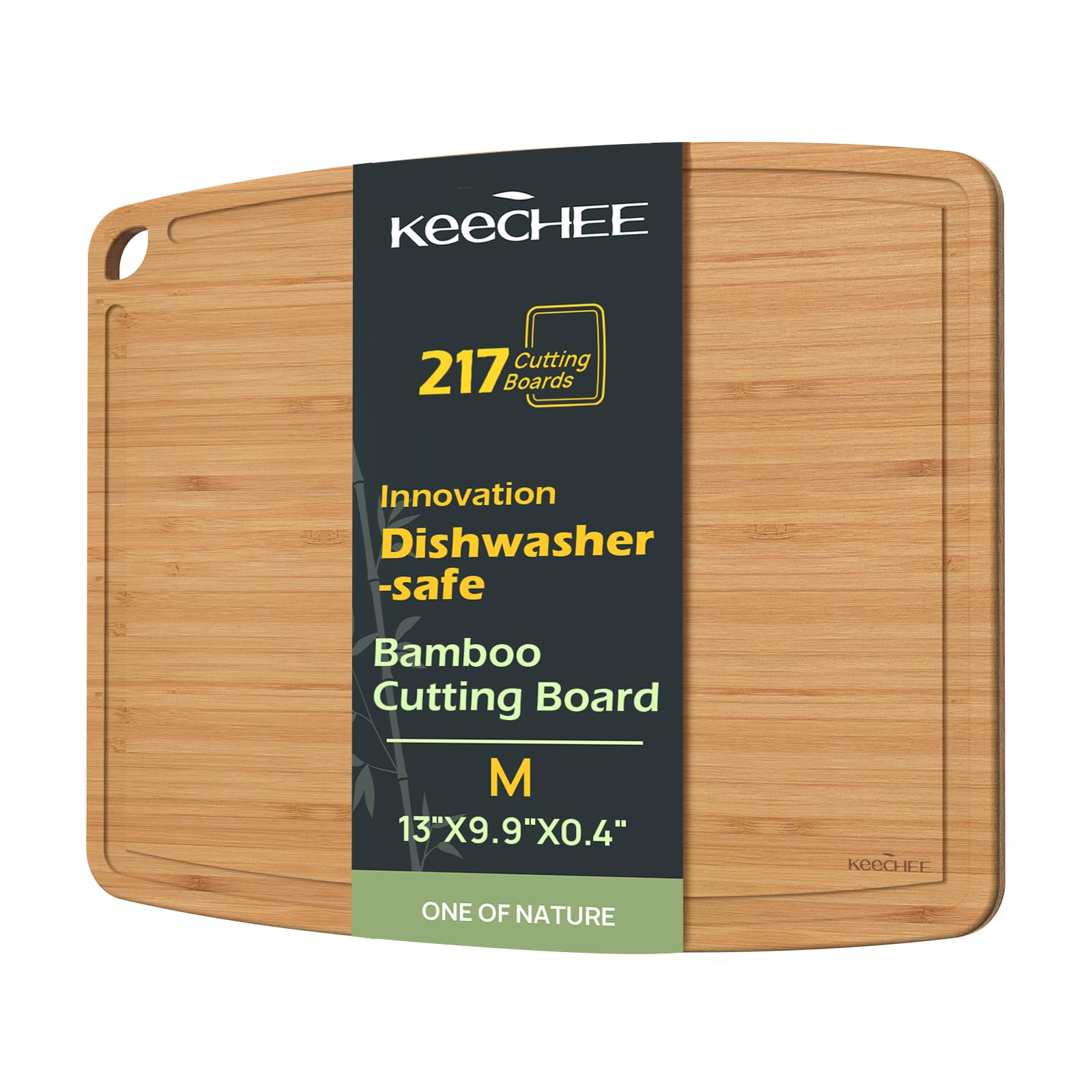
Wooden cutting boards are a classic choice, often praised for their durability and natural antibacterial properties. However, they require careful storage to prevent warping and maintain hygiene. Store wooden boards upright to ensure air circulation, allowing them to dry completely after each use.
Keeping them away from direct sunlight and heat sources is crucial. You might recall that time you left your wooden board near the stove, and it developed a slight curve. To avoid this, consider using a dedicated rack or a slot in your kitchen cabinet.
Plastic And Glass Boards
Plastic and glass boards offer convenience with their ease of cleaning and low maintenance. Yet, they can be more susceptible to scratches and cracks, which can harbor bacteria. When storing these boards, ensure they’re not in contact with heavy or sharp objects.
Stacking plastic boards horizontally is a practical option, but be cautious about stacking glass boards as they can break. You might wonder if glass boards are worth the risk, but their non-porous surface can be a major advantage in terms of cleanliness.
As you consider the best storage options for your cutting boards, reflect on your past experiences and current needs. Does the ease of cleaning matter more to you, or is the natural look of wood your priority? Making the right choice can enhance both the functionality and aesthetic of your kitchen.

Credit: www.firstforwomen.com
Tips For Small Kitchens
Store clean cutting boards upright in a rack to save space. Ensure they are dry before storing. Keep them away from raw food to prevent contamination.
Keeping a small kitchen organized can be a challenge, especially when it comes to storing essential items like cutting boards. With limited counter and cabinet space, how do you find the perfect spot for them? Here are some tips that can help you safely store your clean cutting boards, ensuring they remain hygienic and easily accessible, even in a compact kitchen.Space-saving Ideas
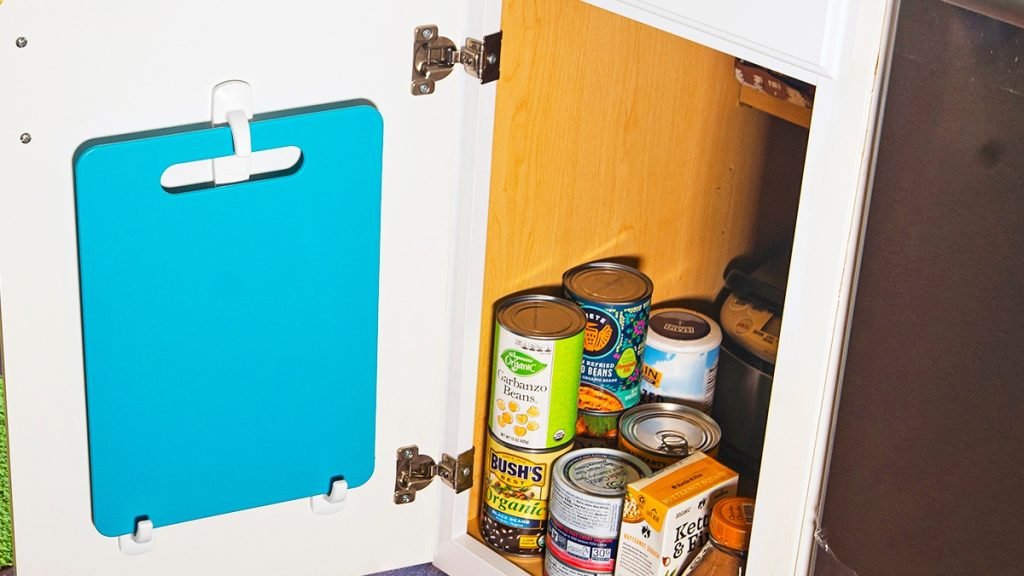
Maximize your vertical space. Utilize wall-mounted racks or pegboards to hang your cutting boards. This method keeps them off the counter and makes it easy to grab one when needed. Consider using the inside of your cabinet doors. Installing a shallow rack or hooks can provide an out-of-the-way storage solution that doesn’t require additional floor or counter space. Stack cutting boards of different sizes in a designated drawer. Place a non-slip liner at the bottom to keep them from shifting when you open the drawer. This keeps them organized and out of sight, yet within arm’s reach.Innovative Storage Hacks
Make use of a magazine holder. Attach a sturdy magazine rack to the inside of a cabinet door or on the side of a cabinet to store cutting boards upright. This unexpected solution keeps them organized without taking up much room. If you have a narrow gap between your fridge and the wall, consider it a storage opportunity. Slide a thin, vertical storage cart into this space and use it to house your cutting boards along with other slim kitchen items. A pot rack isn’t just for pots. Hang a few S-hooks from an overhead pot rack and suspend your cutting boards there. This not only saves cabinet space but also adds a rustic touch to your kitchen décor. How do these tips align with your small kitchen setup? Implementing just one or two of these solutions could make a significant difference in your space. Remember, creativity is key when tackling storage challenges in a small kitchen.Frequently Asked Questions
Where And How Should Clean Chopping Boards Be Stored?
Store clean chopping boards in a dry, upright position to prevent moisture buildup. Use a dedicated rack for organization. Ensure they are fully dry before storing to avoid mold. Keep them away from direct sunlight and heat sources for longevity.
Regularly sanitize storage areas to maintain cleanliness.
How Do You Store Your Cutting Board?
Store your cutting board upright in a dry, ventilated area. Ensure it is clean and fully dry before storing. Avoid direct sunlight or heat sources to prevent warping. Use a rack or stand to maintain airflow around the board, helping it stay in good condition and prolong its lifespan.
Where Can You Safely Store Clean Cutting Boards Brainly?
Store clean cutting boards in a dry, ventilated cabinet or on a dedicated rack. Ensure they are upright to prevent moisture buildup. Avoid stacking them to maintain hygiene and longevity.
How To Clean, Sanitize, And Store Cutting Board?
Clean with hot soapy water. Sanitize using a bleach solution or white vinegar. Air dry completely. Store vertically in a dry area to prevent moisture buildup. Regularly oil wooden boards to maintain quality.
Conclusion
Storing your cutting board safely keeps your kitchen clean and organized. Choose a dry place away from heat to prevent damage. A designated shelf or rack works great. This prevents contamination and bacteria growth. Proper storage extends the life of your cutting board.
It also ensures food safety for your meals. Regular cleaning and good storage habits are key. Keep your kitchen efficient and safe. Your cutting board deserves a secure spot. Prioritize hygiene and organization. Enjoy cooking without worry!

Hi, I’m Daniel Brooks—a food lover and kitchen gear enthusiast. I enjoy testing cookware, utensils, and gadgets to see what really works in everyday cooking. At PlugChef.com, I share honest reviews, comparisons, and simple guides to help you choose the best tools for a safer, smarter, and more enjoyable kitchen.
Related posts:
 What Type of Cooking Utensils are Safe: Expert Picks
 What Innovations Could Blenders Make: Unleashing Future Tech
 Smart Strategies to Organize a Small Kitchen: Maximize Space
 How to Organize a Kitchen Cabinet: Expert Tips & Tricks
 How to Organize Kitchen Drawers: Expert Tips and Tricks
 How to Organize a Corner Kitchen Cupboard: Expert Tips

