
Imagine you’re in the kitchen, about to whip up a delicious meal. You’ve got your ingredients ready, but you need that essential tool to strain your pasta or rinse your veggies.
Enter the colander, a humble yet indispensable kitchen companion. You might be surprised to learn just how versatile this simple tool can be. Have you ever wondered what else it can do besides draining water? Discover the many uses of colanders that can make your culinary adventures easier and more efficient.
Whether you’re a seasoned chef or a cooking novice, knowing how to utilize a colander can transform your kitchen experience. Keep reading to uncover the practical secrets of this everyday tool and see how it can simplify your cooking routine.
Credit: prochefkitchentools.com
Types Of Colanders
Colanders are a staple in any kitchen, indispensable for draining pasta, rinsing fruits, and much more. But did you know there are different types of colanders that can make your culinary tasks easier and more efficient? Each type has its unique features, and choosing the right one can enhance your cooking experience. Let’s dive into the world of colanders and explore the options available.
Metal Colanders
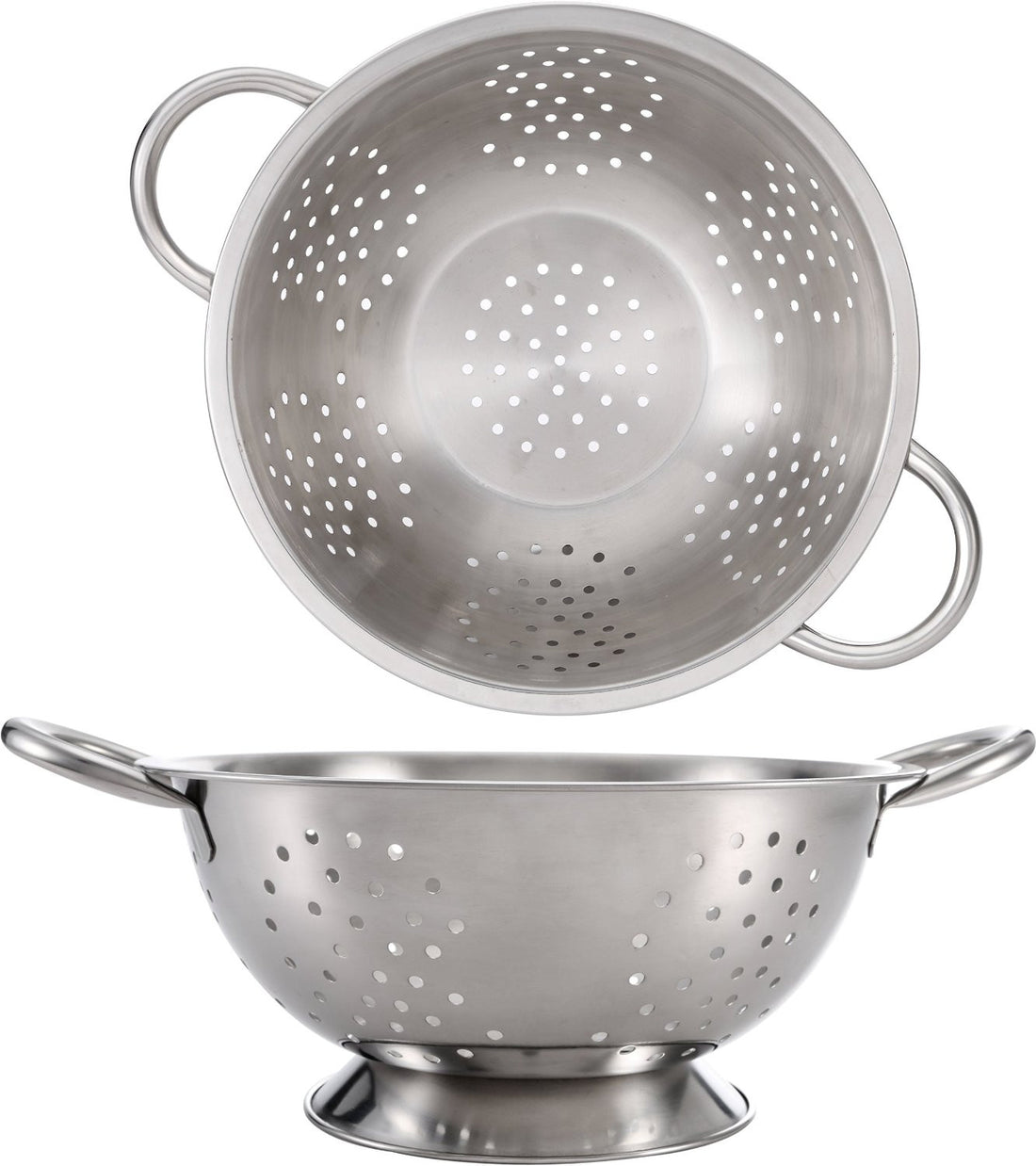
Metal colanders are the workhorses of the kitchen. Typically made from stainless steel, they are durable and resistant to rust. Metal colanders are perfect for draining hot items because they won’t warp or melt. Their sturdy construction also means they can handle heavier foods, like potatoes or large batches of pasta.
Imagine yourself cooking a family-sized spaghetti dinner. A metal colander effortlessly supports the weight of the pasta without bending or tipping over. It’s a reliable choice if you often cook large meals.
Plastic Colanders
Plastic colanders come in a variety of colors and sizes, adding a splash of personality to your kitchen. They are lightweight and easy to handle, making them ideal for quick tasks like rinsing berries or leafy greens. However, they may not withstand high heat as well as metal colanders.
Consider your daily cooking routine. If you’re mostly preparing cold dishes or salads, a plastic colander can be a convenient option. They’re also great if you’re teaching kids to cook, as they’re light and easy to hold.
Silicone Colanders
Silicone colanders are the versatile champions. Flexible and often collapsible, they save space in crowded kitchens. They’re heat-resistant, making them suitable for a range of tasks from blanching vegetables to straining soups.
Think about the space in your kitchen. If storage is a challenge, a silicone colander can be a lifesaver. Picture yourself folding it flat and tucking it away neatly, leaving room for other tools. They’re an excellent choice for apartment dwellers or those with limited kitchen space.
With so many options, which type of colander speaks to your cooking style? Whether you prioritize durability, color, or space-saving, there’s a colander out there that fits your needs perfectly. Making the right choice can transform mundane kitchen tasks into effortless and enjoyable experiences.
Primary Uses
Colanders are essential in any kitchen. Their primary role is draining and rinsing food items. They help ensure food is clean and ready for cooking or serving. Their design allows water to flow through while holding the food. This makes them perfect for several tasks. Below are some primary uses of colanders in everyday cooking.
Draining Pasta
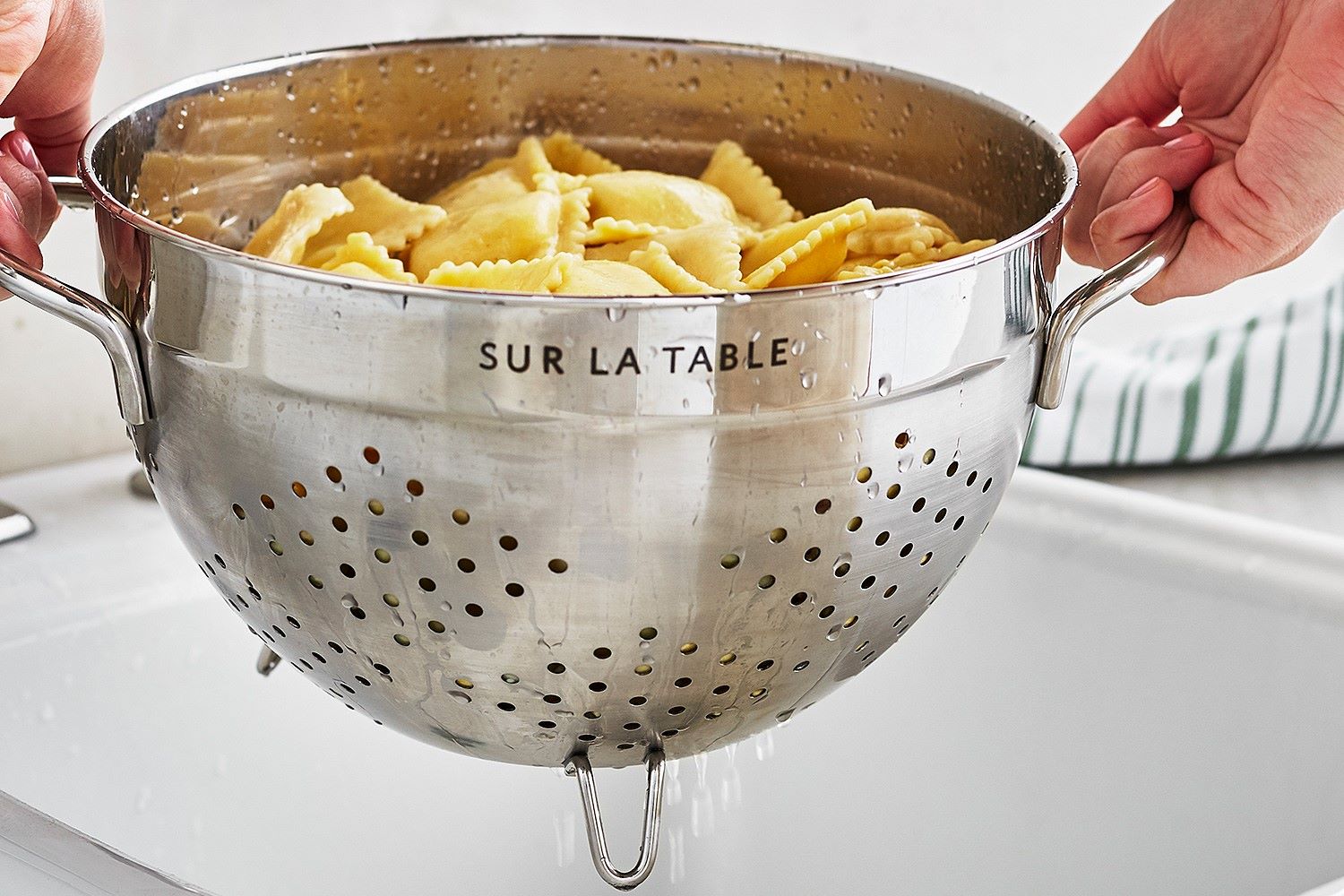
Boiled pasta requires thorough draining. A colander is ideal for this task. After cooking, pour pasta into the colander. The holes let the water escape quickly. This prevents soggy pasta. Enjoy perfectly drained pasta every time.
Washing Fruits And Vegetables
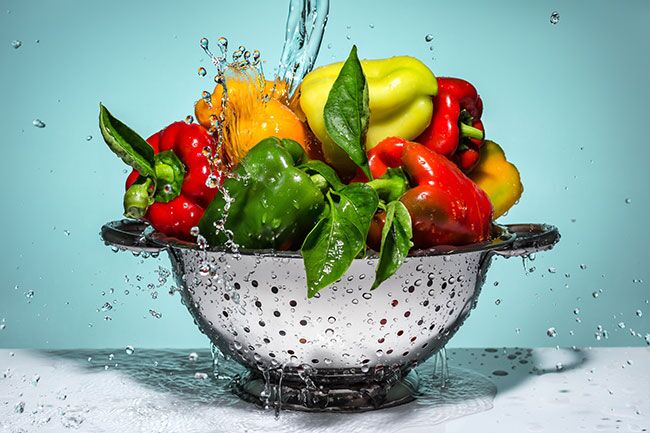
Fresh produce needs washing before eating or cooking. A colander makes this easy. Place fruits and vegetables in the colander. Rinse them under running water. Dirt and debris wash away. The colander keeps the produce safe inside.
Rinsing Grains And Legumes
Grains and legumes often need rinsing before cooking. A colander helps remove impurities. Pour them into the colander. Rinse until the water runs clear. This ensures they are clean. Ready for delicious recipes.
Specialty Uses
Colanders are versatile kitchen tools with many specialty uses beyond draining pasta. Their design makes them perfect for various tasks, enhancing your cooking experience. Explore these specialty uses to make the most of your colander.
Steaming Vegetables
Colanders can steam vegetables efficiently. Place your vegetables in a colander over boiling water. The steam rises through the holes, cooking the veggies evenly. This method retains nutrients and flavor.
Sifting Dry Ingredients
Use a colander to sift dry ingredients like flour or powdered sugar. The holes separate lumps, ensuring smooth mixtures. This technique is essential for baking. It helps achieve perfect texture in cakes and pastries.
Straining Stocks And Broths
Straining stocks and broths is simple with a colander. Pour the liquid through it to remove solids. This results in a clear, flavorful broth. It’s a key step in making soups and sauces.
Credit: learn.surlatable.com
Choosing The Right Colander
Colanders are essential kitchen tools for draining water from cooked pasta or rinsing vegetables and fruits. They come in various materials like stainless steel or plastic, each offering unique benefits. Selecting the right colander enhances cooking efficiency and ensures food safety through effective washing and draining.
Choosing the right colander is crucial for making your kitchen tasks efficient and enjoyable. Whether you’re draining pasta or rinsing fresh produce, the right colander can make all the difference. But with so many options available, how do you decide which one is best for your needs?Material Considerations
The material of a colander can affect its durability and ease of use. Stainless steel colanders are sturdy and resist rust, making them ideal for long-term use. Plastic colanders, on the other hand, are lightweight and often come in vibrant colors, adding a touch of fun to your kitchen. Silicone colanders offer flexibility, literally. They can be collapsed for easy storage, a blessing if your kitchen space is limited. Think about how often you’ll use your colander and what you’ll use it for. This can guide you in choosing the material that best suits your lifestyle.Size And Capacity
The size and capacity of a colander matter more than you might think. A larger colander is perfect for handling big batches of pasta or multiple servings of vegetables. However, if you’re cooking for one or two, a smaller colander might suffice. Consider the space in your kitchen cupboards. Do you have room for a larger colander, or would a more compact version fit better? Remember, a colander that’s too large can be cumbersome, while one that’s too small may not meet your needs.Handle And Base Design
A colander’s handle and base design can significantly impact its functionality. Look for handles that are comfortable to grip, especially if you’ll be draining heavy items. Rubberized or ergonomic handles can provide better control and prevent slips. The base is equally important. A stable base ensures that your colander won’t tip over when filled. Some colanders have raised bases, which help with better drainage by keeping the bottom from touching the sink. Have you ever tipped over a colander full of pasta? A stable base could prevent that kitchen mishap. Choosing the right colander is about aligning your cooking habits with the features that matter most to you. From material to size, and handle design to base stability, each element plays a role in how effective and enjoyable your kitchen experience will be.Maintenance Tips
Colanders are essential kitchen tools, known for their versatility in straining pasta, rinsing vegetables, and more. However, like any tool, they require proper maintenance to stay in tip-top shape. Proper care not only prolongs their lifespan but also ensures your culinary creations are safe and healthy. Let’s dive into some practical maintenance tips that will keep your colanders clean, organized, and ready for use.
Cleaning Techniques
Keeping your colander spotless is crucial. After every use, rinse it immediately to prevent residue buildup. Use warm water and mild dish soap for a thorough clean.
Scrub gently with a soft brush to reach every nook and cranny. If you notice stubborn stains, consider soaking it in a mixture of vinegar and baking soda. This natural solution works wonders without harsh chemicals.
Have you ever wondered why your colander sometimes smells odd? Regular cleaning prevents odors. Ensure you dry it completely to avoid mold growth. A few minutes of care can save hours of scrubbing later.
Storage Solutions
Proper storage extends your colander’s life. Store it in a dry area to prevent rust, especially if it’s made of metal. Consider hanging it if space permits. This keeps it accessible while saving cabinet space.
Stacking colanders might seem space-efficient, but be cautious. It can lead to scratches or dents. Use a cloth or paper towel between stacked items for protection.
Ever misplaced your colander when you needed it most? Designate a specific spot in your kitchen for it. Consistent storage habits make your cooking routine smoother and more efficient.
By taking simple steps, you ensure your colander remains a reliable ally in your kitchen adventures. What maintenance tips have you found most effective in your kitchen? Share your insights and let’s learn together.
Credit: kidsaregreatcooks.com
Innovative Alternatives
Straining pasta, rinsing vegetables, and draining canned foods are common uses for colanders. Their perforated design allows water to escape while keeping food inside. Colanders come in various materials, such as stainless steel or plastic, catering to different kitchen needs.
When you think of kitchen essentials, colanders might not be the first thing that pops into your mind. Yet, their role in simplifying cooking tasks is undeniable. While traditional colanders have served us well, innovative alternatives are making waves in modern kitchens, offering more convenience and functionality.Collapsible Colanders
Imagine having a colander that takes up almost no space in your cabinet. That’s the magic of collapsible colanders. These are perfect for small kitchens where space is at a premium. They collapse flat, allowing you to store them in a drawer or hang them on a hook. I once struggled to fit a traditional colander in my tiny kitchen, and switching to a collapsible one was a game-changer. Have you ever found yourself juggling pots and pans, wishing for more space? Collapsible colanders are made from silicone, making them lightweight and easy to clean. The flexibility of the material ensures durability, so you won’t have to worry about cracks or breaks. Next time you’re at the store, give one a try and see the difference it makes.Over-the-sink Colanders
If multitasking in the kitchen is your thing, over-the-sink colanders are worth considering. They sit right over your sink, allowing you to rinse and drain without taking up counter space. This setup is perfect for when you’re cooking multiple dishes and need every inch of your kitchen to be efficient. Picture this: you’re preparing a big family meal, and your counters are already crowded with ingredients and utensils. Wouldn’t an over-the-sink colander be a relief? These colanders often come with extendable arms, which means they can fit various sink sizes. They’re sturdy enough to hold large quantities of food, like a whole pot of pasta or a big batch of vegetables. Next time you’re planning a dinner party, use an over-the-sink colander to streamline your prep work. Consider trying these innovative colander alternatives in your kitchen. They offer practical solutions that can make your cooking experience more enjoyable and efficient. What will you choose to add to your kitchen tools?Frequently Asked Questions
What’s The Difference Between A Colander And A Strainer?
A colander is a bowl-shaped utensil with larger holes for draining water from pasta or vegetables. A strainer has finer mesh, perfect for sifting flour or filtering liquids. Both are essential kitchen tools, but they serve different purposes based on the size of their holes or mesh.
What Is The Main Purpose Of A Colander?
A colander’s main purpose is to drain liquids from foods like pasta and vegetables. Its perforated design allows water to pass through while retaining the solids. Often used in cooking, it helps rinse and separate ingredients efficiently. This kitchen tool is essential for preparing various dishes.
What Else Can You Use A Colander For?
A colander can strain pasta, rinse vegetables, sift dry ingredients, steam food over boiling water, and drain canned goods. Use it as a fruit bowl or for drying herbs. Store kitchen utensils or toys in it to keep organized. Its versatility extends beyond traditional kitchen tasks.
What Foods Can You Make With A Colander?
You can prepare pasta, rinsed rice, washed vegetables, and drained canned beans with a colander. Use it to remove excess water or liquids from foods. It is ideal for preparing salads, draining boiled potatoes, and rinsing fruits like berries.
Conclusion
Colanders are more than kitchen tools. They simplify cooking. Draining pasta? Easy. Washing vegetables? Quick. Baking? Use them to sift flour. Colanders save time. Their versatility makes them essential. Choose stainless steel or plastic. Both work well. Size matters too.
Large colanders handle more food. Small ones fit snugly in sinks. Always clean them after use. Keep them ready for next time. Enjoy stress-free cooking with colanders. They are practical and handy. Invest in a good one. Your kitchen will thank you.

Hi, I’m Daniel Brooks—a food lover and kitchen gear enthusiast. I enjoy testing cookware, utensils, and gadgets to see what really works in everyday cooking. At PlugChef.com, I share honest reviews, comparisons, and simple guides to help you choose the best tools for a safer, smarter, and more enjoyable kitchen.
Related posts:
 What Type of Cooking Utensils are Safe: Expert Picks
 What Innovations Could Blenders Make: Unleashing Future Tech
 Smart Strategies to Organize a Small Kitchen: Maximize Space
 How to Organize a Kitchen Cabinet: Expert Tips & Tricks
 How to Organize Kitchen Drawers: Expert Tips and Tricks
 How to Organize a Corner Kitchen Cupboard: Expert Tips

