
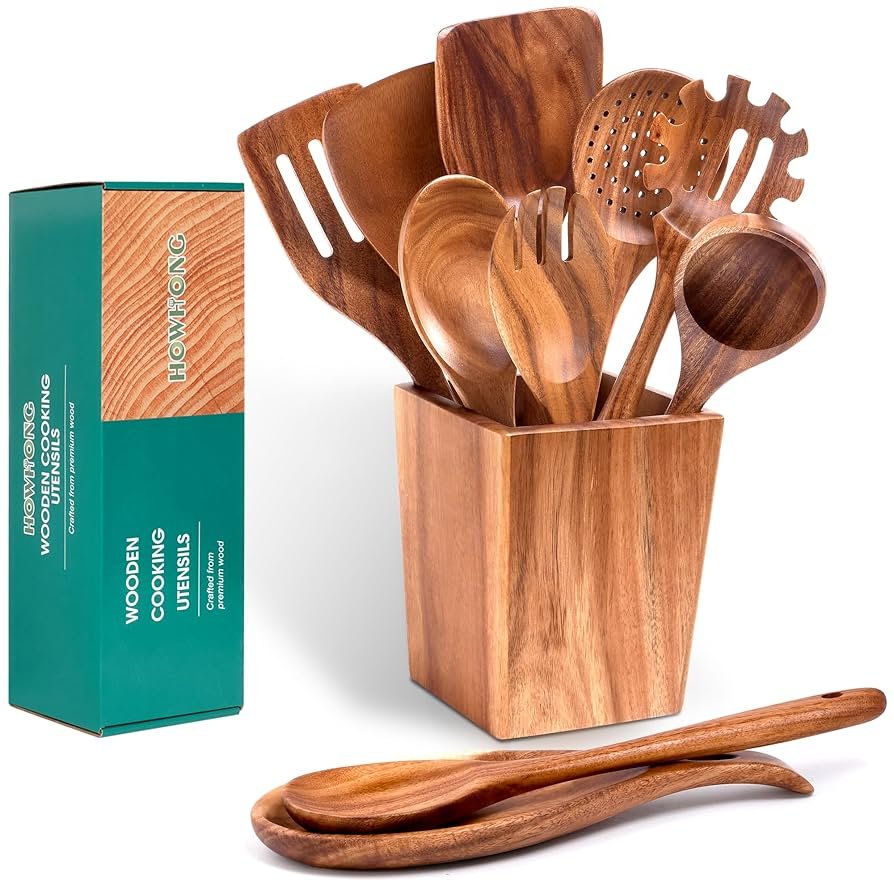
When you choose cooking utensils, you want the best for your kitchen. You might have heard about acacia wood, but is it really good for your utensils?
Imagine cooking with tools that not only enhance your culinary experience but also bring a touch of elegance to your kitchen. Acacia wood is known for its durability and beauty, but there’s more to discover. Could this be the perfect match for your culinary adventures?
Dive into this article to uncover the secrets of acacia wood and find out why it might be the ideal choice for your cooking needs. You won’t want to miss what comes next!
Acacia Wood Properties
Acacia wood offers durability and strength, making it a great choice for cooking utensils. Its natural resistance to water and bacteria ensures safer food preparation. Additionally, acacia wood’s smooth texture and rich color enhance kitchen aesthetics, providing both functionality and style.
When selecting cooking utensils, the type of wood can make a significant difference. Acacia wood stands out due to its unique properties that make it an excellent choice for your kitchen. Let’s dive into the essential qualities that set acacia wood apart.Durability And Strength
Acacia wood is known for its exceptional durability and strength. This wood doesn’t easily scratch or crack, ensuring your utensils last for years. Have you ever had a wooden spoon break while stirring a thick sauce? With acacia, that’s a worry of the past. It’s robust enough to withstand daily use without showing wear and tear.Natural Water Resistance
One of the standout features of acacia wood is its natural water resistance. This quality makes it less prone to warping when exposed to moisture. You can confidently use acacia utensils for both dry and wet ingredients. Isn’t it reassuring to know your spatula won’t swell or warp after washing?Aesthetic Appeal
Acacia wood offers a beautiful aesthetic that can enhance your kitchen’s look. It boasts rich, warm tones that add elegance to any cooking space. Imagine the compliments you’ll receive on your stylish kitchen tools. These utensils not only perform well but also look great on display. Choosing the right materials for your kitchen can transform your cooking experience. Acacia wood’s properties make it a reliable and attractive option. Why settle for less when you can have both functionality and style?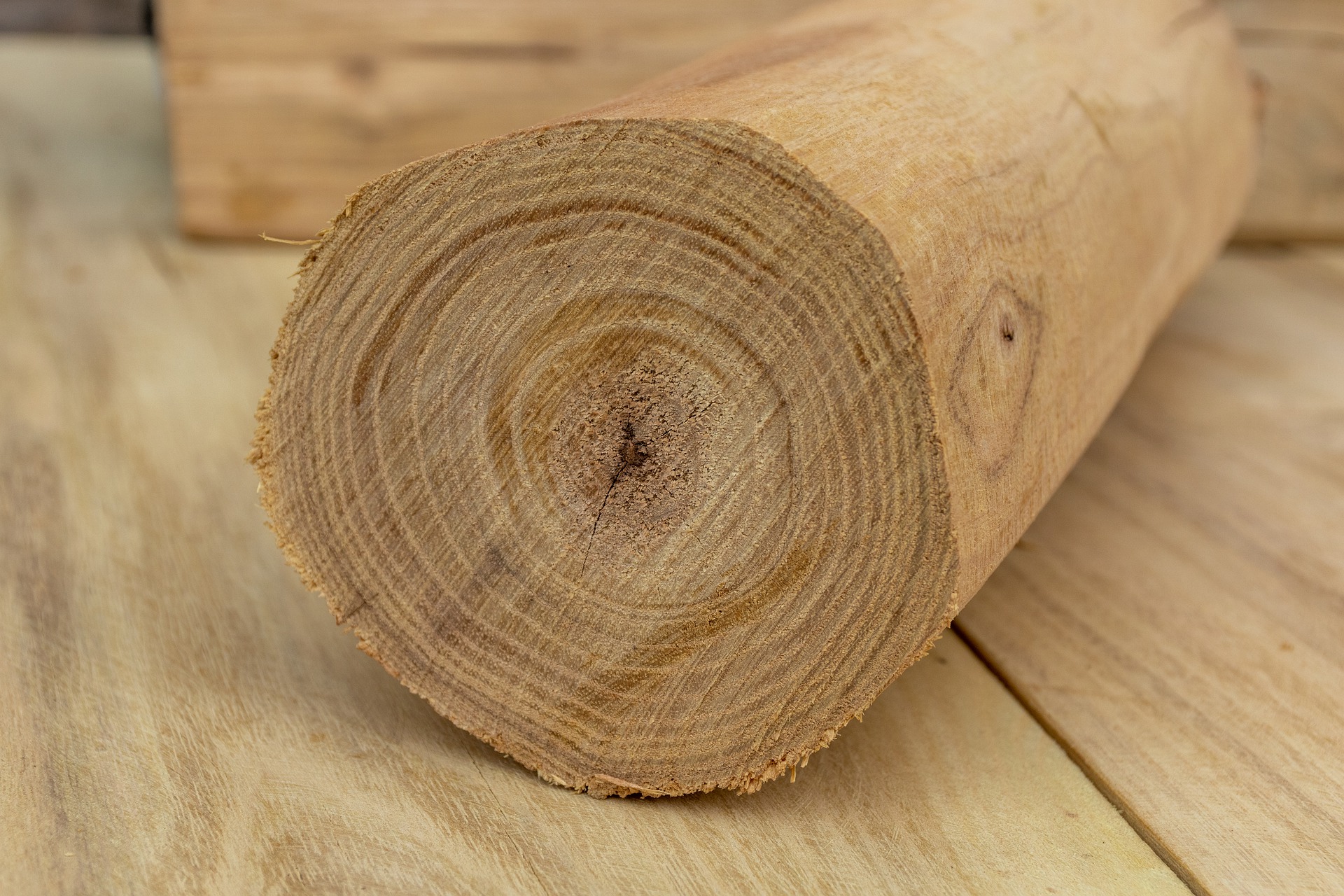
Credit: www.lotechsales.com
Benefits For Cooking Utensils
Choosing the right material for your cooking utensils can make a world of difference in your kitchen. Acacia wood is often touted for its robust benefits, especially when it comes to cooking. But what makes acacia wood such a great choice for your culinary tools? Let’s delve into its specific advantages.
Gentle On Cookware
Acacia wood is naturally soft yet durable. This makes it ideal for cooking utensils, as it won’t scratch or damage your pots and pans. You might have noticed how metal utensils leave marks on non-stick surfaces. Acacia wood, on the other hand, is gentle and preserves your cookware’s integrity. Imagine stirring your favorite sauce without worrying about ruining your expensive non-stick pan.
Heat Resistance
One of the standout benefits of acacia wood is its heat resistance. Unlike plastic, which can melt or warp, acacia wood can withstand high temperatures. This means you can use acacia wood utensils for all your cooking needs, even when dealing with hot liquids. Ever had a spatula bend awkwardly in a hot pan? Acacia wood maintains its shape, providing reliability in those high-heat moments.
Non-toxic And Eco-friendly
Acacia wood is non-toxic, ensuring safe contact with your food. It’s a natural material that doesn’t leach harmful chemicals, unlike some synthetic options. Plus, it’s eco-friendly. Acacia trees grow quickly, making them a sustainable choice. When you opt for acacia, you’re not just choosing quality; you’re also making an environmentally responsible decision. How great is it to cook with utensils that are safe for both you and the planet?
Have you ever considered the impact of your cooking utensils on your culinary experience? With acacia wood, you get durability, safety, and environmental benefits all in one. What’s stopping you from switching to this versatile material?
Comparing Acacia To Other Woods
Acacia wood is a durable choice for cooking utensils. It resists moisture and odors, keeping kitchen tools fresh. Its sturdy nature ensures longevity, outperforming softer woods in everyday use.
Acacia wood has become a popular choice for cooking utensils, but how does it stack up against other types of wood? Let’s dive into a comparison with some commonly used woods to help you make an informed decision.Maple Vs. Acacia
Maple is known for its durability and light color. It’s often used for cutting boards due to its ability to withstand heavy use. In comparison, acacia offers a unique aesthetic with its darker grain patterns, adding an earthy touch to your kitchen. Both woods are durable, but acacia tends to be more resistant to water, making it less likely to warp or crack.Bamboo Vs. Acacia
Bamboo is a sustainable option that grows quickly, which is a plus for eco-conscious cooks. It’s lightweight and affordable, suitable for everyday utensils. However, acacia has a natural resistance to bacteria, which can be crucial for health and safety in your kitchen. Consider which trait matters more to you: sustainability or hygiene?Teak Vs. Acacia
Teak is revered for its strength and moisture resistance, often used in outdoor furniture. It’s a premium choice for cooking utensils, offering longevity. Acacia shares similar moisture-resistant properties, but it tends to be more affordable than teak. If budget is a concern, acacia might be your preferred option without compromising on quality. With these comparisons, which wood resonates most with your cooking style and values?
Credit: www.amazon.com
Maintenance And Care
Acacia wood is great for cooking utensils due to its durability and natural resistance to water. Regular oiling keeps them looking new and prevents cracking. These utensils are also gentle on cookware, ensuring long-lasting use.
Acacia wood is a popular choice for cooking utensils. Its durability and beauty make it a favorite in many kitchens. Proper maintenance and care extend the life of your acacia wood utensils. This guide will help you keep them in top condition.Cleaning Tips
Wash acacia utensils with warm, soapy water. Avoid soaking them in water. Rinse quickly to prevent water damage. Pat them dry with a clean towel. Air drying can cause warping. Avoid using the dishwasher, as it can harm the wood.Preventing Cracks
Cracks often appear from dryness. Keep utensils away from heat sources. Do not store them near stoves or radiators. Humidity helps prevent cracks. Consider using a humidifier if your home is dry.Oiling And Conditioning
Oil your acacia utensils regularly. Use food-safe mineral oil or beeswax. Apply a thin layer with a soft cloth. Let the oil soak in for a few hours. Wipe off any excess oil with a clean cloth. Conditioning keeps the wood moisturized and vibrant. Oiling also enhances the natural beauty of acacia.Chef Insights And Preferences
Many chefs prefer acacia wood for cooking utensils due to its durability and aesthetic appeal. Its resistance to water and scratches makes it ideal for everyday kitchen use. Plus, acacia wood offers a smooth finish, ensuring comfort during long cooking sessions.
Acacia wood has become a popular choice for cooking utensils, but what do chefs really think about it? This section dives into the insights and preferences of professional chefs, revealing why acacia might be the material you want in your kitchen. From its functionality to sustainability concerns, acacia wood offers more than just aesthetic appeal. Whether you’re a home cook or culinary enthusiast, understanding these preferences can guide you in choosing the best tools for your culinary adventures.Professional Chefs’ Opinions
Professional chefs often favor acacia wood for its durability and gentle touch on cookware. Unlike metal utensils, acacia doesn’t scratch or damage surfaces, preserving your pots and pans longer. Many chefs appreciate how acacia’s smooth texture allows for precise control when flipping or stirring. A chef once shared a story of switching to acacia utensils after using metal ones for years. The change not only improved the longevity of his cookware but also enhanced his cooking experience. He felt more connected to his craft, noting how the natural feel of wood contributed to his culinary creativity.Commonly Used Acacia Utensils
Acacia wood is commonly used in spatulas, spoons, and cutting boards. These tools are favored for their resilience and ease of maintenance. Acacia utensils can withstand heat without warping, making them ideal for everyday cooking. Imagine preparing a delicate dish with an acacia spatula that doesn’t bend under pressure. You enjoy a seamless cooking process, avoiding the frustration of flimsy utensils. This reliability is why many chefs choose acacia for critical tasks like sautéing and baking.Sustainability Concerns
While acacia wood is celebrated for its functionality, sustainability is a growing concern. Acacia trees are fast-growing, which supports a renewable source if harvested responsibly. However, overharvesting and poor management can lead to environmental issues. As a conscious consumer, consider the origin of your acacia utensils. Are they sourced sustainably? Making informed choices not only benefits the environment but also supports ethical practices. Would you trade durability for environmental impact? Balancing these factors can help you make the best decision for your kitchen. Acacia wood provides a unique blend of functionality, aesthetics, and sustainability. As you equip your kitchen, these insights from chefs can guide your choices and elevate your cooking experience.
Credit: greenwalnut.ca
Where To Buy
Acacia wood is a popular choice for cooking utensils. Its durability and natural beauty make it a favorite. So, where can you buy these utensils? Many stores and online platforms offer a range of options. Here’s a guide to help you find the best places to purchase acacia wood cooking utensils.
Popular Brands
Several brands are known for quality acacia wood utensils. OXO, Totally Bamboo, and Ironwood Gourmet are popular choices. Each offers unique designs and reliable products. They focus on craftsmanship and sustainability.
Price Range
Acacia wood utensils come in various price ranges. Basic spoons and spatulas start around $5. Premium sets can reach $30 or more. Prices vary based on craftsmanship and design. It’s easy to find options for any budget.
Online And Local Stores
Online platforms like Amazon and Etsy offer extensive selections. You can compare prices and read reviews easily. Local kitchenware stores also carry acacia wood utensils. They provide a chance to see and feel the product before buying.
In local markets, you may find unique handmade items. Farmers’ markets often have stalls with local artisans. They offer beautiful, handcrafted acacia wood utensils.
Frequently Asked Questions
Is Teak Or Acacia Wood Better For Cooking Utensils?
Teak wood is more durable and resistant to moisture, perfect for long-lasting cooking utensils. Acacia wood offers affordability and eco-friendliness, ideal for budget-conscious buyers. Both woods are suitable, but teak is preferred for its longevity. Choose based on your budget and environmental considerations.
What Is The Healthiest Wood For Cooking Utensils?
Olive, beech, and maple woods are healthiest for cooking utensils. They are durable, non-toxic, and resist bacteria. These woods ensure safety and longevity in kitchen use, enhancing your cooking experience. Choose utensils made from these woods for a healthier kitchen environment.
Are Acacia Wood Utensils Non-toxic?
Yes, acacia wood utensils are non-toxic and safe for kitchen use. They are naturally antibacterial and eco-friendly. These utensils don’t leach harmful chemicals, making them ideal for cooking and serving food. Always ensure they are uncoated or finished with food-safe oils for maximum safety.
Can I Cook With Acacia Wood?
Yes, acacia wood is safe for cooking. Use it for cutting boards, serving trays, and kitchen utensils. It is durable and resistant to water. Avoid using acacia wood directly on open flames or high heat to prevent damage. Keep it well-oiled to maintain its quality.
Conclusion
Acacia wood is a great choice for cooking utensils. It’s durable and attractive. It doesn’t scratch your cookware easily. Acacia is also resistant to water damage. This means it lasts a long time in the kitchen. The wood feels smooth, making it pleasant to use.
Plus, acacia is eco-friendly and sustainable. Many people choose it for its natural beauty. Its unique grain adds character to utensils. Consider acacia wood for your kitchen tools. It’s a reliable and stylish option. You won’t regret adding this material to your cooking collection.

Hi, I’m Daniel Brooks—a food lover and kitchen gear enthusiast. I enjoy testing cookware, utensils, and gadgets to see what really works in everyday cooking. At PlugChef.com, I share honest reviews, comparisons, and simple guides to help you choose the best tools for a safer, smarter, and more enjoyable kitchen.
Related posts:
 What Type of Cooking Utensils are Safe: Expert Picks
 What Innovations Could Blenders Make: Unleashing Future Tech
 Smart Strategies to Organize a Small Kitchen: Maximize Space
 How to Organize a Kitchen Cabinet: Expert Tips & Tricks
 How to Organize Kitchen Drawers: Expert Tips and Tricks
 How to Organize a Corner Kitchen Cupboard: Expert Tips

