
If you love seafood and crave that perfect smoky flavor, grilling sea scallops is the way to go. Imagine biting into tender, juicy scallops with a slightly charred crust that melts in your mouth.
You might think cooking scallops on the grill is tricky, but with the right tips, you can master it quickly. You’ll discover simple steps to grill sea scallops perfectly every time. Ready to impress your family and friends with a delicious, restaurant-quality meal right at home?
Keep reading, and let’s get those scallops sizzling!
Choosing Fresh Sea Scallops
Choosing fresh sea scallops is key to a tasty grill experience. Fresh scallops have a mild smell, not fishy or sour. They should feel firm and moist, never slimy or dry. Picking the right scallops ensures a sweet, tender bite after grilling.
Spotting Quality Scallops
- Look for scallops that are creamy white or slightly pink.
- Avoid scallops with discoloration or dark spots.
- Fresh scallops have a clean, ocean-like scent.
- The texture should be firm and springy to touch.
- Steer clear of scallops that look dry or have a strong odor.
Types Of Sea Scallops
Sea scallops come in different sizes and types. The most common are:
- Diver scallops:Hand-harvested, usually larger and sweeter.
- Bay scallops:Smaller and often found in bays or estuaries.
- Frozen scallops:Can be good if properly handled and thawed.
Diver scallops often cost more but offer better texture and flavor.
Storage Tips Before Grilling
- Keep scallops cold at all times, ideally below 40°F (4°C).
- Store scallops in the coldest part of the fridge.
- Use scallops within 1-2 days of purchase for best taste.
- If frozen, thaw slowly in the fridge overnight.
- Drain excess liquid before cooking to avoid sogginess.
Preparing Scallops For The Grill
Preparing scallops for the grill takes a bit of attention to detail, but it makes all the difference in flavor and texture. Proper cleaning, removing unwanted parts, and seasoning can turn simple scallops into a mouthwatering dish. Are you ready to transform your scallops into the perfect grilled treat?
Cleaning And Drying
Start by rinsing your scallops under cold water to wash away any sand or grit. Pat them dry thoroughly using paper towels—this step is crucial because moisture on the surface prevents a good sear.
If the scallops feel slimy, give them an extra rinse, but avoid soaking them; too much water can dilute their natural sweetness. Dry scallops help you achieve that beautiful caramelized crust on the grill.
Removing The Side Muscle
Look for a small, rectangular piece on the side of each scallop—this is the side muscle, sometimes called the “foot.” It’s tougher and chewier than the rest of the scallop, so it’s best to remove it before cooking.
Simply pull it off with your fingers or use a small knife to trim it away. Leaving it on can affect the texture of your grilled scallops and may surprise you with an unwanted chewiness.
Marinade And Seasoning Ideas
Scallops have a delicate flavor that pairs well with simple seasonings. Try a light marinade with olive oil, lemon juice, minced garlic, and a pinch of salt to enhance their natural taste without overpowering it.
- For a spicy twist, add a dash of smoked paprika or cayenne pepper.
- Herbs like thyme or parsley work beautifully when sprinkled just before grilling.
- If you prefer, brush scallops with melted butter mixed with minced shallots for extra richness.
How bold do you want to go with your flavors? Experimenting with different marinades can help you discover your favorite grilled scallop style.
Setting Up The Grill
Getting your grill ready is key to cooking perfect sea scallops. A well-prepared grill ensures even cooking and helps you avoid sticking or uneven searing. Setting up your grill properly means thinking about the type of grill, the right temperature, and how clean and oiled the grates are before you start.
Choosing The Right Grill Type
Gas grills offer great temperature control, which is crucial for delicate scallops. If you prefer a smoky flavor, a charcoal grill can add that extra layer of taste, but it requires more attention to maintain consistent heat.
Have you noticed how different grills affect the flavor? Experimenting with both types can teach you what suits your taste and cooking style best.
Optimal Temperature For Searing
Scallops need a hot grill to get that perfect sear without overcooking inside. Aim for a temperature between 400°F and 450°F (204°C to 232°C). This heat level quickly locks in juices and creates a golden crust.
Keep a close eye on the heat; too low and your scallops will stick, too high and they’ll burn. Do you have a reliable grill thermometer? It’s a small tool that makes a big difference.
Oil And Cleaning The Grates
Clean grates are essential to prevent scallops from sticking and tearing apart. Before heating, scrub your grill grates with a wire brush to remove any residue from previous cooks.
Right before placing scallops, oil the grates using a paper towel dipped in a high smoke point oil like canola or grapeseed. This simple step helps achieve that flawless sear and makes flipping easier.
Grilling Techniques For Scallops
Grilling scallops demands a careful approach to bring out their natural sweetness and tender texture. Using the right techniques ensures a juicy, flavorful result. The heat must be just right, and handling needs a delicate touch. Scallops cook quickly, so timing and placement matter a lot. Follow these tips to make your grilled scallops a standout dish.
Proper Placement On The Grill
Place scallops on the hottest part of the grill. This helps create a crisp, golden crust. Use direct heat to get a good sear. Avoid crowding them. Leave space between each scallop for even cooking. Use a clean, well-oiled grill grate. This prevents sticking and makes turning easier.
Timing For Perfect Sear
Grill scallops for about 2 to 3 minutes on each side. Watch closely to avoid overcooking. The surface should be golden brown and caramelized. The inside stays tender and moist. Do not cook scallops too long. They become rubbery and lose flavor quickly. Keep a close eye on the clock.
Flipping Without Sticking
Use a thin, wide spatula to flip scallops gently. Wait until they release naturally from the grill. Forcing them causes tearing and sticking. Oil the scallops lightly before placing them. This reduces the chance of sticking. Handle them with care to keep their shape intact. Flip once only for the best texture and appearance.
Serving Suggestions
Serving grilled sea scallops offers a fantastic opportunity to elevate your meal with thoughtful touches. The right sauces, sides, and drinks can bring out the natural sweetness of the scallops and make your dining experience memorable. Let’s dive into some ideas that will inspire your next seafood feast.
Complementary Sauces And Sides
Think bright and fresh when choosing sauces. A zesty lemon butter sauce or a tangy mango salsa can add a burst of flavor without overpowering the scallops. You might also enjoy a garlic herb aioli for a creamy, savory contrast.
For sides, keep it simple yet satisfying. Grilled asparagus, roasted baby potatoes, or a crisp mixed green salad work perfectly. These options add texture and color, creating a balanced plate that lets your scallops shine.
Plating Ideas For Presentation
Presentation matters, especially with a dish as elegant as grilled sea scallops. Arrange your scallops neatly on a large white plate to highlight their golden sear. Add a drizzle of your chosen sauce around the edges for a restaurant-quality look.
Consider layering scallops on a bed of sautéed spinach or placing them alongside a colorful vegetable medley. Using edible flowers or microgreens as a garnish can also make your plate pop and impress your guests.
Pairing With Drinks
Choosing the right drink can make your scallop meal truly special. A crisp, chilled Sauvignon Blanc or a light Chardonnay complements the delicate flavors beautifully. If you prefer beer, try a pilsner or a wheat beer for a refreshing match.
Feeling adventurous? A sparkling water infused with cucumber and mint can cleanse your palate between bites. What drink would you pick to complete your scallop dinner experience?
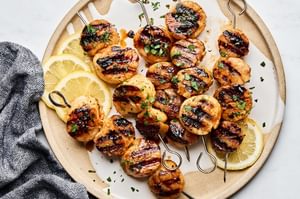
Credit: themodernproper.com
Common Mistakes To Avoid
Grilling sea scallops can be simple but tricky. Avoiding common mistakes helps keep them tender and tasty. Small errors can ruin the delicate flavor and texture. Here are key pitfalls to watch for.
Overcooking Risks
Sea scallops cook quickly. Leaving them on the grill too long makes them tough and dry. They turn rubbery and lose natural sweetness. Watch the clock and heat carefully. Remove scallops as soon as they turn opaque and firm.
Undercooking Dangers
Undercooked scallops can be unsafe to eat. They may feel slimy or look translucent inside. Proper cooking kills harmful bacteria and parasites. Grill until the scallops are just cooked through but not overdone.
Handling Delicate Texture
Scallops are fragile and easy to damage. Use tongs gently to avoid breaking them. Avoid flipping too often; once is enough. Preheat the grill for a quick sear, which helps keep them intact. Handle with care to maintain their tender bite.
Enhancing Flavor Variations
Grilling sea scallops offers a delightful culinary experience. Their natural sweetness shines when cooked on an open flame. Yet, to elevate this experience, flavor variations are key. Simple additions can transform their taste remarkably. These enhancements create a memorable dish for any gathering.
Using Herbs And Spices
Herbs and spices infuse scallops with amazing aromas. Basil, thyme, and rosemary work well. A sprinkle of paprika or cayenne adds a gentle kick. Experiment with combinations to find your favorite. Fresh herbs offer a vibrant touch. Dried spices provide a rich depth of flavor.
Adding Citrus Zest
Citrus zest brightens the taste of sea scallops. Lemon or lime zest is perfect. It introduces a fresh and tangy note. Grate the zest finely over the scallops before grilling. This method enhances the natural sweetness. The citrusy aroma complements the smoky grill.
Incorporating Butter And Garlic
Butter and garlic create a rich, savory coating. Melted butter adds a creamy texture. Minced garlic provides a robust, earthy flavor. Brush this mixture over scallops as they grill. The heat releases the garlic’s full essence. Butter keeps the scallops moist and tender.

Credit: www.spendwithpennies.com
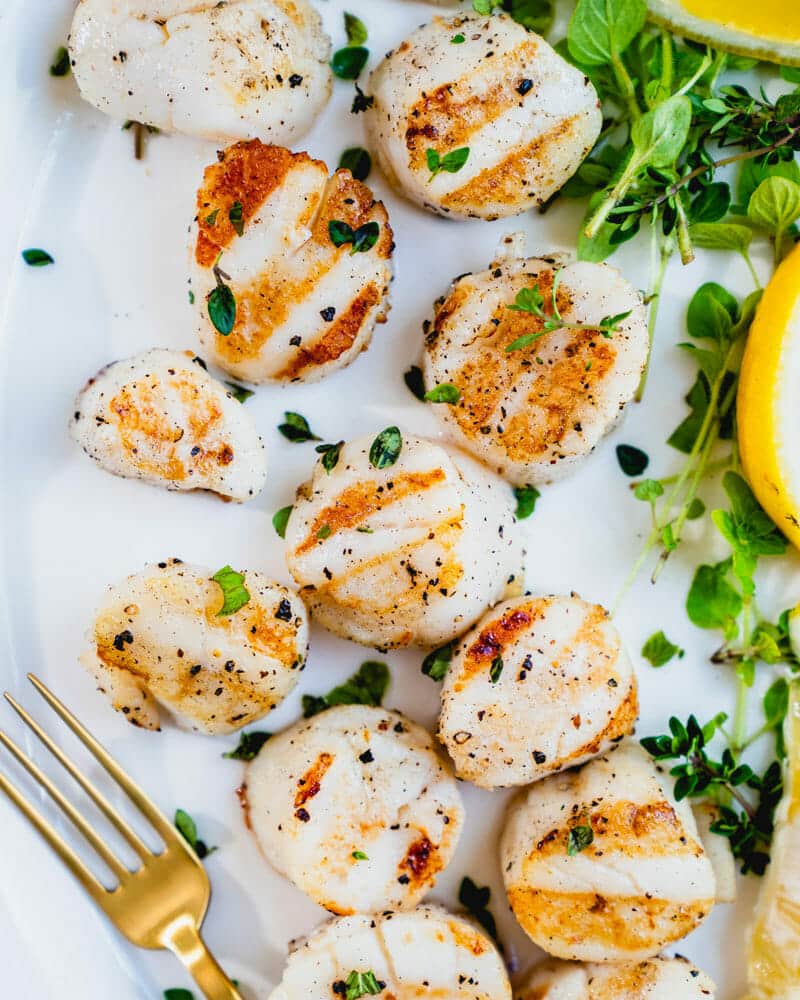
Credit: www.acouplecooks.com
Frequently Asked Questions
How Do You Grill Sea Scallops Perfectly?
To grill sea scallops perfectly, preheat the grill to high heat. Clean and dry scallops, then brush with oil. Grill each side for 2-3 minutes until opaque and golden. Avoid overcooking to keep scallops tender and juicy.
What Marinade Works Best For Grilled Sea Scallops?
A simple marinade with olive oil, lemon juice, garlic, salt, and pepper works best. Marinate scallops for 15-30 minutes. This enhances flavor without overpowering their natural sweetness. Avoid acidic marinades longer than 30 minutes to prevent scallops from becoming tough.
How Do You Prevent Scallops From Sticking To The Grill?
To prevent sticking, clean and oil the grill grates well. Also, brush scallops with oil before placing them on the grill. Ensure the grill is hot before cooking. Avoid moving scallops too soon to allow a natural sear.
Can You Grill Frozen Sea Scallops Directly?
It’s best to thaw frozen scallops before grilling. Thaw in the refrigerator overnight or under cold water. Grilling frozen scallops can lead to uneven cooking and a rubbery texture. Pat dry before grilling for best results.
Conclusion
Grilling sea scallops brings out their sweet, tender flavor. A hot grill and quick cooking keep them juicy. Use simple seasoning to let the scallops shine. Serve with fresh lemon or your favorite sauce. This easy method makes a tasty, healthy meal.
Perfect for summer nights or any special dinner. Try grilling scallops soon and enjoy a delicious treat. Simple steps. Great taste. Enjoy!

Hi, I’m Daniel Brooks—a food lover and kitchen gear enthusiast. I enjoy testing cookware, utensils, and gadgets to see what really works in everyday cooking. At PlugChef.com, I share honest reviews, comparisons, and simple guides to help you choose the best tools for a safer, smarter, and more enjoyable kitchen.
Related posts:
 What Type of Cooking Utensils are Safe: Expert Picks
 What Innovations Could Blenders Make: Unleashing Future Tech
 Smart Strategies to Organize a Small Kitchen: Maximize Space
 How to Organize a Kitchen Cabinet: Expert Tips & Tricks
 How to Organize Kitchen Drawers: Expert Tips and Tricks
 How to Organize a Corner Kitchen Cupboard: Expert Tips

