
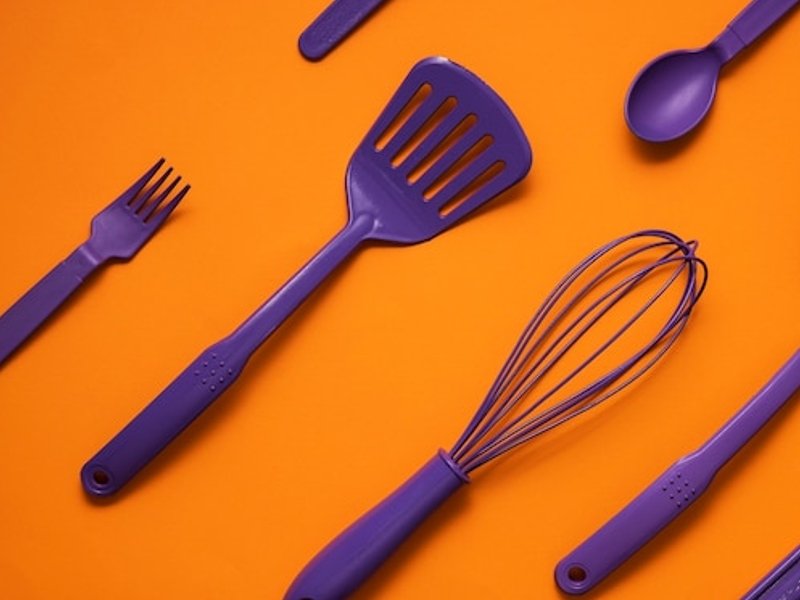
Choosing the right cooking utensils is crucial for your kitchen safety and health. You might wonder which is safer: nylon or silicone cooking utensils?
With so much information out there, it’s easy to feel overwhelmed. But don’t worry—you’ve come to the right place. Imagine confidently stirring your favorite soup or flipping pancakes without the fear of harmful chemicals leaching into your food. This article will guide you through the pros and cons of nylon and silicone utensils, helping you make an informed decision.
Dive in to discover which option will keep your meals safe and your mind at ease. Your next culinary adventure deserves nothing less than the best tools. Let’s explore how you can elevate your kitchen experience with the safest choice!

Credit: siliconemakers.com
Nylon Cooking Utensils
Nylon cooking utensils are common in many kitchens. They are known for their versatility and low cost. But how safe are they compared to other materials? Understanding their properties can help you decide.
Material Composition
Nylon utensils are made from synthetic polymers. These polymers are strong and flexible. This makes them suitable for various cooking tasks. Nylon’s lightweight nature makes it easy to handle. Its smooth surface ensures it doesn’t scratch cookware.
Heat Resistance
Nylon can withstand moderate heat. Most nylon utensils handle temperatures up to 400°F. Yet, they can melt if exposed to high heat. It’s best to avoid using them in frying pans for prolonged periods. Always check the manufacturer’s heat limit to ensure safety.
Durability
Nylon utensils are less durable than metal ones. They may become brittle over time. Regular use can lead to wear and tear. Though affordable, they may need more frequent replacements. Proper care can extend their lifespan.
Health Implications
Nylon utensils are generally considered safe. They do not react with food. Yet, if they melt, they can release harmful chemicals. It’s crucial to keep them away from direct heat. Always replace any worn or damaged utensils to ensure safety.

Credit: www.youtube.com
Silicone Cooking Utensils
Silicone cooking utensils are popular in modern kitchens. Their vibrant colors and flexible designs make cooking easier. Many home cooks love them for their practicality and style.
Material Composition
Silicone is a synthetic polymer. It’s made from bonded silicon and oxygen. This composition makes it flexible and durable. Its smooth surface is non-stick and easy to clean.
Heat Resistance
Silicone utensils withstand high temperatures. They can handle up to 500°F without melting. This makes them perfect for hot cooking tasks. Unlike plastic, they won’t warp or degrade under heat.
Durability
Silicone utensils are tough and long-lasting. They resist wear and tear from daily use. Their flexibility prevents breakage. Even after years, they maintain their shape and function.
Health Implications
Silicone is non-toxic and safe for cooking. It doesn’t leach harmful chemicals into food. Many consider it a healthier option than plastic. Its non-reactive nature ensures food safety.
Comparative Analysis
Cooking utensils come in various materials, but nylon and silicone are two popular choices. If you’ve ever wondered about which is safer, this comparative analysis will help you decide. We’ll look at heat resistance, durability, and safety concerns to provide a clear picture. Whether you’re a seasoned chef or someone who just loves cooking, understanding the pros and cons of these materials can make a real difference in your kitchen.
Heat Resistance Comparison
Nylon utensils can withstand temperatures up to 400°F before they start to melt. This makes them suitable for most cooking tasks. However, if you’re cooking at higher temperatures, you might notice them deforming slightly.
Silicone, on the other hand, can handle heat up to 600°F, making it an excellent choice for high-heat cooking. You won’t see them melting or deforming under typical cooking conditions. It’s reassuring to know your tools can handle the heat when you’re trying out new recipes.
Durability Comparison
Nylon is known for its strength but can become brittle over time, especially if exposed to high temperatures repeatedly. You might find that your nylon spoon cracks after a few years of use.
Silicone is flexible and retains its shape even with frequent use. It doesn’t crack or wear easily, making it a long-lasting option for your kitchen. Investing in silicone utensils could mean fewer replacements and more reliable cooking tools.
Safety Concerns
One concern with nylon is that it can release harmful chemicals if it melts. This is particularly important if you’re cooking for kids or the elderly. Ensuring your nylon utensils are in good condition is crucial.
Silicone is generally considered safer as it doesn’t leach chemicals under typical cooking conditions. It’s often used in baby products, which speaks to its safety standards. You can feel more at ease knowing your utensils won’t compromise your health.
Now, which material do you think aligns with your cooking needs? Is it the flexibility of silicone or the sturdy feel of nylon? Your choice could impact not just your cooking efficiency but also your health. Choose wisely and let your kitchen adventures be both safe and enjoyable.
Environmental Impact
Cooking utensils are essential in every kitchen. The choice between nylon and silicone utensils can impact the environment. Understanding their environmental impact helps make informed decisions. This section explores the environmental footprint of each material. Let’s delve into the effects of nylon and silicone.
Nylon’s Environmental Footprint
Nylon production involves petrochemicals. These contribute to pollution and resource depletion. Manufacturing nylon releases greenhouse gases. It also consumes a lot of energy. Nylon is not biodegradable. It can persist in landfills for hundreds of years. Recycling nylon is possible, but not widespread. This adds to environmental concerns.
Silicone’s Environmental Footprint
Silicone is made from silica, a natural element. Its production requires less energy than nylon. Silicone is more durable and can last longer. This reduces the need for frequent replacements. It is also recyclable, though facilities are limited. Silicone does not break down easily. It is not biodegradable, but less harmful than nylon. Overall, silicone has a lower environmental impact.
Choosing The Right Utensils
Choosing the right cooking utensils impacts your kitchen experience significantly. Nylon and silicone are popular options, each offering unique benefits. Safety is a priority, but understanding which is safer requires considering various factors. Let’s explore the essentials to make an informed choice.
Cooking Needs
Different meals require different utensils. Silicone is heat-resistant, ideal for high-heat cooking. Nylon is less heat-resistant but often more affordable. Consider the type of dishes you prepare regularly. Silicone works well for baking and sautéing. Nylon is better for tasks like stirring or serving cold dishes.
Budget Considerations
Budget plays a crucial role in choosing utensils. Silicone utensils tend to be pricier. Their durability and heat resistance justify the cost. Nylon is budget-friendly, suitable for basic kitchen tasks. Assess your spending capacity. If you cook often, investing in silicone may be worthwhile.
Long-term Usage
Think about how long you’ll use the utensils. Silicone is known for longevity. It resists stains and odors, maintaining its quality over time. Nylon may wear out faster, especially with frequent high-heat usage. Evaluate your cooking habits. If longevity matters, silicone is a wise choice.

Credit: www.youtube.com
Frequently Asked Questions
What Is The Healthiest Material For Cooking Utensils?
Stainless steel and silicone are the healthiest materials for cooking utensils. They are non-toxic and durable. Stainless steel resists corrosion and doesn’t react with food. Silicone is heat-resistant and safe for non-stick cookware. Both materials are easy to clean and maintain, making them ideal choices for healthy cooking.
What Are The Downsides Of Silicone Utensils?
Silicone utensils can melt at high temperatures and may retain odors. Some may contain fillers, affecting durability. Low-quality silicone can leach chemicals, posing health risks. They can be less rigid, making certain tasks difficult. Always choose food-grade, high-quality silicone to minimize these downsides.
Does Silicone Leach Chemicals When Heated?
Silicone is generally stable and doesn’t leach chemicals when heated. It’s safe for cooking and baking. Ensure silicone is food-grade and avoid exceeding recommended temperatures to prevent degradation. Always check manufacturer’s guidelines for specific temperature limits to ensure safety and longevity.
Do Silicone Cooking Utensils Leach Microplastics?
Silicone cooking utensils generally do not leach microplastics. They are stable and durable at cooking temperatures. Ensure they are food-grade quality to minimize any risks. Silicone is a safer alternative to plastic, making it popular in kitchens. Regularly inspect utensils for damage to ensure safety.
Conclusion
Choosing the right cooking utensils matters for safety. Nylon offers durability and affordability. Silicone stands out with heat resistance and flexibility. Both materials have unique benefits. Consider your cooking needs and preferences. Nylon suits everyday use and budget-friendly choices. Silicone excels in high-heat cooking and non-stick surfaces.
Always check product labels for safety standards. Quality and safety should guide your decision. Enjoy cooking with peace of mind. Your kitchen deserves the best tools. Make informed choices for happier, safer cooking experiences. Keep exploring options for healthier culinary practices.

Hi, I’m Daniel Brooks—a food lover and kitchen gear enthusiast. I enjoy testing cookware, utensils, and gadgets to see what really works in everyday cooking. At PlugChef.com, I share honest reviews, comparisons, and simple guides to help you choose the best tools for a safer, smarter, and more enjoyable kitchen.
Related posts:
 What Type of Cooking Utensils are Safe: Expert Picks
 What Innovations Could Blenders Make: Unleashing Future Tech
 Smart Strategies to Organize a Small Kitchen: Maximize Space
 How to Organize a Kitchen Cabinet: Expert Tips & Tricks
 How to Organize Kitchen Drawers: Expert Tips and Tricks
 How to Organize a Corner Kitchen Cupboard: Expert Tips

