
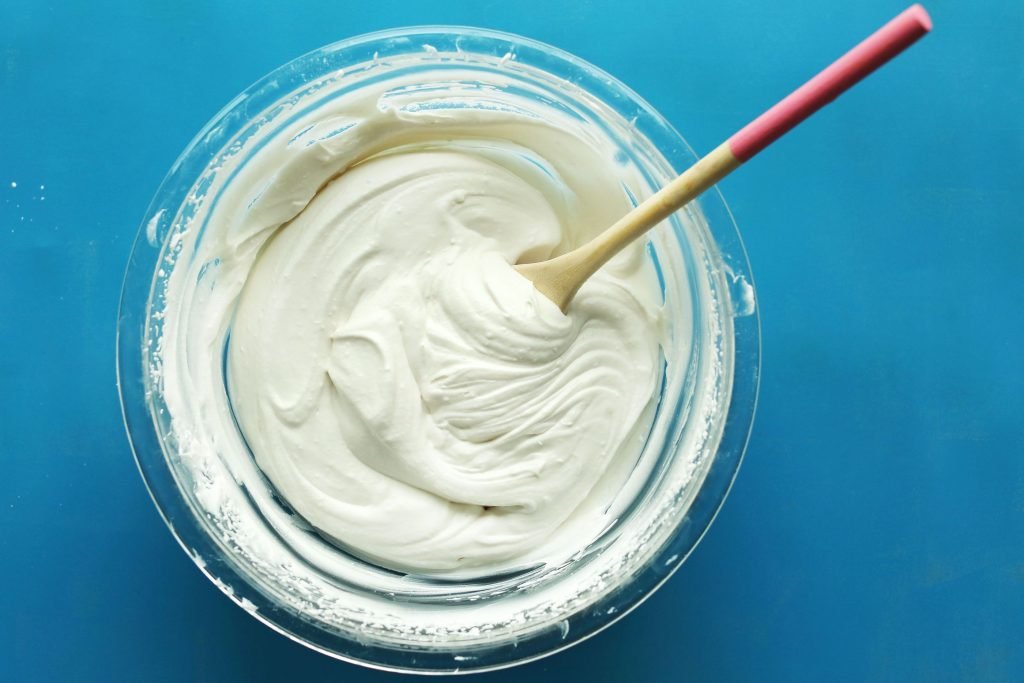
Have you ever wondered if you can whip coconut milk into a fluffy, creamy topping just like heavy cream? If you’re looking for a dairy-free alternative to add a light, tropical twist to your desserts, this question might be on your mind.
Whipping coconut milk might sound tricky, but with the right tips, you can create a delicious, airy treat right at home. Keep reading, and you’ll discover how to transform your coconut milk into a perfect whipped delight that will impress your taste buds and your guests.
Why Whip Coconut Milk
Whipping coconut milk creates a creamy, fluffy texture perfect for many recipes. It offers a great alternative to traditional dairy cream. Many choose coconut milk for its unique qualities and health benefits. Understanding why to whip coconut milk helps you decide if it suits your cooking style.
Benefits Over Dairy Cream
Coconut milk is lower in cholesterol and saturated fat than dairy cream. It contains healthy fats called medium-chain triglycerides (MCTs). These fats may support metabolism and energy. Coconut milk also keeps well in the fridge and freezes nicely. It can be used in both sweet and savory dishes.
Vegan And Allergy-friendly
Coconut milk is plant-based and free from animal products. It suits vegans and those with lactose intolerance. Many people allergic to dairy find coconut milk safe to use. It avoids common allergens like milk protein and lactose. This makes it a versatile choice for many diets.
Flavor And Texture
Coconut milk adds a mild, natural sweetness to recipes. It provides a rich and smooth texture when whipped. The creaminess enhances desserts, drinks, and sauces. Its subtle coconut flavor blends well with many ingredients. Whipped coconut milk offers a light, airy consistency without heaviness.

Credit: makeitdairyfree.com
Choosing The Right Coconut Milk
Choosing the right coconut milk is key to successfully whipping it into a fluffy, creamy texture. Not all coconut milks are created equal, and picking the right type can make or break your recipe. Knowing what to look for will save you time and frustration in the kitchen.
Full-fat Vs Light Coconut Milk
Full-fat coconut milk contains around 17-22% fat, which is essential for whipping. The higher fat content helps create stable peaks that hold their shape. Light coconut milk, on the other hand, has much less fat and more water, making it nearly impossible to whip into a fluffy texture.
If you want a rich, creamy whipped coconut topping, always grab full-fat. Have you ever tried whipping light coconut milk and ended up with a watery mess? That’s why full-fat is non-negotiable for this task.
Canned Vs Carton Packaging
Canned coconut milk is generally thicker and creamier, perfect for whipping. The can helps preserve the fat content and thickness better than cartons. Carton coconut milk is usually more diluted and designed as a beverage, so it lacks the density needed for whipping.
When you reach for coconut milk, check if it’s in a can or carton. If it’s carton, it’s probably not going to whip well. My experience shows canned full-fat coconut milk consistently gives better results in desserts and toppings.
Reading Labels For Best Results
Labels tell you what’s inside the can—fat content, additives, and stabilizers all affect whipping. Look for coconut milk with at least 17% fat and minimal additives like guar gum or carrageenan, which can interfere with texture. Some brands add water or sweeteners, so check for pure coconut milk without extras.
Is your coconut milk fresh or old? Sometimes, shaking the can mixes the cream and water, but chilling it overnight lets the cream separate, making whipping easier. Always read the label carefully before buying to ensure you’re getting the best coconut milk for whipping.
Preparing Coconut Milk For Whipping
Chill a can of full-fat coconut milk overnight to separate the cream from the water. Scoop out the thick cream for whipping, leaving the liquid behind. Whipping chilled coconut cream yields a fluffy, dairy-free alternative for desserts.
Preparing coconut milk for whipping can be a fun and rewarding experience, especially when you know the right techniques. Coconut milk is a versatile ingredient, but achieving the perfect whipped consistency requires a bit of preparation. Whether you’re vegan or just looking for a dairy-free alternative, mastering this will add a delightful twist to your desserts and dishes.Chilling Techniques
One key step in whipping coconut milk is ensuring it’s chilled properly. Place a can of full-fat coconut milk in the refrigerator overnight. The cold temperatures help the cream separate from the liquid, making it easier to whip. Using a cold bowl and beaters will also enhance the process. You might be surprised how this simple trick can make a huge difference. Have you ever tried this with heavy cream? The same principle applies here.Separating Cream From Liquid
Once chilled, open the can carefully without shaking it. You’ll notice the thick cream has risen to the top, while the liquid remains at the bottom. Scoop out the cream gently, ensuring you leave the liquid behind. This step is crucial for achieving that fluffy, creamy texture. If you’ve accidentally mixed the two, don’t worry. Let it chill again and try separating once more.Using Coconut Cream As Alternative
If you’re looking to skip the separation process, consider using coconut cream instead. Coconut cream is thicker and contains less water, making it an excellent choice for whipping. This alternative saves time and guarantees consistent results. It’s perfect for those last-minute dessert ideas or when you’re hosting a gathering. Have you tried using coconut cream in your favorite recipes? You might just discover a new favorite.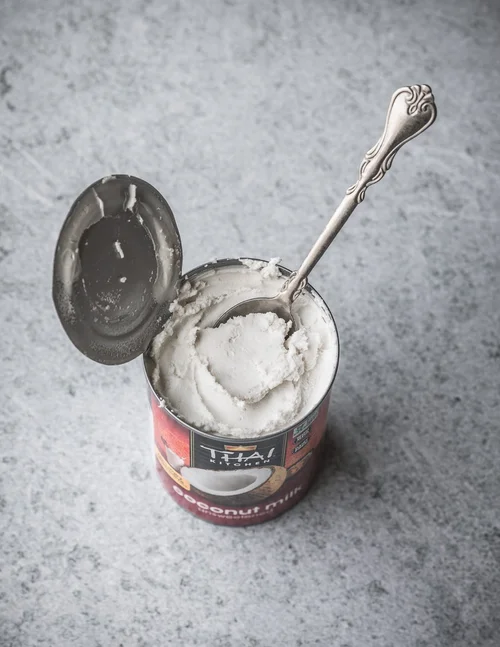
Credit: carolsvegankitchen.com
Whipping Techniques
Whipping coconut milk requires specific techniques to get the perfect creamy texture. The process is simple but needs the right tools and patience. Knowing how to whip coconut milk correctly helps create light and fluffy whipped cream for desserts and drinks.
Tools You Need
- Chilled can of full-fat coconut milk
- Mixing bowl (preferably metal or glass)
- Electric mixer or hand whisk
- Spatula
- Refrigerator or freezer for chilling
Step-by-step Whipping Process
Start by chilling the coconut milk can overnight. This helps the cream separate from the liquid. Open the can carefully and scoop out the thick cream into the bowl. Avoid using the liquid part; save it for smoothies or cooking.
Use the electric mixer or whisk to beat the cream. Start at low speed to avoid splashing. Gradually increase speed to whip air into the cream. Whip until soft peaks form. This usually takes 3 to 5 minutes. Stop as soon as stiff peaks appear to avoid overwhipping.
Tips To Achieve Stiff Peaks
- Keep all tools and coconut cream cold before whipping
- Use full-fat coconut milk for best results
- Whip in a cool environment to prevent melting
- Do not add sugar or flavor until peaks form
- Use gentle but steady whipping strokes
Sweetening And Flavoring Options
Whipping coconut milk creates a creamy base perfect for desserts and drinks. Sweetening and flavoring this whipped treat helps tailor it to your taste. There are many ways to add natural sweetness and exciting flavors without overpowering the coconut’s rich texture.
Natural Sweeteners
Natural sweeteners enhance coconut milk without artificial ingredients. Common choices include:
- Maple syrup – smooth and mild
- Honey – rich and floral
- Agave nectar – light and subtle
- Powdered sugar – dissolves easily and adds sweetness
These options blend well and keep the whipped coconut milk light. Adjust the amount depending on how sweet you want it.
Extracts And Spices
Extracts and spices bring unique aromas and tastes. Vanilla extract is a classic choice that pairs beautifully with coconut. Almond extract offers a nutty twist. Spices like cinnamon or nutmeg add warmth and depth.
Try a small pinch or a few drops. Stir gently into the whipped coconut milk for a balanced flavor.
Incorporating Cocoa Or Fruit
Cocoa powder transforms whipped coconut milk into a chocolate delight. Use unsweetened cocoa for a rich taste without extra sugar. Mixing in mashed berries or fruit purees creates fresh, fruity notes. Strawberries, mango, or blueberries work well.
Blend these ingredients carefully to maintain the fluffy texture. The result is a versatile, delicious treat suitable for many recipes.
Common Challenges And Fixes
Whipping coconut milk can be tricky. Many people face challenges that stop the milk from turning fluffy and smooth. Understanding common issues helps fix them quickly. This section covers why coconut milk might not whip, how to fix texture problems, and ways to prevent separation.
Why It Might Not Whip
Coconut milk needs a high fat content to whip well. Low-fat or light versions usually fail. Warm coconut milk also won’t whip properly. Using fresh, chilled coconut milk increases the chance of success. Some brands add stabilizers that stop whipping. Always check the label for full-fat content and no additives.
Fixing Runny Or Grainy Texture
Runny whipped coconut milk often means it was not cold enough. Chill the can and bowl before whipping. Grainy texture happens if the milk is overwhipped or poor quality. Whip gently and stop as soon as peaks form. Adding a small amount of powdered sugar can improve smoothness. Avoid mixing for too long to keep the texture light.
Preventing Coconut Separation
Separation happens when fat and liquid split apart. Stirring the can before chilling helps keep fat evenly mixed. Use coconut milk from cans with no added water or fillers. Whip straight after chilling to avoid separation. Store whipped coconut milk in the fridge and re-whip gently if needed before use.
Using Whipped Coconut Cream
Using whipped coconut cream opens up a world of delicious possibilities in your kitchen. Its light, airy texture and subtle coconut flavor make it a versatile ingredient that can enhance both sweet and savory dishes. Once you master whipping coconut cream, you’ll find it easy to add a creamy, dairy-free touch to many recipes.
Dessert Toppings
Whipped coconut cream works wonders as a topping for desserts. It’s perfect on pies, cakes, and fresh fruit, adding richness without overpowering other flavors.
Try spooning it over a warm apple crumble or a bowl of berries for an instant upgrade. You can even add a sprinkle of cinnamon or a drizzle of maple syrup to make it more exciting.
Have you noticed how traditional whipped cream can sometimes feel too heavy? Coconut cream stays light and refreshing, making it an excellent alternative.
Incorporating Into Recipes
You can mix whipped coconut cream directly into recipes to add moisture and creaminess. Use it in mousse, smoothies, or even as a base for dairy-free frosting.
It blends well with chocolate or vanilla and can replace heavy cream in many dishes. If you want a tangy twist, try folding in some lemon zest or fresh herbs for savory dishes.
What’s great is that it maintains its texture even when folded gently, so your recipe stays fluffy and light.
Storage And Shelf Life
Store your whipped coconut cream in an airtight container in the fridge to keep it fresh. It usually lasts up to 3-4 days but may separate slightly over time.
If separation happens, just give it a quick whisk before using. Avoid freezing whipped coconut cream, as it can change the texture and become grainy when thawed.
Have you ever tried freezing whipped dairy cream and ended up disappointed? Coconut cream is best enjoyed fresh for the best texture and taste.

Credit: cheflolaskitchen.com
Frequently Asked Questions
Can You Whip Coconut Milk Into Cream?
Yes, you can whip coconut milk into cream by chilling it overnight. Use only the thick cream layer for best results. Whip it with a mixer until fluffy, similar to whipped cream. It works great as a dairy-free alternative in desserts.
How Long Should Coconut Milk Be Chilled?
Chill coconut milk for at least 12 hours in the refrigerator. This allows the cream to separate and solidify on top. Proper chilling is essential to achieve a thick texture suitable for whipping.
Does The Fat Content Affect Whipping Coconut Milk?
Yes, higher fat content in coconut milk improves whipping results. Full-fat coconut milk contains more cream, making it easier to whip. Low-fat versions usually do not whip well due to insufficient fat.
Can You Sweeten Whipped Coconut Milk?
Absolutely, you can sweeten whipped coconut milk with sugar or natural sweeteners. Add sweeteners gradually while whipping to ensure even distribution. This enhances flavor without compromising the whipped texture.
Conclusion
Whipping coconut milk is simple with the right steps. Use chilled full-fat coconut milk for best results. Scoop only the thick cream part and whip slowly. It creates a light, fluffy texture like whipped cream. Perfect for desserts, drinks, or toppings.
Remember, not all coconut milk brands whip well. Experiment to find your favorite. This natural alternative adds flavor and richness to recipes. Try it today and enjoy a dairy-free treat.

Hi, I’m Daniel Brooks—a food lover and kitchen gear enthusiast. I enjoy testing cookware, utensils, and gadgets to see what really works in everyday cooking. At PlugChef.com, I share honest reviews, comparisons, and simple guides to help you choose the best tools for a safer, smarter, and more enjoyable kitchen.
Related posts:
 What Type of Cooking Utensils are Safe: Expert Picks
 What Innovations Could Blenders Make: Unleashing Future Tech
 Smart Strategies to Organize a Small Kitchen: Maximize Space
 How to Organize a Kitchen Cabinet: Expert Tips & Tricks
 How to Organize Kitchen Drawers: Expert Tips and Tricks
 How to Organize a Corner Kitchen Cupboard: Expert Tips

