
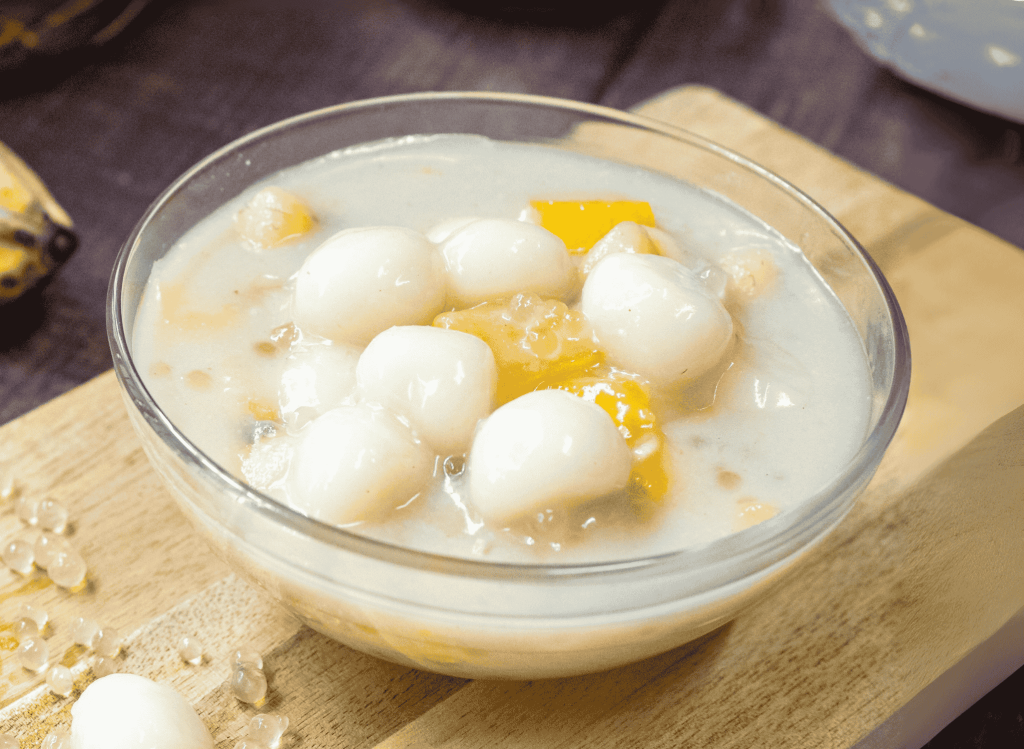
Have you ever wondered why glutinous rice and coconut milk are a perfect match? This delicious combination has been a favorite in many cultures for centuries.
When you taste the creamy, sweet coconut milk blended with the chewy texture of glutinous rice, it creates a unique experience you won’t forget. You’ll discover how these two ingredients come together to make mouthwatering dishes that are simple to prepare and full of flavor.
Ready to learn the secrets behind this tasty duo? Keep reading, and you’ll soon be able to impress your friends and family with your own delicious creations.
Credit: cooked.wiki
Origins Of Glutinous Rice Desserts
Glutinous rice desserts have a rich history rooted in many Asian cultures. These sweet treats combine sticky rice with coconut milk, creating a unique texture and flavor. The origins trace back centuries, where farmers and cooks used local ingredients to craft simple, satisfying desserts. These dishes reflect local tastes and traditions, often passed down through generations.
Cultural Significance
Glutinous rice desserts hold deep cultural meaning in many communities. They often appear during festivals, celebrations, and religious ceremonies. These desserts symbolize unity and prosperity. Sharing these sweets strengthens family bonds and honors heritage. Each region adds its own twist, reflecting its history and values.
Traditional Uses
Traditionally, glutinous rice desserts serve multiple purposes beyond just taste. They are common offerings in temples and shrines. Families prepare these dishes for special occasions like weddings and harvest festivals. The sticky texture represents togetherness, while coconut milk adds richness. These desserts also provide energy and comfort during gatherings.
Choosing The Right Glutinous Rice
Choosing the right glutinous rice is crucial for a perfect blend with coconut milk. The texture and flavor of your dish depend heavily on the rice you select. Knowing the differences between types and how to pick quality grains can elevate your recipe from good to unforgettable.
Types Of Glutinous Rice
Glutinous rice isn’t just one kind; it comes in several varieties that affect your dish’s outcome.
- White glutinous rice:The most common type, with a sticky texture and mild flavor. It’s perfect for desserts and savory dishes alike.
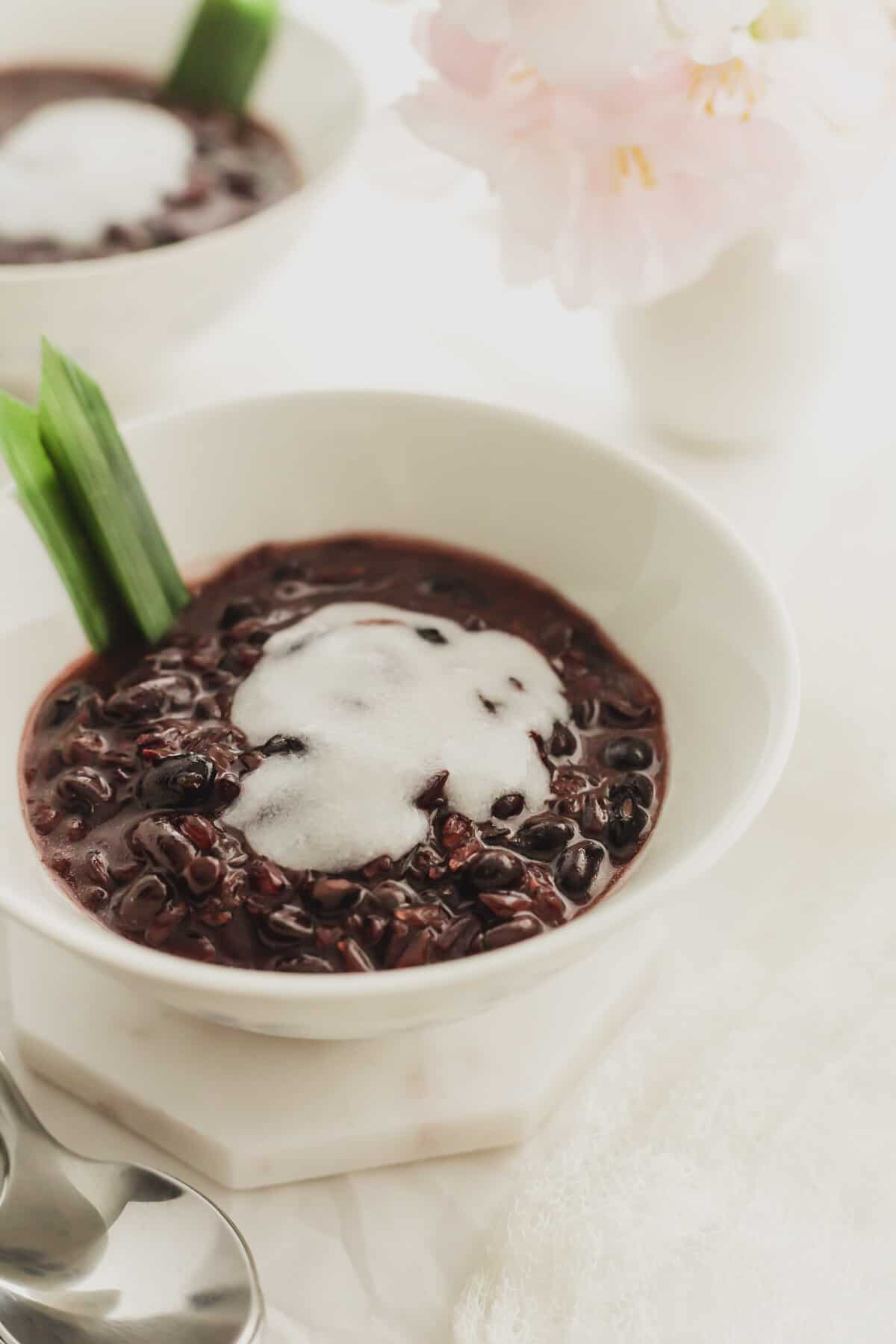
- Black glutinous rice:Also called black sticky rice, it has a nuttier flavor and turns deep purple when cooked. It adds a unique color and taste to your recipes.
- Red glutinous rice:This type has a slightly earthy taste and is less sticky than white or black. It’s great if you want a firmer texture and a hint of nuttiness.
Each type behaves differently with coconut milk, so pick one that suits your recipe’s flavor and texture needs. Have you ever experimented with black or red glutinous rice in your dishes?
Tips For Quality Selection
Quality makes a huge difference. Look for grains that are whole, plump, and free of cracks. Freshness matters, so check the packaging date if you can.
- Smell the rice:Fresh rice should have a clean, neutral scent. A stale or musty smell means it’s past its prime.
- Check the texture:Good glutinous rice feels firm and dry to the touch, not damp or sticky.
- Avoid mixed grains:Sometimes regular rice gets mixed in, which can ruin the sticky texture you want.
Have you noticed how the best sticky rice makes coconut milk taste richer? Choosing quality rice sets the foundation for that experience.
Essence Of Coconut Milk
The essence of coconut milk is a delightful mix of creamy texture and a rich, slightly sweet flavor that enhances many dishes. Whether you’re stirring it into a pot of glutinous rice or using it to create a luscious dessert, coconut milk adds a tropical twist that is both exotic and comforting. The combination of glutinous rice and coconut milk is a beloved staple in many cultures, offering a unique taste experience that is both indulgent and satisfying.
Fresh Vs. Canned Coconut Milk
Choosing between fresh and canned coconut milk can significantly impact your dish. Fresh coconut milk is made by grating the flesh of a mature coconut and squeezing out the liquid. It offers a purer taste and a silky texture that is hard to replicate. On the other hand, canned coconut milk is convenient and has a longer shelf life, making it a practical choice for everyday cooking.
Have you ever tried making coconut milk from scratch? The process can be quite rewarding, offering a fresher taste and a sense of accomplishment. However, if you’re pressed for time, canned coconut milk is a great alternative, providing similar flavors with minimal effort.
Flavor Profiles And Uses
Coconut milk’s flavor profile is both versatile and unique. Its creamy texture and slight sweetness can enhance savory dishes like curries and soups, adding depth and richness. In desserts, coconut milk pairs beautifully with ingredients like mango, banana, and, of course, glutinous rice.
Think about the last time you had a dessert that surprised you. Was coconut milk part of it? This ingredient can transform a simple dish into a memorable one, whether it’s a classic Thai coconut sticky rice or a modern twist on a rice pudding.
Understanding the uses of coconut milk can elevate your cooking. Next time you’re in the kitchen, consider experimenting with both fresh and canned versions to discover your personal preference. Which do you think will become your new kitchen staple?
Basic Preparation Techniques
Mastering the basic preparation techniques of glutinous rice and coconut milk is essential for creating dishes with perfect texture and rich flavor. These steps might seem simple, but they hold the key to achieving that delightful balance every time you cook. Let’s break down the essentials so you can get consistent results in your kitchen.
Soaking And Cooking Rice
Soaking glutinous rice before cooking is crucial. It softens the grains and reduces cooking time, helping the rice to cook evenly. You should soak the rice for at least 4 hours, or overnight if possible, in cold water.
After soaking, drain the rice well. You can steam it traditionally using a bamboo steamer or a fine mesh sieve placed over boiling water. Steaming keeps the rice sticky yet fluffy, which is exactly what you want.
Have you noticed how some sticky rice batches turn out too hard or mushy? That’s often due to insufficient soaking or steaming time. Try adjusting soaking times based on your environment—longer in dry climates, shorter where humidity is high.
Incorporating Coconut Milk
Coconut milk adds creaminess and a subtle sweetness to glutinous rice dishes. It’s best to add it after the rice has been cooked through steaming. Pour warm coconut milk over the rice while it’s still hot, so the grains absorb the flavor deeply.
Use fresh coconut milk if you can—it has a richer taste than canned versions. Stir gently to avoid breaking the rice grains while mixing. Then, cover the rice and let it rest for 10-15 minutes to allow the flavors to meld.
Think about the texture you want: Do you prefer your rice drier or more moist? Adjust the amount of coconut milk accordingly. More coconut milk creates a softer, creamier dish, while less keeps the rice firmer and less rich.
Classic Creamy Recipes
Glutinous rice and coconut milk create a perfect blend of creamy texture and rich flavor. These classic recipes highlight the smooth and sticky qualities that make this pairing a favorite in many cultures. Both dishes are simple to make and comforting to eat.
They showcase how natural ingredients can combine into delightful desserts. The creamy coconut milk enhances the mild sweetness of glutinous rice, making each bite luscious and satisfying.
Sticky Rice With Mango
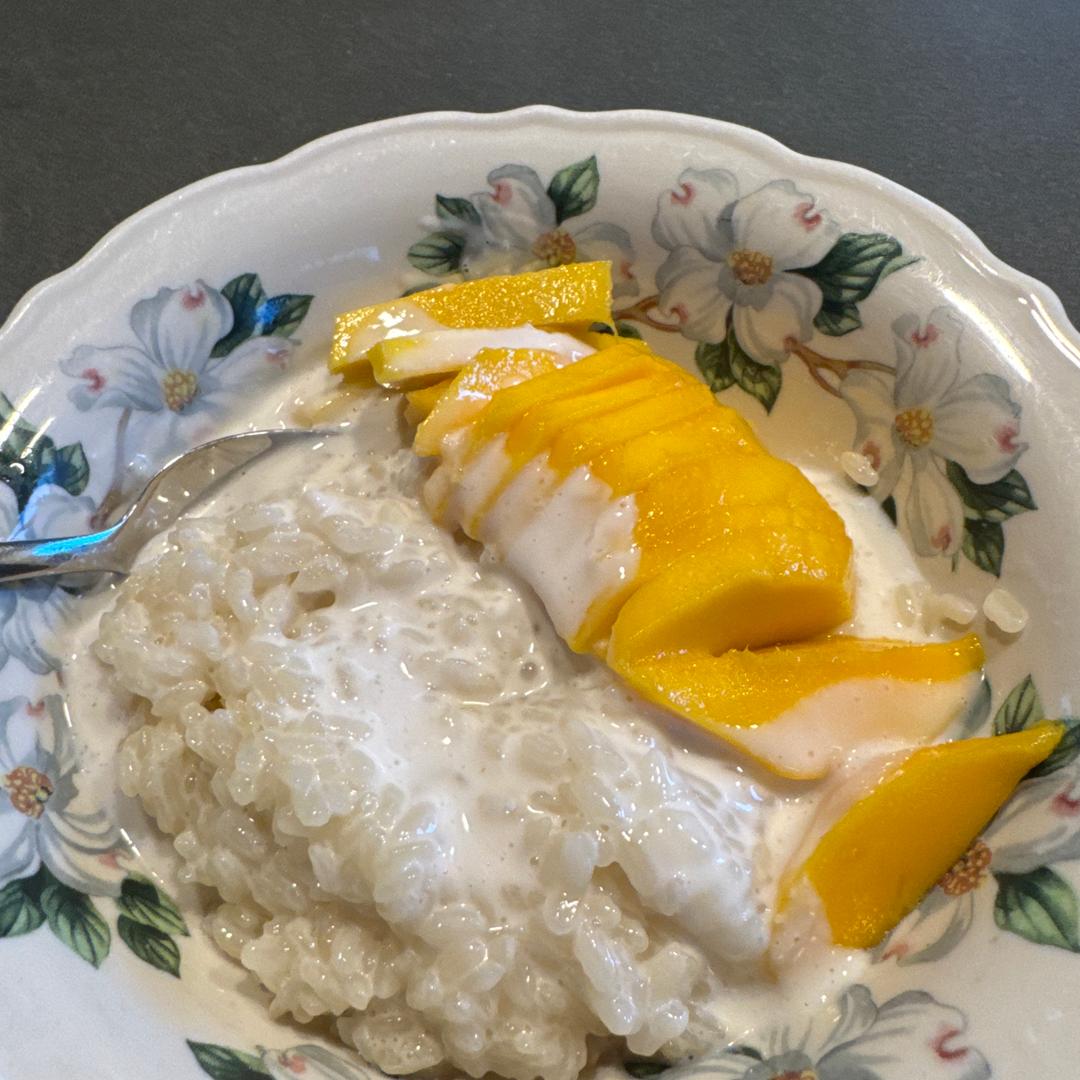
Sticky rice with mango is a popular dessert in Southeast Asia. The glutinous rice is cooked until soft and sticky. Then, it is mixed with thick coconut milk and a touch of sugar.
Serve this creamy rice alongside ripe mango slices. The juicy mango adds freshness and a bright contrast. This dessert balances sweet, creamy, and fruity flavors perfectly.
- Soak glutinous rice for several hours.
- Steam rice until tender and sticky.
- Mix coconut milk with sugar and a pinch of salt.
- Pour coconut sauce over the warm rice.
- Serve with fresh mango slices on the side.
Coconut Rice Pudding
Coconut rice pudding is a creamy, warm dessert. It uses glutinous rice cooked slowly in coconut milk. The rice absorbs the milk, creating a rich texture.
Sweeten with sugar and add a hint of vanilla or pandan leaf. This pudding can be served warm or chilled. Top with toasted coconut flakes or nuts for extra crunch.
- Combine glutinous rice and coconut milk in a pot.
- Cook over low heat, stirring often.
- Add sugar and flavorings halfway through cooking.
- Continue until the mixture thickens to pudding consistency.
- Serve warm or cold with toppings of choice.
Innovative Dessert Variations
Glutinous rice and coconut milk together create a rich, creamy base that can transform simple ingredients into exciting desserts. By experimenting with textures and temperatures, you can craft treats that surprise your palate and delight your guests. Let’s look at some inventive ways to enjoy these classic flavors beyond the usual recipes.
Glutinous Rice Cakes
Glutinous rice cakes are a fantastic way to enjoy the sticky texture of the rice combined with the smoothness of coconut milk. You can shape the rice into bite-sized cakes and pan-fry them for a crispy outside and chewy inside.
Adding ingredients like mango chunks, pandan leaves, or even a sprinkle of toasted sesame seeds can elevate the flavor. Have you tried mixing sweetened coconut cream into the rice before forming the cakes? It makes each bite extra moist and flavorful.
These cakes can be served warm or at room temperature, making them versatile for any occasion. Imagine serving them as a unique appetizer or a sweet snack with your afternoon tea.
Frozen Coconut Rice Treats
Freezing glutinous rice mixed with coconut milk creates a refreshing dessert perfect for hot days. You can add fresh fruits like pineapple or lychee to the mixture before freezing to add bursts of flavor and texture.
Try layering the frozen rice with a drizzle of palm sugar syrup or a sprinkle of crushed peanuts to add contrast. Have you ever considered using silicone molds to create fun shapes? It makes the treats visually appealing and fun to eat.
This frozen dessert is easy to prepare in advance and ideal for parties or quick cooling snacks. How would you customize these treats to match your favorite flavors?
Enhancing Flavors And Textures
Glutinous rice and coconut milk create a rich, creamy base that feels soft and smooth. Enhancing flavors and textures lifts this simple dish to a new level. Small changes can make a big difference in taste and mouthfeel.
Adding crunchy or chewy elements contrasts well with the softness. Sweetness and nuttiness bring depth without overpowering the delicate coconut flavor.
Adding Nuts And Seeds
Nuts and seeds add a pleasant crunch and extra nutrition. Toasted almonds, cashews, or peanuts give a warm, nutty aroma. Sesame seeds add subtle earthiness and texture.
- Lightly toast nuts or seeds for more flavor
- Sprinkle on top just before serving for crunch
- Mix in during cooking for softer texture
These small touches make each bite interesting. The contrast between creamy rice and crunchy nuts excites the palate.
Using Natural Sweeteners
Natural sweeteners balance the richness of coconut milk. Palm sugar, honey, or maple syrup blend smoothly without harshness. They add mild sweetness with hints of caramel or floral notes.
- Stir sweeteners into the rice as it cooks
- Adjust sweetness to taste for subtle flavor
- Try combining two sweeteners for complexity
Sweeter rice enhances the coconut’s natural creaminess. The result is a harmonious, inviting dessert or snack.
Credit: www.siftandsimmer.com
Serving And Presentation Ideas
Serving glutinous rice and coconut milk offers more than just taste—it’s a chance to engage all your senses. How you present this dish can change the entire experience, inviting curiosity and delight at the table. Let’s look at ways to serve this classic combination that honor tradition and add a modern twist.
Traditional Serving Styles
Traditionally, glutinous rice and coconut milk are served in simple, rustic ways that highlight their natural textures and flavors. Often, the rice is molded into neat mounds or balls, placed on banana leaves for a subtle aroma and vibrant presentation.
Many cultures add fresh toppings like ripe mango slices or toasted sesame seeds, offering a balance of sweetness and crunch. Serving in small bowls or on wooden plates keeps the focus on the dish itself, making every bite feel authentic and homey.
Have you ever noticed how these simple touches connect you to the origins of the dish? They remind you that food is not just about eating but about sharing culture and memories.
Modern Plating Tips
Modern plating turns glutinous rice and coconut milk into a visual feast. Try using clear glass bowls or minimalist white plates to contrast with the creamy texture and glossy finish of the coconut milk.
Arrange the rice in geometric shapes or use ring molds for a clean, sophisticated look. Adding edible flowers or a drizzle of fruit puree can brighten the plate and introduce new flavors.
Consider layering the rice with coconut milk and fresh fruit in a tall glass for an elegant parfait-style dessert. This style invites your guests to see every ingredient, enhancing anticipation before the first bite.
What small change can you make to your presentation that will surprise your guests and make this simple dish feel special?
Storage And Shelf Life
Proper storage of glutinous rice and coconut milk extends freshness and prevents spoilage. These ingredients are delicate and require careful handling. Understanding their shelf life helps maintain taste and safety. Below are tips to keep them fresh longer.
Refrigeration Tips
Store cooked glutinous rice in an airtight container. Keep it in the refrigerator for up to 3 days. Coconut milk should also be refrigerated after opening. Use a sealed container to avoid absorbing odors. Shake or stir coconut milk before use, as separation may occur.
Freezing And Reheating
Freezing glutinous rice preserves it for up to 1 month. Portion the rice in freezer-safe bags or containers. Thaw it in the refrigerator overnight for best results. Reheat gently using a steamer or microwave. Add a splash of water to keep rice moist.
Coconut milk can be frozen but may change texture. Stir well after thawing to mix separated solids. Use thawed coconut milk quickly to keep flavor. Avoid refreezing to maintain quality and safety.

Credit: www.nava-k.com
Frequently Asked Questions
What Is Glutinous Rice And How Is It Used?
Glutinous rice is a sticky, short-grain rice popular in Asian desserts. It’s used for its chewy texture in dishes like sticky rice with mango, rice cakes, and dumplings.
Why Is Coconut Milk Paired With Glutinous Rice?
Coconut milk adds rich, creamy flavor and moisture to glutinous rice. This combination enhances taste and creates a smooth, sweet dessert texture.
Can Glutinous Rice And Coconut Milk Be Used In Savory Dishes?
Yes, they can be used in savory dishes like Thai sticky rice with salted eggs. Coconut milk balances salty flavors and adds richness to savory meals.
How Do You Cook Glutinous Rice With Coconut Milk?
Soak glutinous rice for several hours, then steam until tender. After cooking, mix with warm coconut milk and sugar for a creamy texture.
Conclusion
Glutinous rice and coconut milk make a perfect pair. They create dishes that are soft, sweet, and creamy. Many cultures enjoy this combination in desserts and snacks. The flavors mix well and bring comfort to the table. Cooking with these ingredients is simple and fun.
Try adding fruits or nuts for extra taste. This classic duo offers a taste of tradition and warmth. Give it a chance in your kitchen soon. You won’t regret the delicious results.

Hi, I’m Daniel Brooks—a food lover and kitchen gear enthusiast. I enjoy testing cookware, utensils, and gadgets to see what really works in everyday cooking. At PlugChef.com, I share honest reviews, comparisons, and simple guides to help you choose the best tools for a safer, smarter, and more enjoyable kitchen.
Related posts:
 What Type of Cooking Utensils are Safe: Expert Picks
 What Innovations Could Blenders Make: Unleashing Future Tech
 Smart Strategies to Organize a Small Kitchen: Maximize Space
 How to Organize a Kitchen Cabinet: Expert Tips & Tricks
 How to Organize Kitchen Drawers: Expert Tips and Tricks
 How to Organize a Corner Kitchen Cupboard: Expert Tips

