

Few dishes are as budget-friendly, nutrient-dense, and comforting as a pot of slow-simmered stewed black eyed peas. A staple of Southern U.S. cuisine and a traditional New Year’s dish for good luck, this humble legume works for weeknight dinners, potlucks, meal prep, and even holiday spreads. This recipe delivers rich, savory flavor with minimal active time, works for vegetarian, vegan, and meat-eating diets, and packs a powerful nutritional punch. Below, you’ll find step-by-step instructions for three cooking methods, pro tips for perfect texture, flavor customization ideas, serving suggestions, and answers to common questions.
 A classic stovetop version of stewed black eyed peas, ready to serve in under an hour.
Image source: kelliesfoodtoglow.com
A classic stovetop version of stewed black eyed peas, ready to serve in under an hour.
Image source: kelliesfoodtoglow.com
Why This Stewed Black Eyed Peas Recipe Stands Out
Unlike many rushed recipes that call for only canned peas and minimal seasoning, this version works for both dried and canned legumes, with clear instructions to avoid the two most common pitfalls: mushy, overcooked peas, or undercooked, gritty centers. It’s customizable to fit any dietary restriction, freezes beautifully for up to 3 months, and tastes even better the next day as flavors meld. Whether you’re an experienced home cook or making stewed black eyed peas for the first time, these steps will guarantee a delicious, foolproof result every time.
Ingredients You’ll Need
This recipe uses simple, easy-to-find ingredients, with substitution options for common dietary needs and pantry gaps. All measurements yield 4 servings.
Core Ingredients
- 1 cup dried black eyed peas (soaked overnight, optional for pressure cooker/slow cooker) OR 2 cups canned black eyed peas (rinsed and drained to reduce sodium)
- 1 medium yellow onion, finely chopped
- 3 cloves garlic, minced
- 1 medium green bell pepper, diced
- 2 medium ripe tomatoes, chopped (or 1 14.5oz can diced tomatoes, undrained)
- 2 cups low-sodium vegetable or chicken broth
- 1 tsp smoked paprika
- ½ tsp ground cumin
- ½ tsp freshly ground black pepper
- 1 tsp kosher salt (adjust to taste)
- ¼ tsp cayenne pepper (optional, for heat)
- 2 tbsp fresh parsley or cilantro, chopped (for garnish)
Optional Add-Ins
- 1 smoked ham hock, 2 slices of bacon, or 1 tbsp liquid smoke (for smoky flavor, omit for vegan/vegetarian)
- 1 cup chopped fresh spinach, kale, or collard greens (added at the end of cooking)
- 1 diced carrot or celery stalk (for extra sweetness and crunch)
- 1 tbsp olive oil or butter (for sautéing aromatics)
Ingredient Substitution Guide
| Ingredient | Standard Option | Substitutions |
|---|---|---|
| Black eyed peas | 1 cup dried (soaked) or 2 cups canned | 1 16oz bag frozen black eyed peas (no thaw needed, add 5 mins to stovetop cook time) |
| Broth | 2 cups low-sodium vegetable/chicken | 2 cups water + 1 tsp bouillon paste, or low-sodium broth for sodium-sensitive diets |
| Fresh tomatoes | 2 medium chopped | 1 can (14.5oz) diced tomatoes (undrained) for deeper, richer flavor |
| Fresh greens | 1 cup spinach/kale | ½ cup frozen chopped collards, or omit if preferred |
Preparing Black Eyed Peas: The Foundation of Perfect Texture
The prep work for black eyed peas is minimal, but skipping key steps will lead to grittiness, uneven cooking, or even unpleasant debris in your finished stew. Follow these steps for consistent, perfect results every time. Always follow USDA safe food handling guidelines when prepping raw ingredients to avoid cross-contamination and foodborne illness.
Sorting and Rinsing
Before soaking or cooking, spread dried peas in a single layer on a clean baking sheet and pick out any small stones, shriveled peas, or debris. Rinse thoroughly under cold running water to remove dust and packaging residue. This step takes 2-3 minutes, but eliminates the risk of biting into hard foreign material, a common issue with bulk-bin dried legumes. Canned peas only need a quick rinse under cold water to remove excess sodium and canning liquid.
Soaking Methods
Soaking dried black eyed peas softens their skins, reduces overall cook time by 30-45 minutes, and leads to a more even, tender texture. Choose the method that fits your schedule:
- Overnight cold soak: Place rinsed peas in a large bowl, cover with 3 inches of cold water, and let sit at room temperature for 8-12 hours. This is the best method for the most consistent texture, as the slow absorption prevents the pea skins from breaking down.
- Quick hot soak: For same-day prep, place rinsed peas in a large pot, cover with 3 inches of water, and bring to a rolling boil. Boil for 2 minutes, then remove from heat, cover, and let soak for 1 hour. This method works well for stovetop cooking, but may lead to slightly softer peas than the overnight soak.
In practice, most home cooks find that overnight soaked peas have the best, most consistent bite, holding up well to long simmering without turning mushy.
Why Skipping Soak Works for Some Methods (But Not Stovetop)
If you’re using a slow cooker or pressure cooker, you can skip soaking entirely – the low, steady heat of a slow cooker or high pressure of a pressure cooker will soften unsoaked peas evenly. For stovetop cooking, however, skipping soak will extend cook time to 90+ minutes and increase the risk of undercooked, gritty centers. If you forget to soak overnight, the quick hot soak is a reliable backup.
Cooking Methods for Every Schedule
Stewed black eyed peas cook beautifully via three common methods, each suited to different time constraints and flavor preferences. All methods start with sautéing aromatics (onion, garlic, bell pepper) in oil or butter over medium heat for 3-4 minutes, until softened and fragrant, unless noted otherwise.
Stovetop Method (Best for Flavor Control)
The stovetop method gives you the most control over seasoning and texture, making it ideal for cooks who like to adjust flavors as they go:
- Add soaked, rinsed peas, broth, spices, and optional smoked meat to the pot with sautéed aromatics. Stir to combine.
- Bring the mixture to a rolling boil, then reduce heat to low, cover, and simmer for 45-60 minutes, stirring occasionally, until peas are tender but not falling apart.
- Stir in fresh greens and cook for 2-3 more minutes, until wilted.
- Taste and adjust seasoning as needed, adding more salt, pepper, or cayenne to taste.
Pro tip: If the stew is too thin, mash 2-3 tablespoons of cooked peas against the side of the pot and stir them in to thicken the broth naturally. A common mistake here is boiling the stew vigorously, which breaks down pea skins and leads to a mushy, split texture.
Slow Cooker Method (Set-It-and-Forget-It)
The slow cooker is perfect for busy days when you want a hot meal ready when you walk in the door. No pre-soaking is required for this method:
- Add rinsed, sorted unsoaked dried peas (or rinsed canned peas), sautéed aromatics, broth, spices, and optional smoked meat to the slow cooker. Stir to combine.
- Cook on low for 7-8 hours or high for 3-4 hours.
- Stir in fresh greens 30 minutes before the end of cooking if using the low setting, or 10 minutes before if using high.
Pro tip: Layer aromatics on top of the peas to prevent them from sticking to the bottom of the crock. In practice, slow cooker stewed black eyed peas develop deeper, more melded flavors than stovetop versions, as the low, steady heat allows spices and smoky elements to infuse the peas evenly over several hours.
Pressure Cooker Method (Under 30 Minutes Total)
For days when you don’t have hours to cook, the pressure cooker delivers perfectly tender stewed black eyed peas in a fraction of the time, no soaking required:
- Use the sauté function on your pressure cooker to cook aromatics for 2 minutes, until softened.
- Add rinsed, sorted unsoaked dried peas, broth, spices, and optional smoked meat. Stir to combine, taking care to scrape up any browned bits from the bottom of the pot to avoid burn errors.
- Seal the lid, set to high pressure for 18 minutes, then allow for a 10-minute natural release before quick-releasing any remaining pressure.
- Stir in fresh greens and let sit for 2 minutes to wilt before serving.
Pro tip: Avoid adding salty ingredients like smoked ham hock until after cooking if you are sensitive to sodium, as pressure cooking concentrates salt flavors. A common error here is overcooking by even 2-3 minutes, which leads to a split, mushy texture similar to split pea soup.
 Slow-cooked stewed black eyed peas have a rich, creamy broth and tender, perfectly cooked peas.
Image source: www.ranchogordo.com
Slow-cooked stewed black eyed peas have a rich, creamy broth and tender, perfectly cooked peas.
Image source: www.ranchogordo.com
Flavor Boosters and Customization Tips
While this base recipe is delicious as written, small tweaks can tailor it to your taste preferences and dietary needs.
Smoky and Savory Add-Ins
Smokiness pairs perfectly with the earthy, mild flavor of black eyed peas. For a meat-based smoky flavor, add a smoked ham hock, 2 slices of diced bacon, or 1 tbsp of bacon fat when sautéing aromatics. For a vegetarian or vegan option, use 1 tsp smoked paprika (already included in the base recipe), 1 diced chipotle in adobo, or 1 tsp liquid smoke for the same depth of flavor without meat.
Spice and Acidity Adjustments
For extra heat, add an extra ¼ tsp of cayenne pepper or a diced jalapeño with the aromatics. To cut through the richness of the stew, stir in 1 tsp of apple cider vinegar or a squeeze of fresh lemon juice right before serving – this brightens the flavor without making the stew taste sour. For a warmer, more aromatic profile, add 1 dried bay leaf or ½ tsp dried thyme with the broth, and remove the bay leaf before serving.
Dietary Modifications
This recipe is easily adaptable for most diets:
- Vegan/vegetarian: Use vegetable broth, skip meat add-ins, and use olive oil instead of butter.
- Gluten-free: Ensure your broth is certified gluten-free, as some commercial broths contain gluten additives.
- Low-sodium: Use low-sodium broth, skip added salt, and rinse canned peas thoroughly to remove excess sodium.
Serving and Storage Guide
Perfect Pairings
Stewed black eyed peas pair well with a wide range of sides to make a full, balanced meal. Classic Southern pairings include fluffy white rice, warm cornbread, braised collard greens, or fried okra. For a lighter, modern meal, serve over quinoa or roasted sweet potatoes, or use as a filling for tacos, grain bowls, or stuffed bell peppers. For even, uniform cuts of cheese or veggies to pair with your stew, check out our guide to prepping charcuterie board components for pro chopping tips.
Garnish Ideas
A simple garnish elevates the look and flavor of your stew with minimal effort:
- Fresh chopped parsley or cilantro for a bright, herbaceous pop
- Diced red onion for a tangy, crunchy contrast
- A dollop of sour cream or coconut yogurt for vegan creamy richness
- Toasted pepitas or sliced green onions for extra texture
Storage and Reheating
Leftover stewed black eyed peas store beautifully, and taste even better the next day as flavors continue to meld:
- Fridge: Store in an airtight container for up to 4 days.
- Freezer: Freeze in portion-sized airtight containers or freezer bags for up to 3 months. Thaw in the fridge overnight before reheating.
- Reheating: Reheat gently on the stovetop over low heat, stirring occasionally, and add a splash of water or broth to prevent the stew from drying out. Microwave reheating works for single servings, but cover the dish to avoid splatters and stir halfway through heating.
If you have young children helping in the kitchen, keep child-safe cabinet locks on lower storage to keep sharp knives and raw ingredients out of reach.
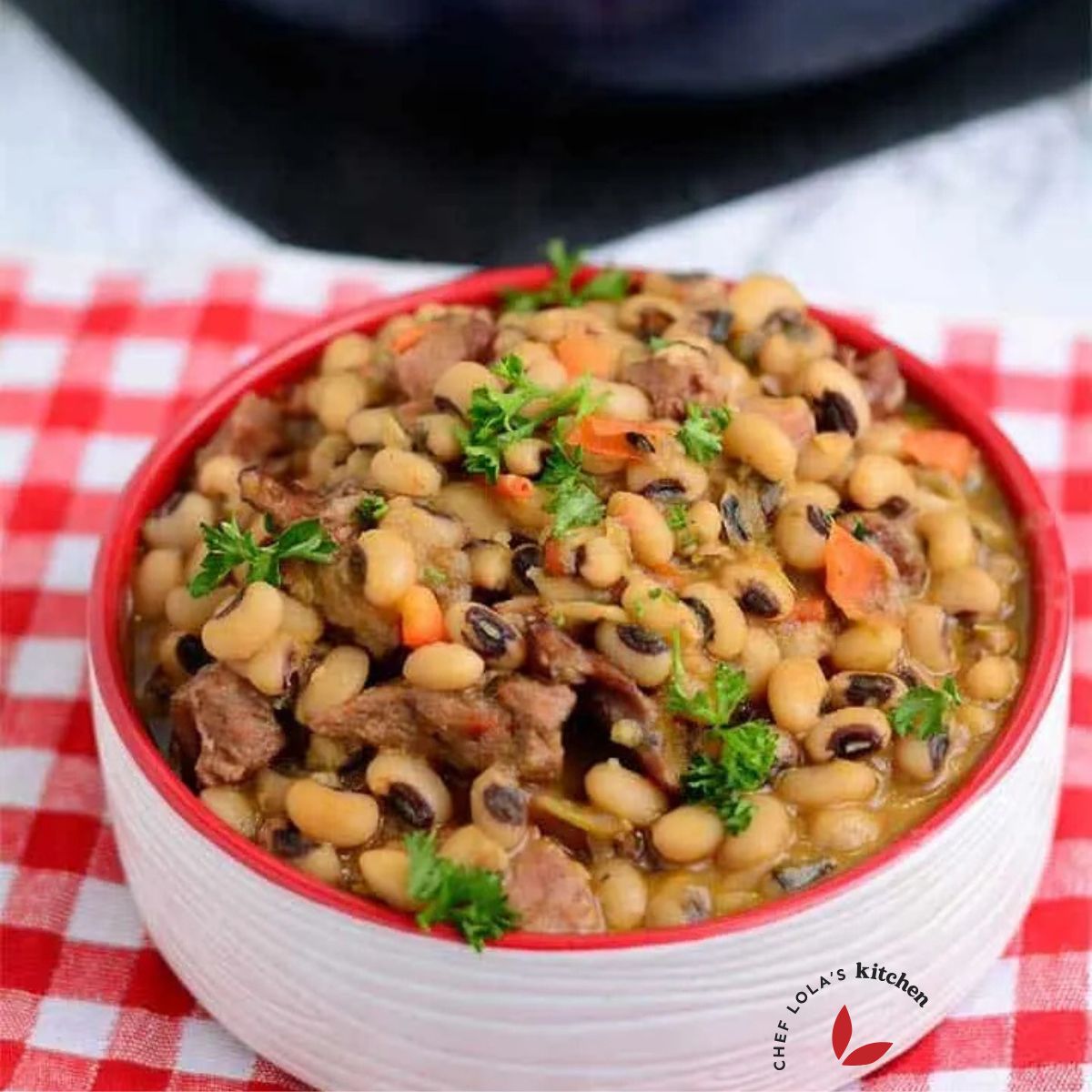 Traditional Southern pairing of stewed black eyed peas with cornbread and braised greens.
Image source: cheflolaskitchen.com
Traditional Southern pairing of stewed black eyed peas with cornbread and braised greens.
Image source: cheflolaskitchen.com
Common Mistakes to Avoid
Even experienced cooks can run into issues with stewed black eyed peas. Avoid these common pitfalls for perfect results every time:
- Skipping the sort and rinse step for dried peas: Bulk-bin dried legumes often contain small stones or debris, which can lead to unpleasant surprises in your finished stew. A 2-minute sort eliminates this risk entirely.
- Boiling instead of simmering: Vigorous boiling breaks down pea skins, leading to mushy, split peas. Keep the heat at a low, steady simmer for the best texture.
- Over-salting early: Salt draws moisture out of peas, leading to tougher texture if added at the start of cooking. Add salt halfway through cooking, or adjust to taste at the end, especially if using salty smoked meat or broth.
- Adding fresh greens too early: Leafy greens like spinach and kale will turn slimy and overcooked if added at the start of cooking. Stir them in only during the last 2-3 minutes of cooking, just until wilted.
- Not adjusting seasoning after cooking: Flavors mellow as the stew sits, so always taste and adjust salt, pepper, or spice levels right before serving.
Nutritional Benefits and Dietary Info
Stewed black eyed peas are as nutritious as they are delicious, making them a great addition to any balanced diet. Harvard T.H. Chan School of Public Health’s Nutrition Source confirms that regular legume consumption is linked to lower risk of heart disease, type 2 diabetes, and certain cancers.
Macronutrient Breakdown
Per 1 cup of cooked stewed black eyed peas (made with vegetable broth, no added meat):
- 13g of plant-based protein (26% of daily value for a 2000-calorie diet)
- 10g of dietary fiber (40% of daily value)
- 35g of complex carbohydrates
- 4g of fat, less than 1g of which is saturated
- 20% of daily value of folate, 15% of daily value of iron, and 10% of daily value of potassium
The dish is naturally gluten-free, and easily made vegan or vegetarian with simple swaps. It is also low on the glycemic index, making it a good choice for blood sugar management.
Gut Health Benefits
The high fiber content in black eyed peas feeds beneficial gut bacteria, promotes regular digestion, and reduces risk of constipation. Over time, regular legume consumption can improve overall gut microbiome health, supporting immune function and reducing inflammation.
Heart Health Support
Soluble fiber in black eyed peas helps lower LDL (bad) cholesterol levels, while potassium and magnesium support healthy blood pressure and blood vessel function. Replacing red meat with plant-based legumes like black eyed peas a few times a week is a simple, evidence-based way to support long-term heart health.
Store unused dried black eyed peas in an airtight container in a cool, dry pantry, and use no-drill drawer locks to keep them out of reach of young children and pets. For deep cleaning your heavy stew pot after cooking, a professional-grade cleaning brush with stiff bristles will cut through stuck-on bits without scratching the surface. After cooking, tackle any leftover mess on your countertops and cookware with heavy-duty cleaning tools designed for tough, baked-on residue.
Frequently Asked Questions
What ingredients do I need for stewed black eyed peas?
The core ingredients are black eyed peas (dried or canned), onion, garlic, bell pepper, tomatoes, broth, smoked paprika, cumin, salt, and pepper. Optional add-ins include smoked meat, fresh greens, carrots, and celery, plus substitutions are available for almost every ingredient to fit dietary needs.
How long does it take to cook stewed black eyed peas?
Cook time varies by method: stovetop takes 1 hour 15 minutes total (including 10 minutes of prep), slow cooker takes 3-8 hours depending on heat setting, and pressure cooker takes 30 minutes total. Dried peas that are pre-soaked will cook 30-45 minutes faster than unsoaked peas on the stovetop.
Can I make stewed black eyed peas vegan?
Yes, simply use vegetable broth, skip all meat add-ins, and use olive oil instead of butter. Add extra smoked paprika or a dash of liquid smoke to replicate the smoky flavor that meat typically provides.
Do I have to soak dried black eyed peas before cooking?
Soaking is required for stovetop cooking to reduce cook time and ensure even texture, but you can skip soaking if using a slow cooker or pressure cooker. If you forget to soak overnight, use the quick hot soak method for a 1-hour soak before stovetop cooking.
Can I use frozen black eyed peas for this recipe?
Yes, frozen black eyed peas work perfectly for all cooking methods. Add them directly to the pot without thawing, and add 5-7 minutes to stovetop cook time. No adjustments are needed for slow cooker or pressure cooker methods.
Are black eyed peas the same as black beans?
No, black eyed peas are a type of cowpea with a mild, earthy flavor and a distinctive black "eye" spot on the side of the pea. They have a firmer, less creamy texture than black beans when cooked, and a slightly milder flavor profile.
How should I store leftover stewed black eyed peas?
Store leftovers in an airtight container in the refrigerator for up to 4 days, or freeze for up to 3 months. Reheat gently on the stovetop or in the microwave, adding a splash of broth or water to prevent the stew from drying out.
Conclusion
Stewed black eyed peas are a versatile, budget-friendly, and nutrient-dense dish that works for any occasion, from casual weeknight dinners to holiday celebrations. This foolproof recipe delivers rich, savory flavor with minimal active time, and can be customized to fit vegetarian, vegan, gluten-free, and low-sodium diets. With three cooking methods to choose from, you can fit this recipe into even the busiest schedule. Try it this week, adjust the seasonings to match your taste, and enjoy a warm, satisfying meal that feeds both your body and your soul. For more easy, nutritious recipes and kitchen tips, browse our full recipe blog.

I’m Abby Lu, a passionate home cook who loves simplifying everyday meals. At PlugChef.com, I share product reviews and cooking guides to help you find the best tools for your kitchen.
Related posts:
 Seville Expandable Cabinet And Pantry Organizer: Space Savior
 Glideware Pull Out Cabinet Organizer for Pots & Pans: Space Saver
 Small 3-Tier Shelf Organizer: Maximize Space Effortlessly
 Trader Joe’S Spicy Lentil Wrap: Delicious, Healthy, and Quick Meal!
 Easy Way to Peel Pumpkin: Quick Tips for Effortless Prep
 How Long Do Grapes Last: Ultimate Freshness Guide Revealed

