
Fresh, crisp-tender asparagus is a nutrient-dense side dish that works for everything from quick weeknight meals to weekend brunch spreads, but stovetop steaming takes 10 to 15 minutes, and roasting requires preheating your oven for 20+. If you’re short on time, microwave steaming cuts total cook time to 3 to 5 minutes with zero special equipment, while locking in vibrant color, earthy sweetness, and water-soluble vitamins like folate and vitamin C. This guide walks you through every step to avoid common pitfalls like mushy spears or undercooked woody stalks, so you get perfect results every single time.
Why Microwave Steaming Beats Other Cooking Methods
Unlike boiling, which leaches up to 30% of water-soluble nutrients into cooking water, or roasting, which can dry out delicate spears if overcooked, microwave steaming uses minimal water and short cook times to preserve texture and nutrition. Per USDA guidance on vegetable cooking methods, quick-cooking methods like microwaving retain up to 90% of asparagus’s folate and vitamin C content, compared to just 50% for boiled asparagus. It also eliminates the need to watch a pot on the stove, making it ideal for busy home cooks who want a low-effort, healthy side dish in minutes.
Equipment You’ll Need
You don’t need any specialized gadgets to microwave steam asparagus perfectly — most tools are already in your kitchen:
- A shallow, microwave-safe glass or ceramic dish (1–2 quart size works for a standard bunch of asparagus)
- A microwave-safe lid, vented plastic wrap, or damp paper towel to trap steam
- 1–2 tablespoons of cold water
- Kitchen shears or a sharp chef’s knife for trimming
- Optional: a small produce brush to scrub dirt from thick spear crevices; a sturdy veggie scrub brush makes quick work of grit without damaging delicate stalks.
How To Choose And Store Fresh Asparagus
The quality of your final dish starts with the spears you buy. Look for firm, straight stalks with tightly closed, compact tips — open, mushy tips are a sign the asparagus is past peak freshness. Stems should snap crisply when bent, not bend limply, and have a clean, earthy scent (avoid any spears that smell sour or slimy). Thicker, golf ball–thickness spears tend to be more tender and less woody than thin, spindly ones, which can develop tough fibers even when cooked properly.
To keep asparagus fresh for 3 to 5 days after purchase, trim 1 inch off the woody ends, stand the spears upright in a jar with 1 inch of cold water, and loosely cover the tops with a plastic bag in your fridge’s crisper drawer. Don’t wash the spears until you’re ready to cook them, as excess moisture encourages mold growth.
Prep Steps For Even Microwaving
Proper prep ensures your asparagus cooks evenly, with no tough, stringy bites:
- Rinse the spears under cool running water, scrubbing any persistent dirt from thick stalks with a small brush.
- Trim the woody ends using the bend-and-snap method: hold a spear a few inches from the bottom and bend gently — it will naturally snap at the line between the tender stalk and tough, fibrous base. Use this snap point as a guide to trim the rest of your bunch evenly with a knife or kitchen shears.
- For fastest, most even cooking, cut the spears into 2-inch uniform pieces. If you prefer whole spears, sort them by thickness so similar-sized stalks cook at the same rate. Pro tip: If you have young children in the kitchen, store sharp prep tools out of reach behind secure childproof latches to avoid accidents.
Step-By-Step Microwave Steaming Method
Follow these steps for foolproof, crisp-tender asparagus every time:
- Arrange the prepped asparagus in a single, even layer in your microwave-safe dish. Overcrowding the dish is the most common cause of soggy, unevenly cooked spears, so leave a little space between stalks if needed.
- Add 2 tablespoons of cold water to the bottom of the dish (don’t pour directly on the spears to avoid waterlogging them).
- Cover the dish tightly with a microwave-safe lid, vented plastic wrap (leave a 1-inch gap for steam to escape to prevent bursting), or a damp paper towel.
- Microwave on high power for the time recommended in the chart below, based on your microwave’s wattage and spear thickness.
- Let the asparagus rest, covered, for 1 minute after microwaving — residual heat will finish cooking the spears without turning them mushy.
- Drain any excess water from the dish, pat the spears lightly with a paper towel if needed, and season to taste.
Exact Cooking Times And Wattage Adjustments
Microwave wattage varies widely between models, so adjust cook times to match your appliance. A standard 900–1000 watt microwave is most common in U.S. homes; if you’re unsure of your wattage, heat 1 cup of water on high for 2 minutes, then measure the temperature rise: divide the temperature increase in °F by 2 to get your approximate wattage.
| Microwave Wattage | Thin Spears (pencil thickness) | Medium Spears | Thick Spears (golf ball thickness) |
|---|---|---|---|
| 700–800W | 3–4 minutes | 4–5 minutes | 5–6 minutes |
| 900–1000W | 2–3 minutes | 3–4 minutes | 4–5 minutes |
| 1100W+ | 1.5–2.5 minutes | 2.5–3.5 minutes | 3.5–4.5 minutes |
Pro tip: If your microwave runs hot, reduce cook time by 15–20% or use 70% power to avoid overcooking.
How To Check For Perfect Doneness
Visual and texture cues are the most reliable way to tell if your asparagus is ready, rather than relying solely on cook time:
- Visual cues: Perfectly cooked asparagus is bright, vibrant green. Dull olive or yellow tones mean it’s overcooked.
- Texture test: Pierce the thickest part of the spear with a fork or toothpick — it should slide in with slight resistance, with no hard, woody core. The tips will be tender but not mushy.
- Taste test: Take a small bite: it should be crisp-tender, not crunchy (undercooked) or mushy (overcooked).
The University of Minnesota Extension recommends testing for doneness by piercing the thickest part of the spear, as it should offer slight resistance but no toughness. Asparagus also continues to cook for 60–90 seconds after removal from the microwave, so undercook by 30 seconds if you plan to add it to a hot dish like a stir-fry or frittata later.
Simple Flavor Boosters
Steamed asparagus has a mild, earthy sweetness that pairs well with almost any seasoning. For a standard bunch of asparagus, try these easy add-ins:
- Basic seasoning: Toss with 1 tsp olive oil or melted butter, a pinch of flaky sea salt, freshly ground black pepper, and ¼ tsp lemon zest for a bright, fresh finish.
- Savory options: Sprinkle with garlic powder, smoked paprika, grated parmesan, or toasted sliced almonds for extra depth and crunch.
- Spicy kick: Add a pinch of crushed red pepper flakes or a drizzle of chili-infused oil for heat. Adding a small amount of fat after cooking also helps your body absorb fat-soluble vitamins like vitamin K found in asparagus, per USDA nutritional guidance.
Serving And Storage Tips
Microwaved asparagus works as a versatile side dish or add-in for other recipes:
- Serve alongside grilled chicken, salmon, steak, or roasted potatoes for a balanced meal.
- Toss into pasta salads, grain bowls, or frittatas for extra color and nutrition.
- Arrange on a charcuterie platter with evenly sliced cheese, cured meats, and crackers for an easy appetizer.
- For a quick, healthy snack, serve cold with a side of ranch or hummus for dipping.
To store leftovers: let the asparagus cool completely, then transfer to an airtight container in the fridge for 3–4 days. To reheat, microwave for 30 seconds with a damp paper towel draped over the top to prevent drying out. Avoid freezing cooked asparagus, as it will become mushy when thawed.
Troubleshooting Common Issues
Even with the best prep, you may run into the occasional cooking mishap. Here’s how to fix common problems:
- Mushy, overcooked asparagus: Reduce cook time by 30 seconds next time, use less water in the dish, or leave the cover slightly ajar to release excess steam.
- Undercooked, woody stalks: Use thicker spears, or cut very thick stalks into smaller 1-inch pieces to reduce cook time. Increase cook time by 15–30 seconds if your microwave runs cool.
- Uneven cooking: Sort spears by thickness before cooking, arrange in a single layer, and stop halfway through cooking to rearrange the stalks so all sides get equal heat exposure.
- Watery, soggy texture: Drain excess water from the dish immediately after cooking, and pat spears dry with a paper towel before seasoning.
For easy cleanup of your microwave-safe dish, a soap-dispensing dish brush cuts through leftover oil and seasoning without scratching the dish. For stuck-on splatters inside your microwave, a sturdy wall cleaning brush works well to scrub surfaces without damaging the interior coating.
Frequently Asked Questions
How long do you microwave asparagus to steam it?
Total cook time ranges from 1.5 to 6 minutes, depending on spear thickness and microwave wattage. Always start with the lower end of the time range and check for doneness to avoid overcooking.
Do you need water to steam asparagus in the microwave?
Yes, 1–2 tablespoons of water is required to create steam. Without water, the spears will dry out and cook unevenly.
Can you microwave frozen asparagus?
Yes, but add an extra 1–2 minutes of cook time and 1 extra tablespoon of water. Stir the spears halfway through cooking for even heating.
Is microwaved asparagus as healthy as stovetop steamed?
Yes, in fact it is often more nutritious, as the shorter cook time and minimal water retain more vitamins than boiling or even stovetop steaming.
Do you need to peel asparagus before microwaving?
No, peeling is only necessary for very thick, woody spears. The bend-and-snap trimming method removes the tough, fibrous base for most store-bought asparagus, so peeling is unnecessary.
Conclusion
Microwave steamed asparagus is the ultimate low-effort, nutrient-dense side dish for busy home cooks. With just 3 to 5 minutes of cook time, minimal prep, and no special equipment, you can get crisp-tender, vibrant green asparagus every time, no matter your microwave’s wattage. It pairs seamlessly with almost any main course, stores well for meal prep, and is easy to customize with your favorite seasonings. Try this method tonight for a fast, healthy side that takes less time than cooking a pot of pasta.
For more quick, easy weeknight recipes and kitchen tips, browse our weekly meal prep blog for new ideas to simplify your cooking routine.
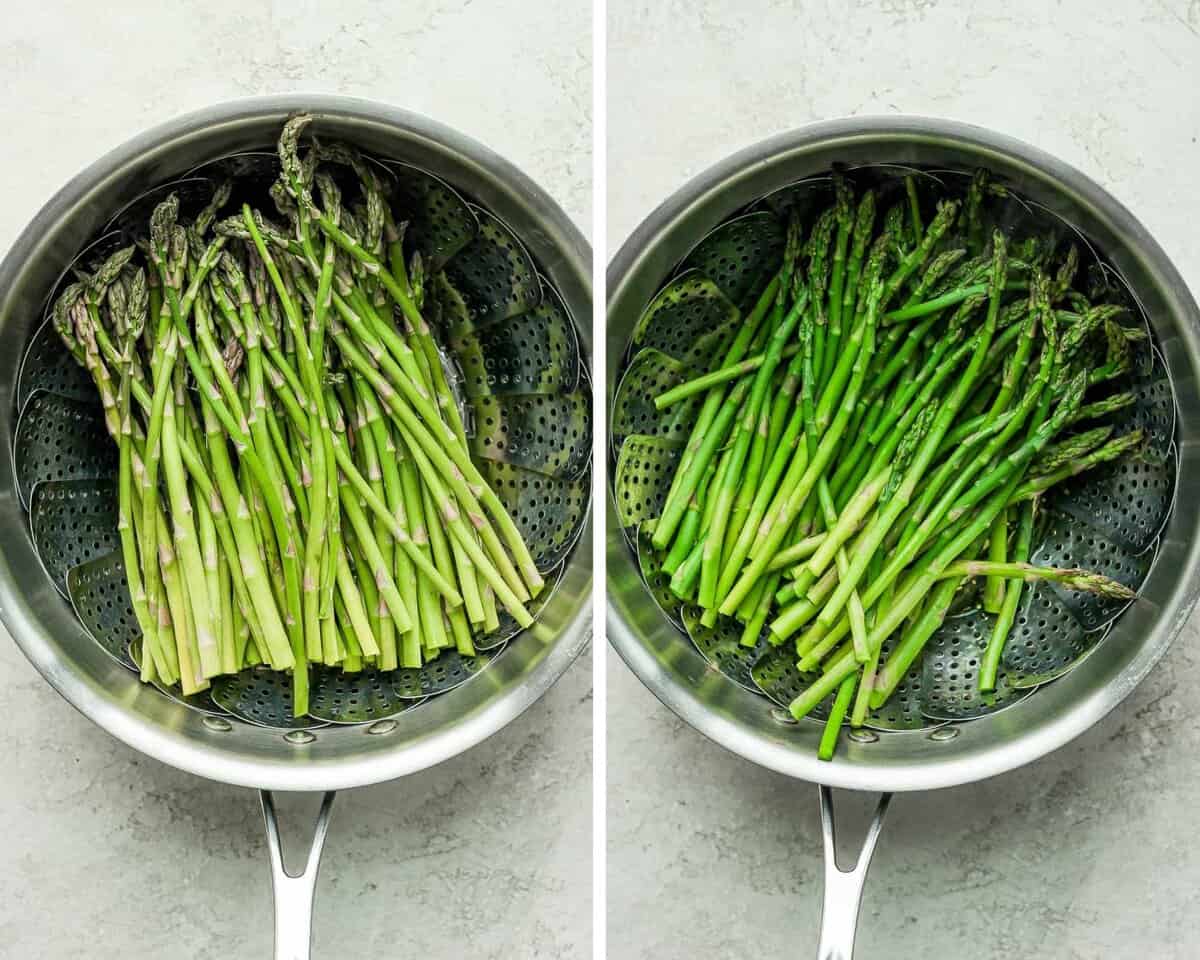 Fresh asparagus spears ready for quick microwave steaming, no stovetop required
Credit: thewoodenskillet.com
Fresh asparagus spears ready for quick microwave steaming, no stovetop required
Credit: thewoodenskillet.com
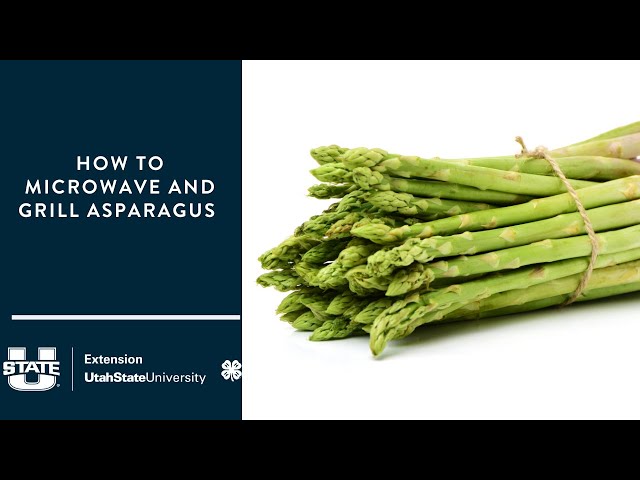 Step-by-step video guide to perfectly steamed microwave asparagus
Credit: www.youtube.com
Step-by-step video guide to perfectly steamed microwave asparagus
Credit: www.youtube.com
 Finished asparagus drizzled with lemon butter and garnished with fresh parsley
Credit: goddesscooks.com
Finished asparagus drizzled with lemon butter and garnished with fresh parsley
Credit: goddesscooks.com
Frequently Asked Questions
How long do you microwave asparagus to steam it?
Cook time depends on spear thickness and microwave wattage, but generally ranges from 1.5 to 6 minutes on high power. Thin spears in a 900W microwave take about 2–3 minutes; thick spears in the same wattage need 4–5 minutes. Always start with the lower end of the time range and check for doneness to avoid overcooking. Microwaves vary significantly—if yours runs hot or cool, adjust by 15–30 seconds per batch.
Do you need water to steam asparagus in the microwave?
Yes, 1–2 tablespoons of water is essential. The water evaporates into steam, which cooks the asparagus gently and evenly. Without water, the spears will dry out, steam unevenly, and may even scorch. Pour the water into the bottom of the dish before adding the asparagus, and avoid getting the spears directly wet to prevent sogginess.
Can you microwave frozen asparagus?
Absolutely, but increase the water by 1 tablespoon and extend cook time by 1–2 minutes. Stir or rearrange the spears halfway through cooking to ensure even heating, as frozen pieces tend to clump. For best texture, thaw frozen asparagus briefly in the refrigerator before microwaving, or add an extra 30 seconds if cooking from fully frozen.
What is the best microwave setting for steaming asparagus?
Use high power (100%) for most efficient steaming. High heat generates steam quickly and preserves the bright green color and crisp-tender texture. If your microwave runs particularly hot or has uneven heating, try 70–80% power and increase cook time slightly to avoid overcooking the tips while the ends remain tough.
Conclusion
Microwave steaming is the fastest, most nutrient-efficient way to enjoy perfect asparagus with minimal effort. By following the prep steps, timing guidelines, and doneness checks outlined here, you’ll consistently get bright green, crisp-tender spears without the guesswork. This method fits seamlessly into busy weeknights, meal prep routines, and last-minute side dishes—no stovetop, no timer watching, no special equipment required.
For more quick, healthy recipes and kitchen hacks, explore our weekly meal prep blog for new ideas to simplify your cooking routine. If you’re looking to upgrade your kitchen tools, our guides on childproofing solutions and professional cleaning brushes can help you create a safer, more efficient cooking space.
Fresh asparagus spears ready for quick microwave steaming, no stovetop required
Credit: thewoodenskillet.com
Step-by-step video guide to perfectly steamed microwave asparagus
Credit: www.youtube.com
Finished asparagus drizzled with lemon butter and garnished with fresh parsley
Credit: goddesscooks.com
Frequently Asked Questions
How long do you microwave asparagus to steam it?
Total cook time ranges from 1.5 to 6 minutes, depending on spear thickness and your microwave’s wattage. Thin, pencil-thickness spears in a 900–1000W microwave take 2–3 minutes, while thick, golf ball–width spears need 4–5 minutes. Always start with the lower end of the time range and check for doneness 30 seconds before the minimum cook time to avoid overcooking. If your microwave runs hot or cool, adjust by 15–30 seconds per batch to match your appliance’s performance.
Do you need water to steam asparagus in the microwave?
Yes, 1–2 tablespoons of cold water is non-negotiable for proper steaming. The water evaporates into steam, which cooks the spears gently and evenly without drying them out. Pour the water into the bottom of the dish before adding the asparagus, and avoid getting the spears directly wet to prevent waterlogging and sogginess. If you skip the water, the asparagus will cook unevenly and may even scorch in spots.
Can you microwave frozen asparagus?
Yes, but you’ll need to adjust the cook time and water amount. Add 1 extra tablespoon of water to the dish and extend the cook time by 1–2 minutes compared to fresh asparagus. Stir or rearrange the spears halfway through cooking to break up any clumps and ensure even heating. For the best texture, thaw frozen asparagus in the refrigerator for 15–20 minutes before microwaving, or add an extra 30 seconds if cooking from fully frozen.
What is the best microwave setting for steaming asparagus?
Stick to high power (100%) for most consistent results. High heat generates steam quickly, locking in the bright green color and crisp-tender texture of the spears. If your microwave has uneven heating or runs particularly hot, drop to 70–80% power and increase cook time by 10–15 seconds to avoid overcooking the delicate tips while the thicker ends remain undercooked.
Do you need to peel asparagus before microwaving?
No, peeling is rarely necessary for standard store-bought asparagus. The bend-and-snap trimming method removes the tough, fibrous woody base for most spears, so the tender stalk portion cooks perfectly without peeling. Only very thick, mature asparagus with tough, stringy skin may benefit from a quick peel with a vegetable peeler from the tip down to the snap point.
Can you add seasonings before microwaving?
Yes, but stick to dry seasonings to avoid sogginess. Toss the prepped spears with a tiny drizzle of oil, salt, pepper, garlic powder, or dried herbs before adding them to the dish, as wet seasonings (like soy sauce or lemon juice) can make the spears waterlogged during cooking. Add fresh herbs, citrus zest, or butter after steaming for the brightest flavor.
Conclusion
Microwave steaming is the fastest, most nutrient-efficient way to enjoy crisp-tender, vibrant asparagus with zero guesswork and minimal cleanup. By following the prep steps, timing guidelines, and doneness checks outlined here, you’ll get perfect results every time, whether you’re making a quick weeknight side dish, prepping ingredients for a salad, or adding asparagus to a frittata or pasta. This method works for every skill level, requires no special equipment, and preserves more of the vegetable’s natural vitamins and sweetness than boiling or over-roasting. If you’re looking for more quick, low-effort recipes to simplify your cooking routine, our weekly meal prep inspiration has dozens of tested ideas for busy home cooks. For a safer, more organized kitchen space, explore our range of child-safe cabinet hardware and drill-free drawer locks to keep sharp prep tools out of reach of little ones. After cooking, make cleanup a breeze with our sturdy produce-scrubbing brush for prepping veggies and a durable cleaning brush set for scrubbing your microwave-safe dish without scratching.

I’m Abby Lu, a passionate home cook who loves simplifying everyday meals. At PlugChef.com, I share product reviews and cooking guides to help you find the best tools for your kitchen.
Related posts:
 What Oil to Use on Cutting Board: Best Options Revealed
 Is Teak Wood Good for Cooking Utensils: Discover Benefits
 How to Build End Grain Cutting Board: Step-by-Step Guide
 Scuba Diving First Aid Kit: Essential Gear for Safe Adventures
 Bulk Mini First Aid Kits: Essential Safety Solutions for Everyone
 First Aid Kits for Workplace: Essential Safety Gear You Need Now

