
With fresh produce costs remaining a top household budget concern in 2026, many shoppers are exploring discounted grocery alternatives like Misfits Market to cut spending without sacrificing quality. The service’s core model of selling cosmetically imperfect, USDA-grade produce that traditional grocery stores reject for cosmetic reasons has made it a popular option for budget-conscious, sustainability-minded buyers. But its true cost depends on your household size, cooking habits, delivery location, and willingness to adapt your meal plan to weekly box contents. This guide breaks down exact 2026 pricing, hidden fees, real savings potential, and tradeoffs to help you decide if Misfits Market fits your budget. For more actionable grocery budget tips, check out our latest kitchen and grocery guides for additional savings strategies.
What Is Misfits Market’s Core Pricing Structure?
Misfits Market operates on a flexible subscription model with no mandatory membership fees. Subscribers choose between weekly or bi-weekly delivery frequencies, and can pause, skip, or cancel orders at any time without penalty, as long as changes are made at least 48 hours before the scheduled delivery window. This flexibility eliminates the risk of being locked into a plan that doesn’t match your consumption habits.
Subscription Plans and Box Sizes
As of 2026, the service offers two standard box tiers, with pricing varying slightly by region and seasonal produce availability:
| Box Size | Starting Price | Ideal Household Size | Average Produce Weight |
|---|---|---|---|
| Small | $24 | 1-2 people | 8-10 lbs |
| Large | $37 | 3-4 people | 14-16 lbs |
| All boxes include a mix of seasonal fruits and vegetables, with options to add pantry staples like grains, beans, and pasta for an extra $3-$8 per add-on, depending on the item. Introductory discounts for new subscribers typically range from 10-15% off the first box, lowering initial testing costs to as little as $20.40 for a small box. |
Additional Fees
The only mandatory extra cost beyond box pricing is a shipping fee, which ranges from $6 to $9 per order as of 2026, depending on your delivery zip code and box size. Subscribers in remote rural areas may see fees as high as $12 per order. There are no extra charges for last-minute substitutions, delivery reschedules, or order modifications made before the cutoff window. A common mistake new subscribers make is forgetting to factor shipping costs into their per-pound produce cost, which can add $0.60-$1.20 per pound to smaller box orders.
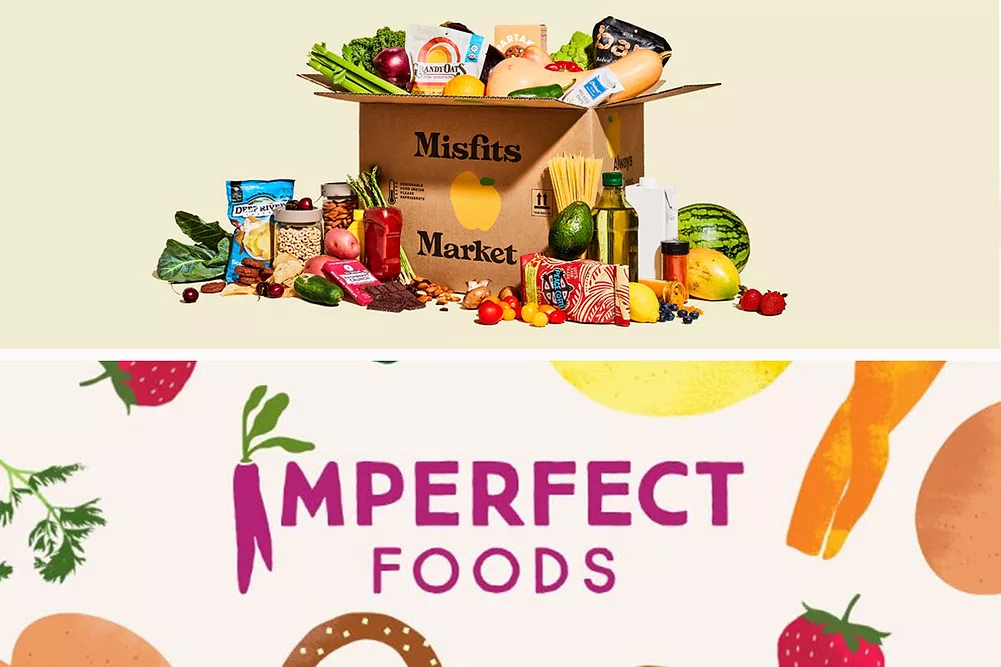
 Misfits Market focuses on distributing cosmetically imperfect, USDA-grade produce that would otherwise go to waste.
Credit: www.builtinnyc.com
Misfits Market focuses on distributing cosmetically imperfect, USDA-grade produce that would otherwise go to waste.
Credit: www.builtinnyc.com
How Misfits Market Stacks Up Against Alternative Grocery Options
Comparing Misfits Market’s pricing to other fresh produce sources highlights where it delivers the best value, and where it may fall short.
Conventional Grocery Store Pricing
Conventional grocery stores typically charge a premium for organic produce, with common staples like organic carrots, apples, and spinach averaging 20-40% more than their non-organic counterparts in 2026. Non-organic produce at conventional stores is often priced lower than Misfits Market’s offerings, but may carry higher pesticide residue levels per USDA produce safety guidelines. Misfits Market’s core value proposition is delivering organic or conventionally grown imperfect produce at prices that undercut organic grocery store pricing, while often matching or beating non-organic conventional pricing for seasonal staple items.
Local Farmers’ Market Rates
Local farmers’ markets often charge a premium for ultra-fresh, locally sourced produce, with prices varying widely by region and season. In many mid-sized U.S. cities, a pound of organic tomatoes at a farmers’ market averages $4-$6 in 2026, compared to Misfits Market’s $2.29-$3.29 per pound for equivalent organic imperfect produce. The tradeoff is that farmers’ market produce is often harvested 1-2 days before sale, while Misfits Market produce is typically harvested 3-5 days before delivery, leading to a slightly shorter shelf life for some fragile items.
Organic vs. Non-Organic Pricing
For shoppers prioritizing organic produce, Misfits Market delivers consistent savings of 30-50% compared to conventional grocery store organic pricing, as the service avoids the "ugly produce" discard that drives up costs for traditional organic retailers. Non-organic produce at Misfits Market is often priced on par with conventional grocery store sales, but may have minor cosmetic blemishes that some shoppers find unappealing.
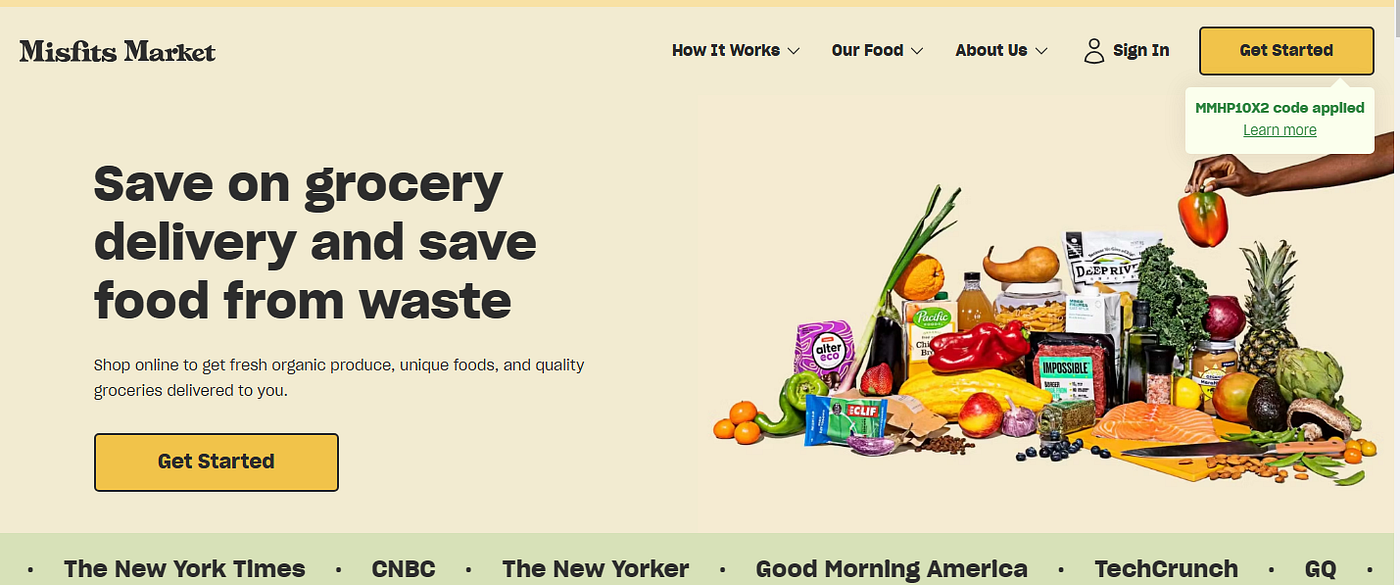 Misfits Market’s pricing for organic imperfect produce is typically 30-50% lower than conventional grocery store organic options for equivalent items.
Credit: medium.com
Misfits Market’s pricing for organic imperfect produce is typically 30-50% lower than conventional grocery store organic options for equivalent items.
Credit: medium.com
True Savings Opportunities (And Where They Fall Short)
Misfits Market’s discounts are real, but they are not universal for all shoppers or all items. Understanding where savings are highest helps you maximize value.
Discounts on Imperfect Produce
The bulk of Misfits Market’s savings come from its focus on cosmetically irregular produce that grocery stores reject for not meeting strict aesthetic standards. These items are fully edible, fresh, and meet USDA safety grades, but are sold at a 30-60% discount compared to their "perfect" grocery store equivalents. For example, a household that buys 3 bunches of organic kale per week can save $12-$18 per month by switching to Misfits Market’s imperfect organic kale, which typically costs $1.99-$2.49 per bunch compared to $3.99-$4.99 at conventional stores.
Bulk Buying Perks
For larger households or shoppers who batch cook and freeze meals, Misfits Market’s large box and add-on pantry staple options deliver additional per-unit savings. A 5-pound bag of organic brown rice added to a large box costs $3.99-$4.99, compared to $6.99-$7.99 at conventional grocery stores, a 40-50% discount for bulk purchases.
Food Waste Reduction Savings
Shopping with Misfits Market aligns with U.S. EPA food waste reduction goals, and can also cut your personal household food waste costs. The average U.S. household throws away $1,600 worth of food per year, and Misfits Market’s lower per-item cost means spoilage has a smaller financial impact than spoiled premium grocery store produce. In practice, long-time subscribers note that adjusting box size to match their weekly consumption reduces spoilage by 70% or more, preserving nearly all of their upfront savings.
Limitations to Watch
Savings are not universal for all items or all shoppers. Non-organic staple produce like bananas, potatoes, and onions are often priced the same or slightly higher than conventional grocery store sale prices, and out-of-season produce sourced from distant farms may carry a premium. Shoppers with strict preferences for perfectly shaped produce, or those who eat out more than 4 nights a week, may find that spoilage erodes most or all of their upfront savings.
Quality, Quantity, and What to Expect in Your Box
Perceived value is just as important as sticker price when evaluating Misfits Market. Most subscribers report high quality, but understanding what to expect helps avoid disappointment.
Weekly Produce Variety
Each Misfits Market box includes 8-12 different types of seasonal fruits and vegetables, with content varying weekly based on what local and regional farms have available. Common staples include carrots, apples, leafy greens, potatoes, and citrus, with occasional additions of more specialty items like heirloom tomatoes, stone fruit, or root vegetables. Subscribers can exclude up to 3 produce items per order to avoid allergens or disliked ingredients, but full customization is not available to support the service’s food waste reduction mission.
Box Size Fit for Your Household
A common mistake new subscribers make is overestimating how much produce their household will eat in a week, leading to spoilage that erodes savings. Single households or couples who eat out 2+ nights per week typically find the small box sufficient, while families of 3-4 or home cooks who prepare most meals at home often benefit from the large box or adding supplemental pantry add-ons. If you frequently find yourself throwing away produce at the end of the week, downgrading your box size is the easiest way to boost your per-item savings.
Freshness and Ripeness Standards
All Misfits Market produce is harvested at peak ripeness and shipped within 24-72 hours of pickup from partner farms, which is often fresher than conventional grocery store produce that may spend 3-7 days in transit and storage. The service uses compostable, protective packaging to prevent bruising during delivery, and most items arrive in excellent condition despite cosmetic irregularities. In practice, most subscribers report that produce stays fresh for 7-10 days when stored properly in the refrigerator, with hardy items like carrots and potatoes lasting 2-3 weeks.
Hidden Costs and Potential Pitfalls to Budget For
Beyond the base box price and shipping fee, a few overlooked costs can impact your total spend if you are not prepared.
Delivery Fees
As noted earlier, shipping fees range from $6 to $12 per order, with higher fees for remote areas and larger boxes. For subscribers in areas with high delivery fees, the per-pound cost of produce can rise to $2.50-$3.50, which may erase savings compared to conventional grocery store sales. Misfits Market does not offer free shipping thresholds as of 2026, so it’s important to calculate total cost (box price + shipping) when comparing to other grocery options.
Cancellation and Modification Policies
Orders can be paused, skipped, or canceled up to 48 hours before the scheduled delivery window with no penalty. Cancellations made less than 48 hours in advance are non-refundable, and processed orders cannot be modified once they leave the fulfillment center. Subscribers who travel frequently should set up automatic pauses for weeks they will be away to avoid wasted charges, a step many new users overlook.
Substitution Tradeoffs
If an item in your box is unavailable due to supply chain issues or low harvest yields, Misfits Market will substitute a comparable item of equal or greater value at no extra cost. While most substitutions are reasonable, some subscribers report receiving items they cannot eat (due to allergies or dietary restrictions) or duplicates of items they already have. There is no option to opt out of substitutions entirely, so subscribers with strict dietary needs should review their exclusion list carefully before each delivery.
Spoilage Risk Costs
While Misfits Market produce is fresh, the irregular shapes and sizes can make it harder to track and use before it spoils, especially for new subscribers adjusting to the variable box contents. In practice, spoilage adds an average of $3-$7 per box for households that do not meal plan around their delivery, eroding 15-30% of upfront savings. Proper storage and meal planning can reduce this cost to near zero.
Who Is Misfits Market a Good Fit For (And Who May Find It Too Expensive)?
Misfits Market is not the right choice for every household. Understanding who gets the most value helps you avoid wasted spending.
Ideal Subscribers
Misfits Market delivers the best value for households that:
- Cook at home 4+ nights per week and can adapt meals to available produce
- Prioritize organic produce and want to reduce their pesticide exposure
- Are committed to reducing household food waste and support sustainable farming practices
- Live in urban or suburban areas with standard $6-$8 shipping fees For these households, monthly savings typically range from $20-$60 compared to buying equivalent organic produce at conventional grocery stores. Scrubbing cosmetically irregular produce with heavy-duty produce brushes removes residual soil without damaging delicate skins, ensuring you get the full value of your purchase.
Households That May See Lower Value
Misfits Market is often not cost-effective for:
- Households that eat out or order takeout 5+ nights per week, as produce spoilage will erase most savings
- Shoppers with strict preferences for perfectly shaped, blemish-free produce
- Households in remote rural areas with $10+ shipping fees, where per-pound costs often exceed conventional grocery store pricing
- Shoppers who prioritize ultra-local produce (sourced within 50 miles of their home) over discounted organic options Installing no-drill cabinet locks on lower kitchen storage keeps young children from accessing produce before it’s incorporated into meals, reducing preventable waste for family households.
Pro Tips to Maximize Your Misfits Market Savings
With a few small adjustments, you can stretch your Misfits Market budget further and reduce wasted spending.
Pick the Right Box Size and Frequency
Start with a small box on a bi-weekly delivery schedule for your first 2-3 orders to gauge how much produce your household actually consumes. If you find yourself running out before your next delivery, upgrade to a large box or switch to weekly frequency. If you are consistently throwing away produce, downgrade to a smaller box or switch to bi-weekly delivery to cut upfront costs and reduce waste.
Meal Plan Around Your Weekly Box
Check your box contents as soon as it arrives, then plan 3-4 meals around the most perishable items (leafy greens, berries, herbs) first. Batch cook soups, stews, and roasted vegetable dishes with surplus hardy produce to freeze for later, reducing the need for last-minute takeout or extra grocery trips. For inspiration, browse our full library of budget meal planning ideas for affordable recipes using imperfect produce.
Store Produce Properly to Reduce Spoilage
Extend the life of your Misfits Market produce by storing items correctly: keep leafy greens in an airtight container with a dry paper towel to absorb excess moisture, store apples and pears in the crisper drawer away from other produce to prevent over-ripening, and keep potatoes and onions in a cool, dark pantry away from sunlight. Proper storage can extend produce shelf life by 3-7 days, preserving your savings and reducing waste. Keeping your kitchen organized with child-safe kitchen storage ensures you can see all available produce at a glance, reducing the chance of forgotten items spoiling in the back of the fridge.
Stack Discounts and Rewards
Sign up for the Misfits Market newsletter to receive 10-15% off your first order, plus alerts for seasonal promotions and limited-time discount codes. Many subscribers also pair their orders with cashback apps like Rakuten or credit card rewards programs to earn an extra 1-3% back on all purchases, stacking savings for even lower net costs. Cleaning countertops and produce scraps as you go with top-rated cleaning tools prevents cross-contamination and keeps your kitchen organized for efficient meal planning. A dedicated soap-dispensing scrub brush (used exclusively for produce, not dishes) makes quick work of removing waxy residues from conventionally grown imperfect items.
 Proper storage of Misfits Market produce extends its shelf life and maximizes your savings by reducing spoilage.
Credit: www.misfitsmarket.com
Proper storage of Misfits Market produce extends its shelf life and maximizes your savings by reducing spoilage.
Credit: www.misfitsmarket.com
Frequently Asked Questions
How much does a Misfits Market box cost in 2026?
As of 2026, standard small produce boxes start at $24, and large boxes start at $37, with shipping fees of $6-$12 added per order depending on your location. Pantry staple add-ons cost an extra $3-$8 per item.
Is Misfits Market cheaper than regular grocery stores?
For organic produce, Misfits Market is almost always 30-50% cheaper than conventional grocery store organic pricing. For non-organic staple items, pricing is often on par with conventional store sale prices, though may be slightly higher for out-of-season produce.
Are there any hidden fees with Misfits Market?
The only mandatory extra fee is shipping, which ranges from $6 to $12 per order. There are no membership fees, subscription fees, or extra charges for substitutions or order changes made before the 48-hour cutoff window. Cancellations made less than 48 hours before delivery are non-refundable.
Can I customize my Misfits Market order?
Subscribers can exclude up to 3 produce items per order to avoid allergens or disliked ingredients, and can swap 1-2 items per box for alternatives of equal or greater value. Full customization is not available, as the service’s model relies on selling surplus farm produce to reduce waste.
Does Misfits Market offer discounts for new customers?
Yes, new subscribers typically receive 10-15% off their first box when they sign up via the Misfits Market website or mobile app. The company also runs seasonal promotions for existing subscribers, including 5-10% off all orders during peak harvest months.
Can I use SNAP/EBT to pay for Misfits Market?
As of 2026, Misfits Market does not accept SNAP/EBT payments for standard subscription boxes. However, the company partners with local food banks in some regions to offer subsidized boxes for eligible low-income households; check the Misfits Market website for availability in your area.
Final Verdict: Is Misfits Market Worth the Cost?
Misfits Market is a cost-effective option for households that cook at home regularly, prioritize organic produce, and are flexible with their meal planning. For these shoppers, monthly savings of $20-$60 compared to conventional organic grocery store pricing are common, with the added benefit of reducing personal and national food waste. The service is less cost-effective for households that eat out frequently, live in remote areas with high shipping fees, or have strict preferences for blemish-free produce.
If you’re ready to test the service, sign up for your first box today to take advantage of new subscriber discounts and see if the model fits your budget and lifestyle. For more tips to cut your grocery bill and streamline your kitchen routine, browse our full library of kitchen and grocery guides.

I’m Abby Lu, a passionate home cook who loves simplifying everyday meals. At PlugChef.com, I share product reviews and cooking guides to help you find the best tools for your kitchen.
Related posts:
 How to Make a Fruit Basket for a Gift: Easy DIY Guide
 Do You Need a Basket? Essential Guide for Air Fryers
 What Blenders Do Tropical Smoothie Use: Expert Insights
Stainless Steel Vs White Kitchen Appliances: Ultimate Showdown
What Blenders Do Tropical Smoothie Use: Expert Insights
Stainless Steel Vs White Kitchen Appliances: Ultimate Showdown
 Kitchen Appliances for Wedding Registry: Must-Have Essentials
 Top 10 Best Non-Toxic Cooking Utensils – Safe & Durable Choices for Healthy Homes

