
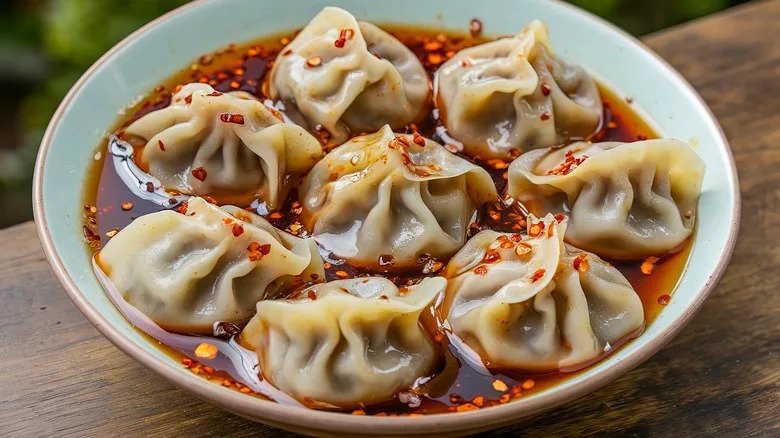
Trader Joe’s frozen soup dumplings are a cult favorite for their juicy, broth-filled centers and tender skins, but homemade versions let you control sodium levels, customize fillings, and enjoy that signature burst of hot soup fresh off the heat. This guide works for first-time dumpling makers and experienced home cooks alike, requires no special equipment, and yields 24 restaurant-quality dumplings in under 2 hours. We’ll walk you through every step, from prepping the dough to nailing the perfect pleat, with pro tips to avoid common pitfalls.
Ingredients
All ingredients are easy to find at Trader Joe’s or your local grocery store. Exact measurements ensure consistent results every time.
Dough Components
- 2 cups low-protein all-purpose flour (bread flour makes tough, chewy skins, so avoid)
- 3/4 cup warm water (110°F, warm to the touch but not scalding)
- 1/4 tsp fine sea salt Low-protein flour creates a tender, chewy skin that holds up to the liquid filling without tearing, while salt enhances flavor and strengthens the gluten structure for easier rolling. For a more authentic xiao long bao texture, swap 1/4 cup of the all-purpose flour for wheat starch.
Filling Essentials
- 1 lb 80/20 lean ground pork (fat content is critical for juiciness and proper gelatin melting)
- 1 cup chilled pork or chicken stock gelatin (homemade or store-bought, see below)
- 1 tbsp finely minced fresh ginger
- 2 cloves minced garlic
- 3 thinly sliced green onions
- 1 tbsp low-sodium soy sauce
- 1 tsp Shaoxing wine (dry sherry works as a substitute)
- 1/2 tsp toasted sesame oil
- 1/4 tsp freshly ground white pepper For a leaner option, substitute ground chicken for pork, and add 1 tbsp of melted butter to compensate for lower fat content. Per FDA safe food handling guidelines, always use fresh, properly chilled ground meat to avoid bacterial growth.
Flavor Enhancers
The aromatics and seasonings above create the signature umami, slightly sweet, and aromatic profile of Trader Joe’s soup dumplings. Adjust quantities to taste: add an extra 1/2 tsp of white pepper for more heat, or a splash more soy sauce for saltier flavor.
Preparing the Dough
A well-prepped dough is the foundation of perfect soup dumplings: it should be elastic enough to roll thin without tearing, and tender enough to melt in your mouth when cooked.
Mixing & Kneading
- In a large bowl, whisk together flour and salt.
- Gradually add warm water, stirring with a chopstick or fork until a shaggy, crumbly dough forms.
- Turn out onto a lightly floured surface, knead for 10 minutes by hand (or 5 minutes on low speed in a stand mixer) until smooth, elastic, and no longer sticky. A common first-time mistake is over-kneading, which makes the dough tough, or under-kneading, which leads to torn wrappers. If the dough feels too dry, add 1 tsp of water at a time; if too sticky, sprinkle 1 tsp of flour at a time. Use this prep time to wipe down your counter with a kitchen cleaning brush set to ensure a clean, flour-dusted workspace.
Resting the Dough
- Shape the dough into a smooth ball, wrap tightly in plastic wrap, or cover with a damp kitchen towel.
- Rest at room temperature for 30 minutes, or in the refrigerator for up to 2 hours. Resting relaxes the gluten in the dough, making it far easier to roll thin without springing back. In practice, cold-rested dough (from the fridge) is even easier to work with, and produces a chewier, more authentic skin. Skipping this step is the #1 cause of tough, chewy dumpling wrappers.
Making the Soup Dumpling Filling
The signature burst of hot broth in soup dumplings comes from gelatin, not just liquid stock. This step is non-negotiable for authentic results.
Broth Gelatin Prep
Choose one of two easy methods:
- Homemade: Simmer 2 lbs of pork bones with 1 sliced onion, 2 inch piece of ginger, 3 scallion stalks, and 8 cups of water for 3 hours. Strain, discard solids, and chill in the refrigerator overnight until fully solid, then cut into 1/2 inch cubes. Follow USDA food safety recommendations to cool broth quickly and store it in the refrigerator to prevent bacterial growth.
- Shortcut for beginners: Dissolve 2 packets of unflavored gelatin in 1 cup of hot low-sodium chicken stock, chill until solid, then cut into cubes. This method eliminates the need for hours of simmering, and works perfectly for weeknight cooking.
Meat & Seasoning Mix
- In a large bowl, combine ground pork, gelatin cubes, ginger, garlic, green onions, soy sauce, Shaoxing wine, sesame oil, and white pepper.
- Mix with your hands or a silicone spatula for 2-3 minutes until the mixture is sticky, uniform, and holds its shape when pressed.
- Taste a small cooked bit (pan-fry a tiny spoonful) to adjust seasoning if needed. Use a dish washing brush with handle to scrub ginger and garlic skins clean quickly without wasting precious flesh. Chill the mixed filling for 15 minutes before wrapping to thicken the gelatin and make it easier to handle, which reduces the risk of leaks.
Shaping the Dumplings
Shaping takes practice, but even messy first attempts will taste delicious. Focus on thin edges and a tight seal to hold the soup inside.
Rolling Perfect Wrappers
- Divide the rested dough into 24 equal pieces, roll each into a 1 inch ball.
- Use a rolling pin to roll each ball into a 3 inch diameter wrapper, with the center 1/16 inch thick and edges 1/32 inch thick. Thin edges seal easily, while thick centers hold the soup without breaking.
- Dust wrappers with flour to prevent sticking, and keep covered with a damp towel to avoid drying out while you work.
Filling & Pleating Techniques
- Place 1 tsp of filling in the center of each wrapper (overfilling is the #1 cause of leaks and torn dough).
- Moisten the edge of the wrapper with a dab of water using your finger.
- Pinch the edge together in the center to seal, then make 6-8 small pleats around the top edge, pinching each pleat firmly to close.
- Twist the top gently to create a small opening, leaving just enough space for steam to escape during cooking. If little ones are helping shape dumplings, secure child safety locks for cabinets to keep them away from hot steam and sharp rolling pins.
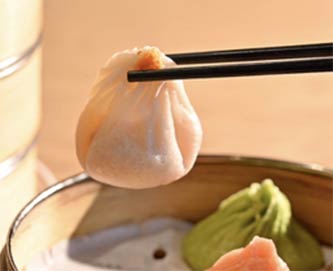 Freshly steamed homemade soup dumplings, ready to serve with your choice of dipping sauce.
Cooking Methods
Each cooking method creates a different texture: steaming yields soft, juicy skins, while pan-frying adds a crispy contrast.
Steaming (Classic Authentic Method)
- Line a bamboo steamer or metal steaming basket with parchment paper (poke small holes in the paper) or napa cabbage leaves to prevent sticking.
- Bring 2 inches of water to a rolling boil in the steamer’s base.
- Arrange dumplings 1/2 inch apart on the steamer rack, leaving space for them to expand.
- Cover tightly and steam for 7-8 minutes. Do not open the lid for the first 5 minutes, or the delicate skins will sag and become soggy. The dumplings are done when the wrappers are translucent and the filling is cooked through.
Pan-Frying (Crispy Potsticker Style)
- Heat 1 tbsp of neutral oil (canola or vegetable) in a non-stick skillet over medium heat.
- Arrange dumplings flat side down in the pan, leaving space between each to avoid sticking.
- Cook for 2-3 minutes until the bottoms are golden brown.
- Add 1/4 cup of water to the pan, cover immediately, and steam for 5 minutes.
- Uncover and cook for 1 more minute to crisp the bottom again. This method gives you the perfect contrast between crunchy golden bottoms and juicy, soup-filled interiors.
Air Fryer (2026 Quick Method)
- Lightly brush dumplings with oil, arrange in the air fryer basket in a single layer, leaving space between each.
- Cook at 350°F for 6 minutes, flip, and cook for 2 more minutes. If cooking from frozen, add 2-3 minutes to the total cook time. This method yields crispy skin with minimal oil, perfect for quick weeknight meals.

Serving Suggestions
The right accompaniments elevate homemade soup dumplings from good to unforgettable. Stick to simple, fresh sides and dipping sauces to let the dumpling flavor shine.
Dipping Sauces
- Classic soy-vinegar: 2 parts low-sodium soy sauce, 1 part rice vinegar, 1 tsp minced ginger, 1 tsp sesame oil
- Spicy chili crisp: 2 tbsp soy sauce, 1 tbsp Trader Joe’s chili crisp, 1 tsp honey
- Garlic-scallion: 2 tbsp soy sauce, 1 tbsp minced scallions, 1 tsp grated garlic, 1 tsp sesame oil
- Black vinegar: 2 tbsp Chinkiang black vinegar, 1 tsp sugar, 1 tsp chili oil (traditional Shanghainese style) For an authentic eating experience, bite a tiny hole in the top of the dumpling first to let excess steam escape, then sip the hot broth before eating the rest to avoid burning your mouth.
Side Dishes
- Steamed garlic bok choy (Trader Joe’s sells pre-washed bok choy for 2-minute prep)
- Cucumber salad: thinly sliced cucumbers tossed with rice vinegar, sugar, and a pinch of salt
- Simple fried rice using Trader Joe’s frozen fried rice mix
- Miso soup with tofu and scallions
- Pickled mustard greens for a tangy, refreshing contrast
Customization Ideas
Tailor the recipe to your taste or dietary needs with these easy swaps:
- Vegetarian: Swap ground pork for 1 lb of finely chopped shiitake mushrooms and crumbled extra-firm tofu, use vegetable stock gelatin, and add 1 tsp of hoisin sauce for umami
- Spicy: Add 1 tbsp of gochujang or 2 tsp of chili paste to the filling for a kick
- Crab & pork: Add 1/2 cup of minced imitation crab to the pork filling for a rich, sweet luxury twist
- Chicken & shiitake: Use ground chicken instead of pork, add 1/4 cup of finely chopped rehydrated shiitake mushrooms for earthy depth
Troubleshooting Common Issues
Even experienced cooks run into dumpling mishaps. These fixes will help you avoid common pitfalls:
Leaking Dumplings
Caused by overfilling, weak seals, or watery filling. Fixes: stick to 1 tsp of filling per wrapper, moisten the wrapper edge with water before pinching to create a tight seal, and chill the filling for 15 minutes before wrapping to thicken the gelatin.
Torn Wrappers
Caused by rolling wrappers too thin, rough handling, or dry wrappers. Fixes: roll wrappers to the specified thickness (thin edges, thick center), keep wrappers covered with a damp towel at all times when not in use, and handle gently. Patch small tears with a tiny piece of scrap dough and a dab of water.
Soggy or Tough Skins
Caused by overcooking, skipping dough rest, or overcrowding the pan/steamer. Fixes: follow exact cook times, always rest the dough for at least 30 minutes, and leave 1/2 inch of space between dumplings when cooking to allow steam to circulate.
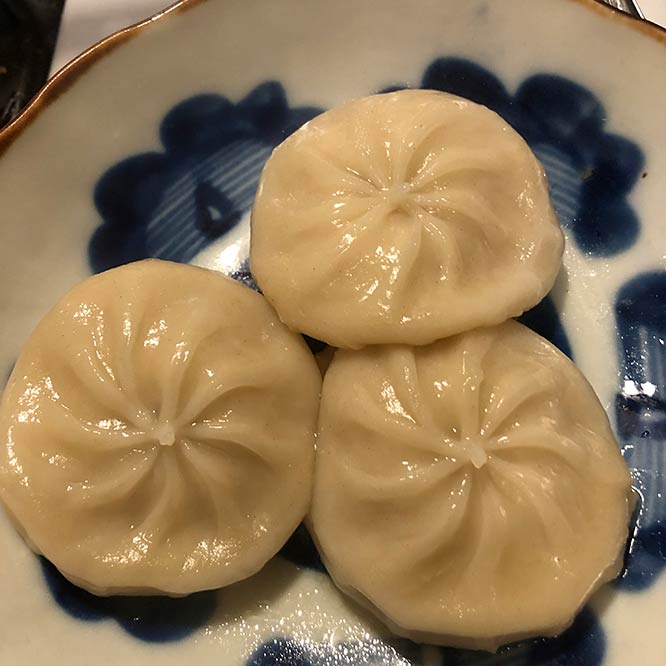 Pan-fried soup dumplings have a crispy bottom and juicy, soup-filled interior.
Storing & Reheating
Proper storage keeps your dumplings fresh and prevents sogginess or freezer burn.
Freezing Uncooked Dumplings
- Arrange dumplings in a single layer on a parchment-lined baking sheet, making sure they don’t touch.
- Freeze for 2 hours until completely solid (this flash-freezing step prevents sticking).
- Transfer to an airtight zip-top bag, squeeze out excess air, and label with the date.
- Store for up to 3 months. If you need to clear space in your freezer to store dumplings, a kitchen wall cleaning brush can help wipe down shelves quickly.
Reheating Cooked or Frozen Dumplings
- Steaming: Steam frozen dumplings for 8-10 minutes, or refrigerated dumplings for 5-6 minutes.
- Pan-frying: Cook frozen dumplings as directed above, adding 1 extra tablespoon of water to the pan for steaming.
- Air fryer: Cook at 350°F for 3-4 minutes (refrigerated) or 6-7 minutes (frozen) for crispy skin. Avoid microwaving, as it makes the wrappers chewy and the filling dry. After cooking, scrub your steamer basket and pans with a professional kitchen cleaning brush to remove stuck-on starch and oil easily.
Frequently Asked Questions
What ingredients do I need for Trader Joe's soup dumplings?
You’ll need all-purpose flour, warm water, salt, ground pork (or chicken for a leaner option), stock gelatin, ginger, garlic, green onions, soy sauce, Shaoxing wine, sesame oil, and white pepper. Trader Joe’s sells pre-made dumpling wrappers in the refrigerated section that cut down on prep time by 20 minutes if you’re short on time.
How long do I steam Trader Joe's soup dumplings for?
Steam fresh dumplings for 7-8 minutes over boiling water. If cooking from frozen, add 2-3 minutes to the cook time, and do not open the steamer lid for the first 5 minutes to prevent soggy skins.
Can I make Trader Joe's soup dumplings ahead of time?
Yes! Uncooked dumplings can be frozen for up to 3 months using the flash-freezing method outlined above. Cooked dumplings can be stored in an airtight container in the refrigerator for 3 days, and reheated in a steamer or air fryer.
Are Trader Joe's soup dumplings gluten-free?
Standard Trader Joe's frozen soup dumplings contain wheat in their wrappers, so they are not gluten-free. For a homemade gluten-free version, use store-bought gluten-free dumpling wrappers and tamari instead of soy sauce. Note that gluten-free wrappers are typically thicker, so add 1-2 minutes to the steaming time.
Why is my soup dumpling filling not soupy?
The most common cause is using liquid stock instead of chilled gelatin in the filling. The gelatin must be solid when mixed into the meat, so it melts into broth only when heated during cooking. If you used liquid stock, chill the mixed filling for 30 minutes before wrapping to thicken it, or add 1 extra packet of dissolved, chilled gelatin to the mix.
Conclusion
This recipe delivers the same juicy, broth-filled flavor of Trader Joe’s iconic frozen soup dumplings, with the flexibility to customize fillings and control sodium to suit your taste. While shaping dumplings takes a little practice, even first-time makers will end up with delicious, restaurant-quality results with these simple steps. They’re perfect for weeknight dinners, appetizers for game day, or a fun activity to do with kids on a rainy weekend. For more easy Trader Joe's copycat recipes and kitchen tips to make cooking and cleanup a breeze, check out our guide to top-rated cleaning brushes to keep your kitchen spotless after every cook session.

I’m Abby Lu, a passionate home cook who loves simplifying everyday meals. At PlugChef.com, I share product reviews and cooking guides to help you find the best tools for your kitchen.
Related posts:
 How to Make a Fruit Basket for a Gift: Easy DIY Guide
 Do You Need a Basket? Essential Guide for Air Fryers
 How to Adjust Syrup Dispenser Pressure: Expert Tips
 How to Fill a Honey Dispenser: Easy Steps to Follow
 Are Knife Blocks Sanitary: Unveiling the Hidden Truth
 How to Stop Safety Goggles from Fogging Up: Easy Expert Tips

