
The difference between a forgettable, sharp whiskey sour and a silky, bar-quality cocktail often comes down to one understated ingredient: egg white. Far from a fancy, unnecessary add-on, egg white transforms the texture, balance, and visual appeal of this classic drink, making it feel luxurious enough to serve to guests while being simple enough to master at home. Whether you’re a new home bartender or a seasoned mixer looking to refine your craft, understanding how to use egg white correctly will elevate your cocktail game instantly, no professional training required. This guide covers everything from the role of egg white in the drink, to food safety best practices, step-by-step preparation, troubleshooting common issues, and creative variations to make the recipe your own.
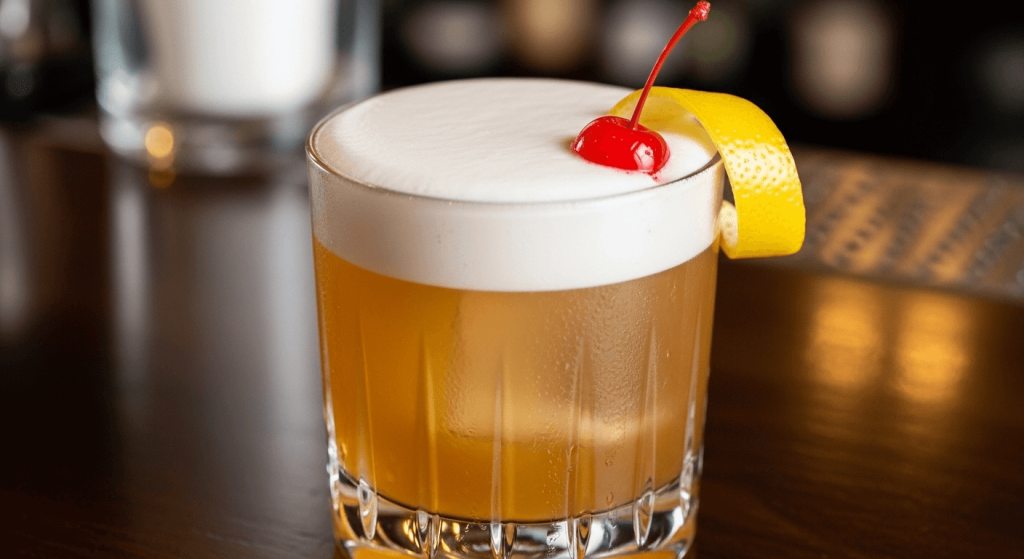
 A perfectly executed classic whiskey sour with signature egg white foam
A Brief History of Egg White in Sour Cocktails
Egg white has been a staple in sour cocktails since the 19th century, when bartenders first discovered that it created a luxurious, stable foam that balanced the sharp acidity of citrus and the bold bite of spirits. The whiskey sour, in particular, gained popularity in the 1860s, with egg white quickly becoming a signature addition for home bartenders and professional mixologists alike. Unlike other cocktail trends that fade over time, the egg white sour has remained a menu staple for over 150 years, a testament to its functional and sensory benefits. In 2026, it remains one of the most requested classic cocktails at bars worldwide, with many modern mixologists putting their own creative spin on the timeless recipe.
What Egg White Actually Does to Your Whiskey Sour
Egg white is far more than a decorative topper for your cocktail: it fundamentally changes the drink’s texture, flavor balance, and presentation in ways no other ingredient can replicate.
Texture Transformation
The proteins in egg white (primarily ovalbumin and conalbumin) trap air when shaken, creating a dense, velvety foam that coats the tongue and softens the sharp edges of whiskey and lemon juice. Unlike dairy-based cream additions, egg white adds zero extra sweetness or richness, so it doesn’t overpower the core flavors of the cocktail. In practice, this foam acts as a textural buffer: the first sip feels creamy and light, while the underlying spirit and citrus notes shine through as the foam dissolves. Many bartenders observe that egg white reduces the perception of harsh alcohol bite for new whiskey drinkers, making the cocktail far more approachable without watering down the proof. It also works for people with lactose intolerance, as it adds a creamy mouthfeel without any dairy.
Flavor Balancing
Egg white has a neutral, almost imperceptible flavor on its own, but it fundamentally changes how your taste buds perceive the other ingredients in the sour. The foam slows the release of acidic lemon juice and bold whiskey notes, creating a longer, more rounded flavor profile rather than a sharp, one-note punch. It also mutes any bitter undertones from lower-quality whiskey or over-extracted citrus peel, letting the subtle vanilla, caramel, or oak notes of the spirit come to the front. A common mistake new home bartenders make is over-sweetening their sour to mask harshness, when adding egg white would achieve the same balance without extra sugar.
Visual Appeal
The thick, glossy white foam that sits atop a properly made whiskey sour is a visual signal of care and craftsmanship, setting it apart from a hastily mixed drink. This foam also acts as a functional base for garnishes: a lemon twist, maraschino cherry, or dash of bitters will rest on top of the foam rather than sinking into the drink, keeping your presentation polished for guests. In professional bars, the quality of the foam is often the first thing a regular customer will notice, and a well-executed egg white sour is a clear marker of a skilled bartender.
Food Safety Best Practices for Egg White Cocktails
Raw eggs carry a low but measurable risk of salmonella contamination, per FDA food safety guidance FDA egg safety guidance, so following proper handling protocols is critical, especially if you’re serving guests with health concerns.
Raw Egg Risk
For most healthy adults, the risk of salmonella from raw eggs is very low, but it is a critical consideration for pregnant people, young children, older adults, and anyone with a compromised immune system. If you fall into one of these groups, opt for pasteurized egg whites or a vegan alternative to avoid any risk of foodborne illness. If you’re mixing cocktails in a home with young children, always childproof your prep zone kitchen safety locks for kids to keep little ones away from sharp bar tools and raw eggs.
Pasteurized vs. Fresh Egg Whites
Fresh, high-quality egg whites from pasture-raised hens typically produce a thicker, more stable foam than pasteurized options, as the heat treatment used for pasteurization can slightly denature the proteins responsible for foaming. However, USDA guidelines confirm that pasteurized eggs are heat-treated to eliminate harmful bacteria without cooking the egg USDA pasteurized egg information, making them a safe choice for cocktails, especially if you’re serving guests with health concerns. If you use fresh eggs, always inspect them for cracks before cracking, and discard any with an off smell or unusual appearance.
Safe Handling Steps
To minimize risk when using fresh eggs, follow these steps:
- Store eggs in the coldest part of your refrigerator (below 40°F / 4°C) until use, and never leave them at room temperature for more than 2 hours.
- Wash your hands, your egg-cracking surface, and all utensils with hot, soapy water before and after handling eggs.
- Crack each egg into a separate small bowl first before adding to your shaker, so you can check for bad eggs before they ruin your whole batch.
- If you’re making multiple cocktails, add the egg white to each shaker individually rather than cracking all eggs at once, to avoid cross-contamination if one egg is bad. Always thoroughly clean gear best kitchen cleaning brush after each use to remove egg residue that can harbor bacteria and affect foam quality in future batches.
Equipment You’ll Need for Perfect Egg White Sours
Having the right tools on hand makes the process of making an egg white sour far easier, and ensures you get a consistent, stable foam every time.
Essential Bar Tools
- A cocktail shaker with a tight, leak-proof seal: critical for building foam during the dry shake, as air needs to be trapped inside to emulsify the egg white.
- A Hawthorne strainer: to catch ice chips and any small egg white solids when pouring into your glass.
- A measuring jigger: to keep your 2:1:1 whiskey-to-citrus-to-syrup ratio consistent, which is key for balance when adding egg white.
- A small separate bowl for cracking eggs: to check for bad eggs before adding to your shaker.
Optional Upgrades
- A dual shaker system: if you make multiple cocktails at once, a dual shaker lets you dry shake all your egg white sours simultaneously without waiting.
- A foam stirrer: for gently folding foam into the drink if you prefer a thinner foam layer rather than a thick crown.
- A bar spoon: for layering foam if you’re serving the drink over ice in a rocks glass. After each use, scrub your shaker and strainer with sturdy cleaning tools professional kitchen cleaning brush to remove stuck-on egg white and citrus residue.
Step-by-Step Classic Whiskey Sour with Egg White Recipe
This recipe makes 1 serving, with a prep time of 5 minutes and no cooking required. It follows the classic 2:1:1 ratio adjusted for egg white, which creates the perfect balance of spirit, acidity, sweetness, and texture.
Ingredients
- 2 oz (60ml) bourbon or rye whiskey: choose a 80-100 proof spirit for the best balance; overly harsh, high-proof whiskey will overpower the delicate foam.
- 1 oz (30ml) fresh-squeezed lemon juice: never use bottled juice, as preservatives will prevent the foam from forming properly.
- 0.75 oz (22ml) simple syrup (1:1 sugar to water ratio): adjust to taste if you prefer a sweeter or tarter drink.
- 1 large egg white: fresh or pasteurized, at room temperature for 10 minutes before use (cold egg whites whip slower and produce thinner foam).
- 2 dashes of aromatic bitters (optional, for garnish)
- Ice, for shaking
Instructions
- First, perform a dry shake: add the whiskey, lemon juice, simple syrup, and egg white to your cocktail shaker without ice. Seal the shaker tightly and shake vigorously for 15-20 seconds, until the egg white is fully emulsified and feels slightly thick to the touch. This step is non-negotiable for building a stable foam.
- Add 1 cup of ice to the shaker, seal tightly, and shake again for 10-15 seconds, until the outside of the shaker feels very cold to the touch. This chills and dilutes the drink to the perfect strength.
- Strain the cocktail into a chilled coupe or rocks glass, using a Hawthorne strainer to catch ice chips. If serving over ice, fill your rocks glass with fresh ice before straining.
- Optional: Top with 2 dashes of aromatic bitters, and garnish with a lemon twist or maraschino cherry. Pro tip: For an extra glossy foam, add a tiny pinch of salt to the shaker before shaking — the salt helps stabilize the egg white proteins.
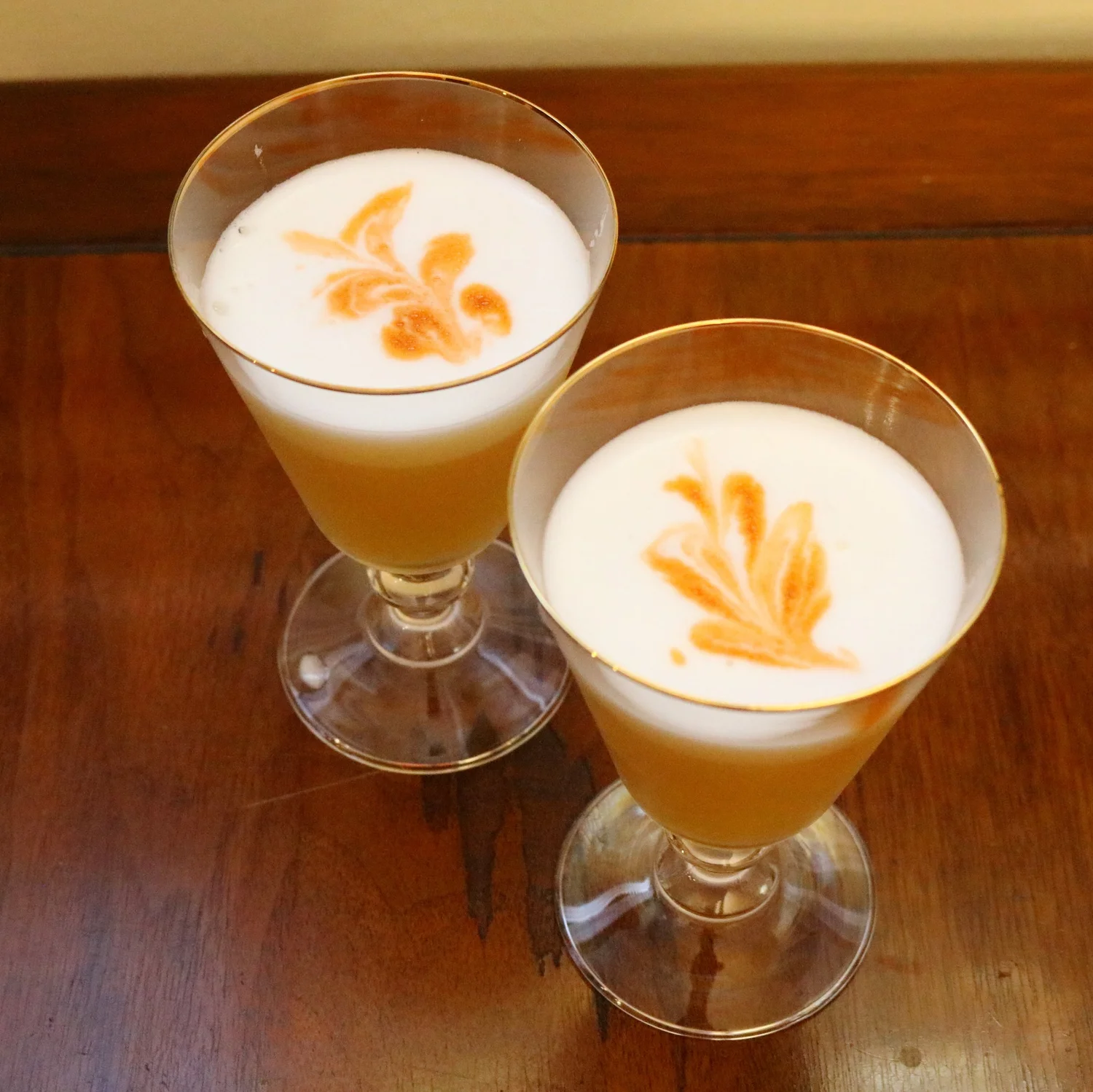 Traditional whiskey sour served over ice in a rocks glass
Credit: www.diningwithmcz.com
Traditional whiskey sour served over ice in a rocks glass
Credit: www.diningwithmcz.com
Troubleshooting Common Egg White Sour Issues
Even experienced bartenders run into issues with egg white sours from time to time. These fixes will help you get a perfect foam and balanced flavor every time.
Foam Won’t Form
The most common cause of flat egg white sours is skipping the dry shake, or using cold egg whites straight from the fridge. Other causes include:
- A shaker with a loose seal, which lets air escape during shaking.
- Low-quality egg whites that have been sitting for too long (use eggs within 3 weeks of purchase for the best foam).
- Bottled lemon juice, which contains preservatives that interfere with protein emulsification. If you’re still struggling to get foam, try adding a tiny pinch of cream of tartar (1/8 tsp per cocktail) to the shaker before shaking — the acid helps stabilize the egg white proteins for a thicker, longer-lasting foam.
Drink Tastes Too Sharp or Harsh
If your sour is overly tart or has a harsh alcohol bite, you likely need to adjust your ingredient ratios, not add more sugar. First, check your whiskey proof: spirits over 110 proof will often overpower the delicate foam and citrus notes, so opt for a 80-100 proof bourbon or rye for a more balanced drink. If the acidity is too strong, add an extra 0.25 oz of simple syrup, or use a slightly sweeter lemon variety if you’re juicing your own. A common mistake is over-bittering the drink: stick to 2 dashes of aromatic bitters max, as too much will clash with the egg white’s neutral texture.
Foam Collapses Too Quickly
If your foam deflates within a minute of pouring, you likely shook the drink for too long with ice, or used a glass that wasn’t chilled. Always chill your coupe or rocks glass in the freezer for 10 minutes before straining the cocktail into it. Avoid over-shaking with ice: 10-15 seconds is enough to chill and dilute the drink without breaking down the foam. If you’re serving the drink to multiple guests, pour the foam-topped drinks immediately after shaking, and avoid transporting them for long periods, as jostling will break down the foam structure.
Creative Variations to Elevate Your Egg White Whiskey Sour
Once you’ve mastered the classic recipe, small tweaks to syrups, spirits, and garnishes can create entirely new flavor profiles while keeping the signature silky egg white foam.
Flavored Syrup Infusions
Simple syrup is the base of most whiskey sours, but infusing it with subtle flavors adds depth without overpowering the egg white foam. Try these tested combinations:
- Honey-basil syrup: steep 1 cup of honey and 1 cup of water with 5 fresh basil leaves for 2 hours, then strain. The herbal notes pair perfectly with rye whiskey.
- Ginger-lemon syrup: add 1/4 cup of thinly sliced fresh ginger to your simple syrup while it cools, for a spicy kick that balances the citrus.
- Maple-cinnamon syrup: use maple syrup instead of sugar for your simple syrup, and add 1 cinnamon stick while heating, for a warm, autumnal variation perfect for fall serving.
Spirit Swaps
While bourbon is the classic base for a whiskey sour, you can experiment with other spirits to create unique variations that still work with egg white foam:
- Rye whiskey: spicier and drier than bourbon, it pairs beautifully with lemon for a more tart, bold sour.
- Mezcal: swap half the whiskey for mezcal for a smoky twist that contrasts beautifully with the creamy foam.
- Irish whiskey: smoother and lighter than bourbon, it creates a more mellow, approachable sour for new whiskey drinkers.
- Amaretto addition: add 0.5 oz of amaretto to the classic recipe for a nutty, sweet variation that pairs well with the velvety foam.
Garnish Upgrades
The foam layer is the perfect base for garnishes that won’t sink, so take advantage of it to add visual flair and subtle aroma. For clean, precise citrus twists and garnish prep, use a custom prep surface how to engrave a cutting board to avoid slipping and reduce waste. Try these tested options:
- Express a lemon twist over the drink before placing it on the foam: the released citrus oils will add a bright, fresh aroma with every sip.
- A sprinkle of freshly grated nutmeg or cinnamon on top of the foam adds warm, spicy notes that pair well with bourbon-based sours.
- Edible flowers (like violets or rose petals) add a pop of color for special occasions, without altering the flavor of the drink.
- For a festive twist, add a single drop of food-grade rose water to the foam before garnishing, for a subtle floral note.
 Boston sour, a whiskey sour variation with egg white and a maraschino cherry garnish
Credit: www.acouplecooks.com
Boston sour, a whiskey sour variation with egg white and a maraschino cherry garnish
Credit: www.acouplecooks.com
Serving and Presentation Tips
Presentation is the final step in elevating your egg white sour from a good drink to a great one, and small details make a big difference in the overall experience.
Glassware Selection
The right glass elevates both the look and taste of your egg white sour. For a formal or upscale setting, a chilled coupe glass is the classic choice: its wide rim showcases the thick foam crown, and its stem keeps your hand from warming the drink. For a casual gathering or outdoor party, a rocks glass filled with fresh ice is a great option, as it keeps the drink colder for longer and feels more relaxed. Always chill your glass in the freezer for 10 minutes before serving to keep the foam stable for as long as possible.
Foam Layering Techniques
If you’re serving your sour over ice in a rocks glass, you can create a distinct foam layer on top of the drink by pouring the shaken cocktail slowly over the back of a bar spoon held just above the ice. This gentle pour prevents the foam from mixing into the liquid below, creating a visually striking two-layer drink. For a coupe glass, simply strain the shaken cocktail directly into the chilled glass, and the foam will rise to the top naturally. Avoid over-pouring, as filling the glass too full will cause the foam to spill over the rim.
Serving Best Practices
Egg white sours are best served immediately after shaking, as the foam will begin to deflate after 5-10 minutes. If you’re making multiple drinks for a party, shake them in batches of 2-3 rather than all at once, to avoid waiting too long between pouring. Always provide a straw for guests, as the thick foam can be tricky to sip through the rim of the glass. After serving, clean your shaker and glasses with a long-handled cleaning tool kitchen cleaning brush with handle to reach into tight corners and remove all egg residue.
Frequently Asked Questions
Does egg white change the flavor of a whiskey sour?
Egg white has a neutral, almost unnoticeable flavor on its own, but it fundamentally changes how you perceive the other ingredients in the drink. It softens the sharp acidity of lemon juice and the harsh bite of high-proof whiskey, creating a longer, more rounded flavor profile. Many people find that egg white sours taste less sweet and more balanced than versions without egg white, even when using the exact same ingredient ratios.
Is it safe to use raw egg white in cocktails?
For most healthy adults, the risk of salmonella from raw eggs is very low, especially if you use fresh, high-quality eggs from a trusted source and follow safe handling practices. However, the FDA advises that pregnant people, young children, older adults, and anyone with a compromised immune system should avoid raw eggs entirely, and opt for pasteurized egg whites or vegan alternatives instead.
Can I make a vegan whiskey sour with egg white foam?
Yes, aquafaba (the brine from canned chickpeas) is the most popular vegan alternative to egg white for cocktails. Use 1 oz of aquafaba per cocktail in place of egg white, and follow the same dry shake and ice shake process. It produces a nearly identical foam texture with a neutral flavor, making it a perfect substitute for vegan guests. Soy lecithin is another option, though it produces a thinner, less stable foam than aquafaba.
How long does egg white foam last in a whiskey sour?
Properly made egg white foam will stay stable for 5-10 minutes at room temperature. To extend its life, chill your serving glass before pouring, and avoid transporting the drink for long periods. If you need to make batches ahead of time for a party, you can shake the cocktail (without ice) 30 minutes before serving, cover the shaker, and store it in the fridge. Add ice and shake again for 10 seconds right before serving to refresh the foam.
Can I use store-bought liquid egg white for cocktails?
Yes, pasteurized liquid egg whites sold in cartons work perfectly for whiskey sours, and are a convenient, low-risk alternative to cracking fresh eggs. Just make sure to choose a product with no added additives or preservatives, as these can interfere with foaming. One 2 oz serving of liquid egg white is enough for 2-3 cocktails, so a small carton will last for multiple batches.
Conclusion
Adding egg white to your whiskey sour is one of the simplest, most impactful changes you can make to your home bartending routine. It transforms a sharp, one-note cocktail into a silky, balanced drink that rivals anything you’d order at a high-end bar, with minimal extra effort or cost. By following the food safety best practices, mastering the dry shake technique, and experimenting with small variations, you can create a custom whiskey sour that fits your taste preferences perfectly. Next time you’re mixing drinks for friends or treating yourself to a nightcap, try adding egg white — you’ll be amazed at how much it elevates the entire experience. For more easy, bar-quality cocktail recipes and kitchen tips to make your hosting easier, check out our blog for regular updates and expert guidance.

I’m Abby Lu, a passionate home cook who loves simplifying everyday meals. At PlugChef.com, I share product reviews and cooking guides to help you find the best tools for your kitchen.
Related posts:
 How to Make a Fruit Basket for a Gift: Easy DIY Guide
 Do You Need a Basket? Essential Guide for Air Fryers
 What Blenders Do Tropical Smoothie Use: Expert Insights
Stainless Steel Vs White Kitchen Appliances: Ultimate Showdown
What Blenders Do Tropical Smoothie Use: Expert Insights
Stainless Steel Vs White Kitchen Appliances: Ultimate Showdown
 Kitchen Appliances for Wedding Registry: Must-Have Essentials
 Top 10 Best Non-Toxic Cooking Utensils – Safe & Durable Choices for Healthy Homes

