
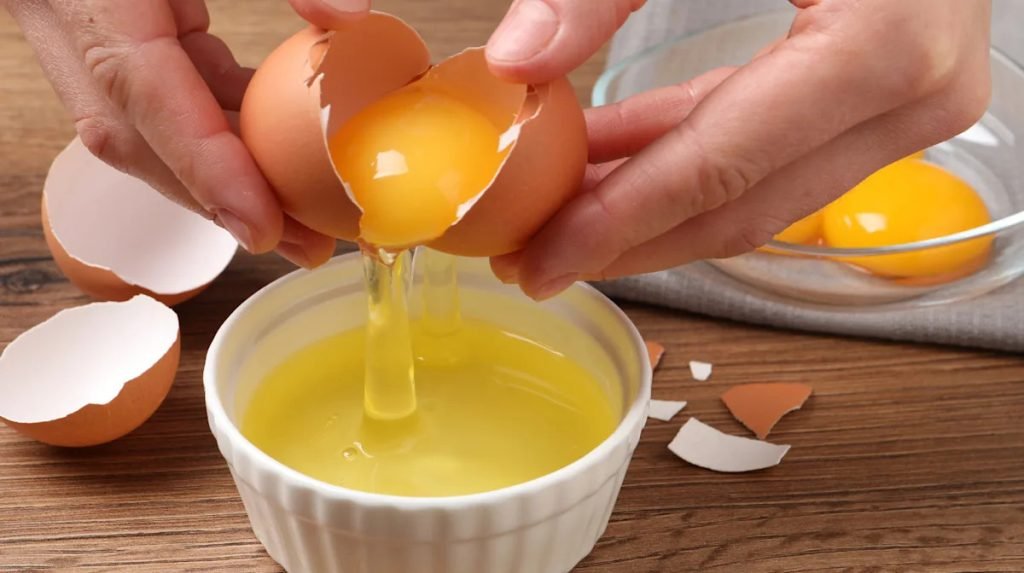
If you’ve ever cracked an egg for a recipe that only calls for egg whites, you’re familiar with the dilemma of what to do with the leftover yolk. Tossing them feels wasteful, but refrigerated yolks spoil in just 2–3 days, leading to unnecessary food waste. The good news? Egg yolks freeze safely and reliably when prepped correctly, giving you a rich, ready-to-use ingredient for custards, sauces, and baked goods whenever you need it. This guide covers exact prep steps, storage timelines, safe thawing practices, and common mistakes to avoid, so you can get the most out of every egg you buy.
Why Freeze Egg Yolks? Key Benefits for Home Cooks
Freezing yolks solves common kitchen pain points beyond just reducing waste. When handled properly, they retain nearly all their nutritional value and functionality for months of use. For more on this, see our guide on can you grill frozen pizza.
Extends Shelf Life Far Beyond Refrigerator Limits
Fresh separated egg yolks last just 2–3 days in the refrigerator before spoiling, even when stored in an airtight container. Freezing pauses bacterial growth and enzymatic activity, extending their usable life to 3–4 months of peak quality, and indefinitely if stored at a constant 0°F (-18°C) or lower. This is especially useful if you buy eggs in bulk, get them from a farm share, or regularly separate eggs for whites-only recipes.
Cuts Food Waste and Saves Money on Ingredients
Roughly 30% of the U.S. food supply is wasted annually, with leftover egg yolks a common household culprit. Freezing yolks ensures you get full use out of every egg you purchase, no matter if you buy budget white eggs or premium pasture-raised varieties. For cooks who use egg yolks regularly for homemade mayo, custard, or pasta, this can add up to $50 or more in annual savings. For more on this, see our guide on microwave safe food storage containers.
Speeds Up Meal and Baking Prep
Having pre-portioned frozen yolks on hand eliminates the need to separate fresh eggs last minute when a recipe calls for 1–2 yolks. This is a game-changer for busy weeknight cooking or last-minute baking projects, cutting prep time by several minutes per recipe.
Preserves Nutritional Value and Rich Flavor
Freezing does not degrade the fat-soluble vitamins (A, D, E, K), choline, or healthy monounsaturated fats found in egg yolks when prepped correctly. Thawed yolks have nearly identical nutritional value to fresh yolks, with no noticeable loss of the rich, velvety flavor that makes them a staple in so many dishes. For more on this, see our guide on can you grill pizza frozen.
Enables Precise Portion Control for Small Batches
Most recipes that call for egg yolks require 1–4 yolks, not full dozens. Freezing yolks in single-serve portions means you can thaw exactly what you need, no more, no less, eliminating the risk of wasting partially used batches of thawed yolks (which cannot be refrozen safely).
When to Freeze Egg Yolks for Best Results
Timing your freezing is critical to preserving quality and avoiding spoiled batches. Freeze yolks as soon as possible after separating them, for these common scenarios:
After Separating Yolks for Whites-Only Recipes
If you’re making meringue, macarons, or angel food cake that only calls for egg whites, freeze the leftover yolks immediately rather than leaving them in the fridge. Even if you think you’ll use them in 2–3 days, it’s easy to forget, leading to spoilage. For more on this, see our guide on can chocolate chips be frozen.
When Batch Cooking Custards, Sauces, or Baked Goods
If you’re planning to make large batches of hollandaise, custard, or enriched bread dough later in the week, freeze pre-portioned yolks ahead of time. This eliminates the need to separate dozens of eggs right before cooking, saving you time and mess.
After Getting Extra Yolks from Bulk Egg Purchases or Farm Shares
If you buy eggs in bulk or get fresh eggs from a local farm, you may end up with more yolks than you can use in a week. Freezing them immediately after cracking extends their usability far beyond the eggs’ original refrigerated shelf life. For more on this, see our guide on kitchen island with trash can storage.
Before Yolks Reach Their Refrigerator Spoilage Window
Never freeze yolks that are already starting to smell sour, have a pink or green tint, or feel slimy to the touch. Freezing pauses bacterial growth, but it does not kill bacteria that is already present, so only freeze yolks that are fresh and odorless when packed.
Critical Food Safety Notes for Frozen Egg Yolks
While freezing is a low-risk preservation method, there are key safety guidelines to follow to avoid illness and poor quality results.
Salmonella Risk and Safe Handling Practices
Raw egg yolks can carry salmonella bacteria, a common cause of foodborne illness. Always use clean, food-grade containers and utensils when prepping yolks for freezing, and avoid cross-contamination with raw meat or other contaminated foods. If you plan to use thawed yolks in uncooked applications (like homemade mayonnaise), only use pasteurized eggs to eliminate salmonella risk. Cook dishes containing thawed yolks to an internal temperature of 160°F (71°C) if serving to young children, pregnant people, older adults, or immunocompromised individuals, per USDA egg safety guidelines.
Who Should Avoid Using Frozen Egg Yolks?
People with diagnosed egg allergies should avoid frozen egg yolks entirely, as freezing does not denature the proteins that trigger allergic reactions. Additionally, anyone with a compromised immune system should only use frozen yolks in cooked dishes, not raw applications.
How to Tell if Frozen Yolks Have Gone Bad
Frozen yolks that have developed freezer burn (white, dry spots on the surface), a sour or rotten smell after thawing, or a slimy texture should be discarded immediately. Darker yellow or orange yolk color after thawing is normal, caused by natural oxidation of yolk pigments, and does not indicate spoilage.
Step-by-Step: Preparing Egg Yolks for Freezing
Proper prep is the difference between smooth, usable thawed yolks and rubbery, gelatinous clumps. Follow these steps for consistent results:
Separating Yolks Cleanly Without Breaking Them
Crack each egg gently against the edge of a bowl, then transfer the yolk back and forth between the two shell halves to let the white drip away into the bowl below. Use a clean needle or toothpick to pierce the yolk membrane if you notice it’s particularly tough, which helps prevent broken yolks during freezing. Place separated yolks in a separate clean bowl as you work.
Adding Additives to Prevent Gelatinous Texture
When frozen without additives, egg yolk proteins bond together, leading to a tough, rubbery texture after thawing. To prevent this, mix yolks gently with a small amount of salt or sugar before freezing:
- For savory recipes (sauces, mayo, pasta dough): Add 1/2 teaspoon of fine sea salt per 1 cup (4 large yolks) of yolks
- For sweet recipes (custard, ice cream, baked goods): Add 1 teaspoon of granulated sugar per 1 cup of yolks Whisk just until combined, taking care not to incorporate excess air, which can lead to ice crystals forming during freezing.
Portioning Yolks for Your Most Common Use Cases
Before freezing, portion yolks into the amounts you use most often in recipes. Single yolks work for small batches of mayo or sauce, while 4-yolk portions are ideal for custard or enriched dough. This eliminates the need to thaw more than you need, reducing waste and texture issues from partial thawing.
 Portioning yolks in ice cube trays lets you thaw only the amount you need for small recipes, no waste
3 Proven Freezing Methods (With Pros and Cons)
Choose the freezing method that matches how often you freeze yolks and how long you plan to store them:
Ice Cube Tray Portioning (Best for Small Batches)
This is the most popular method for casual cooks who only freeze yolks occasionally. Pour prepped yolks into the compartments of a standard ice cube tray, filling each to the top. Freeze completely (4–6 hours), then pop the frozen yolk cubes out and transfer them to a labeled freezer bag for long-term storage. Pros: No special equipment needed, perfect for single-serve portions, yolks won’t stick together Cons: Not ideal for freezing large batches of yolks at once
Airtight Freezer Containers (Best for Large Quantities)
If you’re freezing 6+ yolks at a time, use a small, airtight, food-grade freezer container. Leave 1/2 inch of headspace at the top of the container to account for liquid expansion during freezing, which can cause cracked containers or leaks if left unaddressed. Pros: Great for bulk batches, no risk of spills or leaks Cons: Yolks will freeze into a single solid block, so you’ll need to thaw the entire portion at once
Vacuum Sealing (Best for Long-Term Storage)
For cooks who freeze yolks regularly and want to store them for 6+ months, vacuum sealing is the most effective method. Place prepped, portioned yolks in a vacuum-seal bag, seal tightly, and label with the date. Vacuum sealing removes excess air, preventing freezer burn and odor absorption from other foods in the freezer. Pros: Extends peak quality to 6+ months, prevents freezer burn, no risk of leaks Cons: Requires a vacuum sealer (costing $50–$200 upfront), overkill for casual cooks
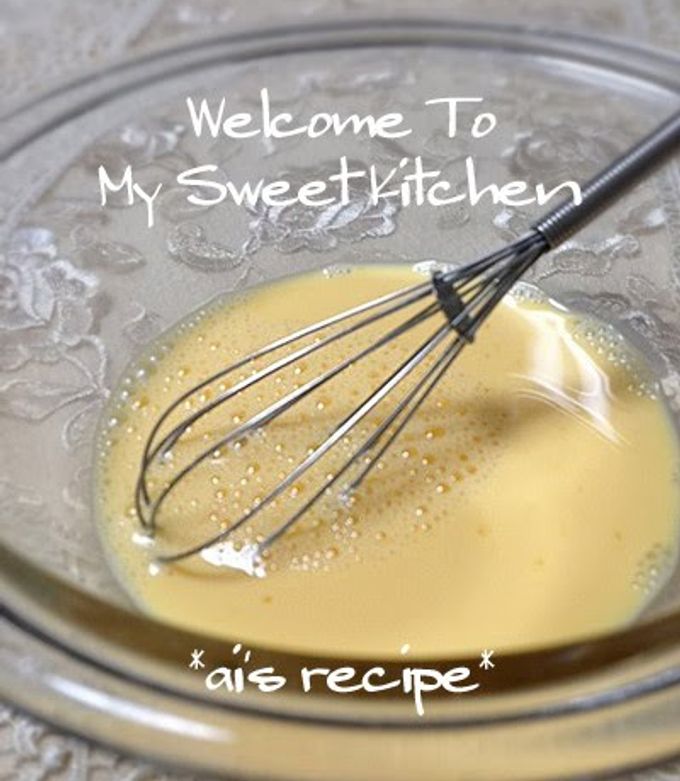 Labeling containers with the date, additive type, and intended use eliminates guesswork when you’re ready to cook
How Long Do Frozen Egg Yolks Last? Labeling and Organization Tips
Proper labeling is just as important as correct prep, as it prevents you from forgetting about yolks buried at the back of your freezer.
Official Recommended Storage Duration
Per USDA food safety guidance, frozen egg yolks maintain peak quality for 3–4 months when stored at 0°F (-18°C) or lower. They remain safe to eat indefinitely if kept at a constant freezing temperature, though texture and flavor may degrade slightly after 4 months, with a higher risk of freezer burn.
Effective Labeling Practices to Avoid Forgotten Yolks
Every container or bag of frozen yolks should be labeled with three key pieces of information:
- The date you froze the yolks
- Whether you added salt or sugar (and the amount)
- The number of yolks in the portion Use a permanent marker on freezer bags or a water-resistant label on containers, as regular markers will smudge in cold, humid freezer conditions.
Simple Tracking Systems for Regular Freezers
If you freeze yolks regularly, keep a small whiteboard or notebook taped to your freezer door to track batches, so you can use older yolks first (a practice called "first in, first out"):
| Freeze Date | Number of Yolks | Added Ingredients | Intended Use |
|---|---|---|---|
| April 10, 2026 | 6 | 1/4 tsp fine sea salt | Custard, ice cream |
| May 5, 2026 | 4 | None | General baking, sauces |
Pairing proper freezing habits with routine kitchen upkeep keeps your workspace efficient and reduces the risk of cross-contamination with raw ingredients.
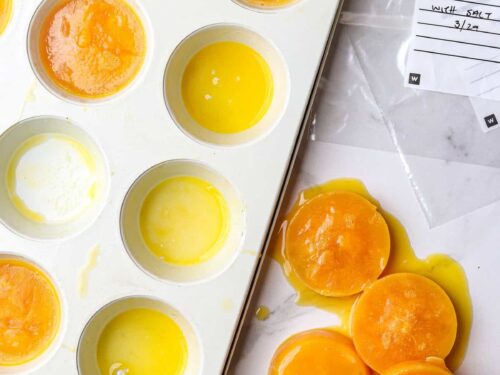 Pre-portioned frozen yolks stored in labeled freezer bags make it easy to grab exactly what you need for a recipe
How to Thaw Frozen Egg Yolks Safely (Without Ruining Texture)
Improper thawing is the second most common cause of poor-quality frozen yolks, after skipping the additive step. Follow these methods for smooth, usable results:
Overnight Refrigerator Thawing (Best for Most Use Cases)
This is the safest, most reliable thawing method, as it keeps yolks at a consistent, safe temperature below 40°F (4°C) to prevent bacterial growth. Transfer frozen yolks from the freezer to the refrigerator 6–8 hours before you plan to use them, or leave them to thaw overnight. Single yolk portions will thaw in 4–6 hours, while larger 4-yolk portions will take 8–10 hours.
Cold Water Thawing for Last-Minute Needs
If you forgot to thaw yolks ahead of time, place sealed freezer bags or containers in a bowl of cold tap water. Change the water every 20 minutes to keep it cold; this method thaws single yolks in 20–30 minutes, and 4-yolk portions in 1–2 hours. Never use warm or hot water, as this can partially cook the yolks, leading to a grainy texture.
Fixing Gelatinous Texture After Thawing
Even with proper prep, some yolks may develop a slightly thick, gelatinous texture after thawing. To fix this, whisk the thawed yolks vigorously for 10–15 seconds until smooth. If clumps remain, strain the yolks through a fine-mesh sieve before using them in recipes.
Best Recipes for Frozen Egg Yolks (and Ones to Skip)
Frozen yolks work for nearly any recipe that calls for fresh yolks, with a few exceptions where their texture may impact results.
Custards, Puddings, and Creamy Desserts
Frozen yolks are ideal for custard, panna cotta, ice cream, and pastry cream, as their thick, rich texture contributes to a ultra-silky final product. Thawed yolks work just as well as fresh for these recipes, with no noticeable difference in flavor or set.
Emulsified Sauces (Hollandaise, Béarnaise, Mayo)
The natural lecithin in egg yolks makes them perfect emulsifiers for creamy, stable sauces. Thawed yolks work just as well as fresh for homemade mayonnaise, hollandaise, and béarnaise, as long as you whisk them thoroughly after thawing to eliminate any clumps. They’re perfect for charcuterie board prep, pairing seamlessly with cured meats and cheeses for rich dipping sauces.
Baked Goods That Benefit from Extra Richness
Thawed yolks add moisture, tenderness, and a deep golden color to cakes, muffins, cookies, and enriched bread dough (like brioche). They work especially well in recipes where a rich, fudgy texture is desired, like brownies or chocolate cake.
Recipes Where Frozen Yolks May Fall Short
Avoid using frozen yolks for recipes that rely on fresh yolks’ ability to hold air, like some delicate soufflés or light sponge cakes. The slightly denser texture of thawed yolks may prevent these dishes from rising properly. Additionally, avoid using frozen yolks for recipes that call for raw, frothy yolks (like some traditional Caesar dressing recipes) unless you used pasteurized eggs to start.
Common Freezing Mistakes to Avoid
We’ve tested dozens of freezing methods in our test kitchen, and these are the most common errors that lead to ruined batches of yolks:
Skipping the Additive Step
The #1 mistake home cooks make is freezing yolks without adding salt or sugar first. Without the additive, yolk proteins bond together during freezing, leading to a rubbery, gelatinous texture that’s nearly impossible to fix after thawing. Adding just 1/8 teaspoon of salt or sugar per yolk completely prevents this issue, with no noticeable impact on flavor.
Using Non-Airtight or Dirty Containers
Containers that aren’t fully airtight lead to freezer burn, which causes yolks to develop dry, tough spots and absorb odors from other foods in the freezer. Always use food-grade, BPA-free freezer containers or heavy-duty freezer bags, and wash them thoroughly before use to avoid contamination.
Freezing Yolks Without Portioning First
Freezing a full batch of yolks in one container forces you to thaw the entire portion at once, even if you only need 1 yolk for a recipe. Thawed yolks cannot be refrozen safely, so this leads to wasted product. Always portion yolks into the amounts you use most often before freezing.
Thawing at Room Temperature or in the Microwave
Thawing yolks on the counter or in the microwave leads to uneven warming, which can cause partial cooking, bacterial growth, and a grainy texture. Stick to refrigerator or cold water thawing for best results.
Freezing Overripe or Already Spoiled Yolks
Freezing does not kill bacteria that is already present in yolks that are starting to spoil. Only freeze yolks that are fresh, odorless, and have a bright, intact color when you pack them.
Frequently Asked Questions
Can egg yolks be frozen for raw use, like homemade mayonnaise?
Yes, as long as you start with pasteurized eggs to eliminate salmonella risk. Thawed yolks emulsify just as well as fresh yolks for uncooked applications, making them a convenient staple for homemade mayo, aioli, and Caesar dressing.
How long can frozen egg yolks stay in the freezer?
Frozen yolks maintain peak quality for 3–4 months, and remain safe to eat indefinitely if stored at 0°F (-18°C) or lower. For the best texture and flavor, use them within the 3–4 month window.
Do frozen yolks affect the taste or texture of recipes?
When prepped and thawed correctly, frozen yolks have nearly identical taste and texture to fresh yolks. The only exception is recipes that rely on fresh yolks’ ability to hold air, like delicate soufflés, where their slightly denser texture may impact rise.
Can I freeze yolks that have already been used in a recipe?
No. Yolks that have been mixed with other ingredients (like sugar in a custard base) do not freeze well, as the other ingredients can separate or develop off-flavors during freezing. Only freeze plain, raw yolks.
Can I freeze egg yolks that are past their refrigerated expiration date?
No. Freezing does not make spoiled yolks safe to eat. Only freeze yolks that are fresh and within their refrigerated shelf life when you pack them.
Conclusion
Freezing egg yolks is a simple, low-effort way to cut kitchen waste, save money on ingredients, and speed up your cooking and baking routine. By prepping yolks with a small amount of salt or sugar, portioning them to match your most common use cases, and following safe thawing practices, you’ll have a rich, versatile ingredient on hand for months. The small amount of upfront prep takes less than 10 minutes, and pays off every time you can skip separating fresh eggs for a last-minute recipe.
Ready to streamline your kitchen workflow? Check out our full library of kitchen guides for more tips to reduce waste and make meal prep faster. If you’re looking for tools to keep your kitchen organized while you prep, our range of childproof cabinet latches and heavy-duty cleaning brushes make it easy to keep your space safe and tidy while you work.

I’m Abby Lu, a passionate home cook who loves simplifying everyday meals. At PlugChef.com, I share product reviews and cooking guides to help you find the best tools for your kitchen.
Related posts:
 How to Make a Fruit Basket for a Gift: Easy DIY Guide
 Do You Need a Basket? Essential Guide for Air Fryers
 What Blenders Do Tropical Smoothie Use: Expert Insights
Stainless Steel Vs White Kitchen Appliances: Ultimate Showdown
What Blenders Do Tropical Smoothie Use: Expert Insights
Stainless Steel Vs White Kitchen Appliances: Ultimate Showdown
 Kitchen Appliances for Wedding Registry: Must-Have Essentials
 Top 10 Best Non-Toxic Cooking Utensils – Safe & Durable Choices for Healthy Homes

