
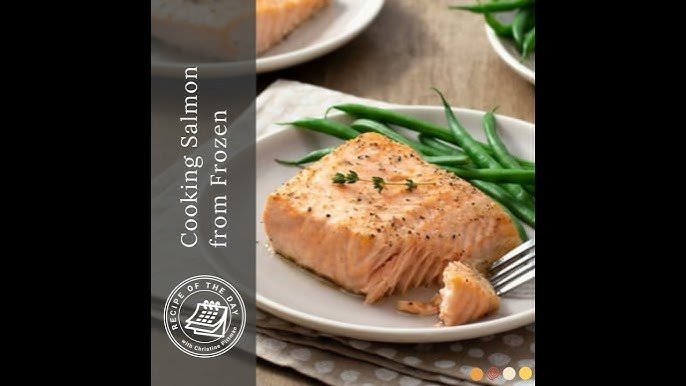
If you’ve ever stared at a pack of frozen salmon on a busy weeknight, wondering if you can skip the hours-long thaw and bake it straight from the freezer, you’re not alone. Many home cooks assume frozen fish will turn out dry, unevenly cooked, or bland — but with the right techniques, baked frozen salmon is just as juicy, flavorful, and safe as thawed fish, with zero last-minute prep. This guide walks you through everything you need to know to pull off perfectly cooked frozen salmon every time, no thawing required.
Is It Safe To Bake Frozen Salmon Straight From the Freezer?
Yes, baking frozen salmon is completely safe when done correctly. Per USDA food safety guidelines, all fish must reach an internal temperature of 145°F (63°C) to eliminate harmful pathogens like listeria and salmonella, a standard that applies equally to frozen and thawed fillets. The biggest food safety risk with fish actually comes from improper thawing: leaving salmon out at room temperature to thaw creates a breeding ground for bacteria, while baking it straight from the freezer avoids that risk entirely. Many cooks worry frozen salmon will cook unevenly, but this is easy to avoid with a moderate oven temperature and proper timing. Unlike thawed fish, frozen salmon takes longer to cook through, but there’s no need to worry about undercooked centers if you follow the time and temperature guidelines below.
Key Benefits of Skipping the Thaw Step
Baking salmon directly from the freezer offers more than just convenience — it can actually lead to better results than thawed fish in some cases:
- Saves hours of prep time: No need to plan 12 to 24 hours ahead to thaw salmon in the fridge, or 30 to 60 minutes for a cold water thaw. You can pull frozen salmon from the freezer and have it in the oven in 5 minutes flat, perfect for impromptu weeknight dinners.
- Retains more moisture: Thawing breaks down salmon’s cell structure, releasing natural juices that leave the fish dry and tough. Baking from frozen locks those juices inside, resulting in a more tender, flaky final product.
- Reduces food waste: Forgot to take salmon out to thaw before work? No problem. You can keep it frozen indefinitely (up to 6 months for best quality) and bake it whenever you’re ready, no risk of it going bad in the fridge after a forgotten thaw.
- Eliminates thawing contamination risks: No need to worry about fish juices leaking into your fridge or sink, or leaving salmon out at unsafe temperatures during the thaw process.
How to Choose the Best Salmon Cuts for Frozen Baking
Not all salmon cuts work equally well for baking from frozen. Picking the right type will set you up for success from the start.
Best Cut Types
Individually quick frozen (IQF) fillets or steaks, 1 to 1.5 inches thick, are the ideal choice for frozen baking. This thickness cooks evenly without drying out, and the smaller size ensures the center thaws and cooks at the same rate as the exterior. Skin-on cuts are particularly good: the skin acts as a natural barrier to lock in moisture, and crisps up beautifully if you broil the salmon for the last 1 to 2 minutes of cooking. Bone-in steaks also work well, though they require 3 to 5 extra minutes of bake time. If you’re feeding a crowd, a frozen side of salmon works too, but you’ll need to cut it into portions after baking to ensure even cooking.
What to Avoid
Skip very thick cuts (over 2 inches) or whole frozen salmon that hasn’t been portioned, as the center will take much longer to thaw and cook, leading to a burnt exterior and undercooked middle. Also avoid pre-marinated frozen salmon with thin, sugary sauces: these tend to burn before the fish is fully cooked through. Make sure your baking sheet is scrubbed clean with a sturdy kitchen cleaning brush before prepping to avoid any off-flavors seeping into your fish.
Step-by-Step Prep for Perfect Baked Frozen Salmon
Proper prep is the difference between dry, bland frozen salmon and a restaurant-quality meal. Follow these simple steps for consistent results:
- Preheat your oven to 400°F (200°C). This is the sweet spot temperature: hot enough to cook the fish through without burning the exterior, and hot enough to crisp skin if present. Skipping the preheat leads to uneven cooking and soggy, steamed fish.
- Pat the frozen salmon dry with a paper towel to remove excess ice crystals. This step is critical: surface ice melts into water during baking, steams the fish, dilutes seasoning, and leaves the skin soggy.
- Place the salmon skin-side down on a lightly oiled or parchment-lined baking sheet, leaving 1 inch of space between each fillet to avoid overcrowding. Overcrowding causes the fish to steam instead of roast, leading to a mushy texture.
- Season generously with salt, pepper, dried herbs (dill, thyme, and paprika work particularly well with salmon), and a drizzle of olive oil or melted butter. Frozen salmon benefits from slightly more seasoning than thawed fish, as ice crystals can dilute flavor during cooking. Avoid fresh herbs at this stage, as they will burn at 400°F; add them after baking instead.
- Add optional aromatics around the salmon: sliced lemon, garlic cloves, cherry tomatoes, asparagus, or thinly sliced onion. These roast in the salmon’s natural juices, creating a full, no-fuss meal.
- Cover loosely with aluminum foil if you prefer extra moist, steamed fish, or leave uncovered for a roasted, crispy top. If using foil, don’t wrap it tightly — leave a small gap for air flow to avoid sogginess.
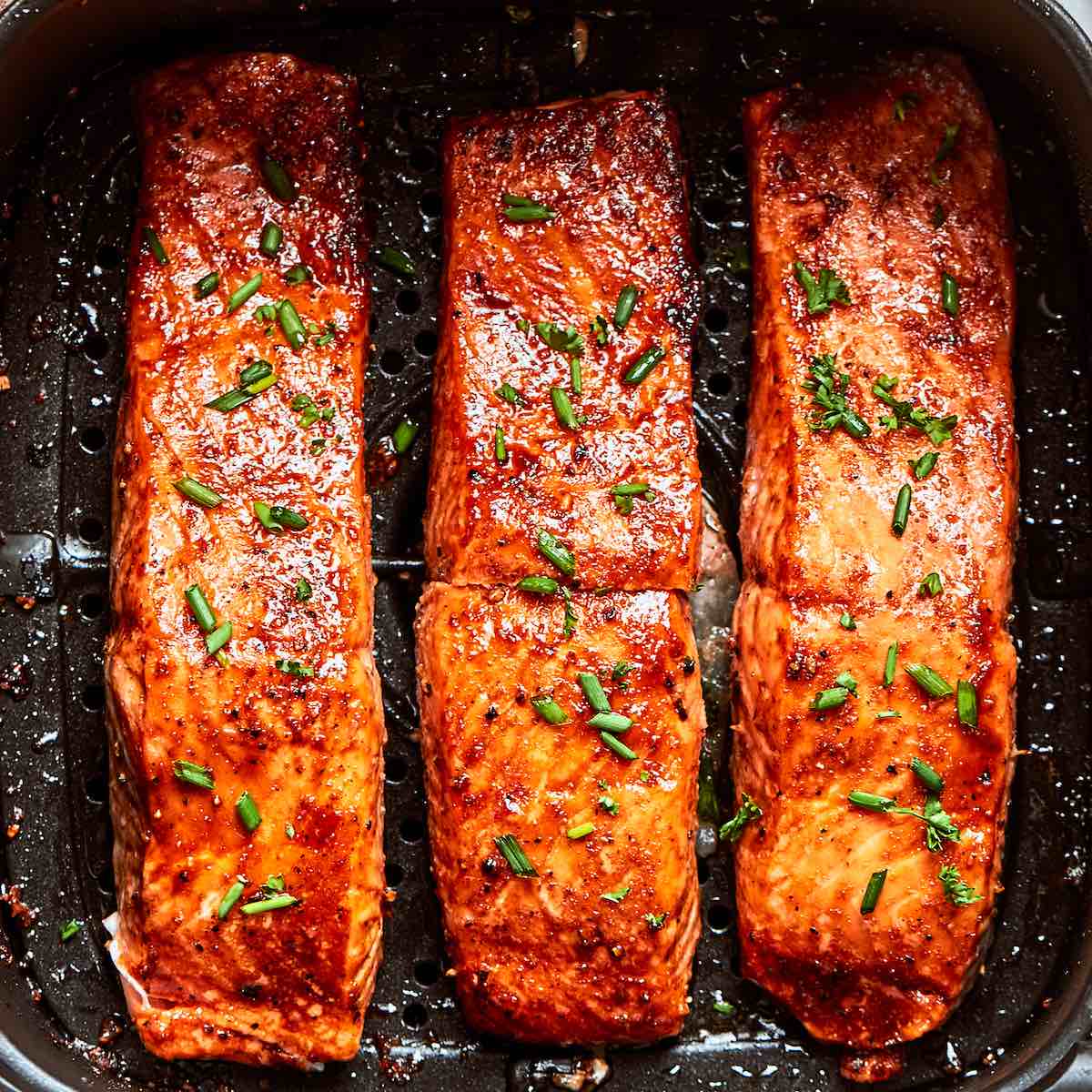 Credit: thebigmansworld.com
No thawing required: frozen salmon preps in under 5 minutes for a quick dinner
Credit: thebigmansworld.com
No thawing required: frozen salmon preps in under 5 minutes for a quick dinner
Optimal Oven Temperature and Bake Times
Sticking to the right temperature and timing is non-negotiable for perfectly cooked frozen salmon. Use the table below as a quick reference, and note that cook times will vary slightly based on your oven’s calibration and the exact thickness of your fillets:
| Salmon Thickness | Oven Temp | Uncovered Bake Time | Food-Safe Internal Temp |
|---|---|---|---|
| 1 inch (2.5 cm) | 400°F (200°C) | 22–25 minutes | 145°F (63°C) |
| 1.5 inches (3.8 cm) | 400°F (200°C) | 27–30 minutes | 145°F (63°C) |
| 2 inches (5 cm) | 400°F (200°C) | 32–35 minutes | 145°F (63°C) |
| If you cover your salmon with foil for extra moisture, add 3 to 5 minutes to the total bake time. For a crispy, golden skin, broil the salmon for the final 1 to 2 minutes of cooking, watching closely to avoid burning. |
How to Check for Perfect Doneness (Every Time)
Relying on time alone can lead to overcooked, dry salmon, so use these two methods to check for doneness:
- Food thermometer (most accurate): Insert the probe into the thickest part of the fillet, avoiding any bones. For food-safe salmon, pull it from the oven when it hits 145°F (63°C). If you prefer medium, juicy salmon (safe for most healthy adults), pull it at 125–130°F (52–54°C) — it will continue cooking 2 to 3 degrees as it rests.
- Fork test: Insert a fork into the thickest part of the fillet and twist gently. If the salmon flakes easily into opaque, firm pieces with no translucent or raw sections in the center, it’s done. The flesh should be uniformly pink (not raw red) throughout. Remember that carryover cooking is real: salmon will continue to cook for 2 to 3 minutes after you remove it from the oven, so it’s better to pull it a minute early than leave it in too long.
Simple Flavor Boosters for Frozen Salmon
Frozen salmon can have a slightly milder flavor than fresh, but a few simple additions take it to the next level:
Dry Rubs vs. Wet Marinades
Dry rubs are the best option for frozen salmon, as they adhere to the icy surface without sliding off during baking. Mix salt, pepper, smoked paprika, garlic powder, and a pinch of brown sugar for a savory-sweet base, or try a blend of dill, lemon zest, and onion powder for a bright, herbaceous flavor. Wet marinades (soy sauce, citrus, oil-based mixes) don’t penetrate frozen fish well, so if you want to use a marinade, thaw the salmon for 30 minutes in cold water first to allow flavors to absorb.
Glazes and Aromatics
Brush thick glazes (honey mustard, maple soy, balsamic reduction) onto the salmon during the last 5 minutes of baking to avoid burning. For bright, fresh flavor, top the salmon with thin lemon slices, capers, or minced garlic before baking, and add fresh dill or parsley after cooking to prevent burning. A pat of cold butter melted over the hot salmon right when it comes out of the oven adds rich, velvety depth.
Common Mistakes That Ruin Frozen Baked Salmon
Even experienced cooks make these errors when baking frozen salmon. Avoid them for consistent, delicious results:
- Skipping the oven preheat: Putting salmon in a cold oven leads to uneven cooking, a soggy top, and a raw center. Always preheat your oven for at least 10 minutes before adding the fish.
- Overcrowding the baking sheet: If fillets are touching or piled on top of each other, they steam instead of roast, leading to a mushy texture and uneven cooking. Leave at least 1 inch of space between each piece.
- Skipping the ice crystal pat-down: Ice on the salmon’s surface melts into water during baking, diluting seasoning and making the skin soggy. Always pat the frozen fillets dry with a paper towel before prepping.
- Overcooking: Many cooks assume frozen salmon needs double the cook time of thawed, but this leads to dry, tough fish. Use a thermometer and rely on carryover cooking to avoid overdoing it.
- Using low oven temperatures: Baking below 375°F (190°C) extends cook time so much that the fish dries out before the center thaws. Stick to 400°F (200°C) for the best results.
- Rinsing the salmon before baking: Rinsing frozen fish spreads bacteria around your sink and countertops, and adds excess moisture that leads to sogginess. Patting it dry with a paper towel is all you need.
Serving Suggestions for a Complete Meal
Baked frozen salmon works for everything from quick weeknight dinners to casual dinner parties. Pair it with these sides and presentation tips for a balanced, impressive meal:
Quick Weeknight Sides
For nights when you have 10 minutes to spare while the salmon bakes, opt for these low-effort, high-reward sides:
- Pre-washed salad kits tossed with a simple vinaigrette
- Microwaveable rice or quinoa
- Pre-cut frozen roasted vegetables (toss with oil and salt, add to the oven for the last 10 minutes of salmon cook time)
- Garlic bread from the freezer, popped in the oven alongside the salmon Wipe up any fish juices from your counter right after cooking with a disinfecting kitchen brush to avoid lingering odors and bacterial growth.
Elevated Dinner Party Pairings
For a more impressive spread, pair your baked salmon with:
- Lemon risotto or herb roasted potatoes
- Roasted Brussels sprouts with balsamic glaze
- Cucumber dill salad or quinoa tabbouleh
- A simple charcuterie board for appetizers, using our guide to cutting round cheese for boards for uniform, professional-looking pieces
Easy Presentation Tips
- Plate salmon on a neutral white or light-colored dish to make its pink color pop
- Garnish with fresh dill, parsley, or a sprinkle of flaky sea salt
- Add lemon wedges on the side for a bright, fresh finish
- Drizzle a thin line of glaze or melted butter over the top for a restaurant-quality look
 Credit: mowisalmon.us
A golden, flaky crust and moist interior are easy to achieve with the right temperature and timing
Credit: mowisalmon.us
A golden, flaky crust and moist interior are easy to achieve with the right temperature and timing
 Credit: noblepig.com
Fresh herbs and a squeeze of lemon brighten the rich flavor of baked salmon
Credit: noblepig.com
Fresh herbs and a squeeze of lemon brighten the rich flavor of baked salmon
Frequently Asked Questions
Can I bake frozen salmon without thawing it first?
Absolutely. Baking frozen salmon straight from the freezer is safe, convenient, and produces excellent results when you adjust cook time and temperature appropriately. There’s no need to thaw it first unless you want to use a wet marinade.
How long does frozen salmon take to bake?
Bake 1-inch thick fillets at 400°F (200°C) for 22 to 25 minutes. Thicker cuts (1.5 to 2 inches) require 27 to 35 minutes, depending on thickness. Always confirm doneness with a thermometer or fork test rather than relying on time alone.
Should I season salmon before or after baking frozen?
Season frozen salmon before baking for the best flavor. Dry rubs and oil-based seasonings adhere well to the icy surface, while wet marinades may slide off during cooking. If using a wet marinade, thaw the salmon for 30 minutes in cold water first to allow flavors to penetrate. Add fresh herbs and delicate garnishes after baking to avoid burning.
Is baking frozen salmon as healthy as baking thawed salmon?
Yes. Frozen salmon is flash-frozen at peak freshness, so it retains the same high levels of omega-3 fatty acids, protein, and vitamins as fresh salmon. Baking it without added heavy sauces or excess oil makes it a nutritious, low-effort meal option.
Can I use an air fryer instead of the oven to bake frozen salmon?
Yes. Air fry frozen salmon at 375°F (190°C) for 12 to 15 minutes, flipping halfway through, for a crispy exterior and moist interior. Reduce cook time by 2 to 3 minutes if your air fryer runs hot.
What if my salmon has freezer burn?
Frozen salmon with light freezer burn is still safe to eat. Trim off any dry, discolored, or leathery parts before baking, and note that the texture may be slightly less juicy, but the flavor will still be perfectly good.
Conclusion
Baking frozen salmon is a simple, safe, and time-saving hack that eliminates the hassle of thawing fish while delivering juicy, flavorful results every time. By prepping your salmon correctly, sticking to a 400°F oven temperature, and using a thermometer to check for doneness, you can avoid the common pitfalls that lead to dry, overcooked fish. It’s the perfect solution for busy weeknights, last-minute dinner plans, or anyone who wants to cut down on food waste without sacrificing meal quality. Ready to try it for yourself? Pull a pack of frozen salmon from your freezer tonight and follow these tips for a stress-free, nutritious meal. For more quick, healthy weeknight recipes and kitchen hacks that slash prep time, browse our full blog archive for hundreds of tested, family-friendly ideas. After your meal, scrub your baking sheet and utensils with a soap-dispensing scrub brush to cut through fish oil and odors without extra scrubbing.

I’m Abby Lu, a passionate home cook who loves simplifying everyday meals. At PlugChef.com, I share product reviews and cooking guides to help you find the best tools for your kitchen.
Related posts:
 How to Make a Fruit Basket for a Gift: Easy DIY Guide
 Do You Need a Basket? Essential Guide for Air Fryers
 What Blenders Do Tropical Smoothie Use: Expert Insights
Stainless Steel Vs White Kitchen Appliances: Ultimate Showdown
What Blenders Do Tropical Smoothie Use: Expert Insights
Stainless Steel Vs White Kitchen Appliances: Ultimate Showdown
 Kitchen Appliances for Wedding Registry: Must-Have Essentials
 Top 10 Best Non-Toxic Cooking Utensils – Safe & Durable Choices for Healthy Homes

