

If you’ve ever slaved over a pot of homemade brown gravy only to have leftovers go to waste, you’re not alone. Brown gravy is the unsung hero of weeknight dinners, holiday feasts, and comforting weekend meals — but it’s often made in batches larger than you can finish in one sitting. The good news? You absolutely can freeze brown gravy, and with the right steps, you’ll preserve its rich, savory flavor and silky smooth texture for months, cutting down on meal prep time and eliminating food waste. Whether you’re working with homemade gravy loaded with meat drippings or a store-bought jar, this guide walks you through every step, from prep to reheating, plus common mistakes to avoid and pro tips to make your frozen gravy taste just as good as freshly made.
Yes, You Can Freeze Brown Gravy — Here’s What To Expect First
Freezing brown gravy is completely safe, and when handled correctly, it retains nearly all of its rich, umami flavor and smooth, velvety texture. The only minor changes you may notice are very slight mellowing of seasoning or minimal thickening, both of which are easily fixed with small adjustments during reheating. Unlike some delicate sauces, brown gravy’s high fat and starch content make it very freezer-friendly, with no risk of spoilage if cooled and stored properly. The USDA confirms frozen cooked sauces and gravies remain safe indefinitely when stored at 0°F (-18°C) or lower, though peak quality is best within 2–3 months. This rule applies equally to homemade gravy made from pan drippings and store-bought varieties, so you can freeze any extra batch with confidence.
Prepping Brown Gravy For Freezing: 2 Non-Negotiable Steps
Skipping these two prep steps is the #1 cause of freezer-burned, grainy, or off-tasting gravy. Taking 10 extra minutes to prep correctly will save you from disappointment later.
Cool Gravy Completely Before Packaging
Never freeze hot or warm gravy. Hot gravy raises the temperature of your entire freezer, causing uneven freezing and large ice crystals that damage the starch and fat emulsion that gives gravy its smooth texture. It also creates a food safety risk, as hot food spends too long in the bacterial danger zone (40–140°F / 4–60°C) where bacteria multiply rapidly. The USDA recommends cooling hot cooked foods to 40°F (4°C) within 2 hours before freezing to prevent foodborne illness — a rule that applies to brown gravy as much as any other cooked dish.
To speed up cooling, divide hot gravy into small, shallow containers, or place the pot in an ice bath and stir occasionally to release heat. Once it reaches room temperature, you can transfer it to the fridge for 30 minutes to chill fully before packaging. Dividing hot gravy into smaller bowls also speeds up cooling, and a sturdy kitchen cleaning brush makes scrubbing those bowls fast once you’re done portioning.
Choose The Right Storage Container
Airtight packaging is non-negotiable to prevent freezer burn (dry, discolored spots that cause off flavors) and absorption of odors from other foods in your freezer. The best container for your gravy depends on your storage needs:
| Container Type | Pros | Cons | Best Use Case |
|---|---|---|---|
| Airtight rigid plastic or glass containers | Reusable, leak-proof, stackable, protect against crushing | Take up more freezer space | Larger family-sized portions, long-term storage |
| Heavy-duty freezer bags | Space-saving, flat for fast thawing, disposable | Prone to tearing if not high-quality, can absorb odors if not fully sealed | Small individual portions, limited freezer space |
| Vacuum-sealed bags | Eliminates all air, prevents freezer burn almost entirely, ultra space-efficient | Requires a vacuum sealer, higher upfront cost | Long-term storage (3+ months), bulk batches |
No matter which container you choose, leave ½ inch of headspace at the top of rigid containers: liquid expands 8–10% when frozen, and skipping this step can crack glass jars or pop lids off plastic containers. For freezer bags, squeeze out as much excess air as possible before sealing, using a straw to suck out remaining air if you don’t have a vacuum sealer.
Step-By-Step: How To Freeze Brown Gravy For Perfect Results
Follow these simple steps to freeze your gravy for maximum flavor and texture retention:
- Cool gravy to room temperature, or chill in the fridge for 1–2 hours to speed up cooling. Never freeze hot gravy.
- Portion into your desired serving sizes: ½ to 1 cup for individual meals, 2–3 cups for family dinners, to avoid thawing more than you need.
- Package in your chosen airtight container or bag, removing as much excess air as possible.
- Label each package with the date and contents, so you don’t have to guess what’s in your freezer months later.
- Store in the back of your freezer, where the temperature stays consistent (avoid the door, which fluctuates every time you open it).
Thawing Frozen Brown Gravy: 3 Safe Methods To Avoid Separation
Improper thawing is the #1 cause of grainy, separated gravy, as rapid temperature changes damage the delicate emulsion of fat, starch, and liquid that gives gravy its smooth texture. Use one of these three safe methods, depending on how much time you have:
Refrigerator Thawing (Recommended)
Transfer frozen gravy to the fridge 12–24 hours before you plan to use it, depending on portion size. This slow, steady thawing keeps the emulsion intact, with zero risk of separation or texture changes. It’s also the safest method, as it keeps gravy at a consistent, bacteria-safe temperature the entire time. This method is ideal if you plan your meals ahead of time.
Cold Water Thawing (Quick, Safe Option)
For faster thawing, place sealed freezer bags of gravy in a bowl of cold water, changing the water every 20–30 minutes to keep it cold. Thawing time is 1–2 hours for small portions, 3–4 hours for larger batches. Never use warm or hot water, as it can partially cook the gravy and create a breeding ground for bacteria.
Microwave Thawing (Last Resort)
Use the defrost setting on your microwave, heating in 30-second bursts and stirring thoroughly between each burst. Stop when the gravy is still slightly icy in the center, then finish reheating fully. Avoid using high power, as it will cause hot spots, curdling, and separation. This method is best for small portions you plan to use immediately.
Never thaw gravy at room temperature on the counter: it spends too long in the bacterial danger zone, increasing the risk of foodborne illness. After reheating, a professional kitchen cleaning brush makes quick work of scrubbing any browned bits from your saucepan without scratching the surface.
Reheating Thawed Brown Gravy To Restore Perfect Texture & Flavor
Even properly thawed gravy may need a little TLC to get back to its freshly made state, as freezing can cause slight thickening or muted flavors. Use these methods for the best results:
Stovetop Reheating (Best For Quality)
Pour thawed gravy into a small saucepan, and heat over medium-low heat, whisking constantly to prevent lumps and scorching. If the gravy is too thick, add a splash of low-sodium beef or chicken broth, 1 teaspoon at a time, until you reach your desired consistency. Heat until steaming, but do not let it come to a full boil, as high heat can break the emulsion and cause separation. For extra silkiness, blend with an immersion blender for 10 seconds after heating. If you’re prepping gravy alongside other make-ahead sides for busy weeknights, check out our guide to cutting round cheese for charcuterie boards for quick, no-cook appetizer additions.
Microwave Reheating (Quick & Convenient)
Pour gravy into a microwave-safe bowl, cover with a microwave-safe lid or paper towel to prevent splatters. Heat in 30-second bursts, stirring thoroughly between each burst, until steaming hot. Avoid overheating, as this will cause the gravy to curdle or become lumpy.
Adjusting Flavor After Reheating
Freezing mellowes the savory, umami notes of gravy, so taste and adjust seasoning as needed: add a pinch of salt, black pepper, a dash of Worcestershire sauce, or a sprinkle of garlic powder to brighten the flavor. For extra richness, stir in a small pat of unsalted butter or a splash of heavy cream at the end of reheating.
Common Freezing & Reheating Mistakes To Avoid
These easy-to-fix errors are the most common causes of ruined frozen gravy:
- Freezing hot gravy: Causes uneven freezing, large ice crystals that damage texture, and raises your freezer’s temperature, risking other foods. Fix: always cool gravy to room temperature (or chill in the fridge) before freezing.
- Using non-airtight packaging: Lets air in, causing freezer burn and absorption of freezer odors. Fix: use containers with tight-fitting lids, or squeeze all excess air out of freezer bags before sealing.
- Refreezing thawed gravy: Breaks down the gravy’s emulsion, leading to a watery, grainy texture, and increases bacterial risk. Fix: only freeze gravy once; store leftover thawed gravy in the fridge for up to 4 days.
- Reheating on high heat: Causes scorching, curdling, and separation of the gravy’s components. Fix: always reheat over low to medium-low heat, stirring constantly.
- Skipping headspace in rigid containers: Liquid expands when frozen, which can crack glass jars or pop lids off plastic containers. Fix: leave ½ inch of space at the top of all rigid containers before sealing.
For households with young kids, use child proof cabinet locks no drilling on your freezer door to prevent accidental thawing of stored gravy batches.
Shelf Life & Signs Your Frozen Brown Gravy Has Gone Bad
How Long Does Frozen Brown Gravy Last?
Frozen brown gravy retains peak quality for 2–3 months when stored at a consistent 0°F (-18°C) or lower. It remains safe to eat indefinitely if kept frozen, but flavor and texture will decline after 3 months, becoming more prone to graininess and muted flavor. Always label containers with the freezing date to track storage time.
Signs Of Spoilage To Watch For
Discard gravy immediately if you notice any of these signs:
- Off, sour, or rotten smell
- Visible mold or discoloration
- Slimy or unusual texture
- Sour or unpleasant taste when reheated
Note: minor freezer burn (small white ice crystals, dry spots) is a quality issue, not a safety issue — you can still eat the gravy, but it may have a slightly duller flavor and texture, which can be fixed by whisking well and adding a splash of broth.
Pro Tips To Boost Flavor Of Frozen & Reheated Gravy
These small tweaks will make your frozen gravy taste almost identical to freshly made:
- Under-season before freezing: Freezing mellowes flavors slightly, so season your gravy a little less intensely before freezing, then adjust salt, pepper, and other seasonings after reheating for the best flavor.
- Add fresh aromatics after reheating: Stir in finely chopped fresh thyme, rosemary, or parsley right before serving to add a bright, fresh note that cuts through the rich, savory base.
- Enrich with fat or broth: If your gravy feels thin after reheating, simmer it for 2–3 minutes on the stovetop to thicken, or stir in a pat of butter or a splash of heavy cream for extra richness.
- Use an immersion blender for separated gravy: If your gravy has separated after thawing, blend it for 10–15 seconds with an immersion blender to re-emulsify the fat and liquid for a perfectly smooth texture.
- Sticky gravy splatters on countertops or stovetops wipe away easily with a kitchen cleaning brush set that includes both stiff bristles for scrubbing and soft heads for delicate surfaces.
Frequently Asked Questions
Can you freeze homemade brown gravy safely?
Yes, as long as you cool it completely to room temperature (or chill it in the fridge first) and store it in an airtight container or freezer bag. Follow the thawing and reheating guidelines above for best results, and always reheat to an internal temperature of 165°F (74°C) for food safety.
How long does brown gravy last in the freezer?
Frozen brown gravy retains peak quality for 2–3 months, and remains safe to eat indefinitely if stored at 0°F (-18°C) or lower. After 3 months, flavor and texture may start to decline, so use it within that window for the best experience.
Does freezing brown gravy change its texture?
Freezing can cause slight texture changes if not handled properly: large ice crystals from rapid freezing can make gravy grainy, and improper thawing can cause separation of the fat and liquid. These issues are easy to fix with proper prep, slow thawing, and whisking during reheating.
Can you freeze store-bought brown gravy?
Yes, store-bought brown gravy freezes just as well as homemade. Transfer it from its original packaging to an airtight freezer bag or container to prevent freezer burn, and follow the same thawing and reheating steps as homemade gravy.
Can you freeze brown gravy with meat drippings?
Absolutely! Gravy made with meat drippings (like turkey, beef, or chicken drippings) freezes perfectly, and the meaty flavor actually holds up very well in the freezer. Just make sure to skim any excess fat off the top before cooling and freezing, to prevent a greasy texture after reheating.
Can you freeze gluten-free brown gravy?
Yes, gluten-free brown gravy (whether made with gluten-free flour, cornstarch, or arrowroot) freezes just as well as traditional gravy. Cornstarch-thickened gravy may be slightly more prone to separation after thawing, but whisking well during reheating will restore its smooth texture.
Final Thoughts
Freezing brown gravy is one of the easiest ways to cut down on meal prep time, reduce food waste, and have rich, homemade gravy on hand whenever you need it. With the right prep — cooling completely, using airtight packaging, portioning wisely — you can preserve its flavor and texture perfectly for up to 3 months. Avoid common mistakes like refreezing thawed gravy or reheating on high heat, and use our pro tips to boost flavor after thawing. Next time you have leftover gravy, don’t toss it: freeze it, and enjoy restaurant-quality sauce with your next meal in minutes.
For more easy kitchen hacks to simplify your meal prep, check out our full library of kitchen tips and tricks to make cooking faster and more fun.
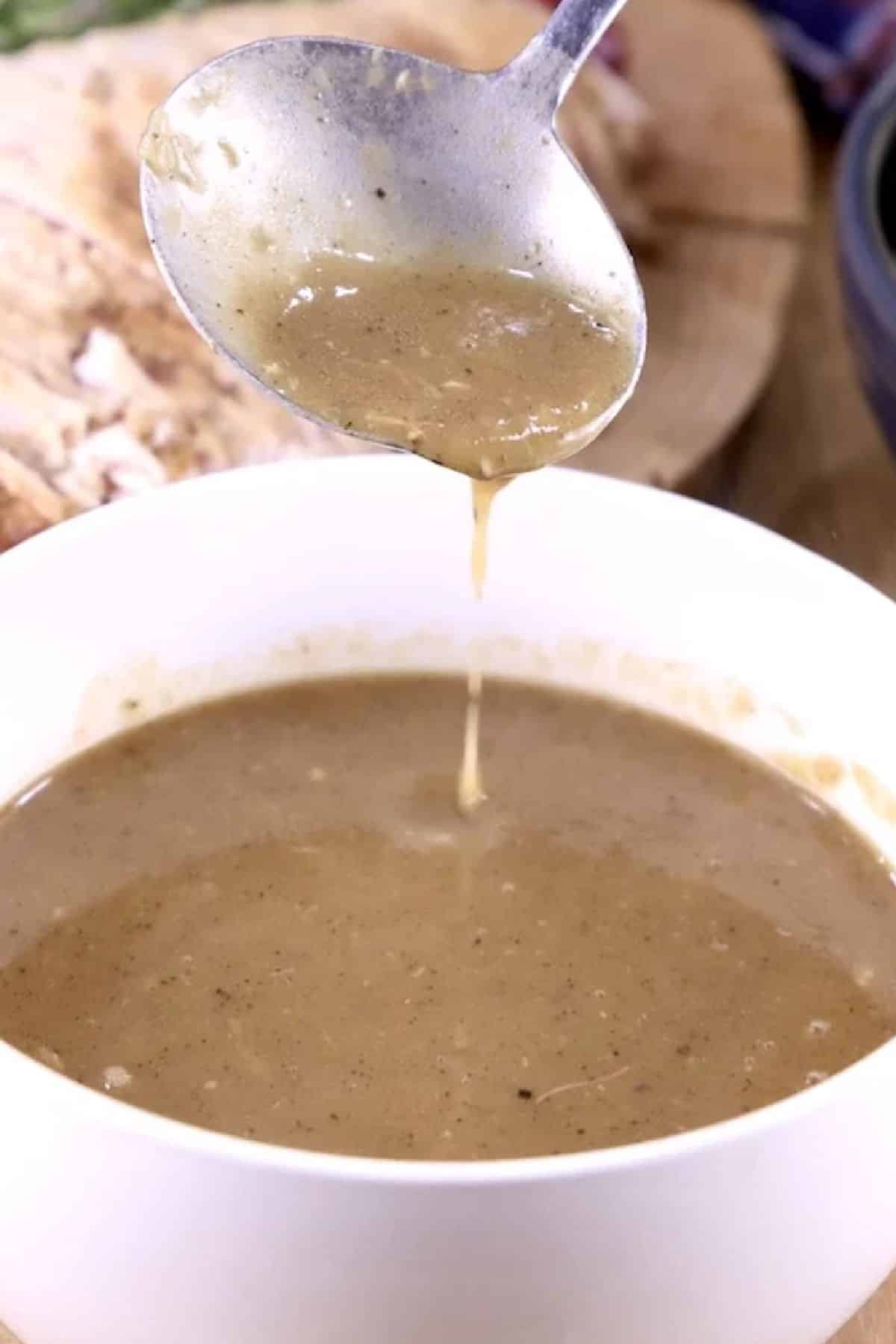 Freshly made brown gravy, ideal for freezing in portioned batches for future meals.
Credit: www.missinthekitchen.com
Freshly made brown gravy, ideal for freezing in portioned batches for future meals.
Credit: www.missinthekitchen.com
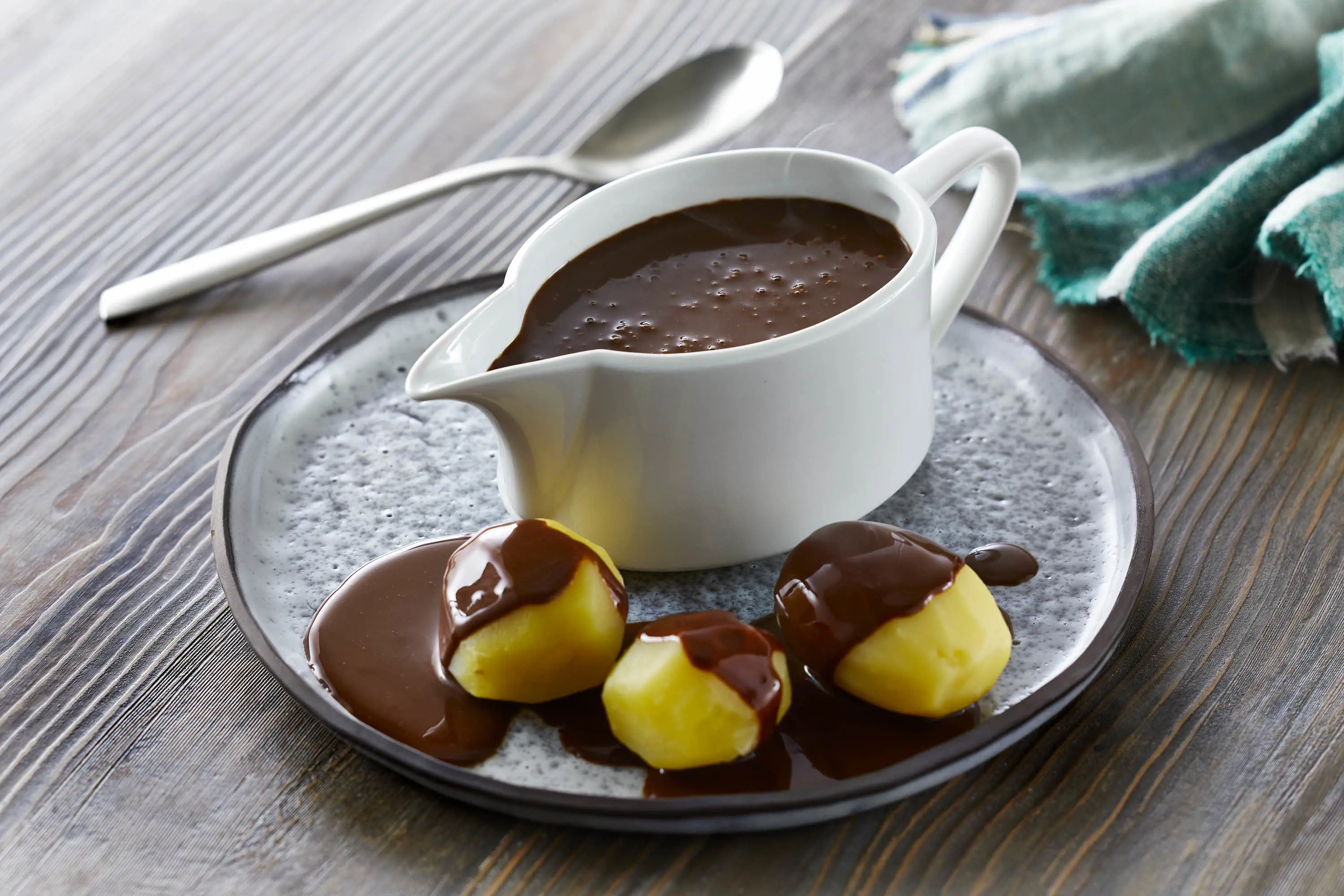 Reheated frozen brown gravy maintains its smooth, rich texture when thawed and warmed properly.
Credit: www.arlafoods.co.uk
Reheated frozen brown gravy maintains its smooth, rich texture when thawed and warmed properly.
Credit: www.arlafoods.co.uk
 Labeling frozen gravy with the date helps you track storage time for best quality.
Credit: easydinnerideas.com
Labeling frozen gravy with the date helps you track storage time for best quality.
Credit: easydinnerideas.com
Final Verdict
Freezing brown gravy is one of the most practical kitchen hacks for anyone who cooks in batches or hates wasting leftover sauce. As noted in USDA food safety guidance, properly stored frozen cooked sauces and gravies remain safe to eat indefinitely at 0°F (-18°C) or lower, though peak quality is best within 2–3 months. With proper cooling, airtight storage, and gentle thawing and reheating, you’ll never have to settle for lumpy, bland, or separated gravy again. The 2–3 month freezer window gives you plenty of time to use your stash for everything from weeknight mashed potato dinners to holiday feasts, without the hours of simmering and deglazing required for fresh gravy. Skip the common mistakes of refreezing or reheating on high heat, use our pro flavor-boosting tips, and you’ll have restaurant-quality gravy ready in minutes whenever you need it.
For more easy, time-saving kitchen tips to simplify your cooking routine, explore our full collection of kitchen hacks and meal prep guides to make every meal faster and more delicious.

I’m Abby Lu, a passionate home cook who loves simplifying everyday meals. At PlugChef.com, I share product reviews and cooking guides to help you find the best tools for your kitchen.
Related posts:
 How to Make a Fruit Basket for a Gift: Easy DIY Guide
 Do You Need a Basket? Essential Guide for Air Fryers
 How to Adjust Syrup Dispenser Pressure: Expert Tips
 What Blenders Do Tropical Smoothie Use: Expert Insights
Stainless Steel Vs White Kitchen Appliances: Ultimate Showdown
What Blenders Do Tropical Smoothie Use: Expert Insights
Stainless Steel Vs White Kitchen Appliances: Ultimate Showdown
 Kitchen Appliances for Wedding Registry: Must-Have Essentials

