
If you’ve ever struggled with stubborn stains, rust spots, or squeaky hinges on your stainless steel items, you’re not alone. You want your stainless steel to look shiny and clean, but sometimes regular cleaning just doesn’t cut it.
That’s where WD-40 comes in. But can this popular product really help your stainless steel shine like new? Keep reading to discover how WD-40 can be a surprising solution to keep your stainless steel surfaces spotless, protected, and smooth. You’ll learn simple tips that make maintenance easier than ever.

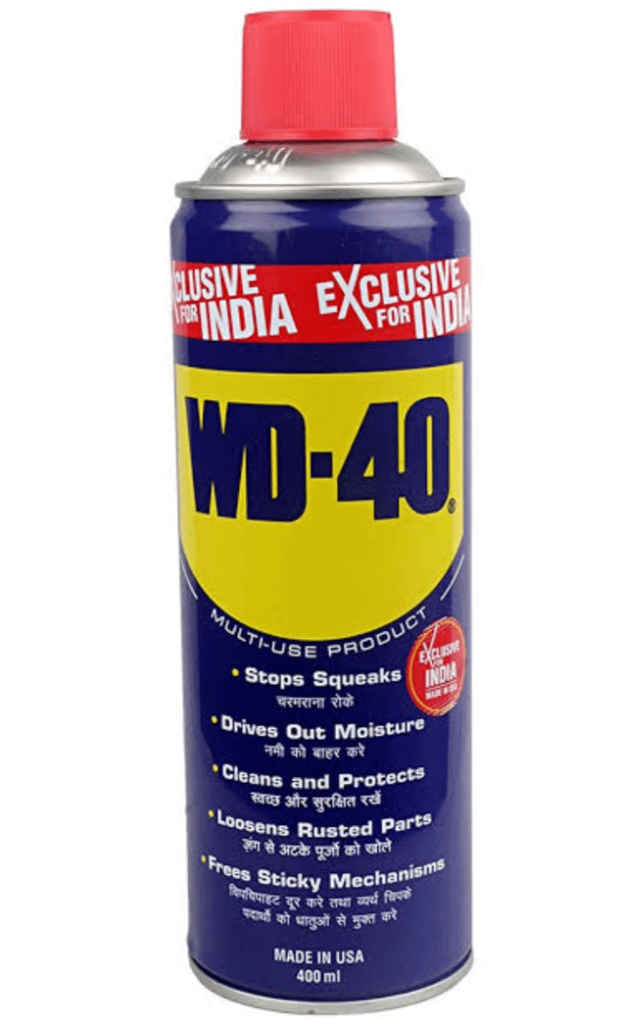
Image: WD-40 multi-use product
Why Choose Wd-40 For Stainless Steel
Choosing the right product for stainless steel care is key for lasting shine and protection. WD-40 offers unique benefits that keep stainless steel surfaces clean and rust-free. It works gently yet effectively, preserving the metal’s natural look. Using WD-40 can extend the life of your stainless steel items.
Properties That Make Wd-40 Effective
- Penetrates rust and loosens stuck parts.
- Leaves a thin protective layer to prevent corrosion.
- Repels moisture to reduce water spots and stains.
- Non-abrasive formula that won’t scratch surfaces.
- Evaporates quickly without leaving a sticky residue.
- Safe for use on various metals, including stainless steel.
Common Uses On Stainless Steel Surfaces
- Cleaning kitchen appliances like refrigerators and ovens.
- Protecting outdoor stainless steel grills from rust.
- Maintaining stainless steel tools and hardware.
- Removing fingerprints and smudges from stainless steel fixtures.
- Lubricating hinges and sliding parts on stainless steel doors.
- Restoring shine to stainless steel sinks and countertops.

Image: Rust prevention
Preparing Stainless Steel For Wd-40 Application
Preparing stainless steel for WD-40 application ensures better protection and longer-lasting results. The surface must be clean and dry to allow WD-40 to work effectively. Dirt, grease, and rust can block the product from reaching the metal.
Proper preparation also helps avoid damage and improves safety during application. Follow these simple steps to get the best outcome from your WD-40 treatment.
Cleaning Before Application
Start by removing dirt and grime with warm soapy water. Use a soft cloth or sponge to avoid scratching the surface. Rinse thoroughly to remove soap residue.
For tougher stains or rust, apply a mild stainless steel cleaner. Gently scrub with a non-abrasive pad. Wipe clean with a dry cloth to prevent water spots.
Make sure the surface is completely dry before applying WD-40. Moisture reduces its effectiveness and may cause streaks.
Safety Precautions To Consider
Work in a well-ventilated area to avoid inhaling fumes. WD-40 contains chemicals that can irritate the lungs and eyes.
Wear gloves to protect your skin from direct contact. Avoid touching your face while applying the product.
Keep WD-40 away from open flames and heat sources. It is flammable and requires careful handling.
Store the product in a cool, dry place out of reach of children and pets.
How To Apply Wd-40 On Stainless Steel
Spray WD-40 lightly on a clean cloth and wipe the stainless steel surface evenly. Buff gently to remove stains and add shine without scratching. Repeat if needed for stubborn spots.
Applying WD-40 to stainless steel surfaces can enhance their appearance and protect them from fingerprints and smudges. Whether you’re dealing with kitchen appliances or other stainless steel fixtures, a little WD-40 goes a long way. It’s a simple process, but knowing how to apply it correctly can make all the difference in achieving that perfect shine.

Image: Wd-40 On Stainless Steel
Step-by-step Application Process
- Start by cleaning the stainless steel surface with mild soap and water. This removes any dust and grime, ensuring a better finish.
- Dry the surface thoroughly with a soft cloth. Any leftover moisture can interfere with the application of WD-40.
- Spray a small amount of WD-40 directly onto the stainless steel or onto a clean microfiber cloth. A little is all you need.
- Using the cloth, gently rub the WD-40 in the direction of the stainless steel grain. This helps avoid streaks and enhances the natural shine.
- Continue polishing the surface until you achieve the desired look. For tougher spots, apply a bit more WD-40 and repeat the process.
- Buff the surface with a dry microfiber cloth to remove any excess product and add extra shine.
Tools And Materials Needed
| Tool/Material | Purpose |
|---|---|
| Mild soap and water | Initial cleaning of the surface |
| Soft cloth | Drying the surface |
| WD-40 | Main product for shining and protecting |
| Microfiber cloth | Application and buffing |
Have you ever found yourself frustrated with streaks and spots on your stainless steel? This simple application of WD-40 can solve that problem. With just a few tools, you can transform dull surfaces into gleaming ones. Give it a try and see the difference it makes in your home.

Credit: www.homedepot.com
Benefits Of Using Wd-40 On Stainless Steel
Using WD-40 on stainless steel offers practical benefits that go beyond simple cleaning. It helps maintain the metal’s durability and appearance while making upkeep easier. If you want your stainless steel surfaces to look great and last longer, understanding these benefits can change how you care for them.
Rust Prevention And Protection
WD-40 creates a thin, protective layer that shields stainless steel from moisture and air. This barrier helps prevent rust and corrosion, especially in humid or wet environments. Have you noticed how even a small scratch can lead to rust? Applying WD-40 can stop that damage before it starts.
Enhancing Shine And Appearance
WD-40 not only protects but also boosts the shine of stainless steel surfaces. It removes fingerprints, smudges, and dull spots, leaving a clean and polished look. If your stainless steel appliances look tired, a quick spray and wipe might be all they need to appear brand new.
Removing Stains And Residue
Stainless steel can attract sticky residues, grease, and stubborn stains. WD-40’s lubricating properties help loosen and remove these marks without harsh scrubbing. Instead of struggling with abrasive cleaners, you can gently wipe away grime and restore the surface’s smoothness.
Common Mistakes To Avoid
Using WD-40 on stainless steel can be a great way to clean and protect the surface, but there are some common mistakes that many people make. These errors can reduce effectiveness and even damage your stainless steel items. Knowing what to avoid helps you get the best results every time.
Over-application Issues
Applying too much WD-40 is a common problem that can leave your stainless steel greasy and sticky. Excess product can attract dust and dirt, making the surface look worse over time. Have you noticed how a little goes a long way? Using just a small amount, then wiping it off thoroughly, keeps your stainless steel clean without residue.
Too much WD-40 can also cause slippery surfaces, which might be dangerous on handles or kitchen appliances. It’s better to apply sparingly and buff well with a soft cloth. This approach saves you money and keeps your stainless steel looking polished.
Using Wd-40 On Unsuitable Surfaces
WD-40 works wonders on many items, but not all stainless steel surfaces benefit from it. For example, avoid using it on stainless steel cookware or food-contact areas. The product can leave a residue that may affect taste or safety.
Have you ever tried WD-40 on stainless steel appliances with special coatings? It can damage the finish or cause discoloration. Always check the manufacturer’s guidelines before applying WD-40, especially on surfaces with protective layers or decorative elements.
If you’re unsure whether WD-40 is safe for your stainless steel, test a small hidden area first. This simple step can prevent costly mistakes and keep your items looking their best.
Alternative Cleaning And Protection Options
WD-40 is a popular choice for cleaning and protecting stainless steel, but it’s not the only option. You might want alternatives that suit different needs—whether it’s avoiding chemicals or using something more eco-friendly. Let’s look at some other ways to keep your stainless steel shining and safe.

Image: Wd-40 On Stainless Steel: Alternative Cleaning And Protection Options
Other Chemical Products
If you’re open to using chemical products, there are several designed specifically for stainless steel. These often combine cleaning and protection in one, saving you time and effort.
- Stainless steel cleaners:Brands like Weiman or Bar Keepers Friend offer products that remove fingerprints, water spots, and rust without harming the metal.
- Polish sprays:Products with a silicone base create a thin protective layer that repels dirt and moisture.
- Anti-corrosion sprays:These can be useful in humid environments or outdoor settings where rust is a risk.
Have you ever tried a cleaner that left a streaky finish? Choosing the right product can make all the difference. Testing a small, hidden area first is a smart move to avoid surprises.
Natural And Homemade Solutions
For those who prefer natural approaches, simple household items can work wonders on stainless steel. These options are budget-friendly and reduce exposure to harsh chemicals.
- Vinegar and olive oil:Spray vinegar to remove grime, then wipe with olive oil to restore shine and add a protective layer.
- Baking soda paste:Mix baking soda with water to form a paste that gently scrubs away stains without scratching.
- Lemon juice:Its natural acidity cuts through grease and leaves a fresh scent, but rinse thoroughly to avoid corrosion.
Have you noticed how these simple ingredients often outperform expensive products? Trying these natural solutions can give you a safer and equally effective way to care for your stainless steel surfaces.
Maintenance Tips For Stainless Steel
Maintaining stainless steel is essential for preserving its shine and strength. Regular care prevents rust and keeps surfaces smooth. Using WD-40 helps clean and protect stainless steel effectively. Follow these tips to extend the life of your stainless steel items.
Regular Cleaning Routines
Clean stainless steel often to avoid buildup. Use a soft cloth or sponge with mild soap and water. Wipe in the direction of the grain to prevent scratches. Dry the surface with a clean towel to stop water spots.
Spray WD-40 lightly on the surface for easy cleaning. It removes fingerprints, grease, and stains. After spraying, wipe with a soft cloth to restore shine. Avoid abrasive cleaners that can damage the steel.
Long-term Protection Strategies
Apply WD-40 regularly to create a thin protective layer. This layer repels moisture and reduces rust risk. Use it on kitchen appliances, tools, and outdoor fixtures. Store stainless steel items in dry places.
Check surfaces often for signs of wear or damage. Fix scratches or stains quickly to prevent corrosion. Avoid harsh chemicals and salt exposure to keep the steel strong. Proper care keeps stainless steel looking new for years.
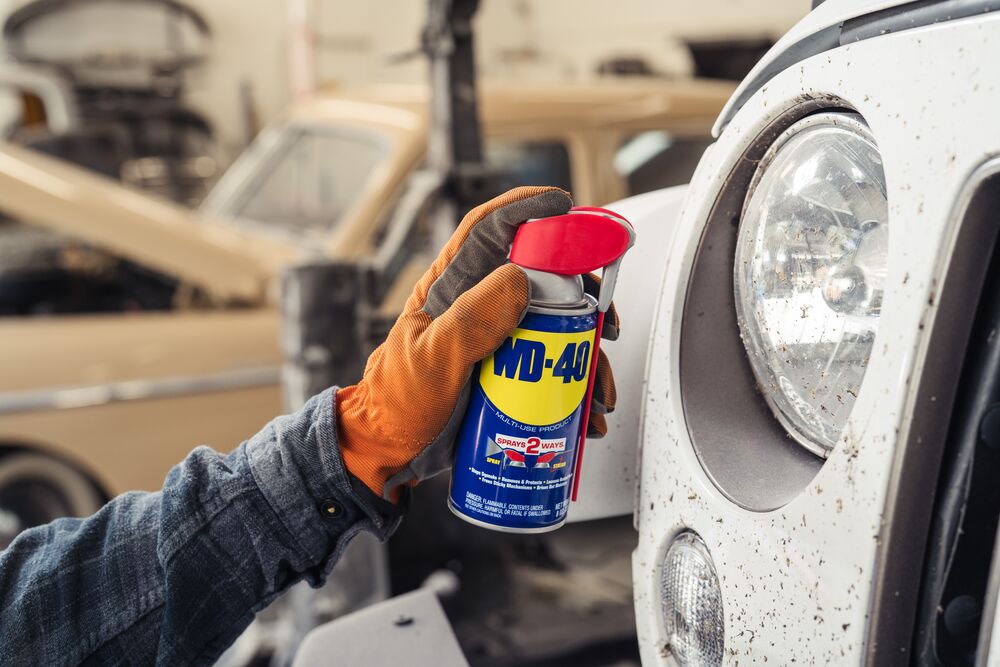
Credit: www.wd40.com
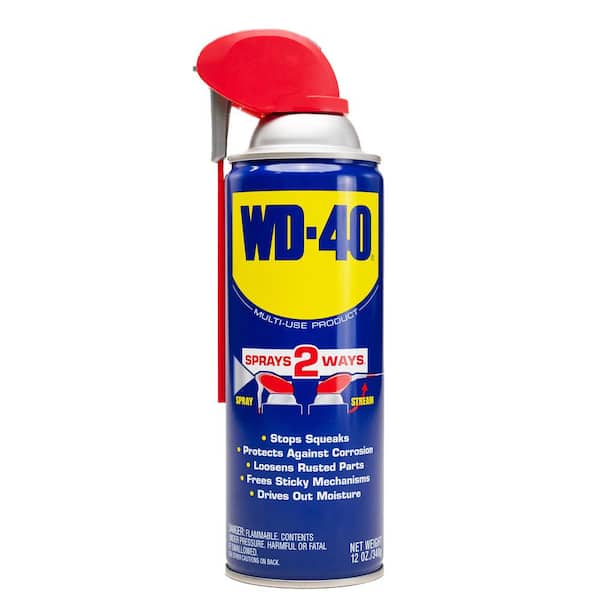
Credit: www.homedepot.com
Frequently Asked Questions
Can Wd-40 Damage Stainless Steel Surfaces?
No, WD-40 does not damage stainless steel. It safely cleans, lubricates, and protects without causing rust or corrosion. Use it sparingly and wipe off excess to maintain the steel’s shine and durability.
How Does Wd-40 Help Maintain Stainless Steel?
WD-40 removes grime, fingerprints, and water spots from stainless steel surfaces. It also prevents rust and corrosion by creating a thin protective layer, keeping your stainless steel clean and shiny for longer.
Is Wd-40 Safe For Kitchen Stainless Steel Appliances?
Yes, WD-40 is safe on kitchen stainless steel appliances when used correctly. Avoid direct contact with food and wipe the surface clean after application to prevent any residue from transferring to food.
Can Wd-40 Remove Rust From Stainless Steel?
WD-40 can help loosen light rust on stainless steel. It penetrates rust, making it easier to scrub away. For heavy rust, use specialized rust removers designed for stainless steel.
Conclusion
WD-40 helps protect and clean stainless steel effectively. It removes rust and stops moisture from causing damage. Use it carefully to keep surfaces shiny and smooth. Always test on a small area first to avoid marks. Regular care with WD-40 can make stainless steel last longer.
Simple steps keep your metal looking its best. Try it for easy maintenance and strong protection.

I’m Abby Lu, a passionate home cook who loves simplifying everyday meals. At PlugChef.com, I share product reviews and cooking guides to help you find the best tools for your kitchen.
Related posts:
 What Type of Cooking Utensils are Safe: Expert Picks
 What Innovations Could Blenders Make: Unleashing Future Tech
 Smart Strategies to Organize a Small Kitchen: Maximize Space
 How to Organize a Kitchen Cabinet: Expert Tips & Tricks
 How to Organize Kitchen Drawers: Expert Tips and Tricks
 How to Organize a Corner Kitchen Cupboard: Expert Tips

