
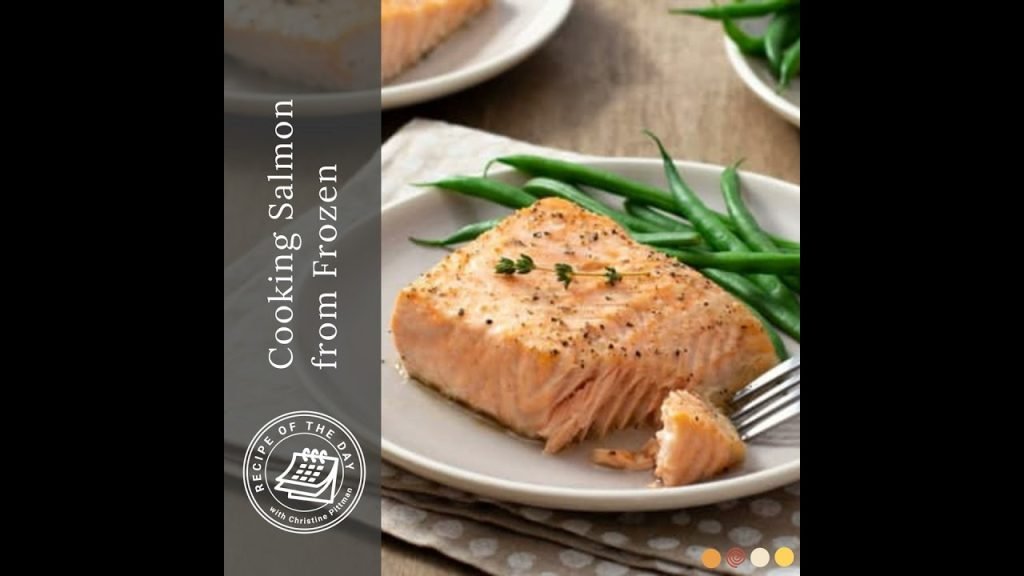
Are you looking for easy and delicious recipes for frozen salmon fillets? You’re in the right place! With a few simple methods, you can turn frozen salmon into flavorful, healthy meals that are perfect for busy weeknights.
Whether you want a quick weeknight dinner or a tasty meal to impress guests, these recipes will make your salmon shine. No need to worry about thawing or complicated steps—just simple, flavorful dishes you can enjoy anytime. Keep reading, and discover how to turn frozen salmon into your new favorite meal.

Credit: www.aspicyperspective.com
Choosing Frozen Salmon
Choosing frozen salmon is key to making tasty meals. Picking the right fillet affects flavor and texture. Knowing the types and quality signs saves time and money. Proper storage keeps salmon fresh for cooking later.
Types Of Salmon Fillets
Frozen salmon fillets come in various types. Wild-caught salmon often has richer flavor. Farmed salmon is milder and more affordable. You can find skin-on or skinless fillets. Some fillets are pre-portioned for easy cooking. Decide based on taste and recipe needs.
Quality Indicators
Check for clear, firm flesh in the fillet. Avoid fillets with dark spots or freezer burn. Look for bright, natural color without dullness. Packaging should be intact and sealed well. Avoid fillets with excess ice crystals inside the package.
Storage Tips
- Keep frozen salmon at or below 0°F (-18°C).
- Store in airtight containers or vacuum bags.
- Do not refreeze salmon once thawed.
- Use frozen salmon within 3 to 6 months for best taste.
- Thaw in the refrigerator overnight before cooking.

Credit: mowisalmon.us
Thawing Techniques
Thawing frozen salmon fillets correctly is key to preserving their flavor and texture. Choosing the right technique can make a big difference in how your dish turns out. Let’s look at some practical ways to thaw salmon safely and efficiently, so you’re ready to cook without any hassle.
Refrigerator Method
This is the safest way to thaw salmon because it keeps the fish at a consistent, cool temperature. Simply place the frozen fillet on a plate or shallow dish and leave it in the fridge overnight or for about 12 hours.
Though it takes time, this method helps maintain the salmon’s texture and prevents bacterial growth. Have you noticed how sometimes fish gets mushy after thawing too fast? The slow thaw in the fridge avoids that problem.
Cold Water Method
If you need to thaw salmon quicker, the cold water method is a great choice. Put the fillet in a sealed plastic bag, then submerge it in cold water, changing the water every 30 minutes.
This usually thaws the fish within an hour or less, depending on the thickness. Just be sure the bag is sealed tight to avoid water seeping in and affecting the flavor.
Quick Thawing Tips
- Use a microwave cautiously:If you’re in a real rush, some microwaves have a defrost setting, but use it carefully to avoid cooking parts of the fish.
- Cut into smaller pieces:Smaller portions thaw faster, so dividing large fillets can save time.
- Plan ahead:Even with quick methods, giving yourself extra time ensures better results.
What’s your go-to thawing technique? Trying different methods can help you find the best fit for your cooking style and schedule.
Simple Seasoning Ideas
Seasoning frozen salmon fillets doesn’t have to be complicated to taste amazing. Simple seasoning ideas can bring out the natural flavors of salmon while adding a touch of excitement to your meal. With the right herbs, spices, marinades, and sauces, you can turn a basic frozen fillet into a delicious dish that feels special.
Herbs And Spices
Fresh or dried herbs can brighten salmon without overpowering it. Dill, parsley, and thyme are classic choices that pair well with the fish’s subtle flavor. You can also try smoked paprika or a pinch of cumin for a warm, earthy kick.
Sprinkle your fillets with salt and pepper first. Then add a mix of your favorite herbs and spices. This simple step takes just minutes but makes a big difference in taste.
Marinades
Marinating frozen salmon might sound tricky, but a quick soak after thawing can infuse the fish with flavor. A simple marinade with olive oil, lemon juice, garlic, and a little honey adds brightness and a hint of sweetness.
Try mixing soy sauce, ginger, and brown sugar for a tangy, Asian-inspired marinade. Let your fillets sit in the fridge for about 20 minutes before cooking to soak up the flavors.
Sauces And Glazes
Adding a sauce or glaze at the end of cooking can elevate your salmon dish instantly. A honey mustard glaze combines sweet and tangy notes that complement the richness of the fish perfectly.
Consider a creamy dill sauce made with yogurt and fresh herbs for a cool contrast. Or brush on a teriyaki glaze during the last few minutes of baking to create a shiny, flavorful coating.

Credit: noblepig.com
Easy Cooking Methods
Frozen salmon fillets cook quickly with simple methods like baking or pan-searing. These easy recipes save time and keep the fish tender and flavorful. Perfect for busy days or beginner cooks.
Cooking frozen salmon fillets can be a breeze with the right methods. Whether you’re a seasoned chef or a kitchen newbie, these easy techniques will elevate your salmon game. Let’s dive into three effortless cooking methods that bring out the best in your frozen salmon fillets.
Pan-seared Salmon
Pan-searing is perfect for a quick and flavorful meal. Begin by thawing your salmon fillets for a few minutes under cold running water. Pat them dry with a paper towel to ensure a crispy crust. Heat a non-stick skillet over medium-high heat and add a tablespoon of olive oil. Place the salmon, skin-side down, and let it sizzle for about 4-5 minutes. Flip and cook the other side for another 2-3 minutes until it reaches your desired doneness. Season with salt, pepper, and a squeeze of lemon juice. This simple method locks in the salmon’s natural flavors. Have you ever tried adding a dash of garlic or herbs for an extra punch?
Baked Salmon
Baking salmon is a fuss-free method that requires minimal effort. Preheat your oven to 400°F (200°C) and line a baking sheet with parchment paper. Place the frozen fillets on the sheet and season with your favorite spices. I love using a mix of dill, garlic powder, and a pinch of paprika. Cover the fillets loosely with aluminum foil to keep them moist. Bake for 15-20 minutes, or until the salmon flakes easily with a fork. Baking is perfect for those nights when you crave a healthy meal without spending too much time in the kitchen.
Grilled Salmon
Grilling salmon adds a smoky flavor that’s hard to resist. Preheat your grill to medium-high heat and oil the grates to prevent sticking. Brush the frozen salmon fillets with olive oil and season generously. Place them on the grill, skin-side down, for about 6-8 minutes. Flip carefully and grill for another 4-5 minutes. Watching the grill marks form can be incredibly satisfying. How about trying a soy sauce and honey glaze for a sweet-savory twist? Each of these methods offers a unique taste experience. Which one will you try first?
Quick Salmon Recipes
Frozen salmon fillets make quick and tasty meals. These recipes need few ingredients and little time. Perfect for busy days or last-minute dinners. Simple steps bring rich flavors to your plate. Try these easy salmon ideas for a healthy, fast meal.
Salmon With Lemon Butter
Start by thawing the salmon fillets. Melt butter in a pan over medium heat. Add lemon juice and zest for fresh taste. Place salmon in the pan and cook 3-4 minutes each side. Spoon lemon butter sauce over the fish while cooking. Serve with steamed vegetables or rice for a light meal.
Honey Garlic Glazed Salmon
Mix honey, minced garlic, and soy sauce in a bowl. Heat oil in a skillet on medium heat. Add salmon fillets and cook 3 minutes per side. Pour honey garlic sauce over the salmon. Let it cook and thicken for 2 minutes. This sweet and savory glaze makes the salmon shine.
Spicy Cajun Salmon
Combine paprika, cayenne pepper, garlic powder, and salt in a small bowl. Rub the spice mix on both sides of the salmon. Heat oil in a pan over medium-high heat. Cook salmon 4 minutes per side until cooked through. The spicy Cajun rub adds bold flavor quickly. Pair with a fresh salad or grilled veggies.
Healthy Sides To Pair
Choosing healthy sides enhances the taste and nutrition of frozen salmon fillets. Balanced meals keep energy high and digestion smooth. Simple, wholesome sides complement salmon’s rich flavor without overpowering it.
Roasted Vegetables
Roasted vegetables add color and crunch to salmon dishes. Carrots, broccoli, and bell peppers work well. Light seasoning with olive oil, salt, and pepper keeps it healthy. Roasting brings out natural sweetness and adds a smoky taste.
Quinoa And Rice
Quinoa and rice serve as filling and nutritious bases. Quinoa offers protein and fiber, boosting meal value. Brown rice adds a nutty flavor and steady energy release. Cook grains with herbs or lemon for extra zest.
Fresh Salads
Fresh salads bring crispness and freshness to the plate. Use mixed greens, cucumbers, and cherry tomatoes for variety. A simple vinaigrette made with olive oil and lemon brightens flavors. Salads provide vitamins and a cool contrast to warm salmon.
Tips For Meal Prep
Preparing frozen salmon fillets in advance saves time and reduces stress during busy days. Meal prepping helps keep your diet healthy and consistent. With simple steps, you can enjoy delicious salmon meals all week long.
Batch Cooking
Cook several salmon fillets at once to save effort. Use a baking sheet or grill pan to cook multiple pieces evenly. Season each fillet lightly for versatile meals. Store cooked salmon in airtight containers for easy access.
Freezing Cooked Salmon
Freeze cooked salmon to extend its shelf life. Wrap each fillet tightly in plastic wrap or foil. Place them in freezer bags to prevent freezer burn. Label with dates to track freshness. Frozen cooked salmon stays good for up to three months.
Reheating Best Practices
Reheat salmon gently to keep it moist and tender. Use a low heat setting in the oven or microwave. Cover with foil or a damp paper towel to trap steam. Avoid overheating; salmon can dry out quickly. Check salmon often while reheating for best results.
Frequently Asked Questions
How To Properly Thaw Frozen Salmon Fillets?
To thaw frozen salmon, place fillets in the refrigerator overnight. For quicker thawing, use a sealed bag in cold water for 30-60 minutes. Avoid microwaving as it can unevenly cook the fish and affect texture and flavor.
Can You Cook Salmon Fillets From Frozen?
Yes, you can cook salmon fillets directly from frozen. Increase cooking time by 50%. Baking or pan-searing works well. Ensure the internal temperature reaches 145°F (63°C) for safe consumption.
What Are Easy Recipes For Frozen Salmon?
Simple recipes include baked salmon with lemon and herbs, pan-seared with garlic butter, or salmon salads. These methods require minimal prep and preserve the fish’s natural flavor and moisture.
How To Season Frozen Salmon Fillets?
Season frozen salmon with salt, pepper, lemon juice, garlic, and herbs. Apply seasoning before cooking for better flavor absorption. Use olive oil or butter to enhance taste and prevent sticking.
Conclusion
Frozen salmon fillets offer a quick and healthy meal option. Simple recipes bring out their fresh taste. You can bake, grill, or pan-fry them easily. Adding herbs and spices makes each dish special. These recipes save time without losing flavor.
Everyone can enjoy a nutritious dinner with frozen salmon. Try different methods to find your favorite. Cooking frozen salmon is both easy and tasty. Give these recipes a chance for your next meal.

I’m Abby Lu, a passionate home cook who loves simplifying everyday meals. At PlugChef.com, I share product reviews and cooking guides to help you find the best tools for your kitchen.
Related posts:
 What Type of Cooking Utensils are Safe: Expert Picks
 What Innovations Could Blenders Make: Unleashing Future Tech
 Smart Strategies to Organize a Small Kitchen: Maximize Space
 How to Organize a Kitchen Cabinet: Expert Tips & Tricks
 How to Organize Kitchen Drawers: Expert Tips and Tricks
 How to Organize a Corner Kitchen Cupboard: Expert Tips

