
If you’ve ever wondered how to make kale taste delicious without spending hours in the kitchen, you’re in the right place. Cooking kale in the slow cooker is an easy way to unlock its rich flavors and tender texture.
Imagine coming home to a warm, healthy dish that practically cooks itself while you focus on other things. In this post, you’ll discover simple tips and recipes to turn kale into a meal your whole family will love. Ready to make your slow cooker your new best friend?
Let’s dive in.
Credit: www.theroastedroot.net
Benefits Of Cooking Kale In A Slow Cooker
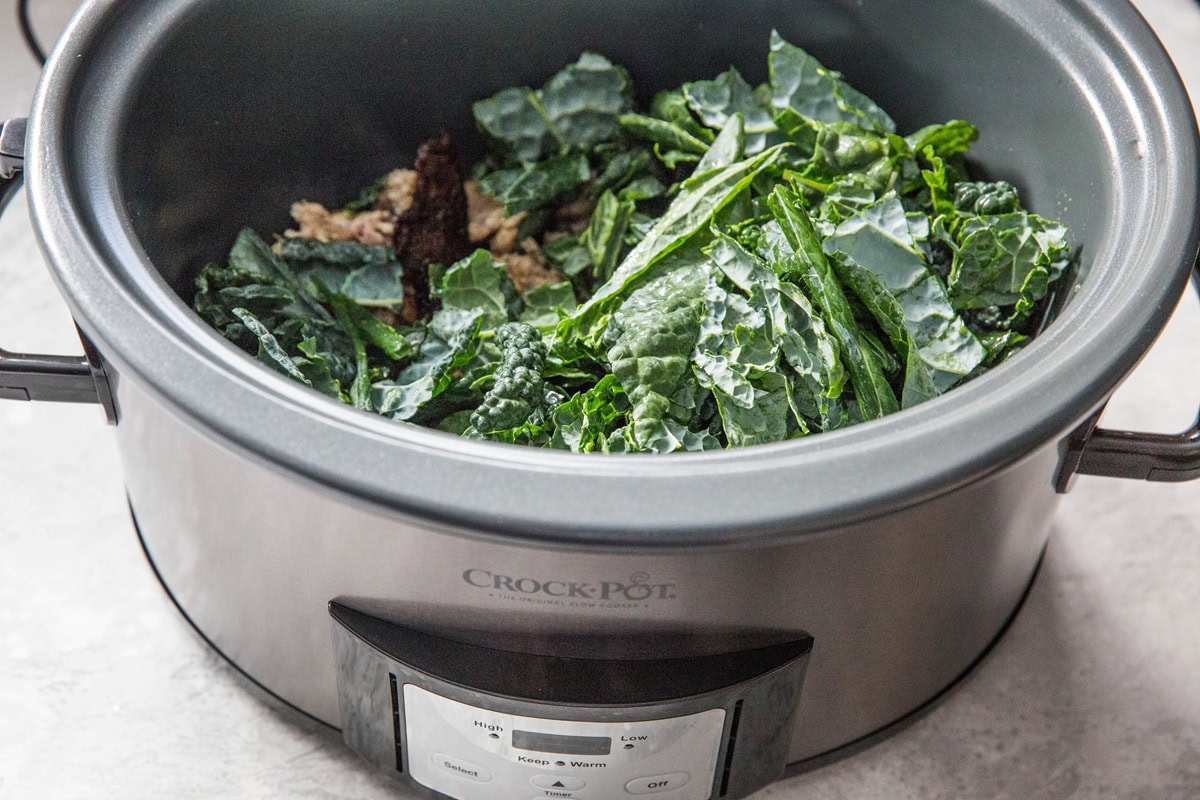
Cooking kale in a slow cooker brings many benefits that enhance your meals. This method helps keep nutrients intact, boosts the flavor, and saves valuable time in the kitchen. Slow cooking kale offers a simple way to enjoy this healthy green every day.
Nutrient Retention
Slow cooking preserves kale’s important vitamins and minerals. The gentle heat avoids nutrient loss that happens with high-heat cooking. Vitamins like A, C, and K stay in the leaves, giving you more health benefits. The slow cooker keeps kale tender without overcooking it.
Enhanced Flavor
Slow cooking deepens kale’s natural flavors. The low heat allows the leaves to absorb seasonings fully. Kale becomes softer, sweeter, and less bitter. It blends well with other ingredients, creating a richer taste in soups or stews.
Convenience And Time-saving
The slow cooker lets you prepare kale dishes with little effort. You can add kale and other ingredients, then set the timer. It cooks while you do other tasks or rest. No need to watch the pot or stir constantly. Perfect for busy days or meal prepping.
Credit: www.acedarspoon.com
Choosing The Right Kale For Slow Cooking
Choosing the right kale for slow cooking is important. The texture and flavor of kale change with slow heat. Picking the best type of kale makes your dish tastier and more enjoyable. Understanding how to prepare kale also helps it cook evenly and stay delicious.
Types Of Kale
Kale comes in different varieties. Each has unique leaves and flavors. Curly kale is common and has ruffled leaves. It holds up well in slow cookers. Lacinato kale, also called dinosaur kale, has dark, flat leaves. It cooks faster and has a sweeter taste. Red Russian kale has tender leaves and a mild flavor. Choose kale based on texture and taste you want.
Fresh Vs. Frozen Kale
Fresh kale is crisp and bright green. It keeps its shape and flavor during slow cooking. Frozen kale is convenient and pre-washed. It is softer and cooks faster. Use frozen kale for soups or stews. Choose fresh kale for recipes where texture matters more. Both work well but give different results.
Preparing Kale For The Slow Cooker
Wash kale leaves thoroughly to remove dirt. Remove thick stems because they stay tough. Chop kale into bite-size pieces for even cooking. Adding kale late in cooking keeps it green and fresh. Overcooked kale turns mushy and loses flavor. Proper preparation ensures a great slow cooker dish.
Basic Slow Cooker Kale Recipe
Kale is a superfood packed with nutrients and flavor. Cooking it in a slow cooker brings out its best qualities. This method ensures tender leaves and rich taste. It’s simple and convenient, ideal for busy days. Let’s dive into a basic slow cooker kale recipe.
Ingredients Needed
- 1 bunch of fresh kale
- 1 tablespoon olive oil
- 2 cloves garlic, minced
- 1 cup vegetable broth
- Salt and pepper to taste
- 1 tablespoon lemon juice
Step-by-step Cooking Instructions
- Wash and chop the kale into bite-sized pieces.
- Add olive oil and minced garlic to the slow cooker.
- Place the chopped kale on top.
- Pour vegetable broth over the kale.
- Season with salt and pepper.
- Stir gently to combine the ingredients.
- Set the slow cooker on low for 4 hours.
- After cooking, add lemon juice and stir again.
Tips For Perfect Texture
- Choose fresh, bright green kale for the best results.
- Do not overfill the slow cooker to ensure even cooking.
- Adjust the seasoning according to your taste.
- If kale is too tough, cook for an additional hour.
- For a softer texture, remove the kale stems before cooking.
Hearty Slow Cooker Kale And Bean Stew
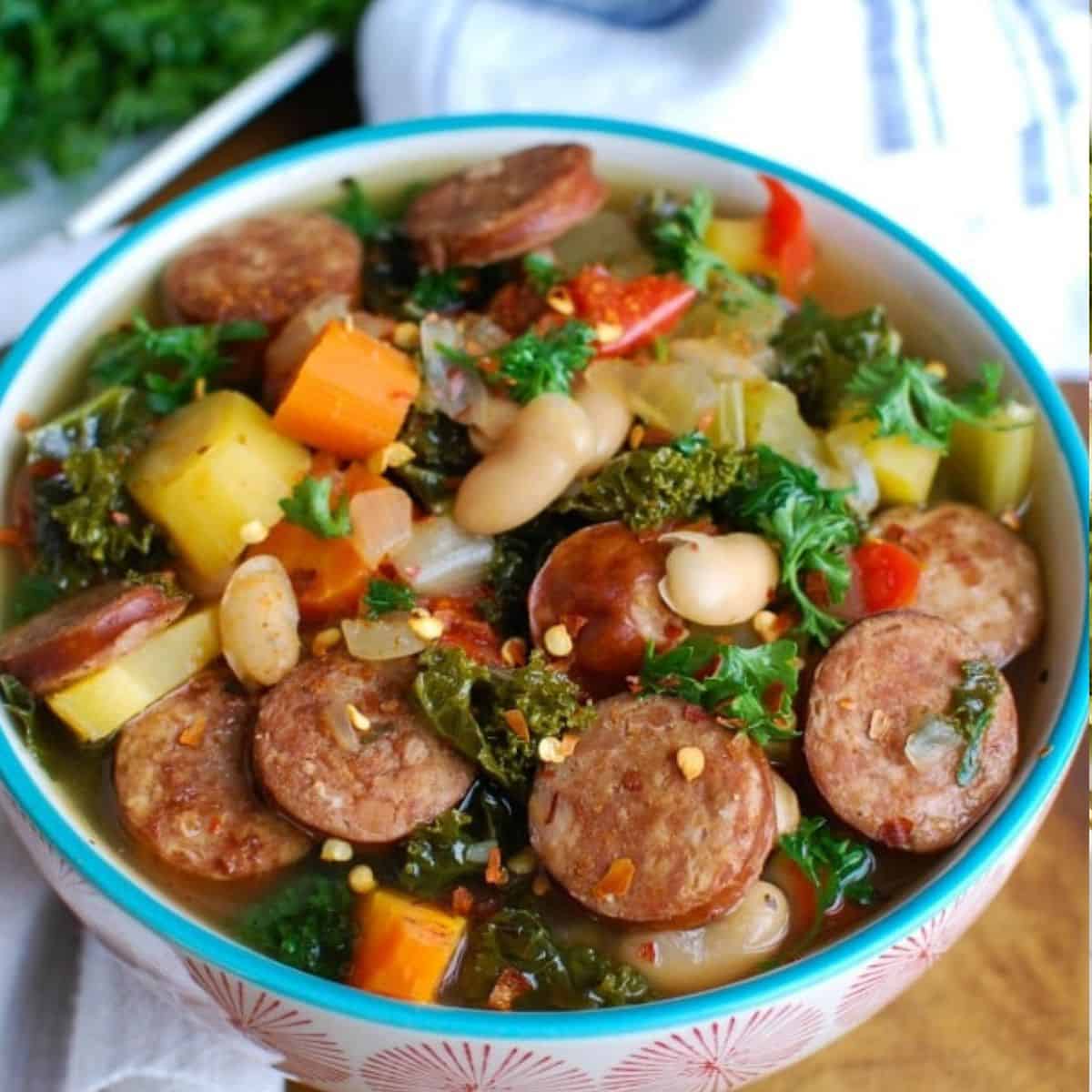
Hearty Slow Cooker Kale and Bean Stew is a warm, filling dish perfect for any day. It combines tender kale and soft beans in a rich, flavorful broth. This stew cooks slowly, allowing all ingredients to blend beautifully. It’s great for busy days and simple meals.
Key Ingredients
- Fresh kale, chopped
- Canned white beans or navy beans, drained and rinsed
- Onion, finely chopped
- Garlic cloves, minced
- Carrots, sliced
- Celery stalks, diced
- Vegetable broth or stock
- Crushed tomatoes
- Olive oil
- Salt and black pepper
- Dried thyme and bay leaves
Cooking Process
Start by sautéing onions, garlic, carrots, and celery in olive oil. This step adds depth and flavor. Transfer the cooked vegetables to the slow cooker. Add chopped kale, beans, crushed tomatoes, and broth. Sprinkle thyme, bay leaves, salt, and pepper. Stir everything gently. Cover the slow cooker and cook on low for 6 to 8 hours. The kale will soften, and flavors will merge into a comforting stew. Remove bay leaves before serving.
Serving Suggestions
- Serve hot with crusty whole-grain bread.
- Add a sprinkle of grated Parmesan cheese.
- Pair with a simple green salad for a balanced meal.
- Top with a dollop of plain yogurt for creaminess.
- Enjoy as a main dish or a side to roasted meats.
Slow Cooker Kale And Chicken Soup
Slow Cooker Kale and Chicken Soup is a comforting dish perfect for cool days. It blends tender chicken with fresh kale and rich broth. The slow cooker makes the flavors deep and the meat very tender. This soup is healthy, filling, and easy to prepare.
Flavorful Ingredients
This soup uses simple, fresh ingredients that bring great taste:
- Boneless chicken breasts or thighs for tender meat
- Fresh kale, washed and chopped, for a healthy green boost
- Carrots and celery, diced for sweetness and crunch
- Garlic and onions for rich aroma
- Low-sodium chicken broth as a flavorful base
- Herbs like thyme and bay leaves for extra depth
- Salt and pepper to taste
Slow Cooking Method
Place all ingredients in the slow cooker. Set it on low heat. Let it cook for 6 to 8 hours. The long cooking time softens the kale and blends flavors. The chicken becomes tender and easy to shred. This method requires little effort but gives great results.
Customizing The Recipe
Change the soup to fit your taste or diet:
- Use sweet potatoes instead of carrots for a different sweetness
- Add beans or lentils for extra protein and fiber
- Spice it up with red pepper flakes or cayenne
- Swap kale for spinach or Swiss chard for variety
- Use bone broth for richer nutrients and flavor
Adjust seasoning at the end to match your preference. Serve hot with crusty bread or a side salad.
Credit: www.umami.recipes
Vegan Slow Cooker Kale Curry
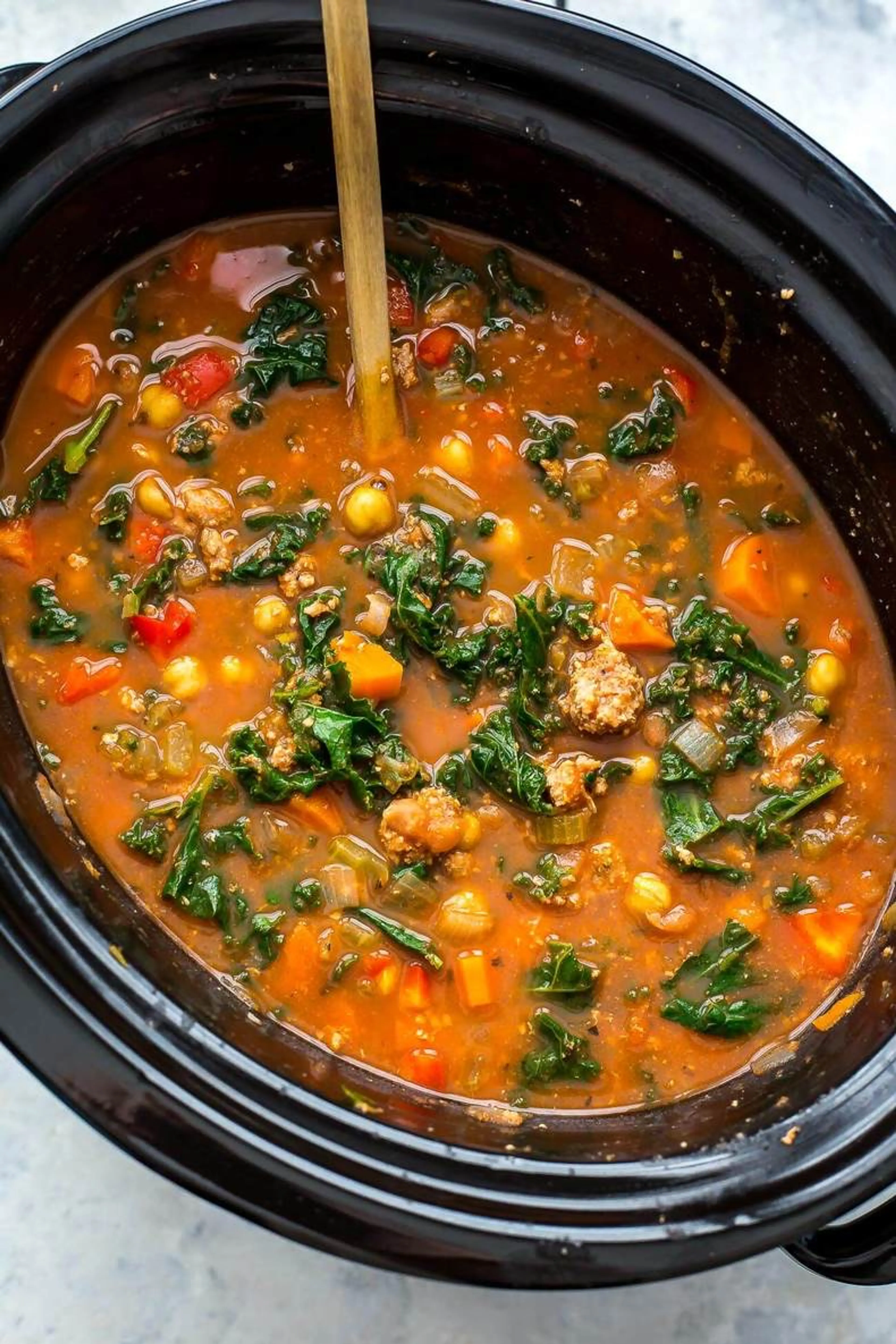
The Vegan Slow Cooker Kale Curry is a fantastic way to enjoy a hearty, nutritious meal with minimal effort. This dish combines the robust flavors of spices with the earthy texture of kale, slow-cooked to perfection. It’s perfect for busy days when you want something warm and comforting waiting for you.
Spices And Ingredients
To bring out the best in this curry, you’ll need a blend of spices that create depth and warmth:
- Cumin seedsfor a nutty aroma
- Coriander powderto add citrusy notes
- Turmericfor color and subtle bitterness
- Garam masalafor a complex spice mix
- Red chili powderto bring heat
Along with spices, gather fresh kale, coconut milk, diced tomatoes, garlic, ginger, and onions. Using coconut milk adds creaminess without dairy, keeping the dish vegan and rich. Fresh kale provides a satisfying bite that holds up well during slow cooking.
Cooking Steps
Start by sautéing onions, garlic, and ginger in a little oil until soft. This builds a flavorful base for your curry.
Next, add your spices and stir for about a minute to release their fragrance. Toss in diced tomatoes and let them soften slightly.
Place chopped kale in the slow cooker, pour in the sautéed mixture, and add coconut milk. Cook on low for 4 to 6 hours or high for 2 to 3 hours until the kale is tender but still bright green.
Before serving, taste and adjust seasoning with salt and a squeeze of lemon juice to brighten the flavors. Have you noticed how slow cooking deepens the taste in a way quick methods can’t?
Pairing Ideas
This vegan kale curry pairs wonderfully with simple, comforting sides. Try serving it with fluffy basmati rice or warm naan bread to soak up the sauce.
For an extra boost, add a side of roasted chickpeas or a fresh cucumber salad to contrast the rich curry. These combinations keep the meal balanced and satisfying.
What side dishes do you think would elevate this curry for your taste? Experimenting with different textures can make each meal exciting.
Tips For Enhancing Slow Cooker Kale Dishes
Enhancing slow cooker kale dishes is easier than you might think. Small adjustments can transform simple kale into a flavorful, satisfying meal. Let’s look at some practical tips that will help you get the best taste and texture from your slow cooker kale recipes.
Adding Herbs And Spices
Herbs and spices bring kale to life in the slow cooker. Fresh herbs like thyme, rosemary, or parsley add a bright, fresh note. Dried spices such as smoked paprika, cumin, or chili flakes give your dish a warm, smoky kick.
Try adding garlic or onion powder early in the cooking process to infuse the kale with deep flavor. If you prefer a citrusy twist, a squeeze of lemon juice or zest at the end works wonders. Think about what flavor profiles excite you most and experiment with those.
Balancing Flavors
Kale can be bitter, so balancing its flavors is key. Sweetness can counteract bitterness—consider adding a splash of apple cider vinegar, a drizzle of honey, or some diced sweet potatoes. Salt is essential but add it gradually to avoid over-seasoning.
Fat helps carry flavor and soften kale’s texture. A bit of olive oil, butter, or coconut milk can make your dish richer and more satisfying. Have you tried combining tangy and sweet elements with kale yet? It might just be the flavor combo that changes your slow cooker game.
Avoiding Overcooking
Slow cookers can easily turn kale mushy if you’re not careful. Add kale towards the last 30 to 45 minutes of cooking to keep its texture vibrant. If your recipe calls for other vegetables or proteins, start those first, then add kale later.
Keep an eye on the cooking times and avoid leaving kale in the slow cooker on the warm setting for too long. Have you noticed how kale’s color and texture change when overcooked? Keeping it just tender makes all the difference in taste and presentation.
Storing And Reheating Slow Cooker Kale Meals
Storing and reheating slow cooker kale meals properly can make a big difference in taste and texture. Kale softens nicely in the slow cooker, but if you don’t handle leftovers correctly, it can become mushy or lose flavor. Let’s look at how you can keep your meals fresh and delicious for days.
Proper Storage Techniques
Once your slow cooker kale meal cools down, transfer it to an airtight container to keep it fresh. Glass containers with tight-fitting lids work best since they don’t retain odors or stains.
Store the kale meal in the refrigerator if you plan to eat it within 3 to 4 days. For longer storage, freeze portions in freezer-safe bags or containers. Remember to leave some space in the container for expansion when freezing.
Label your containers with the date you stored the meal. This helps you keep track and avoid eating food past its prime.
Best Practices For Reheating
Reheat your slow cooker kale meal gently to preserve its texture and nutrients. Avoid high heat, which can make kale soggy and dull the flavors.
Use a stovetop pan on low heat or microwave in short bursts, stirring in between. Adding a splash of water or broth can help maintain moisture without making the dish watery.
Have you noticed how kale changes when overheated? Slow, careful reheating keeps it vibrant and tasty, just like the first time.
Meal Prep Ideas
Slow cooker kale meals are perfect for meal prepping because they store and reheat well. You can prepare large batches and portion them out for quick lunches or dinners.
- Pair reheated kale with grains like quinoa or brown rice for a balanced meal.
- Add a protein source such as grilled chicken, tofu, or beans after reheating to keep it fresh.
- Use leftover kale as a topping for baked potatoes or as a filling for wraps and sandwiches.
What creative ways can you think of to turn your reheated kale into a new dish? Experimenting with different combos keeps your meals exciting and reduces waste.
Frequently Asked Questions
What Is The Best Way To Cook Kale In A Slow Cooker?
Cooking kale in a slow cooker involves adding washed kale with broth or water. Cook on low for 3-4 hours. This method softens kale and enhances flavor without losing nutrients. It’s ideal for soups and stews.
How Long Should Kale Cook In A Slow Cooker?
Kale typically cooks well in a slow cooker within 3 to 4 hours on low heat. This duration softens kale perfectly without turning it mushy. Adjust time based on your recipe and desired texture.
Can I Add Other Vegetables With Kale In Slow Cooking?
Yes, adding vegetables like carrots, onions, and potatoes complements kale in slow cooker recipes. They cook evenly together, creating rich flavors. Just chop vegetables uniformly for consistent cooking.
Does Slow Cooking Kale Reduce Its Nutritional Value?
Slow cooking kale retains most nutrients, especially vitamins A and K. Minimal nutrient loss occurs since slow cooking uses lower temperatures. Adding liquids and cooking slowly helps preserve health benefits.
Conclusion
Slow cooker kale makes cooking simple and healthy. It softens the leaves without losing nutrients. You save time and enjoy a warm, tasty dish. This method fits busy days and easy meals. Try adding your favorite spices or veggies for variety.
Slow cooking brings out natural flavors beautifully. Give it a try and enjoy the benefits of kale with less effort. Simple, healthy, and delicious—what more could you want?

Hi, I’m Daniel Brooks—a food lover and kitchen gear enthusiast. I enjoy testing cookware, utensils, and gadgets to see what really works in everyday cooking. At PlugChef.com, I share honest reviews, comparisons, and simple guides to help you choose the best tools for a safer, smarter, and more enjoyable kitchen.
Related posts:
 What Type of Cooking Utensils are Safe: Expert Picks
 What Innovations Could Blenders Make: Unleashing Future Tech
 Smart Strategies to Organize a Small Kitchen: Maximize Space
 How to Organize a Kitchen Cabinet: Expert Tips & Tricks
 How to Organize Kitchen Drawers: Expert Tips and Tricks
 How to Organize a Corner Kitchen Cupboard: Expert Tips

