
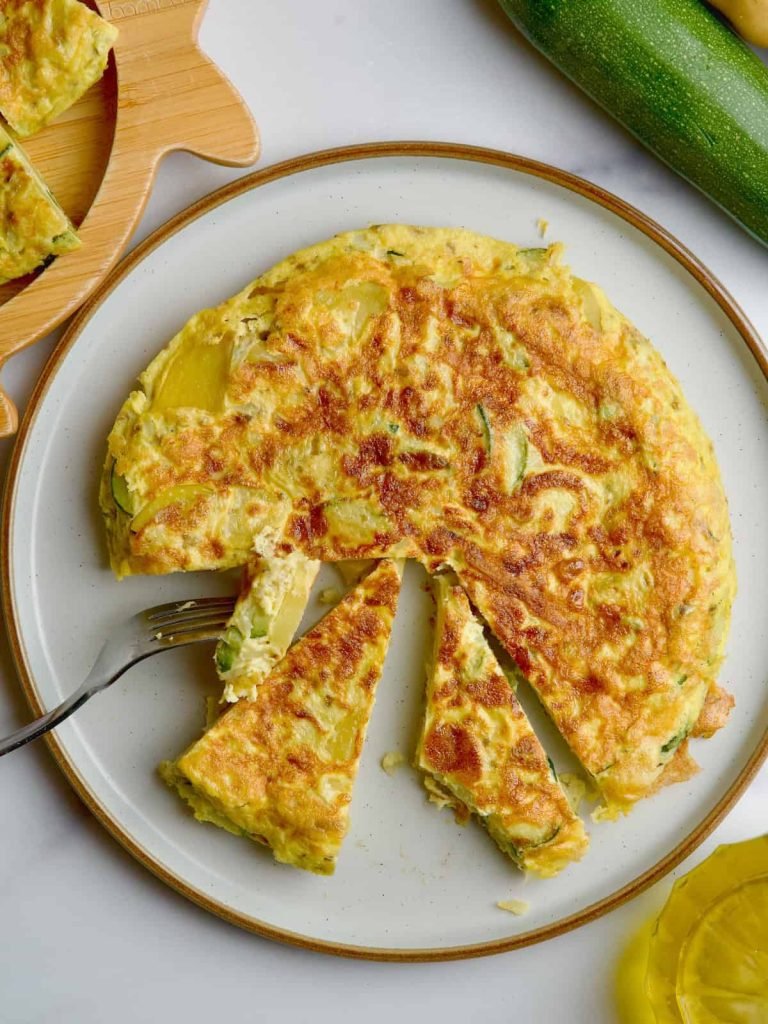
If you’re looking for a flexible, nutrient-packed meal that works for breakfast, brunch, lunch, or dinner, this zucchini and potato frittata is the answer. Made with just a handful of simple ingredients, it comes together in under 45 minutes, uses up summer zucchini surplus, and is naturally gluten-free and high in protein. Unlike complicated egg dishes, this recipe requires no fancy skills or specialized equipment, making it perfect for beginner cooks, busy home chefs, and anyone looking for a healthy, satisfying meal that doesn’t take hours to prepare.
Why This Frittata Is A Kitchen Staple
This dish stands out for its unmatched versatility and low barrier to entry. It works equally well as a quick weekday breakfast, a casual weekend brunch centerpiece, a light lunch, or a quick dinner paired with a side salad. It’s also a budget-friendly option, relying on affordable, accessible produce and pantry staples that most home cooks already have on hand. For gardeners or farmers market regulars, it’s the perfect way to use up excess zucchini before it goes bad. It also holds up well to meal prep: cook a full batch on Sunday, and you’ll have ready-to-eat servings for the next 3 days, no reheating required for cold lunches.
Ingredients You’ll Need
Getting ingredient choices right is the key to avoiding common frittata pitfalls like sogginess or mushy texture. Stick to these specific picks for the best results:
Fresh Produce
- 1 medium small-to-medium zucchini (firm to the touch, no soft spots or yellowing; skip extra-large zucchini, which have large, watery seeds that can make the frittata soggy)
- 1 cup diced Yukon Gold or red waxy potatoes (avoid russets, which break down and turn mushy when cooked)
- 1 small yellow onion or 2 shallots (optional, for subtle sweetness)
- 2 tablespoons fresh herbs (parsley, basil, chives, or rosemary work best)
Eggs & Dairy
- 6 large eggs (room temperature whip better for a fluffier final texture)
- 1/4 cup whole milk, cream, unsweetened oat milk, or almond milk (for a lighter or vegan option)
- 1/2 cup grated cheese (Parmesan, mozzarella, feta, or vegan parmesan all work well)
- 1 tablespoon plain Greek yogurt (optional, for extra creaminess and tang)
Seasonings & Extras
- 1/2 teaspoon fine sea salt (adjust to taste)
- 1/4 teaspoon freshly ground black pepper
- 1 clove minced fresh garlic (or 1/4 teaspoon garlic powder)
- 1/4 teaspoon red pepper flakes (optional, for subtle heat)
- 1 tablespoon olive oil or butter for sautéing
Step-by-Step Preparation Guide
Proper prep and technique are what separate a dry, bland frittata from a fluffy, flavorful one. Follow these steps for consistent results:
Prep The Vegetables
Start by washing the zucchini under cold running water, patting it completely dry, and slicing it into 1/4-inch thick half-moons. Toss the zucchini slices with a pinch of salt and let them sit for 10 minutes to draw out excess moisture, then pat dry with a paper towel to prevent a soggy final dish. Peel the potatoes (optional, for a smoother texture) and dice them into uniform 1/4-inch cubes. Parboil the potatoes in salted boiling water for 6–7 minutes until just tender when pierced with a fork, then drain and pat dry to remove excess water. Sauté the onion in olive oil over medium heat for 2–3 minutes until soft, then add the zucchini and cook for 3–4 minutes until lightly golden. Set the veggie mixture aside to cool slightly.
Make The Egg Base
In a large bowl, crack the eggs and whisk gently just until the yolks and whites are fully combined — don’t overbeat, as this adds excess air and leads to a spongy, rubbery texture. Stir in the milk, grated cheese, salt, pepper, garlic, red pepper flakes, and fresh herbs until evenly mixed. Fold in the cooled sautéed veggies and potatoes gently with a spatula, taking care not to mash the potato cubes.
Cook The Frittata (Stovetop To Oven Method, Recommended)
Preheat your oven to 375°F (190°C). Heat a 10-inch oven-safe skillet over medium heat, add a splash more olive oil if needed, then pour in the egg and veggie mixture, spreading it evenly with a spatula. Cook for 2–3 minutes until the edges start to set. Transfer the skillet to the preheated oven and bake for 12–15 minutes, until the center is just set (a slight jiggle is okay, as it will finish cooking from residual heat). For a golden, crispy top, turn on the broiler for the last 60 seconds, watching closely to avoid burning. Let the frittata rest for 5 minutes before cutting into wedges.
If you prefer non-stick cookware, understanding non-stick cookware basics helps you select a pan that releases the frittata easily without added oil. For a naturally non-stick, crispy edge, use a well-seasoned cast iron skillet; our cast iron frittata tricks guide has tips for perfect release every time.
 A slice of the finished frittata, showing the fluffy egg base and tender vegetable pieces
Credit: www.allrecipes.com
A slice of the finished frittata, showing the fluffy egg base and tender vegetable pieces
Credit: www.allrecipes.com
Serving & Storage Tips
Plating & Pairings
Cut the rested frittata into 6 even wedges for serving. Top with extra fresh herbs, a drizzle of balsamic glaze, or a dollop of sour cream or Greek yogurt for extra creaminess. Pair with light, fresh sides to balance the rich egg base: a simple arugula salad with lemon vinaigrette, roasted cherry tomatoes, crusty whole-grain bread, or a side of fresh fruit. For a casual brunch, serve alongside breakfast potatoes or turkey bacon. For more cheesy weeknight staples that come together in under 30 minutes, this frittata is a great alternative to heavier comfort food.
Storing & Reheating
Store leftover frittata in an airtight container in the refrigerator for up to 3 days. For best texture, reheat in the oven at 325°F for 8–10 minutes, or in the microwave in 30-second bursts until warmed through. The frittata also works well served cold, making it a perfect option for packed lunches, picnics, or quick on-the-go snacks. For longer storage, wrap individual wedges in plastic wrap and freeze for up to 1 month; thaw in the refrigerator overnight before reheating.
 The frittata served as a balanced breakfast alongside fresh berries and whole grain toast
Credit: healthybitesforkids.com
The frittata served as a balanced breakfast alongside fresh berries and whole grain toast
Credit: healthybitesforkids.com
Health Benefits & Dietary Adjustments
This frittata is a balanced, nutrient-dense option that fits easily into most eating plans. Large eggs provide 6 grams of high-quality complete protein per serving, along with key nutrients like choline and vitamin D, per USDA egg nutrition guidelines. Zucchini is low in calories and high in potassium for heart health, plus antioxidants like vitamin C to support immune function. Potatoes (especially when eaten with the skin) provide fiber for digestion, vitamin B6, and additional potassium to support nerve and muscle function. Adding zucchini and potatoes helps you meet the USDA’s daily vegetable intake recommendations for a balanced diet, even on busy weekdays when you’re short on time.
The recipe is naturally gluten-free, and can be easily adjusted for other dietary needs: for low-carb, reduce potatoes to 1/2 cup and add 1 cup of riced cauliflower or extra zucchini to keep total carbs low; for vegan, use flax eggs (1 tablespoon ground flaxseed + 3 tablespoons water per egg) and plant-based cheese; for low-sodium, skip added salt and boost flavor with extra herbs, garlic, and lemon zest. If you’re looking for more high-protein veggie dishes that work for meal prep, this Greek-inspired chicken salad is a great no-cook option for busy days when you don’t want to cook eggs.
Easy Variations To Try
This frittata is highly customizable, so feel free to adapt it to your taste preferences or what you have on hand:
- Meat add-ins: 1/2 cup cooked crumbled sausage, diced ham, or turkey bacon for extra protein and savory depth
- Extra vegetable add-ins: 1/2 cup roasted red peppers, sautéed mushrooms, fresh spinach, or halved cherry tomatoes for extra color and nutrients
- Cheese swaps: Substitute gruyère for a nutty, meltable option, goat cheese for a tangy, creamy twist, or vegan parmesan for a dairy-free version
- Herb and spice variations: Swap fresh basil for rosemary, thyme, or dill, or add 1/2 teaspoon smoked paprika or Italian seasoning for extra warmth and depth
For a hearty, crowd-pleasing option when you’re feeding a group, this hearty family casserole is a flavorful, filling alternative to egg-based dishes.
 This dairy-free variation uses plant-based cheese and fresh rosemary for extra flavor
Credit: dailyciabatta.com
This dairy-free variation uses plant-based cheese and fresh rosemary for extra flavor
Credit: dailyciabatta.com
Frequently Asked Questions
Can I use frozen zucchini and potatoes for this recipe?
Yes, but be sure to thaw them completely and pat them very dry with paper towels before using to avoid excess moisture that will make the frittata soggy.
Can I make this frittata ahead of time?
Absolutely. Cook the frittata fully, let it cool completely, then store in an airtight container in the refrigerator for up to 3 days. Reheat in the oven at 325°F for 8–10 minutes for best texture.
What pan size is best for this recipe?
A 10-inch oven-safe skillet (cast iron, stainless steel, or ceramic non-stick) works perfectly for 6 servings. If you use a larger pan, the frittata will be thinner and cook faster; a smaller pan will make it thicker and require longer baking time.
Is this frittata keto-friendly?
Yes, with a small adjustment. Reduce the potatoes to 1/2 cup and add 1 cup of riced cauliflower or extra zucchini to keep the total carb count low.
Can I eat leftover frittata cold?
Yes, it has a firm, satisfying texture when cold, making it a perfect option for packed lunches, picnics, or quick snacks on the go.
Pro Tips For A Perfect Frittata Every Time
- Don’t overbeat the eggs: Whisk just until the yolks and whites are fully combined. Overbeating adds excess air, leading to a spongy, rubbery texture instead of a light, fluffy base.
- Don’t skip pre-cooking the potatoes: Parboiling ensures the potatoes are tender and fully cooked by the time the eggs are set, avoiding crunchy, undercooked bites.
- Don’t overcrowd the pan: Adding too many veggies will extend cooking time and cause the bottom to burn before the top is fully set. Stick to the 1 cup potato / 1 medium zucchini ratio for best results.
- Don’t overcook: The frittata is done when the center is just set, with a slight jiggle. It will continue cooking from residual heat after you remove it from the oven, so pull it 1 minute early to avoid dry, rubbery eggs.
- Let it rest before cutting: Let the frittata rest for 5 minutes after removing it from the oven to let the egg structure fully set, so it cuts cleanly into neat wedges without crumbling.
Conclusion
This zucchini and potato frittata is the ultimate low-effort, high-reward meal for any time of day. With just a handful of affordable ingredients, 10 minutes of prep, and 25 minutes of cooking time, you’ll have a satisfying, nutrient-packed dish that works for breakfast, brunch, lunch, or dinner. It’s naturally gluten-free, easily customizable for any dietary preference, and perfect for meal prep to keep you fed all week. Whether you’re a beginner cook looking for an easy first egg dish, or a seasoned chef wanting a quick way to use up summer zucchini, this recipe is sure to become a regular in your rotation. Ready to make this quick, nutrient-packed meal? Grab your skillet and fresh produce tonight — you’ll have a delicious, homemade dish on the table in under 45 minutes, no fancy skills required.

Hi, I’m Daniel Brooks—a food lover and kitchen gear enthusiast. I enjoy testing cookware, utensils, and gadgets to see what really works in everyday cooking. At PlugChef.com, I share honest reviews, comparisons, and simple guides to help you choose the best tools for a safer, smarter, and more enjoyable kitchen.
Related posts:
 How to Make a Fruit Basket for a Gift: Easy DIY Guide
 Cord Organizer for Kitchen Appliances: Tidy Up Effortlessly
 A Passive System-Dependent Recovery Process: Boost Appliance Lifespan
 Black Kitchen Cabinets With Black Appliances: Bold Elegance
 How to Clean Kitchen Sink Drain Naturally: Easy & Effective Tips
 Granite Sink Cleaner: The Best Way to Keep Your Sink Clean

