
Busy vegetarians, rejoice: simple crock pot recipes let you pull together flavorful, nutrient-dense, plant-based meals with 15 minutes or less of prep, no standing over the stove for hours after work. Whether you’re a college student short on kitchen time, a parent feeding a picky family, or a meal prep enthusiast looking to cut down on weekday cooking, hands-off slow cooker meals take the stress out of eating more plants. Unlike quick stovetop dishes that can turn out bland or mushy if you’re short on time, crock pots use low, steady heat (typically 190–200°F on the low setting) to build deep, complex flavor and tender texture without constant monitoring. In this guide, we’ll walk through the benefits of crock pot cooking for vegetarian diets, essential ingredients to keep on hand, foolproof recipes for every meal of the day, pro tips to avoid common mistakes, and storage advice to make your meals last all week.
If you’re cooking with kids in the kitchen, secure lower cabinets with child safety locks for cabinets to keep hot surfaces and sharp utensils out of reach. For more on this, see our guide on easy vegetarian crock pot recipes.
Why Simple Crock Pot Vegetarian Recipes Are a Busy Cook's Best Friend
Crock pots eliminate the most frustrating parts of cooking: timing, constant supervision, and cleanup. For vegetarian cooks, they also solve the common problem of bland, overcooked plant-based meals by giving ingredients time to meld and develop natural sweetness without high-heat damage.
Time-Saving Hands-Off Cooking
The biggest perk of crock pot cooking is the ability to prep ingredients in 15 minutes or less in the morning, set the timer, and walk away until dinner is ready. This is ideal for work-from-home days, long commutes, or busy parents who don’t have time to cook after picking up kids. You can even use your crock pot for overnight breakfast prep, waking up to a warm, ready-to-eat meal with zero morning effort. In practice, many users report cutting their weekly cooking time by 50% or more when relying on slow cooker recipes, and the hands-off process eliminates the need to wash multiple pots and pans throughout the week. For more on this, see our guide on vegetarian recipes in crock pot.
Deeper, More Balanced Flavor
Slow cooking gives vegetables, legumes, and spices hours to infuse into one another, creating layered, complex flavor that you can’t replicate with quick stovetop cooking. The gentle, even heat caramelizes natural sugars in root vegetables and onions without burning, while tough plant fibers in beans and lentils break down into tender, creamy texture. A common mistake new crock pot users make is skipping the step of sautéing onions and garlic on the stovetop first before adding them to the pot—this 5-minute step adds a depth of flavor that transforms basic stews and curries from bland to restaurant-quality.
Better Nutrient Retention Than High-Heat Cooking
Unlike boiling, frying, or high-heat roasting, which can destroy heat-sensitive vitamins like vitamin C and B vitamins, crock pots’ low, steady temperatures preserve the nutritional value of your ingredients. USDA guidelines on cooking and nutrient retention confirm that slow cooking retains up to 50% more vitamin C in vegetables than boiling, and the long cook time means you don’t need to add excess oil or salt to make food taste good, making these meals ideal for low-sodium or low-fat diets. For more on this, see our guide on best crock pot vegetarian recipes.
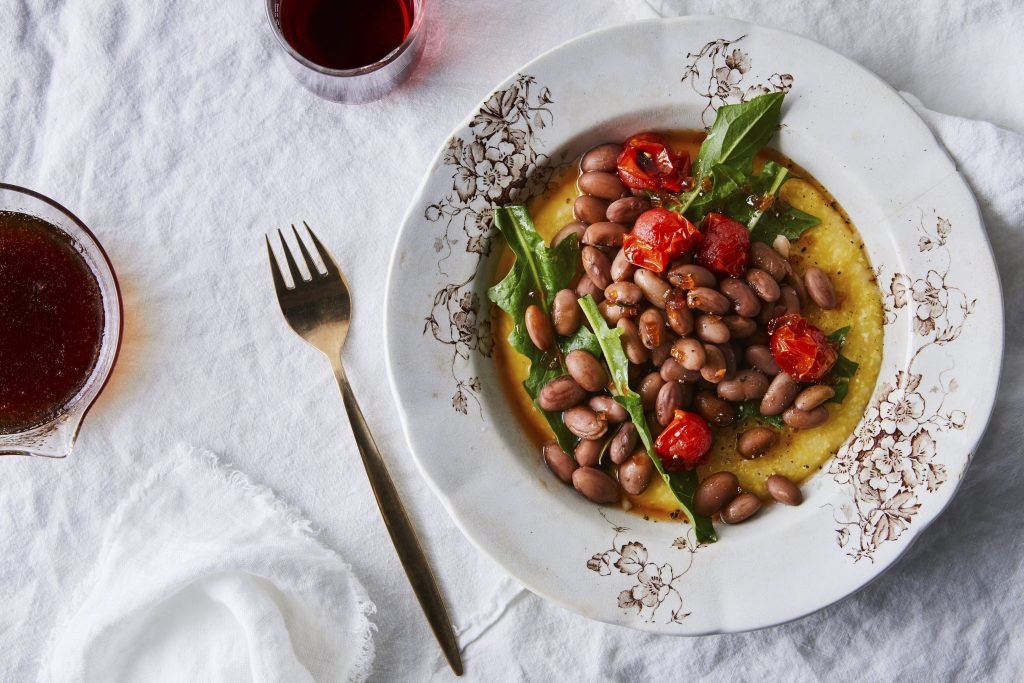
 This cozy, protein-packed soup is a perfect beginner-friendly crock pot vegetarian meal, ready in 8 hours on low.
Credit: food52.com
This cozy, protein-packed soup is a perfect beginner-friendly crock pot vegetarian meal, ready in 8 hours on low.
Credit: food52.com
Essential Ingredients for Foolproof Vegetarian Crock Pot Meals
The right ingredients will ensure your slow cooker meals turn out tender, flavorful, and nutritionally balanced every time, with no mushy textures or bland bites. Stock your pantry and fridge with these staples to make weeknight cooking effortless.
Long-Cooking Fresh Produce
Root vegetables like carrots, potatoes, sweet potatoes, and parsnips hold up perfectly to long cook times, softening into tender, sweet bites without turning to mush. Alliums (onions, garlic, leeks), mushrooms, and winter squash (butternut, acorn) also work well added at the start of cooking. Avoid delicate produce like zucchini, bell peppers, and cherry tomatoes at the start, as they will turn to mush after 4+ hours of cooking. For more on this, see our guide on 1 1 2 lbs potatoes easy recipes for.
Quick-Cooking Add-Ins
Delicate ingredients like leafy greens (spinach, kale, chard), fresh herbs (parsley, cilantro, basil), soft vegetables (zucchini, bell peppers), and dairy alternatives (coconut milk, vegan cream) should be added in the last 30–60 minutes of cooking to preserve their texture and fresh flavor. A common mistake is adding spinach at the start of a stew, which turns it slimy and brown—stirring it in right before serving keeps it vibrant and nutrient-dense.
Protein & Fiber Boosters for Filling Meals
Dried lentils (no pre-soaking required) are a top staple, as they cook quickly and break down into a creamy, thick texture perfect for soups and stews. Canned beans (rinsed to reduce sodium by up to 40%), chickpeas, and tofu add extra plant-based protein and fiber to keep you full for hours. For grain-based dishes, quinoa, brown rice, barley, and no-boil noodles work well, but add them at the start of cooking only if your recipe has enough liquid to prevent them from drying out.
Flavor Building Blocks to Avoid Bland Dishes
Never rely on salt alone to add flavor to crock pot meals. Keep these staples on hand to build depth: dried spices (cumin, smoked paprika, turmeric, chili powder), umami pastes (miso, tomato paste, soy sauce), low-sodium vegetable broth, and a splash of acid (lemon juice, balsamic vinegar, apple cider vinegar) added at the end to brighten flat, heavy flavors. A dash of acid at the end can transform a dull stew into a bright, balanced meal with zero extra effort.
No-Fuss Vegetarian Crock Pot Breakfasts (No Morning Prep Needed)
Skip the morning rush with these make-ahead breakfasts that cook overnight and are ready to eat as soon as you wake up. All are customizable to dietary preferences, from vegan to gluten-free.
Creamy Overnight Crock Pot Oats
This warm, cozy breakfast is perfect for cold mornings, and far creamier than stovetop or microwave oats. Use a 1:1.5 ratio of rolled oats to unsweetened plant milk (almond, oat, or soy work best), plus a pinch of salt, and cook on low for 6–8 hours overnight. Add berries, sliced bananas, or shredded apple in the last 30 minutes of cooking to avoid turning them to mush. For extra fiber and protein, stir in a tablespoon of chia seeds or hemp hearts before serving. Top with nuts, nut butter, or a drizzle of maple syrup for a filling meal that keeps you energized all morning.
Hearty Lentil & Vegetable Breakfast Stew
For savory breakfast lovers, this protein-packed stew is a great alternative to sweet oats. Combine 1 cup rinsed red lentils, 2 cups low-sodium vegetable broth, 1 can (14oz) diced tomatoes (undrained), 1 cup chopped carrots and celery, 1 tsp cumin, and 1 tsp smoked paprika in your crock pot, and cook on low for 7 hours. Stir in 2 cups chopped spinach in the last 30 minutes of cooking, and serve with a slice of crusty bread or a side of avocado for extra healthy fat. This stew keeps well in the fridge for up to 4 days, making it perfect for meal prep.
Cinnamon Apple Breakfast Quinoa
For a gluten-free, protein-rich option, combine 1 cup rinsed quinoa, 2 cups unsweetened almond milk, 1 tsp cinnamon, 1/4 cup maple syrup, and 1 cup diced apples (peeled or unpeeled, depending on preference) in your crock pot, and cook on low for 4 hours. Stir in a handful of raisins or chopped walnuts in the last 15 minutes of cooking for extra texture. This warm, spiced breakfast tastes like apple pie, but with far more nutritional value and no added refined sugar.
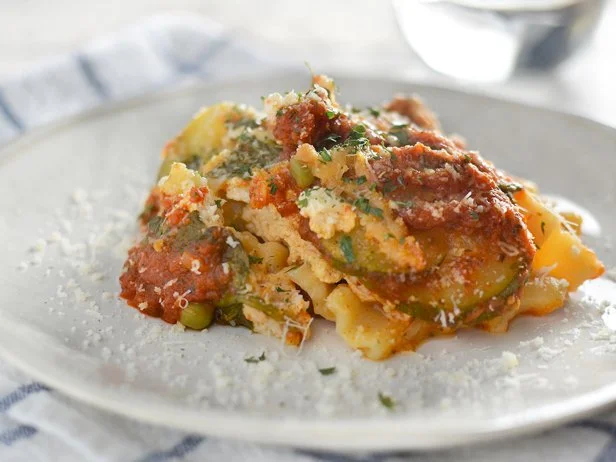 This no-fuss lasagna uses no-boil noodles and layered veggies for a hearty, crowd-pleasing weeknight dinner.
Credit: www.foodnetwork.com
This no-fuss lasagna uses no-boil noodles and layered veggies for a hearty, crowd-pleasing weeknight dinner.
Credit: www.foodnetwork.com
Hearty Vegetarian Crock Pot Soups & Stews for Cozy Evenings
Soups and stews are the most forgiving crock pot recipes for beginners, as they require minimal prep and taste even better as leftovers. All of these options are packed with plant-based protein and fiber, and freeze well for up to 3 months.
Creamy Red Lentil & Root Veggie Soup
Red lentils are the secret to creamy, dairy-free soup without added cream, as they break down completely during slow cooking to create a thick, rich base. Combine 1 cup rinsed red lentils, 2 cups chopped sweet potatoes, 1 cup chopped carrots and celery, 4 cups low-sodium vegetable broth, 1 tsp dried thyme, 1 tsp dried rosemary, and 1/2 tsp black pepper in your crock pot, and cook on low for 8 hours. Stir in a splash of lemon juice and salt to taste at the end to brighten the flavor. Pro tip: Never add salt at the start of cooking, as it can toughen lentils and draw out moisture, making the soup watery.
Chickpea & Spinach Coconut Stew
This rich, savory stew has a creamy coconut milk base that pairs perfectly with earthy chickpeas and fresh spinach. Combine 2 cans (15oz each) rinsed chickpeas, 1 can (14oz) diced tomatoes, 1 cup chopped onions, 3 cloves minced garlic, 1 tsp cumin, 1 tsp coriander, and 1 can (13.5oz) full-fat coconut milk in your crock pot, and cook on low for 6 hours. Stir in 2 cups fresh spinach in the last 30 minutes of cooking, and top with a spoonful of tahini and a sprinkle of red pepper flakes for extra richness. This stew pairs perfectly with rice or naan for a complete meal.
Slow-Cooked Roasted Tomato Basil Soup
This restaurant-quality soup uses fire-roasted canned tomatoes for a deep, smoky flavor that’s far better than fresh tomatoes in the off-season. Combine 2 cans (28oz each) fire-roasted diced tomatoes (no salt added), 1 cup chopped onions, 4 cloves minced garlic, 2 cups low-sodium vegetable broth, 1 tsp dried oregano, and 1/4 tsp red pepper flakes in your crock pot, and cook on low for 6 hours. Blend until smooth with an immersion blender (or carefully transfer to a stand blender), then stir in 1/2 cup coconut milk and 1/4 cup chopped fresh basil. Add a splash of balsamic vinegar at the end to cut the acidity and balance the sweetness of the tomatoes.
Satisfying Vegetarian Crock Pot Dinner Mains
These hearty, filling dinner recipes are perfect for weeknights or weekend meals, and most come together with less than 20 minutes of prep. All are customizable to fit vegan, gluten-free, or low-sodium diets.
Creamy Vegetable Coconut Curry
This flavorful, aromatic curry is perfect for using up leftover vegetables in your fridge, and pairs well with rice, quinoa, or naan. Combine 2 cups chopped sweet potatoes, 1 cup chopped bell peppers, 1 cup chopped cauliflower, 2 cans (15oz each) rinsed chickpeas, 1 can (13.5oz) full-fat coconut milk, 2 tbsp red or green curry paste, 1 tbsp grated fresh ginger, and 1 cup low-sodium vegetable broth in your crock pot, and cook on low for 6 hours. Stir in a squeeze of fresh lime juice and 1/4 cup chopped cilantro before serving. Common mistake: Using too much curry paste, which can make the dish overly spicy; start with 1 tbsp and adjust to taste after cooking.
Hearty Quinoa & Black Bean Chili
This protein-packed chili is a fan favorite for meal prep, as it freezes and reheats perfectly without losing texture. Combine 1 cup rinsed quinoa, 2 cans (15oz each) rinsed black beans, 1 can (14oz) diced tomatoes, 1 cup frozen corn, 2 tbsp chili powder, 1 tsp cumin, 1 tsp smoked paprika, and 1 cup low-sodium vegetable broth in your crock pot, and cook on low for 7 hours. Top with diced avocado, vegan sour cream, and chopped jalapeños before serving. If you don’t like the texture of quinoa, swap it for brown rice for a more traditional chili base.
Stuffed Bell Peppers
These colorful, satisfying peppers feel special enough for a dinner party, but require minimal hands-on time. Cut 4 bell peppers in half lengthwise and remove the seeds and membranes, then fill each half with a mixture of 1 cup cooked rice, 1 can (15oz) rinsed black beans, 1 cup salsa, 1 tsp cumin, and 1/2 cup shredded vegan cheese (optional). Place the peppers upright in your crock pot, add 1/2 cup water to the bottom of the pot to create steam, and cook on low for 6 hours. Top with extra salsa and cilantro before serving. Pro tip: Don’t overstuff the peppers, as they will expand slightly while cooking and may burst if packed too tight.
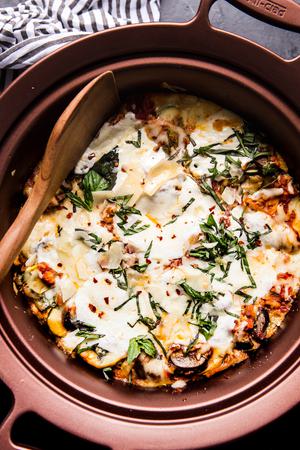 Top this comforting dish with fresh parsley and vegan parmesan for extra flavor.
Credit: themodernproper.com
Top this comforting dish with fresh parsley and vegan parmesan for extra flavor.
Credit: themodernproper.com
Easy Crock Pot Side Dishes to Complete Any Meal
These simple, low-effort side dishes pair perfectly with any of the main dishes above, and can be cooked alongside your main meal in a larger crock pot to save even more time.
Slow-Cooked Summer Ratatouille
This classic French vegetable stew is packed with summer flavor, and works equally well as a side or a light main over pasta. Combine 1 cup chopped zucchini, 1 cup chopped eggplant, 1 cup chopped bell pepper, 1 can (14oz) diced tomatoes, 1 tsp dried thyme, 1 tsp dried basil, and 1/2 tsp salt in your crock pot, and cook on low for 4 hours. Stir in a splash of red wine vinegar before serving to brighten the flavor. Avoid stirring the ratatouille too often, as the eggplant can break down and turn mushy if overhandled.
Garlic Mashed Cauliflower
This low-carb, dairy-free alternative to mashed potatoes is creamy and savory, with zero boiling required. Place 1 head of cauliflower (cut into florets) and 3 peeled garlic cloves in your crock pot, add 1/4 cup water to the bottom, and cook on low for 4 hours until completely tender. Mash with a fork or potato masher, then stir in 1/4 cup unsweetened almond milk, 2 tbsp vegan butter, and salt and pepper to taste. For extra richness, top with a sprinkle of nutritional yeast.
Rosemary Roasted Root Vegetables
These sweet, savory root vegetables are the perfect side for cold-weather meals, and require almost no prep. Toss 2 cups chopped carrots, parsnips, and sweet potatoes with 2 tbsp olive oil, 1 tsp dried rosemary, 1 tsp salt, and 1/2 tsp black pepper in a bowl until evenly coated, then add to your crock pot and cook on low for 4–5 hours, stirring once halfway through. For extra color, add a handful of Brussels sprouts in the last hour of cooking.
Pro Tips for Perfect Crock Pot Vegetarian Meals Every Time
Small adjustments make a huge difference in the quality of your crock pot meals, and help you avoid common mistakes that lead to mushy texture or bland flavor.
Layer Ingredients Correctly for Even Cooking
Place dense, long-cooking ingredients (root vegetables, dried beans, grains) at the bottom of the crock pot, where the heat is most consistent. Add softer, quick-cooking ingredients (leafy greens, fresh herbs, dairy) on top, so they don’t overcook. Never fill your crock pot more than 2/3 full, as this prevents liquid from circulating evenly and can cause spills when you remove the lid.
| Ingredient Type | When to Add to Crock Pot | Low Setting Cook Time |
|---|---|---|
| Dried beans/lentils (pre-soaked) | Start of cooking | 6–8 hours |
| Root vegetables (carrots, potatoes, sweet potatoes) | Start of cooking | 6–8 hours |
| Alliums (onions, garlic, celery) | Start of cooking | 6–8 hours |
| Whole grains (quinoa, rice, barley) | Start of cooking | 4–6 hours |
| Leafy greens (spinach, kale) | Last 30 minutes | 0.5 hours |
| Fresh herbs, dairy alternatives | Last 15 minutes | 0.25 hours |
Adjust Timing for Your Specific Slow Cooker
Every crock pot heats slightly differently, especially older models that may run hotter than newer ones. Always check for doneness 1–2 hours before the recipe’s recommended cook time, especially if you’re making a dish for the first time. If your crock pot runs hot, cook on the warm setting for the last few hours of cooking to avoid overcooking.
Avoid Common Overcooking Mistakes
Never lift the lid more than once or twice during cooking, as each opening releases 20 minutes of heat and extends cook time. Only open the lid to add quick-cooking ingredients like leafy greens or fresh herbs. If you’re browning ingredients like onions or tofu on the stovetop first for extra flavor, make sure to deglaze the pan with a splash of broth or water and add all the browned bits to the crock pot to avoid wasting flavor.
For stuck-on food on your crock pot’s ceramic insert, a professional kitchen cleaning brush cuts through residue without scratching the surface, making cleanup almost effortless.
Meal Prep & Storage Guide for Leftover Crock Pot Meals
Crock pot meals are ideal for meal prep, as most soups, stews, and chili recipes taste even better the next day as flavors have more time to meld. Follow these tips to keep your leftovers fresh and safe to eat.
Batch Cooking Strategies to Cut Weekday Work
Cook 2–3 recipes at once on a Sunday afternoon to cover lunches and dinners for the week. Portion meals into individual airtight containers for grab-and-go convenience, and label each container with the date and recipe name to avoid confusion. Soups, stews, and bean-based dishes freeze best for long-term storage, while dishes with grains or delicate vegetables (like zucchini) are best eaten within 3–4 days in the fridge to avoid sogginess.
Safe Freezing & Reheating Tips
Always cool meals to room temperature before freezing (never leave them out for more than 2 hours to avoid bacterial growth), and store in airtight freezer-safe containers or heavy-duty freezer bags to prevent freezer burn. Most vegetarian crock pot meals last up to 3 months in the freezer. To reheat, thaw overnight in the fridge, then warm on low in the crock pot for 1–2 hours, or in the microwave until steaming hot. Add a splash of water or vegetable broth when reheating to restore moisture to dried-out dishes, and never reheat a meal more than once for food safety.
After cooking, a durable kitchen cleaning brush set makes wiping down your crock pot insert and countertops quick and easy, no stuck-on food residue left behind.
Frequently Asked Questions
What are the best simple vegetarian crock pot recipes for beginners?
The most forgiving, beginner-friendly vegetarian crock pot recipes are ones with flexible timing and hard-to-mess-up ingredients: red lentil soup, overnight oats, black bean chili, and stuffed bell peppers all fall into this category. These recipes don’t require precise measurements or fancy cooking techniques, and they’re very tolerant of small adjustments—if you don’t have sweet potatoes for the lentil soup, swap in carrots or parsnips, for example. Avoid delicate ingredients like leafy greens as a starting point, as they can overcook easily if you’re not used to your slow cooker’s timing.
How long do vegetarian crock pot meals take to cook?
Most vegetarian crock pot meals take 4–8 hours on the low setting, or 2–4 hours on the high setting. Dishes with dried beans or tough root vegetables will need the full 8 hours on low to become tender, while oatmeal and quick-cooking grain dishes only need 4 hours. Delicate ingredients like leafy greens only need 30–60 minutes of cook time, so always add them at the end of the cooking process.
Can I use frozen vegetables in crock pot recipes?
Yes, frozen vegetables work perfectly in crock pot recipes, and they retain the same nutritional value as fresh vegetables. There’s no need to thaw them first—just add them at the start of cooking for long-cooking dishes like soups and stews, or in the last 30 minutes for quick-cooking dishes to avoid sogginess. Frozen vegetables are also a great way to reduce food waste and cut down on prep time.
Are crock pot vegetarian meals healthy?
Yes, crock pot vegetarian meals are extremely healthy when made with whole food ingredients like vegetables, legumes, whole grains, and herbs. The low, steady cooking process preserves nutrients better than high-heat cooking methods, and the long cook time means you don’t need to add excess oil, salt, or processed ingredients to make food taste good. For the healthiest meals, opt for low-sodium broth, limit added sugars, and load up on non-starchy vegetables for extra fiber.
Can I cook dried beans in a crock pot without pre-soaking?
Yes, but there is an important safety step to follow: raw dried beans contain phytohaemagglutinin, a natural toxin that can cause digestive upset if not destroyed by heat. To cook unsoaked dried beans safely in a crock pot, boil them on the high setting for a full 10 minutes first to deactivate the toxin, then switch to low for 6–8 hours until tender. Pre-soaking beans overnight in water reduces cooking time by 1–2 hours and ensures even tenderness, but it’s not required if you follow the high-heat pre-boil step. USDA guidance on safe dry bean preparation recommends this pre-boil step for all slow cooker bean dishes to avoid foodborne illness.
What’s the difference between a crock pot and a slow cooker?
A crock pot is a brand name for a type of slow cooker; all crock pots are slow cookers, but not all slow cookers are crock pots. The main difference is that most crock pots have a thick ceramic insert that distributes heat more evenly than the metal inserts found in many generic slow cookers, which reduces the risk of hot spots that burn food. For vegetarian dishes, which often rely on even heat to tenderize vegetables and legumes without overcooking, a ceramic crock pot insert is the best choice for consistent results.
If you’re prepping ingredients with little ones in the kitchen, a well-maintained cutting board makes chopping root vegetables and produce a breeze, and you can even personalize it with our guide on how to engrave a cutting board for a custom kitchen touch.
Conclusion
Simple crock pot vegetarian recipes are the ultimate hack for busy, plant-based eaters who want to eat well without spending hours in the kitchen. They’re endlessly customizable to fit dietary needs—swap quinoa for rice for gluten-free diets, use coconut aminos instead of soy sauce for low-sodium meals, or add extra spices to suit any cuisine craving. With a little practice, you’ll be able to throw together a week’s worth of meals in under an hour on Sunday, save money on takeout, and enjoy cozy, homemade food even on your most hectic days. If you’re looking for more easy vegetarian meal ideas, meal prep guides, and kitchen tips, check out our blog for weekly inspiration. For renter-friendly kitchen safety solutions, explore our range of child proof cabinet locks no drilling for easy, no-tool installation.
If you’re hosting a casual vegetarian dinner, pair your crock pot main with a simple charcuterie board, and use our tips for cutting round cheese for boards to make presentation effortless.

I’m Abby Lu, a passionate home cook who loves simplifying everyday meals. At PlugChef.com, I share product reviews and cooking guides to help you find the best tools for your kitchen.
Related posts:
 Oven Cleaner on a Grill: Ultimate Guide for Sparkling Results
 Cutting Beef With the Grain: Expert Tips for Tender Slices
 Frozen Salmon in Oven Recipe: Easy, Delicious & Quick Guide
 Black Rice And Coconut Milk: Deliciously Healthy Dessert Recipe
 Coconut Cake With Coconut Oil: Moist, Delicious & Easy Recipe
 Mac And Cheese Dinner Sides: Easy, Delicious Pairing Ideas

