
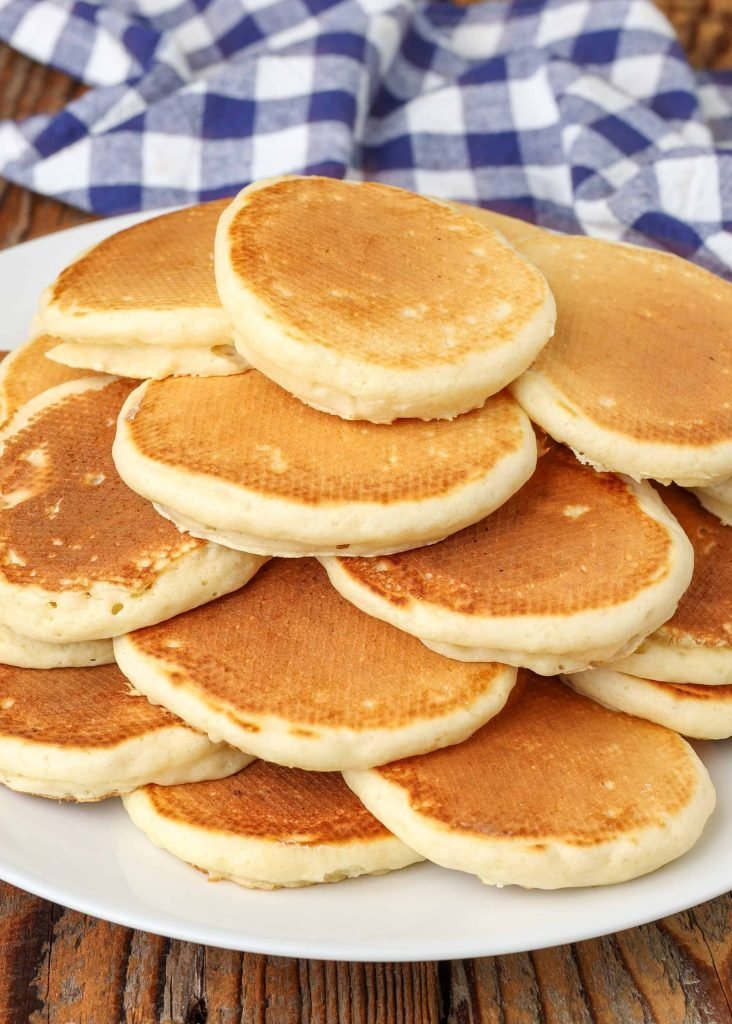
If you’ve ever stared down a brunch menu torn between mini silver dollar pancakes and a towering stack of regular flapjacks, you know the choice isn’t just about size—it’s about texture, portion control, cooking time, and even the occasion you’re prepping for. Both styles share a core buttery, fluffy base, but their differences make each better suited for specific meals, crowds, and dietary needs. In this ultimate breakfast showdown, we break down every key distinction, share pro cooking tips, and help you pick the perfect pancake style for your next morning meal.
Core Definitions: What Sets Each Pancake Style Apart
Silver Dollar Pancakes: The Bite-Sized Breakfast Classic
Silver dollar pancakes get their name from their 2–3 inch diameter, which matches the size of the US silver dollar coin that was in circulation from 1794 to 1935. These mini flapjacks are a beloved staple at brunch buffets, kids’ parties, and make-ahead breakfast meal prep, thanks to their portable, portion-controlled size. Unlike larger pancakes, their small surface area means more crispy, golden edges per bite, and they cook in a fraction of the time of a full-sized flapjack. Their light, fluffy interior holds up well to dipping in syrup or spreading with butter, making them a versatile option for both sweet and savory applications.
 Whole wheat silver dollar pancakes offer a nutty, complex twist on the classic mini pancake
Credit: ahedgehoginthekitchen.com
Whole wheat silver dollar pancakes offer a nutty, complex twist on the classic mini pancake
Credit: ahedgehoginthekitchen.com
Classic Regular Pancakes: The All-American Breakfast Staple
Regular pancakes, often called flapjacks or hotcakes, are the default pancake style in most US diners and home kitchens, with a standard diameter of 6–8 inches. Their thick, fluffy interior and soft, tender exterior make them ideal for stacking and topping with generous amounts of syrup, fruit, or nut butter. They’re a go-to for weekend family breakfasts, holiday morning meals, and anyone craving a hearty, filling start to the day. Their larger size also makes them a satisfying base for savory add-ins like cheese, herbs, or cooked vegetables.
 Classic regular pancakes are a weekend breakfast staple for many households
Credit: moveeatbreathe.wordpress.com
Classic regular pancakes are a weekend breakfast staple for many households
Credit: moveeatbreathe.wordpress.com
Head-to-Head Comparison: 6 Key Differences At a Glance
To make the choice easier, we’ve broken down the core distinctions between the two styles in the table below, followed by a detailed breakdown of how each difference impacts your cooking and dining experience.
| Category | Silver Dollar Pancakes | Regular Pancakes |
|---|---|---|
| Average Diameter | 2–3 inches | 6–8 inches |
| Typical Thickness | ¼–½ inch | ½–1 inch |
| Average Cook Time Per Side | 1–1.5 minutes | 2–2.5 minutes |
| Standard Serving Size | 4–6 pancakes | 2–3 pancakes |
| Best Use Cases | Buffets, kids’ meals, snacks, meal prep | Family breakfasts, holiday meals, hearty brunches |
| Texture Profile | Crisp edges, light, fluffy interior | Soft, fluffy interior, tender exterior |
These size differences aren’t just cosmetic. The smaller surface area of silver dollar pancakes means they cook faster and develop a higher ratio of crispy edge to soft interior, while regular pancakes’ larger size makes them better suited for holding heavy toppings like fruit compote or nut butter without falling apart.
Nutritional Breakdown: Are Silver Dollars Actually Healthier?
One of the most common questions about these two pancake styles is whether one is inherently healthier than the other. The short answer? Nutrition is almost entirely dependent on portion size, not the pancake style itself, as the core batter ingredients are nearly always identical. Per USDA FoodData Central, a standard 6-inch plain buttermilk pancake averages 92 calories, while a 2.5-inch silver dollar pancake made from the same batter contains just 23 calories. That means 4 silver dollar pancakes equal the calorie count of 1 regular pancake—so if you eat 8 mini pancakes for breakfast, you’re consuming nearly 185 calories, the same as 2 regular pancakes. Many people assume silver dollar pancakes are automatically a better choice for weight management, but that’s only true if you stick to a single serving of 4–6 mini pancakes. It’s easy to mindlessly eat 10+ silver dollars in one sitting, quickly matching or exceeding the calorie count of a standard regular pancake serving. Both styles have nearly identical carb, protein, and fat content per gram, so your nutritional profile will be the same regardless of size if you eat the same total weight of pancakes. The Academy of Nutrition and Dietetics notes that pre-portioning foods like mini pancakes can help reduce mindless overeating compared to eating from a shared stack of larger pancakes, making them a good option for people tracking portion sizes. To make either style healthier, swap half the all-purpose flour for whole wheat flour to boost fiber, add a scoop of unflavored protein powder to the batter, or top with fresh fruit and a small drizzle of maple syrup instead of sugary fillings.
Cooking Techniques: Master Both Styles With These Pro Tips
The core batter recipe is nearly identical for both pancake styles, but small adjustments to consistency, cook time, and tools will help you get perfect results every time.
Perfecting Your Batter
Start with a base recipe of all-purpose flour, baking powder, milk, egg, melted butter, a pinch of salt, and optional add-ins like vanilla extract or cinnamon. For silver dollar pancakes, thin the batter slightly with an extra splash of milk until it has a consistency similar to heavy cream, so it spreads evenly when poured in small spoonfuls. Regular pancake batter should be thicker, with a consistency similar to thick yogurt, so it holds its shape when poured from a ladle. A common mistake is overmixing batter, which develops tough gluten and leads to dense, chewy pancakes—stop mixing as soon as the dry ingredients are just incorporated, even if small lumps remain.
Cook Time and Temperature Tips
Both styles cook best on medium to medium-low heat, as too high a heat will burn the exterior before the interior is fully cooked through. For silver dollar pancakes, pour 1–2 tablespoons of batter per pancake, and cook for 1–1.5 minutes per side, flipping when tiny bubbles form around the edges and the top looks set. For regular pancakes, pour ¼ cup of batter per pancake, and cook for 2–2.5 minutes per side, flipping only when bubbles cover the entire surface of the uncooked top. Flipping too early is the most common cause of dense, undercooked pancakes for both styles.
Pan and Tool Recommendations
A non-stick griddle is ideal for silver dollar pancakes, as its flat surface lets you cook 8–10 mini pancakes at once without sticking. Cast iron skillets work best for regular pancakes, as their heat retention gives a deep, even golden-brown crust. Use a thin, flexible spatula for flipping silver dollars to avoid breaking their small, delicate structure, and a wider, stiffer spatula for regular pancakes to support their larger size. After cooking, properly cleaning your griddle or skillet will extend its lifespan and prevent flavor transfer between meals—our guide to kitchen sink maintenance has easy tips for keeping your cookware in top shape.
Serving Ideas For Every Occasion
Both pancake styles work for a huge range of meals, but their unique sizes make them better suited for specific pairings and events.
Classic Toppings That Work For Both Styles
Maple syrup, butter, fresh berries, whipped cream, powdered sugar, and nut butters are all universal toppings that pair well with either pancake style. Maple syrup drizzles evenly over regular pancakes, while silver dollars are perfect for dipping into a side of syrup or flavored sauce. Fresh fruit like sliced strawberries or blueberries adds a pop of color and natural sweetness to both styles—make sure to prep fresh toppings safely on a sanitized surface to avoid cross-contamination.
Creative Pairings For Silver Dollar Pancakes
Their small, bite-sized size makes silver dollars perfect for fun, interactive meals: build mini breakfast sliders with a sausage patty and fried egg sandwiched between two silver dollars, layer them with yogurt and granola for a portable parfait, or let kids dip them in chocolate sauce for a dessert-style snack. They’re also ideal for make-your-own topping bars at parties, where guests can customize each mini pancake with sprinkles, fruit preserves, or whipped cream.
Hearty Pairings For Regular Pancakes
Regular pancakes’ larger surface area makes them ideal for loaded toppings: stack them with sliced bananas and peanut butter for a protein-packed breakfast, top with fried chicken and maple syrup for a sweet-savory brunch twist, or add savory mix-ins like shredded cheddar, chives, and even ripe avocado slices to the batter for a hearty, restaurant-style meal. For the creamiest avocado flavor, use our trick to ripening avocados for savory toppings in just a few hours. They also pair perfectly with classic breakfast sides like crispy bacon, scrambled eggs, and hash browns, or roasted peppers for an extra kick of flavor—try our guide to roasting peppers for sweet-savory pancakes for a smoky, bright addition.
Kid-Friendly and Party Ideas
Silver dollars are the obvious choice for kids’ birthday parties or school breakfasts, as their small size is easy for little hands to hold, and they don’t require a knife and fork. For family brunches, set up a topping bar with mini chocolate chips, sprinkles, fruit preserves, and whipped cream, and let guests build their own custom stacks. Regular pancakes work well for casual family breakfasts where everyone sits down to a shared platter of stacked flapjacks.
 Silver dollar pancakes are ideal for customizing with individual toppings
Credit: pickyeaterblog.com
Silver dollar pancakes are ideal for customizing with individual toppings
Credit: pickyeaterblog.com
Cultural Popularity and Historical Context
Both pancake styles have rich histories tied to American food culture, and their popularity varies by region, occasion, and global tradition.
The Long History of Regular Pancakes
Pancake-like foods date back to ancient Greek and Roman civilizations, where cooks mixed ground grains with milk and honey, then cooked the batter on hot stones. The modern buttermilk pancake emerged in 19th century America, when frontier cooks used shelf-stable ingredients like powdered milk and baking powder to make quick, filling breakfasts for their families. Today, regular pancakes are a ubiquitous breakfast staple across the US, served at everything from roadside diners to holiday family gatherings.
The Rise of Silver Dollar Pancakes
Silver dollar pancakes gained popularity in the early 20th century as a convenient, kid-friendly alternative to large flapjacks. Their small size meant they cooked faster, were less likely to burn for new cooks, and were easy for children to eat without mess. By the mid-1900s, they were a staple of church breakfasts, school cafeterias, and family brunch buffets across the Midwest and South, where portion-controlled, easy-to-serve foods are a common staple of casual dining.
Global Variations of Mini and Regular Pancakes
Across the world, similar pancake styles exist with local twists: Russian blini are small, yeast-leavened pancakes similar in size to silver dollars, often served with caviar or jam. Dutch poffertjes are tiny, fluffy mini pancakes cooked in a special cast iron pan, served with powdered sugar and butter. Japanese okonomiyaki can be cut into bite-sized pieces similar to silver dollars, topped with savory sauces and fillings. These variations show how pancake size and style are often adapted to local eating customs and ingredient availability.
When Each Style Shines: Occasion-Based Popularity
Regular pancakes are the go-to for holiday morning meals like Christmas and Easter, where they’re served as a hearty, shareable centerpiece. Silver dollar pancakes are more common at casual weekend brunches, office breakfast meetings, and kids’ birthday parties, where their portion-controlled size and easy handling make them a practical choice. If you’re hosting a crowd, silver dollars are often easier to manage, as guests can grab a few and move on, while regular pancakes work better for small, sit-down family meals. After hosting a brunch for a crowd, properly organizing your kitchen post-brunch will make cleanup fast and painless, so you can get back to relaxing instead of scrubbing batter off countertops.
How to Choose The Right Pancake For Your Needs
There’s no one-size-fits-all answer to the silver dollar vs. regular pancake debate—your best choice depends on your meal plans, dietary goals, and cooking preferences. Use these guidelines to pick the right style for your next breakfast:
Choose Silver Dollar Pancakes If You:
- Want pre-portioned servings to make tracking calories or carbs easier
- Are serving a crowd, kids, or people with varying appetites
- Want to make make-ahead freezer meals (silver dollars reheat perfectly in the toaster oven or microwave without getting soggy)
- Prefer a higher ratio of crispy, golden edges to soft interior
- Want to serve dipping sauces or individual toppings for a fun, interactive meal
Choose Regular Pancakes If You:
- Want a hearty, filling breakfast that will keep you full for hours
- Prefer a thick, fluffy interior with a soft, tender exterior
- Are making a single serving for yourself or a small household
- Want to stack pancakes and top them generously with syrup, fruit, or nut butters
- Prefer less active cooking time per serving (you only flip 2–3 pancakes instead of 8–10)
Frequently Asked Questions
What Are Silver Dollar Pancakes?
Silver dollar pancakes are small, round pancakes with a 2–3 inch diameter, named for their resemblance to the size of a 19th-century US silver dollar coin. They have a light, fluffy interior and a crisp golden edge, and are typically served in portions of 4–6 per person.
Can I Use The Same Batter For Silver Dollar And Regular Pancakes?
Yes! The core batter recipe is identical for both styles. The only difference is the amount of batter you pour per pancake: use 1–2 tablespoons for silver dollars, and ¼ cup for regular pancakes. You may need to thin the batter slightly for silver dollars to ensure it spreads evenly when poured in small amounts.
Are Silver Dollar Pancakes Better For Meal Prep?
Absolutely. Their small size makes them easy to freeze in individual portions, and they reheat quickly in the toaster oven, microwave, or air fryer without getting soggy. Regular pancakes can be frozen and reheated too, but their larger size makes them more likely to fall apart during reheating.
Why Do My Silver Dollar Pancakes Turn Out Dense?
The most common cause is overmixing the batter, which develops tough gluten, or flipping them too early before the edges are set. Use a light hand when mixing, and only flip when tiny bubbles form around the edges of the uncooked pancake. Cooking on too high a heat can also lead to dense, burnt exteriors and undercooked interiors.
What's The Ideal Diameter For A True Silver Dollar Pancake?
A traditional silver dollar pancake measures 2–3 inches in diameter, matching the size of the US silver dollar coin that was in circulation from 1794 to 1935. Pancakes smaller than 2 inches are often called "mini pancakes," while those larger than 3 inches fall into the "regular" category.
Conclusion
At the end of the day, there’s no universal "better" option between silver dollar and regular pancakes—each style shines in different scenarios. Silver dollars are the perfect pick for portion-controlled meals, kid-friendly gatherings, and make-ahead breakfast prep, with their crispy edges and fast cook time. Regular pancakes are the ideal choice for hearty family breakfasts, holiday meals, and anyone who loves a thick, fluffy flapjack piled high with toppings. If you’re still looking for more breakfast inspiration and easy recipes to try at home, check out our full library of tested, crowd-pleasing dishes here.

I’m Abby Lu, a passionate home cook who loves simplifying everyday meals. At PlugChef.com, I share product reviews and cooking guides to help you find the best tools for your kitchen.
Related posts:
 How to Make a Fruit Basket for a Gift: Easy DIY Guide
 Do You Need a Basket? Essential Guide for Air Fryers
 Small Kitchens With Black Appliances: Maximizing Style
 Allied Blenders And Distillers IPO: Investment Insights
 Whirlpool 4 Piece Kitchen Appliance Package: Ultimate Upgrade
 Kitchen Sink Cleaning: Ultimate Tips for a Sparkling Shine

