
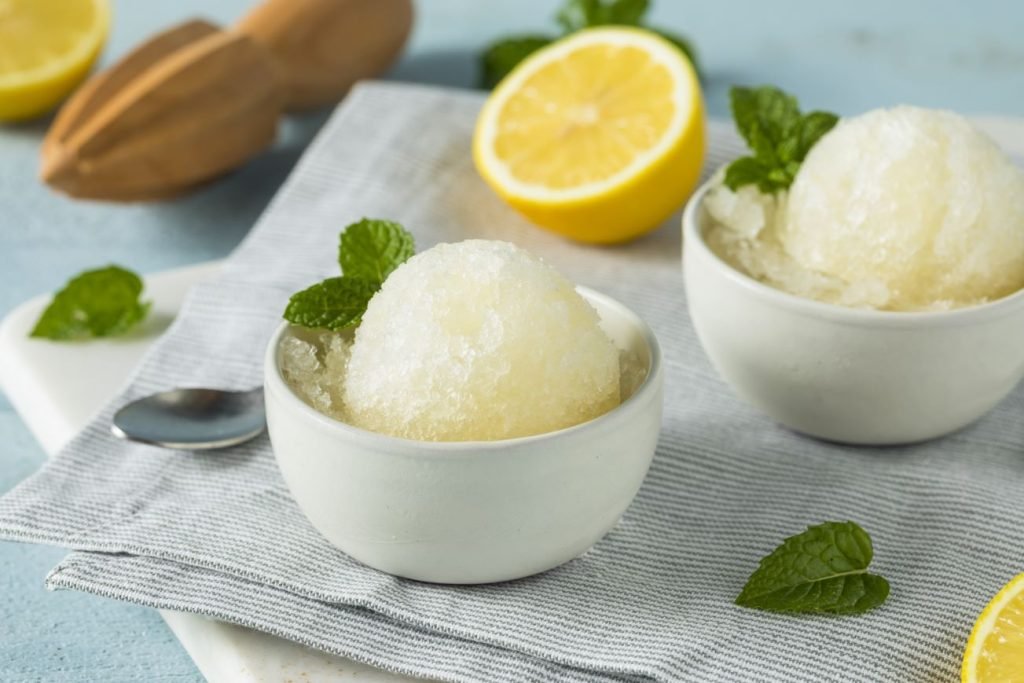
There’s nothing like the sharp, bright tang of homemade lemon sorbet on a sweltering summer afternoon — no artificial preservatives, no excess sugar, just pure, refreshing citrus flavor you can adjust to your exact taste. If you’ve ever written off homemade sorbet as too complicated or time-consuming, the right lemon sorbet ice cream maker cuts the process down to under an hour of total work, with zero fancy skills required.
After testing half a dozen ice cream maker models and churning dozens of batches for backyard barbecues and family gatherings, I’ve found the right setup eliminates the icy, grainy texture that plagues so many homemade sorbet attempts. Whether you’re a casual summer baker or a frequent host, the right machine lets you create refreshing treats easily, all with a handful of simple ingredients you already have in your kitchen.
Why Homemade Lemon Sorbet Beats Store-Bought Every Time
Mass-produced lemon sorbet is often loaded with added preservatives, artificial flavorings, and excess sugar to extend shelf life, and it’s usually over-aerated for a lighter, less intense flavor. Homemade sorbet lets you control every element of the final product: dial up the tartness with extra lemon juice, cut sweetness for a lighter treat, or add custom flavor twists to suit your taste. It’s also naturally vegan, gluten-free, and lower in fat than dairy ice cream, making it a great option for guests with dietary restrictions. Per batch, homemade sorbet costs roughly 60% less than premium store-bought versions, so you can make as much as you need for parties without breaking the bank.
How to Choose the Perfect Lemon Sorbet Ice Cream Maker for Your Kitchen
Sorbet has no dairy fat to soften its texture, so it freezes faster and is more prone to ice crystals than traditional ice cream if your machine can’t chill the base quickly and evenly. The right model for you depends on how often you plan to make sorbet, your budget, and how much counter space you have available.
Types of Ice Cream Makers for Sorbet
- Manual hand-crank: Budget-friendly and fun for kids to operate, but inconsistent churn speeds often lead to icy, uneven sorbet. Best for occasional, low-stakes use only.
- Electric frozen-bowl: The most common affordable home option, but requires 12–24 hours of pre-freezing the bowl in your coldest freezer setting. Look for models with a continuous churn function that runs for 25+ minutes without stopping, as sorbet sets faster than dairy ice cream and needs consistent agitation to break down ice crystals.
- Compressor (built-in freezer): The top pick for frequent sorbet makers, with no pre-freezing required. These models reach temperatures as low as -20°F (-29°C), fast enough to create ultra-smooth sorbet with zero iciness even for first-time users. They have a higher upfront cost (usually $150+) but pay for themselves quickly if you make sorbet more than once a month.
- Soft-serve style: Great for kid-friendly gatherings, but produces a softer, airier texture that may not hold its shape as well as traditional churned sorbet.
Key Features to Prioritize for Sorbet Making
- Churn speed control: Slower speeds incorporate less air, resulting in a denser, more intense lemon flavor that matches the texture of premium store-bought sorbet.
- Bowl material: Stainless steel bowls chill faster and more evenly than plastic, reducing the risk of large ice crystals forming in your mixture.
- Noise level: Look for models under 60 decibels (roughly the volume of a normal conversation) if you plan to churn sorbet during summer outdoor gatherings, to avoid disrupting guests.
- Capacity: 1.5-quart models are perfect for 2–4 people, while 2-quart+ models work for larger families or party batches.
- **Easy-clean parts: Sorbet base is high in sugar, which hardens and sticks to surfaces if left to dry. Dishwasher-safe paddles and bowls cut cleanup time by half.
Budget-Friendly Options for Casual Bakers
Entry-level frozen-bowl models under $50 work perfectly for occasional sorbet making, as long as they have a continuous churn function. Refurbished compressor models from brand outlets can be found for 30–50% off retail, with full manufacturer warranties. Avoid ultra-cheap manual models with plastic gears, as they break easily when churning thick, sticky sorbet base.
 Credit: thewoodandspoon.com
Bright, pale yellow lemon sorbet fresh from the churn, ready to serve
Credit: thewoodandspoon.com
Bright, pale yellow lemon sorbet fresh from the churn, ready to serve
Essential Ingredients for Perfect Lemon Sorbet (No Fancy Equipment Needed)
Great sorbet only needs 4 core ingredients, no artificial stabilizers or thickeners required if you follow the right ratios. Each component plays a specific role in balancing tartness, sweetness, and texture.
Fresh Lemons vs. Bottled Juice: Does It Matter?
Fresh lemons deliver a bright, floral citrus zing that bottled 100% lemon juice almost always lacks, especially if you include fresh zest. Meyer lemons are naturally sweeter than standard Eureka lemons, so use a 2:1 ratio of Meyer to Eureka for a less tart, more mellow sorbet. Bottled juice works in a pinch, but avoid any varieties with added salt or preservatives, which dull the fresh citrus flavor. Pro tip: Zest your lemons before juicing — 1 tablespoon of fresh zest adds a subtle floral aroma that juice alone can’t replicate, just avoid the white pith under the zest, which adds unwanted bitterness.
Sweetener Ratios for Perfect Texture
Sugar does more than sweeten your sorbet: it lowers the freezing point of the mixture, preventing large, crunchy ice crystals from forming as it chills. The standard, foolproof ratio is 1 cup granulated sugar to 1 cup water for simple syrup, mixed with 1 cup fresh lemon juice. For a tarter sorbet, reduce the syrup to 3/4 cup. If using alternative sweeteners: honey works in a 1:1 swap for granulated sugar, while agave and maple syrup are 25% sweeter, so reduce the amount used to avoid over-sweetening. For low-sugar options, add 1 teaspoon of corn syrup or 1 tablespoon of vodka per batch — this lowers the freezing point without altering flavor, a technique recommended by University of Minnesota Extension food safety experts for smooth, creamy sorbet texture.
Flavor Enhancers That Take Sorbet to the Next Level
A tiny pinch of fine sea salt cuts through bitterness and amplifies the bright lemon flavor, a trick most home cooks overlook. Fresh herbs like mint or basil add a subtle, refreshing note that pairs beautifully with citrus: muddle 2–3 leaves into the base before chilling, then strain them out before churning for a faint, pleasant herbal hint. For a warm, complex twist, add 1/4 teaspoon of ground cardamom or 1 teaspoon of grated fresh ginger to the base. The most common mistake when adding enhancers is using too much: start with 1 teaspoon of any add-in and adjust to taste, as overpowering the bright lemon flavor is easy to do.
Step-by-Step Guide to Making Lemon Sorbet in Your Ice Cream Maker
This process takes 45 minutes of active work, plus 4+ hours of chilling time for the base (which you can do overnight for convenience). Follow these steps for consistent, smooth sorbet every time:
- Make the simple syrup first: Combine 1 cup granulated sugar and 1 cup water in a small saucepan over medium heat, stirring until the sugar is fully dissolved (do not let the mixture boil, as this can make the syrup too thin). Remove from heat and let cool completely to room temperature, about 30 minutes. To speed up cooling, place the pan in an ice bath and stir occasionally.
- Prep the lemon base: Juice 4–6 large lemons (about 1 cup total) and strain out seeds and pulp. Stir in 1 tablespoon of fresh lemon zest (optional, for extra aroma) and the cooled simple syrup. If using add-ins like mint or ginger, muddle them into the mixture now, then strain if you don’t want flecks in the final sorbet.
- Chill the base thoroughly: Cover the mixture and refrigerate for at least 4 hours, or overnight for best results. In practice, skipping this step leads to icy, grainy sorbet 90% of the time, as a cold base freezes fast enough to create tiny, undetectable ice crystals instead of large, crunchy ones.
- Pre-prep your machine: If using a frozen-bowl model, ensure the bowl has been in the coldest part of your freezer (set to 0°F / -18°C or lower) for at least 24 hours. If using a compressor model, turn it on 10 minutes before churning to pre-cool the chamber.
- Churn the sorbet: Pour the chilled base into the ice cream maker bowl, and churn according to manufacturer instructions, typically 20–30 minutes for sorbet. The sorbet is done when it looks like thick soft-serve and holds its shape when you scoop a small amount.
- Harden for serving (optional): For a firmer scoop, transfer the churned sorbet to an airtight container and freeze for 2–3 hours. If serving immediately, it will have a softer, more scoopable texture.
If you don’t have an ice cream maker, you can still make sorbet by pouring the base into a shallow 8×8 inch dish, freezing for 30 minutes, then stirring vigorously to break up ice crystals, repeating every 30 minutes for 2–3 hours total.
 Credit: www.acouplecooks.com
Finished lemon sorbet served over ice with a fresh mint sprig for a refreshing summer treat
Credit: www.acouplecooks.com
Finished lemon sorbet served over ice with a fresh mint sprig for a refreshing summer treat
Troubleshooting Common Sorbet Ice Cream Maker Issues
Even with the right setup, small mistakes can lead to less-than-perfect sorbet. These fixes address the most common issues:
My sorbet is icy or grainy
Root causes are almost always related to base temperature or churn time. First, always chill the base for at least 4 hours — if you’re in a hurry, place the sealed mixture in a bowl of ice water for 20 minutes to speed up chilling, but overnight is best. Second, ensure your frozen bowl is fully frozen: if you can hear liquid sloshing when you tilt it, it needs more time in the freezer. Third, don’t under-churn: sorbet needs 20–25 minutes of continuous churn to break down ice crystals, even if it looks done earlier. If you still get iciness, add 1 tablespoon of corn syrup or vodka to your next batch — this lowers the freezing point and prevents large crystal formation, per U.S. Food and Drug Administration food safety guidance for frozen desserts.
My machine isn’t churning properly / the mixture isn’t freezing
First, check that your freezer is set to 0°F (-18°C) or lower — if it’s any warmer, frozen bowls won’t stay cold enough to freeze sorbet quickly. For compressor models, make sure the vents aren’t blocked by cabinets or other appliances, as this can cause overheating and poor cooling. If the motor is running but the mixture isn’t thickening, your base may not be cold enough, or you may have added too much water (stick to the 1:1 sugar to water syrup ratio to avoid excess liquid). Also, don’t overfill the bowl: sorbet expands slightly as it churns, so fill no more than 2/3 full to avoid straining the motor.
My sorbet is too tart or too sweet
Adjust ratios for your next batch: add 1/4 cup more simple syrup per batch to reduce tartness, or 1/4 cup more lemon juice to increase tang. If you accidentally over-sweeten, add a squeeze of fresh lemon juice and re-churn for 5 minutes to balance the flavor. Avoid adding salt to fix over-sweetness, as this will enhance the sweetness rather than cut it.
Creative Lemon Sorbet Variations to Try This Summer
Once you’ve mastered the basic recipe, these simple twists make your sorbet feel like a completely new treat:
- Herb-infused lemon sorbet: Muddle 5–6 fresh mint leaves or 2 basil leaves into the chilled base before churning, then strain out the leaves. The herbal note cuts through the tartness for a refreshing, sophisticated flavor perfect for pairing with grilled chicken or fish. Add a splash of lime juice to enhance the herbal brightness.
- Berry swirl lemon sorbet: Churn the plain lemon sorbet base as normal, then layer 1/2 cup of pureed raspberries or strawberries into the container as you transfer the sorbet to harden. Swirl gently with a knife for a marbled effect. The sweet-tart berry pairs perfectly with the bright lemon, and looks beautiful for dinner parties.
- Spiced lemon sorbet: Add 1/4 teaspoon of ground cardamom or a 1-inch piece of grated fresh ginger to the base before chilling. The warm spice adds depth without overpowering the citrus, making it a unique alternative to plain sorbet for fall and holiday gatherings.
- Serving suggestions: Serve scoops in chilled ceramic bowls or hollowed-out lemon halves for a fun, Instagram-worthy presentation. Pair with shortbread cookies for a light dessert, or add a scoop to sparkling water for a homemade lemon sorbet float. For a boozy twist, top each serving with a shot of vodka or prosecco.
For more easy homemade summer recipes and kitchen tool guides, check out our blog for ideas to make your seasonal cooking even simpler.
Maintaining Your Lemon Sorbet Ice Cream Maker for Years of Use
Proper care keeps your machine running smoothly and preserves its performance for years of summer treats. Follow these simple tips to avoid common damage and extend your machine’s lifespan:
Cleaning Tips
Sorbet base is high in sugar, which can harden and stick to paddles and bowls if left to dry. Immediately after use, rinse all removable parts with warm water, then wash with mild dish soap. For stuck-on sugar residue, use a soft-bristled top-rated cleaning brush to scrub without scratching stainless steel or plastic surfaces. For deep cleaning of paddles with small crevices, a heavy-duty scrubbing brush will get into gaps that standard sponges miss. If you prefer a full set of tools for all your kitchen cleanup, a complete cleaning brush set will have the right size and stiffness for every part of your machine. Never submerge the motor base in water — wipe it down with a damp cloth only.
Storage Advice
If you have a frozen-bowl model, store the bowl in the freezer upright at all times to prevent coolant leaks. If you have limited freezer space, store the bowl in the coldest part of your freezer, covered with a clean kitchen towel to protect it from damage. For compressor models, store in a cool, dry cabinet away from direct sunlight and heat sources (like ovens or dishwashers) to avoid damaging the cooling system. For households with young children, install child-safe cabinet locks on the cabinet where you store the ice cream maker to prevent accidental access, or use no-drill cabinet locks if you don’t want to damage your cabinetry.
Extending Machine Lifespan
Inspect the motor and paddles for cracks or loose parts before each use. If you notice the motor straining or making unusual noises, stop using it immediately and contact the manufacturer — overloading the bowl with more than 2/3 full of mixture is the most common cause of motor burnout. Avoid running the machine for longer than the manufacturer’s recommended churn time, as this can overheat the motor and shorten its lifespan.
 Credit: zhangcatherine.com
Chilled lemon sorbet base being added to a pre-frozen ice cream maker bowl, ready for churning
Credit: zhangcatherine.com
Chilled lemon sorbet base being added to a pre-frozen ice cream maker bowl, ready for churning
Frequently Asked Questions
Can I make dairy-free lemon sorbet in any ice cream maker?
Yes! Sorbet contains no dairy, so it works in any model, including frozen-bowl and compressor machines. Just be sure to clean the bowl thoroughly first if you previously used it for dairy ice cream, to avoid cross-contamination of flavor or allergens.
How long does homemade lemon sorbet last in the freezer?
Stored in an airtight container, homemade lemon sorbet will keep for 2–3 weeks in the freezer set to 0°F (-18°C) or lower. To prevent freezer burn, press a piece of parchment paper directly onto the surface of the sorbet before sealing the container. If you notice ice crystals forming on top, it’s still safe to eat — just stir them in before serving for a smoother texture.
Why is my sorbet melting faster than store-bought?
Homemade sorbet has no added stabilizers or preservatives, so it will melt faster than mass-produced versions. To slow melting, add 1 teaspoon of corn syrup or 1 tablespoon of vodka to your base before churning — this lowers the freezing point without altering flavor. Serving sorbet in chilled bowls also helps it stay firm longer.
Can I use a frozen bowl ice cream maker for sorbet if I forget to freeze the bowl ahead of time?
No, frozen-bowl models require at least 12–24 hours of pre-freezing to reach the low temperature needed to freeze sorbet quickly. If you forgot to freeze the bowl, you can still make sorbet by pouring the base into a shallow 8×8 inch dish, freezing for 30 minutes, then stirring vigorously to break up ice crystals, repeating every 30 minutes for 2–3 hours total.
Is lemon sorbet healthy?
Lemon sorbet is lower in fat and calories than dairy ice cream, and is naturally vegan and gluten-free if you use gluten-free sweeteners. However, it is still high in sugar, so enjoy it in moderation as part of a balanced diet.
Conclusion
Making lemon sorbet with a dedicated lemon sorbet ice cream maker is one of the easiest, most rewarding ways to beat the summer heat. You get full control over every ingredient, avoid the excess sugar and preservatives in store-bought versions, and can customize flavor to suit any taste — from bright and tart to subtly sweet and spiced.
With just 4 core ingredients, 45 minutes of active work, and a machine that fits easily on your kitchen counter, you can create refreshing treats easily for any occasion, from casual weeknight desserts to backyard barbecue spreads. The next time a craving for cold, citrusy sweetness hits, skip the grocery store run and churn a batch yourself — you’ll wonder why you didn’t start sooner.

Hi, I’m Daniel Brooks—a food lover and kitchen gear enthusiast. I enjoy testing cookware, utensils, and gadgets to see what really works in everyday cooking. At PlugChef.com, I share honest reviews, comparisons, and simple guides to help you choose the best tools for a safer, smarter, and more enjoyable kitchen.
Related posts:
 Long Term Storage for Potatoes: Ultimate Guide to Freshness
 Honey Brown Sugar Glaze Recipe: Irresistibly Sweet & Easy
 Pizza Oven Temp And Time: Perfect Tips for Crispy, Delicious Pizzas
 Whole Foods Water Refill Station: Eco-Friendly Hydration Made Easy
 Ground Beef Sliders Hawaiian Rolls: Irresistible Party Bites
 Cooking Chicken in Parchment Paper: Easy, Juicy, and Healthy Recipes

