
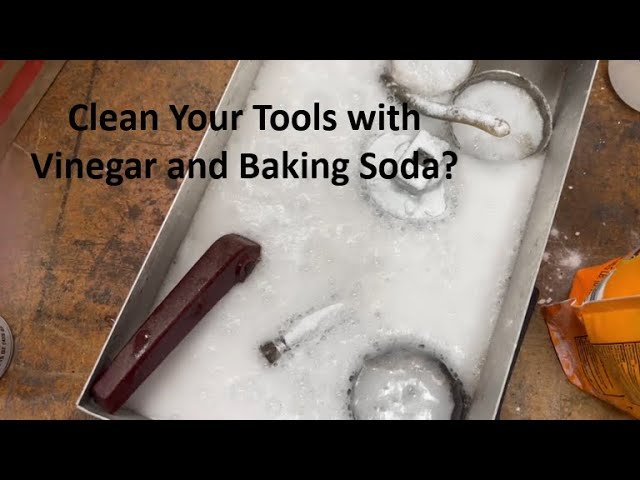
Imagine your tools looking brand new again. It’s possible with just two ingredients you probably already have in your kitchen: vinegar and baking soda.
These natural cleaning powerhouses can transform your rusty, grimy tools into gleaming, efficient helpers. You might be wondering how something so simple can be so effective. The secret lies in the chemical reaction between vinegar and baking soda, which breaks down dirt and rust, leaving your tools spotless.
With this guide, you’ll discover how easy it is to give your tools a fresh start, saving you time and money. Keep reading to unlock the magic of vinegar and baking soda, and make your tools last longer.

Credit: www.dreamstime.com
Why Use Vinegar And Baking Soda
Vinegar and baking soda are household staples. They clean tools effectively. These natural ingredients are often overlooked in tool maintenance. They offer a simple, eco-friendly solution. Many people wonder why these two are so effective.
Why Vinegar?
Vinegar is acidic. It breaks down rust and grime. This makes it perfect for cleaning tools. It also disinfects surfaces. Its antibacterial properties are well-known.
Why Baking Soda?
Baking soda is alkaline. It neutralizes odors and grease. This makes it ideal for cleaning. It also acts as a gentle abrasive. This helps scrub away dirt and stains.
Cost-effective Solution
Vinegar and baking soda are inexpensive. They save money on cleaning products. This budget-friendly option appeals to many tool owners.
Eco-friendly Cleaning
These ingredients are natural. They don’t harm the environment. Using them reduces chemical waste. This is important for eco-conscious individuals.
Safe For Most Tools
Vinegar and baking soda are non-toxic. They won’t damage tools. This ensures tools stay in good condition. Many prefer this safe cleaning method.
Simple Application
Cleaning with vinegar and baking soda is easy. Mix them for extra power. Apply to tools and rinse. This straightforward process saves time.

Credit: www.youtube.com
Preparation Before Cleaning
Gather all necessary tools and protective gear before cleaning. Remove any dirt or debris from tools. Prepare a mixture of vinegar and baking soda for effective cleaning.
Preparing to clean your tools with vinegar and baking soda is an essential step that sets the stage for effective results. Gathering everything you need beforehand saves time and ensures a smoother cleaning process. Safety is paramount, so taking a few precautions can protect you and your tools. Let’s dive into the specifics to get you ready for the task.Gather Necessary Supplies
Start by collecting all the supplies you’ll need. You’ll want a bottle of white vinegar and a box of baking soda—these are your primary cleaning agents. Have a set of old toothbrushes or scrub brushes ready for scrubbing. You might also need a few clean rags or microfiber cloths for wiping. If possible, get a pair of rubber gloves to protect your hands from any grime or residue. A small bucket or basin will help in soaking tools efficiently.Safety Precautions
Safety should always be your priority. If you haven’t used vinegar and baking soda together before, be aware that they can fizz and bubble. This reaction is harmless but can be messy. Wear gloves to protect your skin from any potential irritation. Make sure your workspace is well-ventilated to avoid inhaling any fumes. Keep your cleaning area clear of any unnecessary clutter to prevent accidents. — Have you ever thought about how a simple preparation step could make your cleaning process more efficient? Taking these small steps can transform what might seem like a daunting task into a manageable one. What’s your next cleaning project? Would having a checklist like this make it easier?Cleaning Tools With Vinegar
Cleaning tools with vinegar is a simple yet effective way to keep them in top condition. Vinegar’s acidic nature helps break down rust and grime, making it easier to clean your tools thoroughly. You might be surprised at how a household staple can transform your cleaning routine.
Soaking Tools
Start by filling a container with enough vinegar to cover your tools completely. Use white vinegar for the best results. Let the tools soak for a few hours or overnight. This allows the vinegar to penetrate and loosen rust and dirt. The longer the soak, the better the results.
Wondering if it actually works? I once left my rusty garden shears in vinegar overnight. The next day, they looked almost brand new. This simple soak can save you from the frustration of dealing with stubborn rust.
Scrubbing And Rinsing
Once the soaking is complete, it’s time to scrub. Use a brush or sponge to remove any remaining residue. Pay special attention to crevices where dirt tends to hide. You might find that some areas still need a bit of elbow grease.
After scrubbing, rinse the tools thoroughly with water. Make sure all vinegar is washed away to prevent any lingering smell. Dry the tools completely to prevent any new rust from forming.
Have you ever wondered why you should rinse thoroughly? Leaving vinegar on your tools can lead to corrosion over time. Proper rinsing ensures your tools are safe and ready for use.
So, are you ready to give your tools a fresh start with vinegar? It’s amazing how such a simple solution can breathe new life into your trusty equipment. Dive into this cleaning method and see the difference for yourself!
Using Baking Soda For Stubborn Stains
Baking soda is perfect for tackling stubborn stains on tools. Mix it with vinegar to create a powerful cleaning solution. This combo effectively removes rust and grime, leaving your tools fresh and ready for use.
Using baking soda for stubborn stains on tools is effective. This simple method helps you tackle tough grime and residue. Baking soda is gentle and safe for most tools. You don’t need to worry about damaging surfaces. Its mild abrasive nature makes it perfect for scrubbing away dirt. Follow these steps to clean your tools with ease.Creating A Baking Soda Paste
Start by mixing baking soda with water. Use a small bowl for this mixture. Add water slowly to avoid making it too runny. Aim for a thick paste consistency. If needed, add more baking soda to thicken it. The paste should stick well to your tools. This mixture will help break down stubborn stains.Applying And Scrubbing
Apply the baking soda paste to the stained areas. Use a brush or cloth for application. Make sure to cover all dirty spots. Let the paste sit for a few minutes. This allows it to soften the stains. After waiting, scrub gently with a brush. Circular motions work best for removing grime. Rinse the tool with water and dry it completely. Repeat the process if stains remain.Rinsing And Drying Tools
Cleaning tools with vinegar and baking soda is simple. Mix equal parts vinegar and water, soak tools, then scrub with baking soda. Rinse thoroughly and dry completely to prevent rust.
Cleaning tools with vinegar and baking soda is a straightforward and effective way to keep them in top condition. However, rinsing and drying are crucial steps that ensure your tools remain free of residue and rust. Without proper care, even the most diligent cleaning efforts can fall short, leaving tools vulnerable to damage. Let’s dive into how you can expertly rinse and dry your tools after a thorough cleaning.Thorough Rinsing
After soaking your tools in vinegar and scrubbing them with baking soda, it’s time to rinse them thoroughly. Use warm water to wash away any remaining grime and residue. Be meticulous. Any leftover vinegar or baking soda can lead to corrosion over time. Consider using a small brush to get into tight spaces. This ensures every part of your tool is clean and safe from residue buildup.Proper Drying Techniques
Rinsing is just half the battle; drying is equally important. Moisture can lead to rust, which may damage your tools. Start by shaking off excess water. Use a clean, dry cloth to wipe each tool. Pay special attention to joints and crevices where water might linger. For extra assurance, leave your tools out in a well-ventilated area. A few hours in the sun can be a natural way to ensure they are completely dry. Have you ever skipped drying only to find rust spots later? Proper drying is a small step that makes a big difference.Maintaining Clean Tools
Vinegar and baking soda make cleaning tools easy and effective. Mix vinegar and baking soda to create a powerful cleaning paste. Apply to tools, scrub gently, and rinse for sparkling results.
Maintaining clean tools is essential for ensuring their longevity and efficiency. Regular cleaning not only preserves their functionality but also saves you money in the long run. By using common household items like vinegar and baking soda, you can keep your tools in top-notch condition without breaking the bank.Regular Cleaning Schedule
Establishing a regular cleaning schedule is crucial. Think about how often you use your tools. If you’re someone who enjoys weekend DIY projects, aim to clean your tools monthly. Consistency is key. A regular routine prevents grime buildup and ensures your tools are always ready for action. Take a moment after each project to assess the condition of your tools. A quick wipe-down with vinegar and baking soda can work wonders.Proper Storage Tips
Proper storage is just as important as cleaning. Store your tools in a dry place to prevent rust. Moisture is your enemy when it comes to metal tools. Use toolboxes or pegboards for organization. This not only keeps your workspace tidy but also helps you find your tools quickly. Consider labeling your storage spaces. Knowing exactly where each tool belongs saves time and keeps your cleaning schedule on track. Have you ever lost a tool only to find it rusting away in a forgotten corner? With proper storage, this becomes a thing of the past.
Credit: www.exploratorium.edu
Frequently Asked Questions
Can You Clean Tools With Vinegar And Baking Soda?
Yes, you can clean tools using vinegar and baking soda. Mix them to create a paste. Apply it to the tools, scrub gently, then rinse thoroughly. This method effectively removes grime and rust, keeping your tools in good condition. Always dry the tools completely after cleaning to prevent rust.
What Should Not Be Cleaned With Vinegar And Baking Soda?
Avoid using vinegar and baking soda on marble, granite, aluminum, cast iron, and natural stone surfaces. They can damage finishes, cause scratches, or result in discoloration. Always test on small areas first.
How To Clean Rusty Tools With Vinegar And Baking Soda Youtube?
Search “clean rusty tools with vinegar and baking soda” on YouTube. Follow step-by-step video guides for detailed instructions.
How Long Do You Let Vinegar And Baking Soda Sit?
Let vinegar and baking soda sit for 5 to 10 minutes. This allows them to react effectively. For tough stains, you can leave them for up to 15 minutes. Rinse thoroughly afterward to ensure no residue remains. This method efficiently cleans surfaces and unclogs drains.
Conclusion
Cleaning tools with vinegar and baking soda is simple and effective. This method saves money and avoids harsh chemicals. Vinegar and baking soda work together to remove grime. Your tools will look clean and fresh. It’s a gentle way to care for your tools.
Regular cleaning can extend their life. Plus, it’s eco-friendly and safe. Try this method for a quick and easy cleanup. Remember to rinse well after cleaning. Keep your tools in top shape with these common kitchen items. A clean tool works better and lasts longer.
Happy cleaning!

I’m Abby Lu, a passionate home cook who loves simplifying everyday meals. At PlugChef.com, I share product reviews and cooking guides to help you find the best tools for your kitchen.
Related posts:
 What Type of Cooking Utensils are Safe: Expert Picks
 What Innovations Could Blenders Make: Unleashing Future Tech
 Smart Strategies to Organize a Small Kitchen: Maximize Space
 How to Organize a Kitchen Cabinet: Expert Tips & Tricks
 How to Organize Kitchen Drawers: Expert Tips and Tricks
 How to Organize a Corner Kitchen Cupboard: Expert Tips

