
Imagine this: You’re about to whip up your favorite cake recipe, but as you reach for your mixer, you notice it’s not working as smoothly as it used to. Or perhaps your baking sheets are starting to show signs of wear, and your cakes are not coming out evenly baked.
Frustrating, right? Maintaining your baking tools and equipment is crucial for ensuring your recipes come out perfect every time. Plus, taking care of these tools can save you money in the long run by avoiding frequent replacements. But how do you ensure your beloved baking gear stays in tip-top shape?
You’ll discover practical and easy tips to maintain your baking tools and equipment, ensuring they remain reliable allies in your kitchen adventures. Whether you’re a seasoned baker or just starting out, keeping your tools well-maintained can make a world of difference. Ready to elevate your baking game? Keep reading to uncover the secrets!
Cleaning Essentials
Proper care keeps baking tools in top shape. Always wash them immediately after use with warm, soapy water. Dry thoroughly to prevent rust or damage. Regular maintenance ensures longevity and performance, making every baking session smooth and enjoyable.
Maintaining baking tools and equipment is crucial for every baker. Clean tools ensure hygiene and long-lasting performance. Every baker should know the essentials of cleaning. Proper cleaning extends the life of your baking tools. It also ensures safe and tasty baked goods. Let’s explore the key cleaning techniques that every baker should follow.Daily Cleaning Routine
A daily cleaning routine is vital. Start by wiping down surfaces with a damp cloth. Remove any leftover flour or crumbs. Clean mixing bowls immediately after use. This prevents batter from hardening. Use warm soapy water for best results. Rinse thoroughly and dry with a soft cloth. Pay attention to utensils like spatulas and whisks. These should be cleaned after each use. Check for any stuck food particles. Baking sheets and pans should also be washed daily. Dry them completely to prevent rust.Deep Cleaning Techniques
Deep cleaning should be done weekly. It ensures thorough removal of grime and grease. Soak tools like rolling pins in hot soapy water. Use a brush to scrub off stubborn spots. For silicone mats, soak in vinegar and water. This helps remove any odors. Baking trays can be scrubbed with baking soda. This removes burnt-on residue. Ensure all tools are fully dry before storing. Moisture can lead to mold or rust. For electric mixers, wipe the exterior with a damp cloth. Avoid immersing electrical parts in water. Clean attachments with care, ensuring they are dry before reattaching. Regular cleaning keeps your baking tools in top condition. Your tools will last longer and perform better. Plus, it guarantees your baked treats are always safe to eat.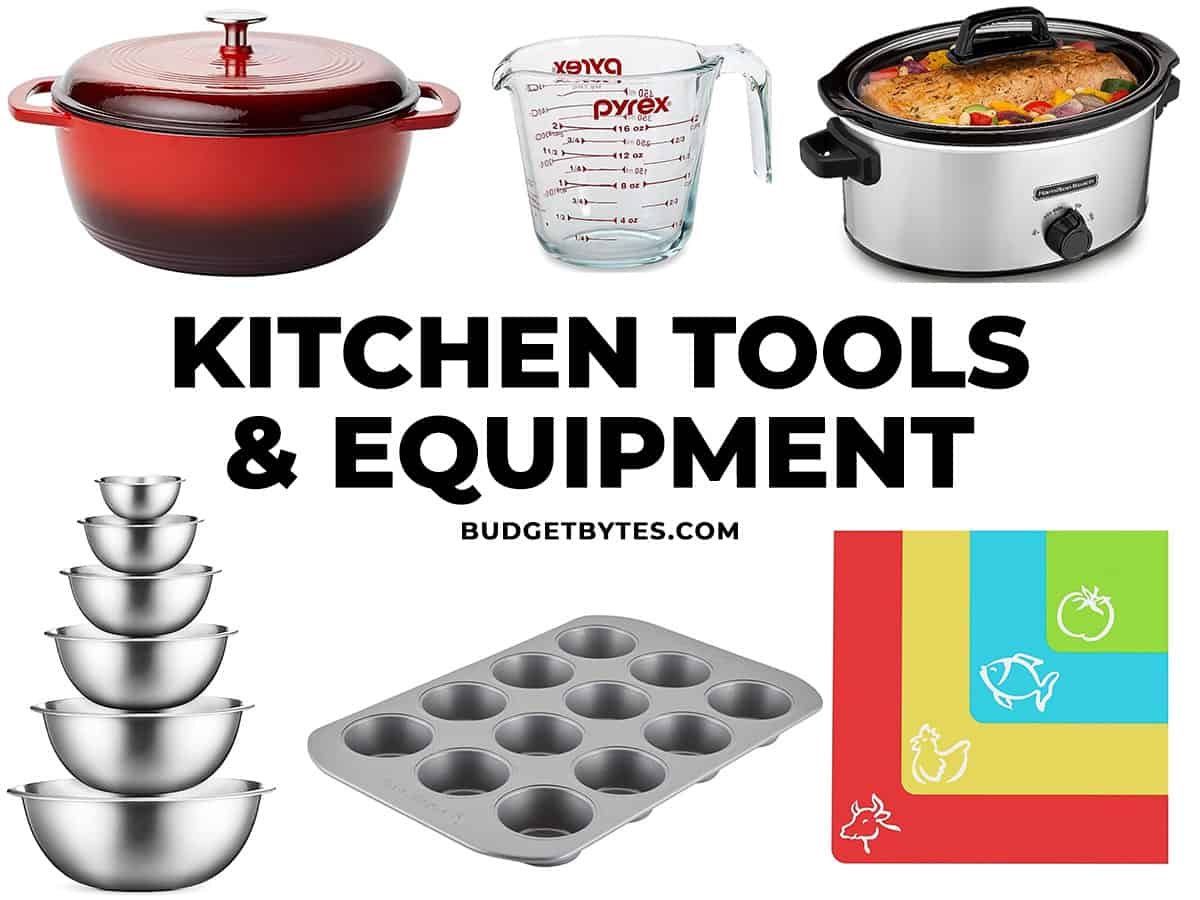
Credit: www.budgetbytes.com
Proper Storage Methods
Keep baking tools dry and clean to prevent rust and wear. Use airtight containers for small items like cookie cutters. Properly organize and store large equipment to maintain their condition and ensure easy access.
Proper storage methods for your baking tools and equipment are crucial for maintaining their longevity and efficiency. Without proper organization, you might find yourself frantically searching for a whisk just when you need it most. Imagine how much smoother your baking sessions could be with everything in its rightful place, ready to go when inspiration strikes.Organizing Baking Tools
Start by sorting your tools based on frequency of use. Keep the ones you use often, like measuring cups and spatulas, in an easily accessible spot. Less frequently used items, such as pastry brushes or cookie cutters, can be stored further away. Consider using drawer dividers or small containers to keep similar tools together. This not only saves space but also makes it easier to find what you need. Hanging hooks or a pegboard can also be great for keeping larger tools like rolling pins or sieves within reach.Storing Baking Pans And Trays
Baking pans and trays can be tricky to store due to their size and shape. Stacking them might seem like a good idea, but it can lead to scratches and make it hard to get the one you need without causing an avalanche. Use a vertical organizer to store pans and trays upright. This way, you can easily slide out the one you need without disturbing the others. If space allows, dedicate a cabinet or shelf specifically for these items to prevent overcrowding. Labeling shelves or drawers can also be a game changer. It ensures that each item has a designated spot, making clean-up quicker and keeping your kitchen tidy. What’s your go-to method for storing your baking pans?Material-specific Care
Baking tools and equipment come in various materials. Each requires specific care to ensure longevity and performance. Understanding how to maintain these tools based on their material is crucial. This guide will help you care for wooden, metal, silicone, and plastic baking tools.
Caring For Wooden Tools
Wooden tools are prone to absorbing moisture and odors. After use, wash them with warm, soapy water. Dry them immediately to prevent warping. Occasionally, rub them with food-grade mineral oil to keep them from drying out. Store them in a dry place to avoid mold.
Maintaining Metal Equipment
Metal baking tools are durable but can rust. Avoid soaking them for long periods. Dry them thoroughly after washing. For stainless steel, use a soft cloth to polish and maintain shine. Check for wear and tear regularly. Replace any damaged pieces to ensure safe use.
Handling Silicone And Plastic
Silicone and plastic tools are flexible and easy to clean. Use mild detergent to wash them. Avoid abrasive scrubbers which can damage the surface. Keep them away from direct heat to prevent melting. Store them in a cool, dry place. Regular cleaning prevents odors and stains.
Regular Maintenance
Regular maintenance is crucial for keeping your baking tools and equipment in top condition. It’s not just about prolonging their lifespan; it’s about ensuring that every bake is as perfect as the last. Think of your favorite whisk or rolling pin—how many delightful treats have they helped you create? Regular upkeep can ensure they continue to serve you well.
Inspecting For Wear And Tear
Your tools may seem indestructible, but regular use can lead to subtle damage that affects performance. Set aside time each month to check your tools.
Look for cracks in wooden handles or rust spots on metal surfaces. Even small dents on baking sheets can affect heat distribution. Catching these early can save you from bigger headaches later.
Have you ever wondered why your cookies sometimes turn out unevenly baked? A warped baking sheet might be the culprit. Regular inspection means you spot these issues before they ruin your bakes.
Sharpening And Polishing
Sharp tools make for efficient baking. Whether it’s a dough cutter or pastry knife, they work best when properly sharpened.
Consider investing in a sharpening stone or a professional sharpening service. A dull blade can slow you down and make tasks like slicing fruit frustrating.
Polishing isn’t just about aesthetics. Polished tools are easier to clean and maintain. A simple polish can make your stainless steel tools shine like new and help them resist rust.
Have you noticed how polished measuring cups are easier to read and clean? This small maintenance step can improve both functionality and appearance.
Regular maintenance isn’t just a chore; it’s a commitment to your craft. How do you maintain your baking tools and equipment? Share your tips and keep the conversation going!
Preventing Common Issues
Proper care of baking tools prevents rust and damage. Clean utensils immediately after use to remove food residue. Store equipment in a dry place to avoid moisture buildup. Regularly check for wear and replace damaged items to ensure consistent results.
Preventing common issues with your baking tools and equipment is essential for a seamless baking experience. Imagine reaching for your favorite whisk only to find it rusty, or pulling out a baking sheet with stubborn stains that won’t budge. These issues can disrupt your baking flow and even affect the quality of your baked goods. It’s important to know how to keep these problems at bay. Let’s dive into practical ways to prevent rust, corrosion, and tackle those pesky stains.Avoiding Rust And Corrosion
Rust and corrosion are silent destroyers of your cherished baking tools. They sneak up when you least expect it. The simplest way to avoid them is by keeping your tools dry. After washing, ensure every whisk, spoon, and pan is thoroughly dried. Use a soft towel or leave them to air dry for a few minutes. Store your tools in a dry environment. If your kitchen is humid, consider placing a small dehumidifier near your baking supplies. Your tools will thank you, and you’ll enjoy baking without worrying about rust spots. Ever thought about coating your metallic tools with a thin layer of oil? This trick can create a barrier against moisture. Just a little vegetable oil on a cloth wiped over your tools can make a world of difference.Dealing With Stubborn Stains
Stubborn stains on baking sheets or mixing bowls can be frustrating. They seem to laugh at your cleaning efforts. One effective solution is to use baking soda and vinegar. Sprinkle baking soda on the stained area, add a splash of vinegar, and watch the fizzing magic. Let it sit for a few minutes, then scrub with a non-abrasive sponge. For glass or ceramic items, try using lemon juice. Its natural acidity can break down stains without damaging the surface. You might be surprised at how well this natural cleaner works. What about those pesky brown spots on baking sheets? Consider soaking them in hot water mixed with a few drops of dish soap. After a good soak, the stains will be easier to scrub off. Maintaining your tools is not just about keeping them clean; it’s about ensuring your baking is a joyful experience. How do you currently care for your baking equipment? Could these tips make a difference in your routine?
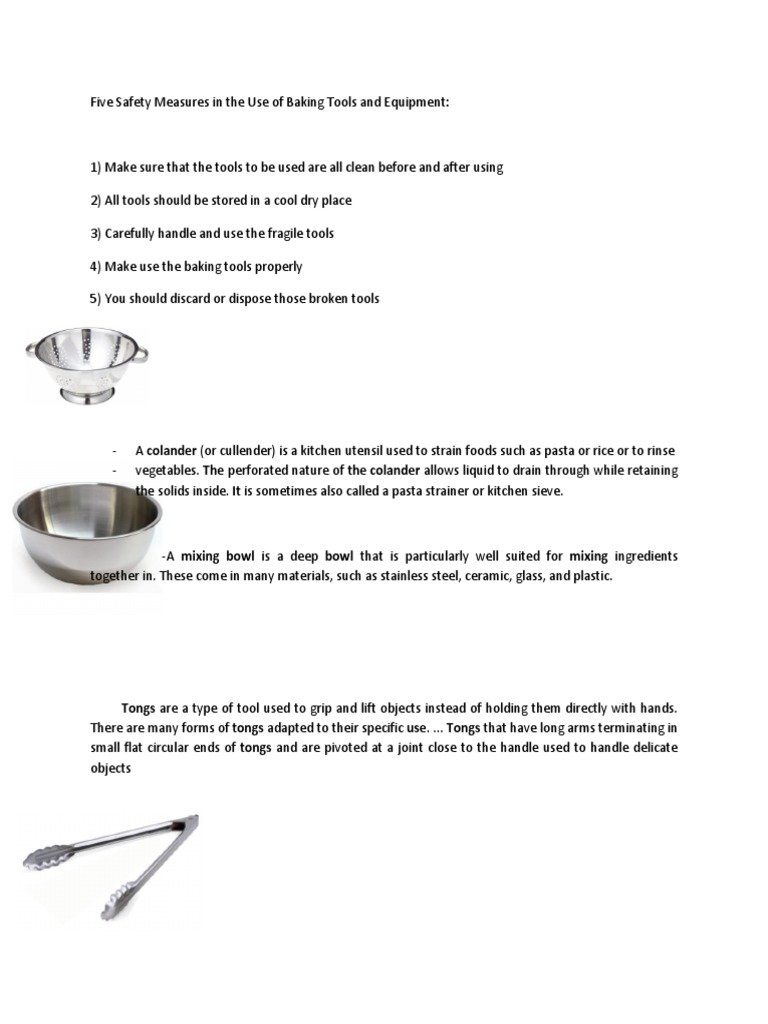
Credit: www.scribd.com
Expert Advice
Keep baking tools clean and dry to prevent rust. Store equipment in a cool, dry place to extend life. Regular checks and maintenance ensure optimal performance and safety.
Maintaining your baking tools and equipment is crucial for achieving the best results in your culinary adventures. Imagine creating a beautifully baked cake only to find uneven layers due to a warped pan. Expert advice can guide you in preserving the longevity and functionality of your baking arsenal. Let’s dive into some essential tips that can transform your baking experience.Choosing Quality Tools
Investing in high-quality baking tools is a game-changer. Have you ever noticed how a sturdy rolling pin glides effortlessly over dough, compared to a flimsy one that sticks and stutters? Quality tools not only enhance performance but also last longer, saving you money in the long run. Look for reputable brands known for durability. Stainless steel, for instance, is a great material for mixing bowls and measuring cups due to its resistance to rust. Non-stick coatings should be PFOA-free for safe baking. When in doubt, read reviews and seek recommendations from experienced bakers.When To Replace Equipment
Knowing when to replace your tools can be tricky. Are your muffin tins starting to look like a relic from an ancient kitchen? Scratches, rust, or peeling layers are clear signs that it’s time for a replacement. Dull knives or warped baking sheets can lead to uneven cuts or bakes. Regular inspection helps you catch these issues early. If your tools are no longer performing as they once did, it’s worth considering an upgrade. Think about the last time you replaced your baking mats or sieves. If you can’t remember, it might be time to reassess. Keep a checklist to ensure you’re not using compromised equipment, which can affect your baking outcomes. Maintaining your baking tools doesn’t have to be a daunting task. With a little attention and care, your tools will continue to serve you well, ensuring every bake is as delightful as the last. How do you ensure your baking tools are always in top shape?
Credit: www.youtube.com
Frequently Asked Questions
How Do We Maintain Baking Tools And Equipment?
Clean baking tools with warm soapy water after use. Dry them thoroughly to prevent rust. Store in a dry place. Regularly check for damage and replace as needed. Ensure electric equipment is unplugged before cleaning. Follow manufacturer’s maintenance guidelines for longevity.
How Do You Maintain Cooking Tools And Equipment?
Clean tools immediately after use with warm, soapy water. Dry them thoroughly to prevent rust. Regularly sharpen knives for efficiency. Store equipment in a dry, safe place to maintain longevity. Inspect tools periodically for wear and replace if necessary.
How Would You Maintain Tools And Equipment?
Clean tools after use. Regularly inspect for damage. Store in a dry, organized space. Oil moving parts to prevent rust. Follow manufacturer guidelines for maintenance.
How To Preventive Maintenance Of Tools And Equipment?
Perform regular inspections and clean tools after each use. Lubricate moving parts and replace worn-out components. Store tools in a dry, organized space. Follow manufacturer’s guidelines for maintenance schedules. Document all maintenance activities for future reference.
Conclusion
Proper care keeps baking tools effective and long-lasting. Clean them after each use. Store in a dry place to prevent rust. Regular maintenance ensures quality baking results. Simple actions help preserve your equipment. Invest time in upkeep, not replacements. Check for damage to avoid future issues.
Keep tools organized for easy access. Follow manufacturer guidelines for best practices. Happy baking depends on well-maintained tools. Stay committed to caring for your equipment. Enjoy baking with confidence and creativity. A little effort makes a big difference. Keep your kitchen ready for delightful creations.

I’m Abby Lu, a passionate home cook who loves simplifying everyday meals. At PlugChef.com, I share product reviews and cooking guides to help you find the best tools for your kitchen.
Related posts:
 What Type of Cooking Utensils are Safe: Expert Picks
 What Innovations Could Blenders Make: Unleashing Future Tech
 Smart Strategies to Organize a Small Kitchen: Maximize Space
 How to Organize a Kitchen Cabinet: Expert Tips & Tricks
 How to Organize Kitchen Drawers: Expert Tips and Tricks
 How to Organize a Corner Kitchen Cupboard: Expert Tips

