
Have you ever wondered what happens when you mix ginger ale and red wine? It might sound unusual, but this combination holds surprising flavors that could change the way you enjoy your drinks.
If you’re looking to try something new and refreshing, understanding how these two ingredients work together can open up exciting possibilities. Keep reading, and you’ll discover why ginger ale and red wine might just become your next favorite mix.
Origins Of Ginger Ale And Red Wine
Understanding the origins of ginger ale and red wine gives you a deeper appreciation for these beloved drinks. Both have rich histories that reflect cultural shifts and evolving tastes. Knowing where they come from can change how you enjoy them today.
History Of Ginger Ale
Ginger ale began as a medicinal tonic in the 19th century, created to soothe upset stomachs. It was originally a homemade mixture of ginger, sugar, and water, fermented to add natural fizz.
One surprising fact is that the original ginger ale was much stronger and spicier than the sweet soda you find now. Canadian ginger ale, developed later, introduced a milder, sweeter style that became popular worldwide.
Think about the last time you sipped ginger ale—it’s not just a refreshing drink but a product of centuries of experimentation and adaptation. How might knowing this history change the way you serve or pair ginger ale?
Evolution Of Red Wine
Red wine’s roots reach back thousands of years, with evidence of winemaking in ancient civilizations like Mesopotamia and Egypt. Early winemakers relied heavily on natural fermentation and local grape varieties.
Over time, winemaking techniques evolved through trial, error, and cultural exchange, leading to the diverse styles you see today—from robust Cabernet Sauvignons to delicate Pinot Noirs.
What’s fascinating is how winemaking adapted to climate, soil, and technology, making every bottle a reflection of its origin. Next time you enjoy red wine, consider the long journey from vineyard to glass and how each step shapes the flavor you savor.
Flavor Profiles Explained
Exploring the flavor profiles of ginger ale and red wine is fascinating. Each offers a distinct taste experience. Understanding these profiles can deepen your appreciation of both beverages. Let’s delve into what makes each drink unique.
Taste Characteristics Of Ginger Ale
Ginger ale is known for its refreshing, spicy flavor. The primary taste is ginger, which brings a warm and zesty note. It’s often sweet, with a hint of citrus. This balances the spice, making it light and crisp. Some versions have a subtle herbal undertone. This adds complexity to the taste. Ginger ale’s effervescence adds a lively, bubbly texture. This makes it a perfect mixer or standalone drink.
Notes In Red Wine
Red wine offers a rich tapestry of flavors. It often starts with a fruity base, like berries or plums. This sweetness is balanced by tannins, adding dryness and depth. You might notice notes of oak, vanilla, or chocolate. These come from aging in barrels. Earthy undertones, like leather or tobacco, add sophistication. Each sip reveals new layers, inviting deeper exploration. The finish is smooth, lingering on the palate.
Why Combine Ginger Ale And Red Wine
Combining ginger ale and red wine might sound unusual at first. Yet, this mix offers a unique way to enjoy your drink with a fresh twist. You might wonder why anyone would blend a sweet soda with a rich wine. The answer lies in how their flavors interact and create something exciting for your taste buds.
Complementary Flavors
Ginger ale brings a crisp, spicy sweetness that cuts through the deep, fruity notes of red wine. This contrast helps soften the wine’s tannins, making it smoother and easier to sip. If you’ve ever found red wine a bit heavy or dry, adding ginger ale can balance that out perfectly.
Think about the zing of ginger ale as a bright spark that wakes up the wine’s dark cherry and berry flavors. This pairing works especially well with lighter reds like Pinot Noir or Merlot, where the soda highlights subtle tastes without overpowering them.
Creating Bold Taste Experiences
Mixing ginger ale with red wine isn’t just about mellowing flavors—it’s about crafting something new. You’re creating a drink that’s both refreshing and bold, ideal for casual gatherings or a relaxed evening at home.
Have you tried a wine spritzer before? Adding ginger ale is a twist on that idea, offering a sharper, spicier kick. This combo invites you to experiment with proportions—try more ginger ale for a lighter drink or less for a stronger wine flavor.
Next time you’re looking for a simple way to change up your wine routine, reach for ginger ale. You might just find a new favorite that surprises you every time.

Credit: mybartender.com
Popular Recipes And Mixes
Ginger ale and red wine create a unique flavor blend that many enjoy. Mixing these two offers a refreshing twist on classic drinks. Several recipes highlight their balance of spice and fruitiness. These mixes suit casual gatherings and special occasions alike.
Below are popular recipes that showcase the harmony between ginger ale’s fizz and red wine’s depth. Each recipe is simple and easy to prepare at home.
Classic Ginger Ale And Red Wine Cocktail
This cocktail combines red wine’s rich taste with ginger ale’s crispness. It’s a simple, refreshing drink perfect for warm days.
- Fill a glass with ice cubes.
- Pour 3 parts red wine over the ice.
- Add 1 part ginger ale slowly to keep the fizz.
- Stir gently to mix flavors.
- Garnish with a slice of lime or orange.
The result is a light, bubbly drink with a hint of spice and fruit. It’s easy to adjust proportions to taste.
Twists On The Traditional Mix
Try adding fresh ingredients or other spirits to create new flavors. These twists bring more excitement to the classic combo.
- Spiced Ginger Red Wine:Add a cinnamon stick and a few cloves while mixing.
- Berry Infused:Muddle fresh berries like raspberries or strawberries in the glass before adding liquids.
- Citrus Zest:Add lemon or orange zest for a bright, aromatic touch.
- Herbal Notes:Drop in a sprig of mint or rosemary to enhance freshness.
- Red Wine Sangria Style:Mix red wine, ginger ale, chopped fruits, and a splash of brandy.
These variations keep the base simple but introduce vibrant new tastes. They invite creativity while maintaining the easygoing spirit of ginger ale and red wine.
Pairing Tips For Bold Flavors
Bold flavors demand careful pairing to create a balanced taste experience. Combining ginger ale and red wine can be delightful with the right choices. Both offer strong, distinctive tastes that can either clash or complement each other.
Understanding how to pair these bold flavors enhances your drink’s depth. Pay attention to the wine’s body and the ginger ale’s spice level. The goal is harmony—each element should highlight the other.
Choosing The Right Red Wine
Pick red wines with rich but smooth profiles. Medium-bodied wines like Merlot or Zinfandel work well. They have fruitiness that can balance the spice of ginger ale.
Avoid overly tannic wines. Heavy tannins may create bitterness when mixed with ginger ale. Wines with ripe berry flavors bring a nice contrast.
- Merlot: Soft and fruity, pairs nicely with ginger ale’s sweetness.
- Zinfandel: Bold and spicy, complements ginger’s kick.
- Pinot Noir: Light and smooth, adds subtle complexity.
Selecting The Best Ginger Ale
Choose ginger ales that are not too sweet. Look for brands with a strong ginger flavor and subtle carbonation. This balances the wine’s fruitiness without overpowering it.
Natural ginger ales with real ginger root provide better flavor depth. Avoid overly sugary or artificially flavored options. The spice should be clear and fresh.
- Check for a crisp, clean finish.
- Prefer ginger ales with moderate carbonation.
- Look for natural ingredients on the label.

Credit: feastandwest.com
Health Benefits And Considerations
Ginger ale and red wine each have unique health effects. Understanding these can help you make better choices. Both drinks contain natural compounds that may impact your well-being. It is important to balance benefits with safe consumption habits.
Potential Benefits Of Ginger
Ginger contains antioxidants and anti-inflammatory compounds. These may help reduce nausea and soothe upset stomachs. Drinking ginger ale can support digestion and ease motion sickness. Some studies suggest ginger may improve blood circulation. It also might help reduce muscle pain after exercise.
Moderation With Alcohol
Red wine has antioxidants called polyphenols that support heart health. Drinking small amounts may help increase good cholesterol. Excessive alcohol intake can harm the liver and brain. It raises the risk of addiction and other health problems. Moderate drinking means no more than one glass per day for women and two for men. Always consider personal health and medication interactions before drinking.
Occasions To Enjoy The Mix
The mix of ginger ale and red wine offers a unique taste that fits many moments. This blend is light, bubbly, and adds a sweet twist to the deep flavors of red wine. It refreshes the palate and lifts the mood. Let’s explore the best occasions to enjoy this delightful combination.
Casual Gatherings
Perfect for relaxed afternoons or evening chats with friends. The mix keeps the mood easy and fun. It pairs well with simple snacks like cheese and crackers. The fizz from ginger ale makes the wine feel less heavy. It works great for backyard barbecues or a casual dinner at home.
- Weekend hangouts
- Picnics in the park
- Game nights with friends
- Watching movies or sports
Special Celebrations
The ginger ale and red wine mix can also shine at special events. It adds a festive touch without being too strong. Serve it at birthdays or holiday dinners for a fresh alternative to plain wine. Its sweet bubbles create a joyful and lively vibe. Guests enjoy the surprising yet familiar taste.
- Birthday parties
- Holiday feasts
- Anniversary dinners
- Festive toasts and gatherings
Common Mistakes To Avoid
Mixing ginger ale and red wine might sound simple, but there are some common mistakes that can ruin the experience. Avoiding these pitfalls will help you enjoy a perfectly balanced drink every time. Let’s look at what to watch out for.
Overpowering Flavors
One big mistake is letting the ginger ale overpower the red wine. Ginger ale is sweet and bubbly, and if you add too much, it can drown out the wine’s rich flavors. On the other hand, too little ginger ale can make the drink taste too strong or bitter.
Think about the kind of red wine you’re using. A light-bodied wine like Pinot Noir needs less ginger ale compared to a heavier wine like Cabernet Sauvignon. Have you tried adjusting the ratio until you find your perfect balance? It makes a huge difference.
Improper Mixing Techniques
How you mix your ginger ale and red wine matters more than you might expect. Pouring everything in one go can cause the carbonation to disappear quickly, leaving you with a flat drink. Gentle stirring is key to keep that refreshing fizz alive.
Also, chilling both ingredients before mixing helps maintain the right temperature and flavor. I once mixed room temperature wine with cold ginger ale and ended up with a lukewarm, bland drink. Don’t let that happen to you—keep everything cool before combining.
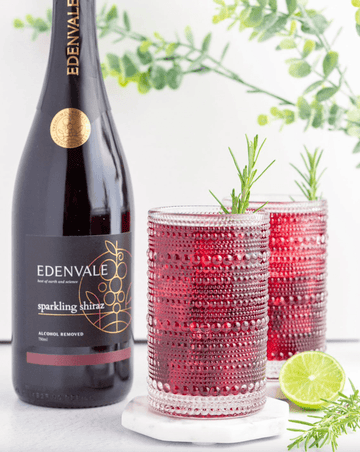
Credit: sansdrinks.com.au
Frequently Asked Questions
What Happens When You Mix Ginger Ale And Red Wine?
Mixing ginger ale with red wine creates a refreshing, slightly sweet cocktail. The ginger ale adds fizz and spice, balancing red wine’s bold flavors. This combination is popular for casual gatherings and offers a unique twist on traditional wine servings.
Can Ginger Ale Improve Red Wine’s Taste?
Yes, ginger ale can enhance red wine’s taste by adding subtle sweetness and effervescence. It softens the tannins and creates a lighter, more approachable drink. This mix is ideal for those who find red wine too strong or dry.
Is Ginger Ale And Red Wine A Popular Drink?
Ginger ale and red wine is gaining popularity as a simple, flavorful cocktail. Its easy preparation and pleasant taste appeal to casual drinkers. It’s often enjoyed at parties or as a refreshing alternative to straight wine.
Are There Health Benefits Mixing Ginger Ale With Red Wine?
Combining ginger ale and red wine may offer mild benefits like improved digestion from ginger. However, alcohol’s effects outweigh benefits, so moderation is important. This mix isn’t a health drink but a tasty beverage choice.
Conclusion
Ginger ale and red wine make an interesting mix to try. Their flavors blend in a way that some people enjoy. This combination can be a fun twist for your drinks. Always taste carefully to find the right balance. Keep in mind, personal preferences vary a lot.
Experiment with small amounts before making a full glass. This mix may surprise you or become a new favorite. Exploring flavors helps make drinking more enjoyable and fresh. Give it a chance, and see what you think.

Hi, I’m Daniel Brooks—a food lover and kitchen gear enthusiast. I enjoy testing cookware, utensils, and gadgets to see what really works in everyday cooking. At PlugChef.com, I share honest reviews, comparisons, and simple guides to help you choose the best tools for a safer, smarter, and more enjoyable kitchen.
Related posts:
 What Type of Cooking Utensils are Safe: Expert Picks
 What Innovations Could Blenders Make: Unleashing Future Tech
 Smart Strategies to Organize a Small Kitchen: Maximize Space
 How to Organize a Kitchen Cabinet: Expert Tips & Tricks
 How to Organize Kitchen Drawers: Expert Tips and Tricks
 How to Organize a Corner Kitchen Cupboard: Expert Tips

