
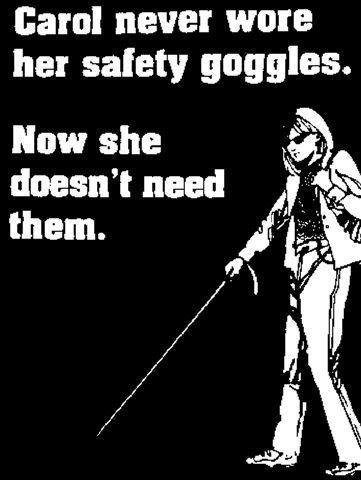
Imagine this: Carol didn’t wear her safety goggles while working on a project. It might seem like a small thing, but that one choice changed everything.
You might think, “It won’t happen to me,” but what if it does? Your eyes are fragile, and one moment without protection can lead to serious injury. You’ll discover why wearing safety goggles is not just a rule—it’s a lifeline.
Keep reading to learn how a simple habit can save your sight and keep you safe every day.

Carol’s Neglected Safety Gear
Carol ignored her safety goggles during the task. This small choice put her at big risk. Safety gear protects eyes from flying debris and harmful chemicals. Without it, accidents happen quickly and cause serious injuries.
The Importance Of Safety Goggles
Safety goggles shield eyes from dust, sparks, and liquids. They create a barrier against unexpected hazards. Wearing goggles reduces eye injuries by a large margin. They fit securely and cover the entire eye area. Goggles also prevent long-term damage from repeated exposure. Protecting your eyes is essential in any risky environment.
Common Hazards Without Protection
- Flying particles from cutting or grinding
- Splashes of chemicals or hot liquids
- Dust and dirt entering the eyes
- Exposure to harmful UV or bright light
- Unexpected impacts from tools or objects
Ignoring goggles puts eyes in direct danger. Injuries can cause pain, vision loss, or infections. Simple protection prevents these common accidents. Carol’s story shows why safety goggles matter every time.

Credit: www.reddit.com
The Incident Unfolds
The incident involving Carol not wearing her safety goggles was a stark reminder of the importance of personal protective equipment (PPE) in the workplace. As the events unfolded, it highlighted how a split-second decision can have lasting consequences. Carol’s experience serves as an eye-opener for everyone, emphasizing why safety protocols are not just rules but essential practices that safeguard our well-being.
What Happened To Carol
Carol was performing a routine task in the lab, a place she was quite familiar with. She decided to skip wearing her safety goggles, thinking it was just a quick check. Unfortunately, a chemical splash caught her off guard, resulting in immediate discomfort and potential harm to her eyes.
Immediate Reactions And Response
The moment the incident occurred, colleagues nearby sprang into action. They quickly assisted Carol, leading her to the emergency eyewash station. The swift response highlighted the importance of teamwork and being prepared for unexpected situations.
As you read Carol’s story, consider your approach to safety. Are you taking shortcuts in your daily tasks? Remember, PPE might seem trivial until the moment you need it most.
Injuries And Medical Impact
Not wearing safety goggles can lead to serious eye injuries. Eyes are delicate and exposed to many risks in workplaces or labs. Carol’s case shows how quickly accidents happen and how severe the damage can be.
Eye injuries affect vision and daily life. Immediate medical attention is crucial to avoid long-term problems.
Types Of Eye Injuries Sustained
- Corneal abrasions – scratches on the clear front surface of the eye
- Foreign objects – dust, metal shards, or chemicals entering the eye
- Chemical burns – caused by splashes of harmful substances
- Blunt trauma – impact injuries leading to swelling or bruising
- Penetrating injuries – deep cuts or punctures in the eye tissue
Treatment And Recovery Process
Doctors first examine the eye carefully to assess the injury. Treatment depends on the type and severity of the damage.
- Washing out foreign particles with saline solution
- Applying antibiotic drops to prevent infection
- Using pain relief medication for discomfort
- Covering the eye with a patch to protect it
- Surgery in severe cases to repair damaged tissues
Recovery time varies. Minor injuries heal in days. Serious injuries may take weeks or months. Follow-up visits ensure proper healing and prevent complications.
Workplace Safety Lessons
Carol’s choice to skip wearing her safety goggles offers a clear lesson on the importance of personal responsibility in workplace safety. Accidents often happen when small safety steps are overlooked. Understanding how to prevent these incidents can save you from serious harm and costly downtime.
Preventing Similar Accidents
Accidents like Carol’s can be avoided by consistently using the right protective gear. Safety goggles protect your eyes from flying debris, chemicals, and sparks—risks common in many work environments.
Ask yourself: Are you always prepared with the necessary equipment before starting a task? If not, what’s stopping you from making it a habit? Remember, skipping just one safety measure can lead to injury.
- Keep your safety gear accessible and in good condition.
- Double-check your equipment before beginning any work.
- Encourage your coworkers to do the same to create a safer environment for all.
Role Of Safety Training And Enforcement
Proper safety training builds awareness and teaches you how to handle tools and hazards correctly. It’s not enough to just know the rules—you need to understand why they matter.
Enforcement ensures these safety practices are followed daily. Without accountability, even the best training can fail to prevent accidents.
| Training Aspect | Enforcement Action | Impact on Safety |
|---|---|---|
| Hands-on equipment use | Regular safety audits | Reduces misuse and accidents |
| Hazard recognition | Clear consequences for violations | Improves hazard awareness |
| Emergency procedures | Frequent drills and refresher courses | Enhances response time and confidence |
How often does your workplace revisit safety training? Are safety rules enforced consistently or only when convenient? Reflect on these questions and consider how they affect your daily safety.
Legal And Financial Consequences
Ignoring safety gear like goggles may seem minor, but the legal and financial consequences can be severe. Carol’s choice not to wear her safety goggles didn’t just risk her eyesight—it opened the door to significant liability issues and costly penalties. Understanding these consequences helps you protect yourself and your workplace from avoidable trouble.
Liability And Workplace Regulations
Workplaces have clear regulations requiring personal protective equipment (PPE) like safety goggles. If you skip wearing them, you might be breaking the law. This can lead to legal action against both you and your employer.
Employers must enforce safety rules. Failure to do so can result in fines and lawsuits. Employees who ignore PPE rules risk disciplinary action or even termination.
Think about this: if an injury happens because you didn’t wear goggles, who is responsible? The answer often lies in liability laws that hold workers and companies accountable for safety breaches.
Costs Of Ignoring Safety Protocols
The financial impact goes beyond fines. Injuries from not wearing safety gear can lead to expensive medical bills and lost income. Your employer may also face increased insurance premiums and compensation claims.
Consider the ripple effect—productivity drops when injured workers can’t perform their tasks. Replacing or training new staff adds to the costs. All these expenses could have been avoided by simply wearing the right safety equipment.
Ask yourself: is skipping safety goggles worth the potential financial burden? Taking a small step to protect yourself can save you and your workplace from major headaches and expenses.
Personal Stories And Testimonials
Personal stories and testimonials bring real-life lessons to safety topics. They show how small choices can lead to big consequences. Hearing from those involved helps us understand the risks better. These accounts highlight the importance of wearing safety gear every time.
Carol’s Experience
Carol ignored the rule to wear safety goggles. She thought one time wouldn’t hurt. During a task, debris flew into her eye. The pain was sharp and sudden. She had to stop working immediately. Carol’s vision blurred for several hours. The injury required medical treatment and rest. This incident changed how she viewed safety rules. Now, Carol never skips wearing her goggles. She shares her story to warn others.
Colleagues’ Perspectives
Carol’s coworkers noticed the accident right away. Many felt worried for her well-being. They said the injury was a clear warning. Colleagues stressed the importance of safety gear. Some admitted they sometimes forget their goggles too. Carol’s story reminded them to be careful. They now support strict safety checks. Everyone agrees that safety goggles save eyes from harm.
Boosting Safety Culture
Building a strong safety culture is vital in any environment. It helps protect everyone from injuries and accidents. Safety is not just about rules but about habits and mindset. When people care about safety, they follow guidelines and use protective gear consistently. This reduces risks and creates a safer place for all.
Encouraging Proper Gear Use
Proper gear use starts with clear communication. Teach why safety goggles and other equipment matter. Share real stories of accidents to show risks. Make safety gear easy to find and comfortable to wear. Praise and reward those who follow safety rules. Create reminders and signs near work areas. Involve everyone in safety talks and training sessions.
Innovations In Protective Equipment
New designs make protective gear lighter and more comfortable. Anti-fog lenses keep vision clear for longer periods. Adjustable straps improve fit for different head sizes. Some goggles now include ventilation to reduce sweat. Materials have improved to block more hazards. These innovations help people wear gear without complaints. Better equipment leads to better safety habits.

Credit: www.facebook.com
Frequently Asked Questions
Why Didn’t Carol Wear Her Safety Goggles?
Carol may have underestimated the risks or found goggles uncomfortable. Sometimes, people skip safety gear due to carelessness or lack of awareness.
What Are The Risks Of Not Wearing Safety Goggles?
Not wearing safety goggles can lead to eye injuries, chemical splashes, or debris entering the eyes. This can cause temporary or permanent vision damage.
How Can Safety Goggles Protect Workers Like Carol?
Safety goggles shield eyes from harmful substances, flying particles, and intense light. They provide a barrier that reduces the chance of eye injuries.
What Should Employers Do To Ensure Safety Gear Usage?
Employers must provide proper safety equipment, enforce usage rules, and educate workers on risks. Regular training increases compliance and reduces accidents.
Conclusion
Carol not wearing safety goggles shows a clear risk. Eyes can get hurt in many ways. Safety goggles protect from dust, sparks, and chemicals. Wearing them is simple but very important. Everyone should always use eye protection during work or experiments.
Small care can stop big accidents. Stay safe. Protect your eyes every time. Safety is never a choice, but a must.

Hi, I’m Daniel Brooks—a food lover and kitchen gear enthusiast. I enjoy testing cookware, utensils, and gadgets to see what really works in everyday cooking. At PlugChef.com, I share honest reviews, comparisons, and simple guides to help you choose the best tools for a safer, smarter, and more enjoyable kitchen.
Related posts:
 What Type of Cooking Utensils are Safe: Expert Picks
 What Innovations Could Blenders Make: Unleashing Future Tech
 Smart Strategies to Organize a Small Kitchen: Maximize Space
 How to Organize a Kitchen Cabinet: Expert Tips & Tricks
 How to Organize Kitchen Drawers: Expert Tips and Tricks
 How to Organize a Corner Kitchen Cupboard: Expert Tips

