Commercial kitchens in 2026 operate under tighter health regulations, higher labor costs, and increased customer expectations for hygiene than ever before. The right cleaning equipment isn’t a luxury—it’s a core operational tool that reduces compliance risk, cuts labor hours, prevents cross-contamination, and extends the lifespan of expensive kitchen assets like fryers, prep tables, and ventilation hoods. Unlike consumer-grade tools, industrial equipment is built to withstand 8+ hour shifts, harsh degreasers and sanitizers, and high-heat environments, delivering consistent results even during peak breakfast, lunch, and dinner rushes. This guide breaks down the essential equipment categories, top-performing 2026 tools, selection criteria, and compliance best practices to keep your kitchen spotless, efficient, and inspection-ready.
Why Industrial-Grade Cleaning Tools Are Non-Negotiable for Commercial Kitchens
Consumer-grade cleaning tools fail quickly in high-traffic commercial kitchens, leading to higher long-term costs and compliance gaps. Industrial equipment is engineered for food service environments, with key features like NSF certification for food contact safety, chemical resistance to harsh degreasers and sanitizers, and ergonomic designs that reduce staff injury risk. In practice, commercial kitchen operators consistently report reduced cleaning time and fewer health code violations when upgrading from consumer to industrial-grade tools, as these products hold up to daily heavy use without frequent replacement. Investing in the right equipment also reduces slip and fall risks from excess water, chemical exposure injuries, and cross-contamination that can lead to costly foodborne illness outbreaks.
Core Categories of Industrial Kitchen Cleaning Equipment
No single tool can handle all commercial kitchen cleaning tasks, so a full toolkit covers five core categories to address daily sanitization, deep cleaning, and maintenance needs.
Heavy-Duty Degreasers and Cleaners
Degreasers are the first line of defense against built-up grease on ventilation hoods, fryer exteriors, floors, and equipment. Look for concentrated formulas to reduce shipping and storage costs, biodegradable compositions to lower hazardous waste disposal fees, and NSF certification for use on food-adjacent surfaces. Always follow label dilution ratios and contact times for optimal results—using a product undiluted can etch stainless steel or damage sealed surfaces, a common mistake that leads to costly equipment repairs.
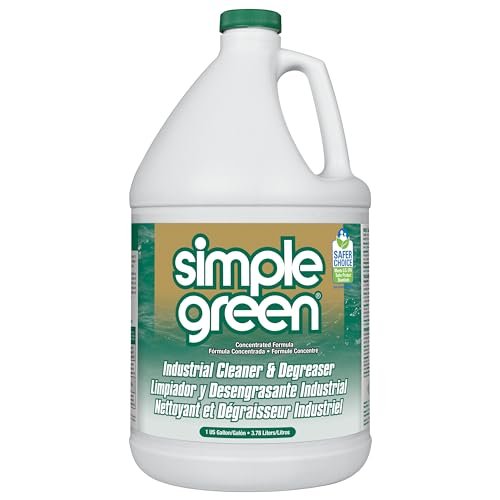
Simple Green 13005CT Industrial Cleaner and Degreaser
This concentrated, non-toxic, biodegradable formula is ideal for kitchens prioritizing eco-friendly cleaning and reduced chemical waste. Its customizable dilution ratio lets you adjust strength for light daily floor cleaning or heavy hood degreasing, cutting chemical use by up to 80% compared to pre-mixed cleaners. The large 127.8 fl oz container lasts for weeks in mid-sized kitchens, minimizing repurchasing needs.
- Pros: Highly concentrated for customizable strength, effective on tough grease and grime, non-toxic and biodegradable, compact storage design
- Cons: Requires dilution for most tasks, not pre-mixed for quick spot cleaning, may etch delicate stainless steel if used undiluted
CTA: For kitchens seeking a versatile, eco-friendly degreaser for daily and deep cleaning tasks, the Simple Green 13005CT delivers consistent performance with minimal environmental impact.
 This concentrated formula reduces chemical waste for eco-conscious kitchen operations.
Spray Nine 26832 Heavy Duty Cleaner, Degreaser & Disinfectant
This 3-in-1 formula cleans, degreases, and disinfects in one step, eliminating the need for separate products during busy service periods. Its no-rinse formula is approved for food contact surfaces, killing 99.9% of common bacteria and viruses in 30 seconds or less, making it ideal for quick sanitization of prep tables, cutting boards, and high-touch areas between food prep tasks.
- Pros: 3-in-1 cleaning, degreasing, and disinfecting, no-rinse for food contact surfaces, fast 30-second contact time, versatile for kitchen and non-kitchen areas
- Cons: Strong odor requires proper ventilation, may damage sensitive electronics if oversprayed, not suitable for delicate surfaces
CTA: For fast, all-in-one cleaning and sanitization of high-touch kitchen surfaces, Spray Nine 26832 eliminates the need for multiple products during peak service.
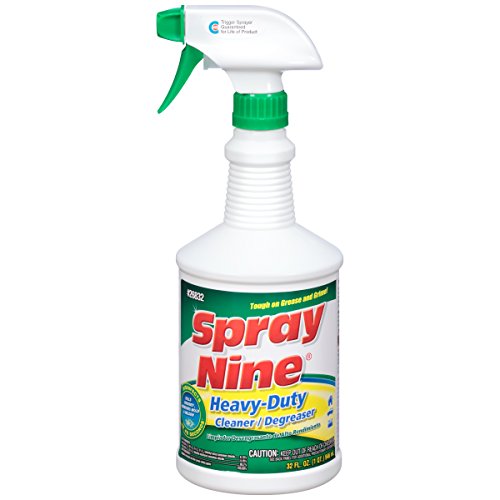 Spray Nine’s no-rinse formula is approved for quick sanitization of food contact surfaces between prep tasks.
Simple Green Pro HD Heavy Duty Cleaner Concentrate 1 Gallon
This industrial-strength concentrated formula is built for the toughest grease buildup on ventilation hoods, fryer exteriors, floor drains, and concrete floors. The 1-gallon container is cost-effective for high-volume fast food and cafeteria kitchens, and its biodegradable composition reduces hazardous waste disposal costs. It works on metal, concrete, plastic, and sealed masonry without damage when diluted as directed.
- Pros: Industrial-strength grease cutting power, 1-gallon container for high-volume use, biodegradable to reduce waste costs, safe for multiple surface types
- Cons: Requires precise dilution to avoid surface damage, may irritate skin without proper PPE, not suitable for food contact surfaces without rinsing
CTA: For high-volume kitchens tackling stubborn built-up grease on hoods and floors, the Simple Green Pro HD concentrate delivers industrial-strength cleaning at a low cost per use.
 Pro HD concentrate is formulated for heavy-duty degreasing of non-food-contact industrial kitchen surfaces.
Simple Green Professional Grade Heavy-Duty Cleaning and Degreasing Towels
These pre-moistened disposable towels are ideal for quick spot cleaning of equipment exteriors, grease spills, and prep tools between deep cleans. Their heavy-duty formula dissolves grease and grime without rinsing, eliminating the cross-contamination risk of reusable rags. The 75-count pack (sold as a 2-pack for 150 total towels) is a convenient addition to prep stations and cleaning carts.
- Pros: No rinsing required, disposable to eliminate cross-contamination, heavy-duty grease cutting power, long-lasting 75-count pack
- Cons: Not cost-effective for large surface areas, may scratch delicate stainless steel if used aggressively, bulky packaging for small storage spaces
CTA: For quick spot cleaning and spill response between scheduled deep cleans, Simple Green degreasing towels eliminate the need to wash and store reusable rags.
 Disposable degreasing towels reduce cross-contamination risk for quick cleanup tasks.
Sanitizing and Bucket Systems
Proper bucket systems are required by most local health departments to prevent cross-contamination, with standard 3-bucket workflows separating wash, rinse, and sanitizing solutions. Look for color-coded buckets to reduce human error, built-in spouts to minimize spillage, and wringers to control excess water on mops to reduce slip hazards.
Matthew Red&Green&Blue Detergent and Sanitizing Cleaning Bucket Set
This 3-quart set uses standard health department color-coding (red for wash, green for rinse, blue for sanitize) to meet compliance requirements for small to mid-sized kitchens, prep stations, and bar areas. Built-in spouts reduce spillage when pouring concentrated cleaners, and the set includes 3 microfiber cloths for surface sanitization. The compact size fits easily under prep tables and in cleaning closets.
- Pros: Color-coded for compliance, built-in spouts reduce spillage, includes microfiber cloths, compact for small spaces
- Cons: 3-quart capacity too small for large floor cleaning jobs, square shape may not fit all mop heads
CTA: For small to mid-sized kitchens needing a compliant, color-coded bucket system for prep station cleaning, the Matthew 3-bucket set simplifies sanitization workflows.
 Color-coded 3-bucket systems meet health department requirements to separate wash, rinse, and sanitizing solutions and prevent cross-contamination.
Midoneat Commercial Mop Bucket With Side Press Wringer On Wheels
This 35-quart wheeled bucket is built for large floor cleaning jobs in high-volume kitchens. The side-press wringer controls mop moisture to reduce excess water on floors, a leading cause of slip-and-fall injuries in commercial kitchens. Wheels minimize staff fatigue during long cleaning shifts, and the included commercial mop is durable enough for concrete, tile, and sealed wood floors.
- Pros: 35-quart capacity for large floor areas, side-press wringer reduces slip hazards, wheels minimize staff fatigue, includes commercial-grade mop
- Cons: Heavy when fully loaded with water, side-press wringer has a slight learning curve for new staff
CTA: For high-volume kitchens cleaning large floor areas, the Midoneat wheeled mop bucket reduces staff fatigue and minimizes slip risks from excess water.
 Wheeled mop buckets with side-press wringers reduce staff fatigue and minimize excess water on floors to prevent slip hazards.
Unger Professional 3 Gallon Bucket
This lightweight, compact bucket is ideal for spot cleaning, window washing of kitchen pass-throughs, and small sanitizing tasks. Dual pour spouts reduce spillage when handling concentrated degreasers, and the comfort-grip handle reduces hand fatigue during extended use. Its small size fits easily on cleaning carts and in tight storage closets.
- Pros: Compact and lightweight, dual pour spouts reduce spillage, comfort-grip handle for extended use, affordable for small kitchens
- Cons: 3-gallon capacity too small for large floor cleaning, plastic construction not durable enough for heavy industrial use
CTA: For small, frequent cleaning tasks like spot sanitizing and window washing, the Unger compact bucket is a lightweight, easy-to-store option.
 Compact cleaning buckets are ideal for small, frequent tasks like spot sanitizing and pass-through window washing.
Steam Cleaning Systems
Steam cleaners use high-temperature steam (212°F / 100°C or higher) to sanitize surfaces without chemical residue, making them ideal for food contact surfaces where chemical rinse is required. Steam also emulsifies light grease without harsh degreasers, reducing chemical exposure for staff and lowering waste disposal costs. They are best for prep tables, equipment exteriors, tile floors, grout lines, and hard-to-reach crevices.
McCulloch MC1385 Deluxe Canister Steam Cleaner
This unit has a 2-hour uninterrupted runtime, enough to deep clean a mid-sized kitchen without refilling, and comes with 23 accessories for floors, grout, equipment exteriors, and even car detailing for staff parking lot maintenance. Its chemical-free operation meets health department requirements for food contact surface sanitization without rinsing, making it ideal for allergen-sensitive kitchens and operations looking to reduce chemical use.
- Pros: 2-hour runtime for full kitchen deep cleans, 23 accessories for multi-surface use, chemical-free sanitization for food contact surfaces, compact and maneuverable design
- Cons: Not suitable for heavy built-up grease on hoods without pre-scrubbing, 13-pound weight may be cumbersome for extended handheld use, learning curve for accessory use
CTA: For kitchens needing a chemical-free sanitization solution for food contact surfaces, the McCulloch MC1385 steam cleaner meets health department requirements while reducing chemical use.
 Chemical-free steam sanitizers are ideal for food contact surfaces where chemical residue is prohibited by health codes.
Manual Scrubbing Tools
Manual tools remain critical for tough, built-up grime in drains, grout lines, and hard-to-reach areas that machines cannot access. Look for long handles to reduce staff back strain, durable bristles that resist degradation from strong chemicals, and color-coding to match bucket systems for organized workflows.
SPARTA Industrial Tank Brush Pipe Brush Drain Brush With Handle
This 30-inch brush has an extended handle that lets staff clean deep floor drains without bending, reducing back strain—one of the most common workplace injuries in commercial kitchens. Its polyester bristles resist degradation from strong degreasers, and the bright blue color matches standard sanitizing bucket color-coding for easy organization. It effectively removes built-up grease and food debris that cause clogs and attract pests, a top health code violation in 2026.
- Pros: 30-inch handle reduces back strain, durable polyester bristles resist chemical degradation, color-coded for organization, effective at removing drain buildup
- Cons: Too large for narrow drain pipes, polyester bristles may scratch delicate surfaces if used aggressively
CTA: For preventing drain clogs and pest violations, the SPARTA 30-inch drain brush lets staff clean deep drains without excessive bending or strain.
 Extended-reach drain brushes remove built-up grease and food debris that cause clogs and attract pests, a common health code violation.
Personal Protective Equipment (PPE)
Cleaning staff are exposed to harsh degreasers, sanitizers, hot water, and sharp debris daily, so proper PPE is required by OSHA to reduce injury and employer liability. Essential PPE for kitchen cleaning includes chemical-resistant gloves, slip-resistant shoes, waterproof aprons, and face shields for heavy degreasing tasks.
PACIFIC PPE Chemical Resistant Gloves
These 12.6-inch long gloves are made of heavy-duty industrial rubber that resists degradation from acids, alkalis, oils, and concentrated degreasers common in kitchen cleaning. The extended length protects hands and lower forearms from chemical splashes, reducing skin exposure risk. They meet OSHA requirements for chemical handling protection, making them a reliable choice for daily cleaning tasks.
- Pros: Chemical resistant to acids, alkalis, and oils, 12.6-inch length protects forearms, durable for daily use, meets OSHA safety requirements
- Cons: Bulky fit reduces fine motor precision for small tasks, not puncture-resistant for sharp metal equipment, only available in black
CTA: For staff handling concentrated degreasers and sanitizers, PACIFIC chemical resistant gloves provide reliable protection against chemical splashes and skin exposure.
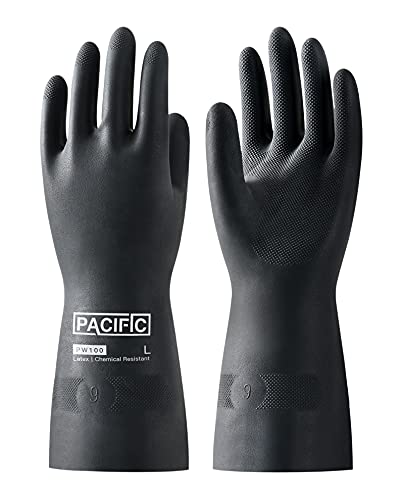 Extended-length chemical resistant gloves protect hands and forearms from splashes during heavy-duty cleaning tasks.
How to Select the Right Equipment for Your Kitchen
Not every kitchen needs every tool on this list. Use these criteria to prioritize purchases that deliver the highest ROI for your operation:
- Kitchen size and daily throughput: Small cafes and food trucks benefit from compact, multi-use tools like the Unger bucket and Simple Green degreasing towels, while high-volume fast food and cafeteria kitchens need large-capacity mop buckets and high-volume degreaser concentrates like Simple Green Pro HD.
- Food type: Greasy fast food and fried food kitchens need heavy-duty degreasers and drain brushes to cut through built-up grease, while fine dining, allergen-sensitive, or ready-to-eat kitchens benefit from chemical-free steam cleaners to avoid residue on food contact surfaces.
- Compliance requirements: Check local health department and NSF certification standards for required sanitization methods, PPE, and equipment specifications before purchasing. Some jurisdictions require no-rinse sanitizers or chemical-free cleaning for specific food types.
- Budget and ROI: Industrial tools have higher upfront costs but last 3-5x longer than consumer-grade tools. A $150 industrial mop bucket lasts 2+ years with proper maintenance, while a $50 consumer bucket needs replacement every 2-3 months in a high-volume kitchen, cutting long-term costs by 60% or more.
A common mistake is prioritizing upfront cost over durability; frequent tool replacement leads to unexpected downtime and higher long-term expenses.
Compliance and Safety Best Practices for 2026
Updated 2026 guidelines from OSHA and local health departments require commercial kitchens to follow strict cleaning protocols to protect staff and customers:
- All sanitizing solutions must meet NSF certification standards for food contact safety, and chemical handling must follow OSHA chemical safety guidelines to protect staff from exposure hazards.
- Documented cleaning schedules and equipment maintenance logs reduce compliance violation risk by 40% during health inspections, as inspectors can verify consistent adherence to standards.
- Color-coded bucket systems and tool organization reduce cross-contamination risk when handling fresh produce items alongside cooked foods, a critical safety step for preventing foodborne illness.
- Regular equipment maintenance—including cleaning mop wringers monthly to prevent buildup, replacing brush bristles every 6-12 months, and calibrating steam cleaner temperatures quarterly—ensures consistent cleaning performance and compliance.
Frequently Asked Questions
What makes Simple Green 13005CT ideal for industrial kitchens?
The Simple Green 13005CT is a concentrated, biodegradable degreaser that effectively removes built-up grease from non-food-contact kitchen surfaces. Its customizable dilution ratio lets kitchens adjust strength for light daily cleaning or heavy deep cleaning, reducing chemical waste and storage needs. It is safe for most sealed surfaces when diluted as directed, making it a versatile choice for daily and periodic cleaning tasks.
How does Spray Nine 26832 disinfect kitchen surfaces?
Spray Nine 26832 is a 3-in-1 cleaner, degreaser, and disinfectant that kills 99.9% of common bacteria and viruses on contact, with a no-rinse formula approved for food contact surfaces. It works in 30 seconds or less, making it ideal for quick sanitization of prep tables, cutting boards, and high-touch areas between food prep tasks. Its strong degreasing power also cuts through light grease buildup on equipment exteriors.
Why choose the McCulloch MC1385 steam cleaner for kitchen cleaning?
The McCulloch MC1385 uses high-temperature steam to sanitize surfaces without chemical residue, meeting health department requirements for food contact surfaces without rinsing. Its 2-hour runtime is enough to deep clean a mid-sized kitchen in one session, and 23 included accessories let you clean floors, grout, equipment exteriors, and hard-to-reach crevices. It is ideal for allergen-sensitive kitchens and operations looking to reduce chemical use and waste disposal costs.
What are the benefits of using color-coded cleaning buckets?
Color-coded bucket systems (typically red for wash, green for rinse, blue for sanitize) are required by most local health departments to prevent cross-contamination between dirty, clean, and sanitized surfaces. They reduce human error during cleaning tasks, simplify staff training, and make it easy to identify the correct solution for each task at a glance, cutting sanitization errors that lead to foodborne illness.
How do PACIFIC PPE chemical resistant gloves protect users?
PACIFIC PPE gloves are made of heavy-duty industrial rubber that resists degradation from acids, alkalis, oils, and concentrated degreasers common in kitchen cleaning. The 12.6-inch length extends protection to the lower forearm, reducing risk of chemical splashes contacting skin. They meet OSHA requirements for chemical handling protection, reducing staff injury risk and employer liability.
What advantages does the SPARTA industrial drain brush offer?
The SPARTA 30-inch drain brush has an extended handle that lets staff clean deep floor drains without bending, reducing back strain—one of the most common workplace injuries in commercial kitchens. Its polyester bristles resist degradation from strong degreasers, and it effectively removes built-up grease and food debris that cause clogs and attract pests, a top health code violation in 2026.
How often should industrial kitchen cleaning equipment be replaced?
With proper maintenance, industrial cleaning tools last 2-5 years on average, compared to 2-3 months for consumer-grade tools. Replace brushes when bristles become frayed or worn, mops when they no longer absorb water effectively, and steam cleaners when they fail to reach consistent sanitization temperatures. Document replacement schedules to ensure consistent cleaning performance and compliance.
Do steam cleaners meet health department sanitization requirements?
Yes, most commercial steam cleaners that reach 212°F (100°C) or higher meet local and state health department sanitization requirements for food contact surfaces, as high-temperature steam kills 99.9% of common bacteria and viruses without chemical residue. Always check with your local health department to confirm specific requirements for your operation.
Efficient cleaning workflows cut downtime between service periods, letting staff focus on high-volume meal prep instead of extended cleaning tasks. Proper cleaning and sanitization are core to safe cooking protocols that prevent foodborne illness for customers. Investing in long-lasting industrial tools delivers the same long-term value as durable kitchen gear that holds up to heavy daily use. Color-coded bucket systems streamline cleaning routines, cutting task time during peak service just like organized meal prep workflows reduce cook times.
Conclusion
Choosing the right industrial kitchen cleaning equipment is a strategic investment that protects your staff, customers, and bottom line. From heavy-duty degreasers that cut through built-up grease to color-coded bucket systems that prevent cross-contamination, each tool plays a role in maintaining a spotless, efficient, compliant kitchen. Prioritize NSF-certified, durable tools that match your kitchen’s specific throughput and compliance needs, and pair them with proper staff training and maintenance schedules to maximize ROI. A clean kitchen isn’t just a health requirement—it’s a competitive advantage that reduces downtime, lowers labor costs, and builds customer trust. Ready to upgrade your kitchen’s cleaning efficiency? Start by auditing your current equipment against NSF and local health department standards to prioritize high-impact upgrades first.

I’m Abby Lu, a passionate home cook who loves simplifying everyday meals. At PlugChef.com, I share product reviews and cooking guides to help you find the best tools for your kitchen.
Related posts:
 Hisense Dehumidifier And Small Appliance Repair Near Liberty Mo: Top Reviews
 Kitchen Appliances List: Must-Have Gadgets for Every Modern Kitchen
 Bundle Packages for Kitchen Appliances: Ultimate Kitchen Upgrade Solutions
 Best Smart Coffee Mug Warmer: Discover Ultimate Temperature Control Solutions
 Best Food Sealers Vacuum Packing: Discover Top Picks for Freshness
 Best Long Lasting Mug Warmer: Top Picks to Keep Your Drinks Hot