
Have you ever checked the expiration date on your fire extinguisher? If not, you might be holding onto a safety tool that no longer works when you need it most.
But what should you do with an expired fire extinguisher? Simply tossing it in the trash isn’t safe or legal. You’ll discover easy, practical steps to dispose of your expired fire extinguisher the right way. Keep reading to protect your home, the environment, and yourself.
Importance Of Proper Disposal
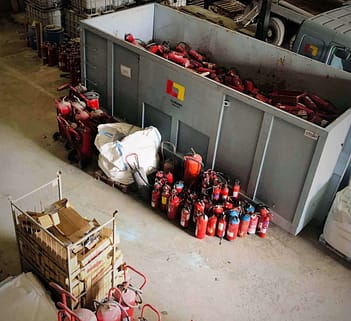
Properly disposing of expired fire extinguishers is more important than many realize. These devices contain materials that can be harmful to both people and the environment if not handled correctly. Ignoring proper disposal can lead to safety hazards and legal issues that could affect you and your community.
Have you ever wondered what happens if an expired extinguisher is thrown in the trash? The pressurized contents may leak or explode, posing serious risks. Proper disposal ensures these dangers are minimized, protecting you and those around you.
Environmental Impact Of Improper Disposal
Expired fire extinguishers often contain chemicals like dry powder or halon, which can damage the environment if released. When disposed of improperly, these substances may contaminate soil and water sources. Your decision to dispose of them properly helps prevent pollution and supports a healthier planet.
Legal And Safety Considerations
Many regions have strict laws governing the disposal of hazardous materials, including fire extinguishers. Failing to follow these rules could result in fines or penalties. Moreover, handling an expired extinguisher without proper care can cause injuries from accidental discharge or chemical exposure.
Protecting Your Community
Discarded fire extinguishers that aren’t properly deactivated can endanger sanitation workers and the public. Imagine the risk of a sudden explosion during waste collection. By disposing of extinguishers correctly, you contribute to a safer environment for everyone.
How Proper Disposal Supports Fire Safety
Removing expired extinguishers responsibly encourages regular maintenance and replacement. This means you’re more likely to have a reliable extinguisher ready in an emergency. Your commitment to proper disposal helps keep your home or workplace truly prepared.
Credit: www.residuosllorens.es
Identifying Expired Fire Extinguishers
Expired fire extinguishers can fail during emergencies. Identifying them ensures safety and proper disposal. Knowing the signs of expiration helps avoid risks and maintain readiness.
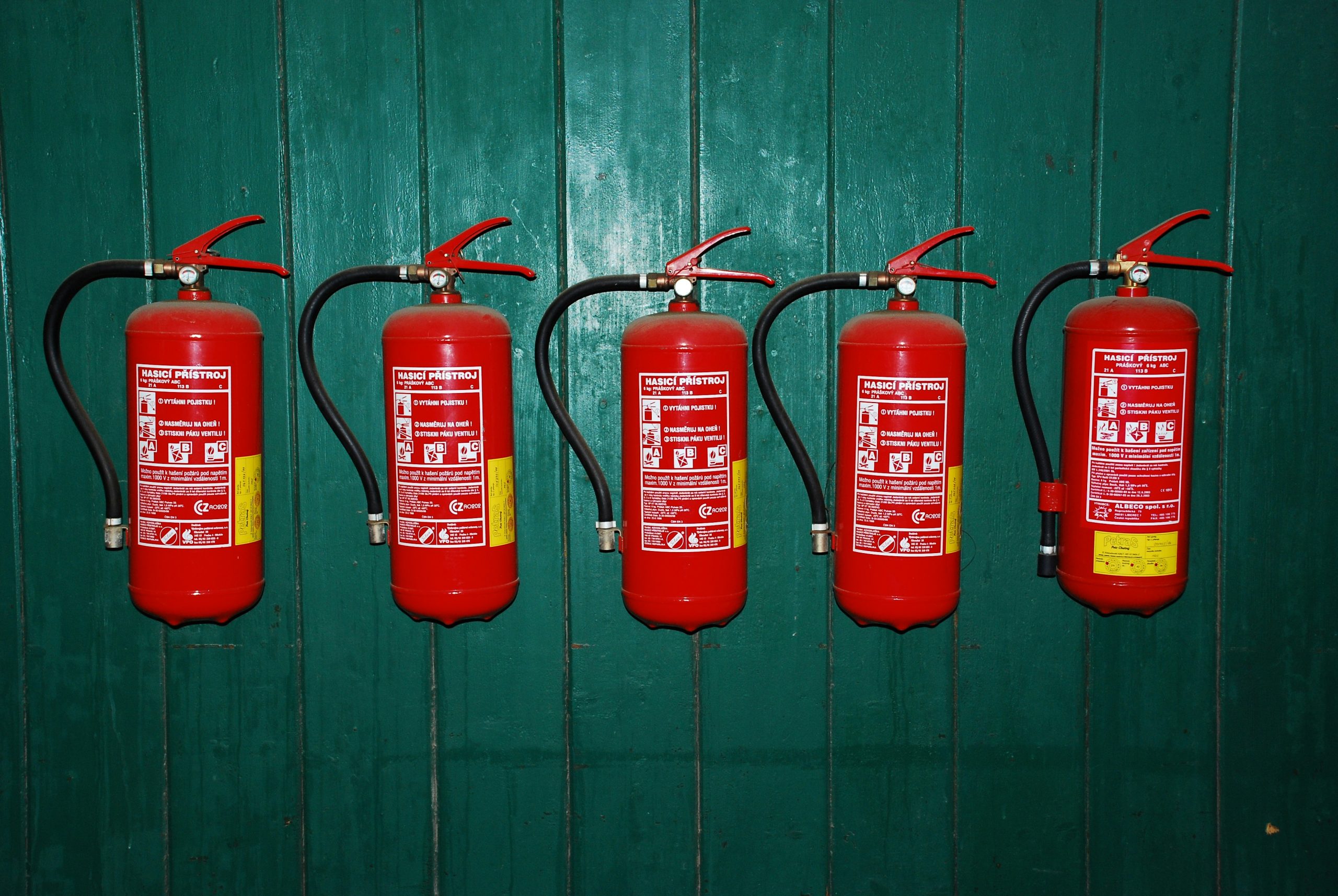
Check the fire extinguisher regularly. Look for expiration dates and inspection tags. These details tell if the extinguisher is still reliable.
Locating The Expiration Date
The expiration date is often stamped on the label or the cylinder. It may appear as a month and year. If missing, use the manufacturing date to estimate lifespan.
Reading The Inspection Tag
Inspection tags show the last service date. Extinguishers need yearly checks. A tag older than one year may mean the extinguisher is expired or needs maintenance.
Checking For Physical Signs Of Expiry
- Rust or corrosion on the cylinder
- Dents or damage to the body
- Missing or broken safety seals
- Pressure gauge reading in the red zone
Physical damage can indicate the extinguisher is unsafe to use.
Understanding The Typical Lifespan
Most fire extinguishers last 5 to 15 years. Check the manufacturer’s instructions for exact details. Older extinguishers should be replaced even if they look fine.
Checking Local Regulations
Checking local regulations is crucial before disposing of expired fire extinguishers. Rules vary widely by location. Following them helps protect the environment and avoid fines.
Some areas classify fire extinguishers as hazardous waste. Others allow disposal at specific collection sites. Knowing the correct procedure ensures safe and legal disposal.
Understanding Your Area’s Disposal Rules
Start by contacting your city or county waste management office. They provide detailed guidelines for fire extinguisher disposal. Many local government websites list these rules online.
Ask about any permits or special handling requirements. Some places require you to drain or remove chemicals first. Others accept full units at hazardous waste events.
Finding Authorized Disposal Locations
Local fire departments often offer disposal or recycling services. Hazardous waste facilities or recycling centers may accept expired extinguishers too.
- Household hazardous waste collection sites
- Local fire stations
- Certified recycling centers
Confirm hours of operation and any fees before visiting. Some centers only accept certain types of extinguishers.
Following Environmental Safety Guidelines
Proper disposal protects the environment from harmful chemicals. Never throw fire extinguishers in regular trash bins. Chemicals inside can leak and pollute soil and water.
Always follow local instructions on handling and transport. Use protective gloves and avoid puncturing the extinguisher. This reduces risks to yourself and workers at disposal sites.
Credit: cyca.com.au
Methods For Safe Disposal
Proper disposal of expired fire extinguishers is essential for safety and environmental care. These devices contain chemicals and pressurized materials that require careful handling. Choosing the right disposal method ensures no harm to people or nature. Below are effective ways to dispose of fire extinguishers safely.
Contacting Local Waste Facilities
Many local waste facilities accept expired fire extinguishers. These centers follow strict rules to handle hazardous materials. Call your nearest facility to ask about their disposal process. They may require you to bring the extinguisher during specific hours. Staff will safely manage the chemicals and metal parts.
Utilizing Recycling Programs
Recycling programs offer a green way to dispose of fire extinguishers. Some programs separate metal and chemical components. Metals like steel and aluminum get recycled into new products. Chemical parts are treated to prevent pollution. Search for recycling centers that accept fire extinguishers in your area.
Professional Disposal Services
Professional disposal services specialize in hazardous waste removal. They have the tools and training to handle fire extinguishers safely. These services often pick up items from your home or business. Professionals ensure compliance with environmental laws. This option is ideal for large quantities or commercial needs.
Preparing Fire Extinguishers For Disposal
Preparing fire extinguishers for disposal requires careful attention to safety and environmental guidelines. Proper preparation prevents accidents and ensures the extinguisher is disposed of correctly. Follow these steps to get your expired fire extinguisher ready for safe disposal.
Emptying Residual Contents
Start by discharging any remaining pressure inside the extinguisher. Find an open, outdoor area away from people and flammable materials. Hold the extinguisher upright and press the lever until no more content comes out. This step ensures no hazardous chemicals remain inside.
Removing Labels And Tags
Remove all labels, tags, and stickers from the extinguisher body. Use a scraper or peel them off by hand carefully. This helps recycling centers identify materials and process the extinguisher properly. Clear labeling also avoids confusion during disposal.
Ensuring Safe Transport
Transport the extinguisher in a secure position to avoid damage or leaks. Use a sturdy box or container to hold the extinguisher firmly. Keep it upright and away from heat or sharp objects during transit. Safe transport protects you and others from potential harm.
Environmental Considerations
Disposing of expired fire extinguishers requires more than just tossing them in the trash. These devices often contain chemicals that can harm the environment if not handled properly. Taking environmental considerations seriously helps protect our air, water, and soil from contamination.
Understanding The Chemicals Inside
Fire extinguishers can contain substances like dry chemicals, carbon dioxide, or foam agents. Some of these chemicals are hazardous and can pollute the environment if released improperly.
Knowing what type of extinguisher you have helps you decide the safest disposal method. Check the label or manual for details about the contents and hazards.
Recycling And Hazardous Waste Facilities
Many communities offer recycling programs or hazardous waste disposal sites that accept expired fire extinguishers. These facilities ensure chemicals are handled safely and components are recycled when possible.
You can often find local drop-off points by visiting your city’s waste management website. Have you checked if your area offers such services? It’s an easy way to keep harmful substances out of landfills.
Environmental Impact Of Improper Disposal
Throwing a fire extinguisher in the trash can lead to leaks of harmful chemicals into the soil and groundwater. This pollution affects plants, animals, and even your drinking water.
Improper disposal also risks releasing pressurized gases that can contribute to air pollution or cause injuries. Protecting the environment means handling these devices responsibly.
Tips For Safe Handling Before Disposal
- Discharge any remaining pressure outdoors, away from people and pets.
- Wear gloves and eye protection to avoid contact with chemicals.
- Do not puncture or incinerate the extinguisher yourself.
Following these steps reduces the risk of accidents and environmental harm. Have you ever tried to handle an old extinguisher without knowing these precautions? It’s safer to be prepared.
Alternatives To Disposal
Expired fire extinguishers don’t always have to end up in the trash. There are smart alternatives that can extend their usefulness or give parts a new life. These options help reduce waste and can even save you money or add value to your home or workspace.
Refurbishing Extinguishers
Refurbishing is a great way to bring an expired extinguisher back to life. Certified professionals can recharge and test your extinguisher to meet safety standards again. This process often costs less than buying a new one and keeps the device ready for emergencies.
If your extinguisher looks intact but is past its expiration date, consider taking it to a local fire safety company. They can check the pressure, replace worn-out parts, and refill the agent. You’ll get a fully functional extinguisher without the waste.
Repurposing Components
Not every part of an expired extinguisher needs to be discarded. Metal cylinders, handles, and nozzles can be repurposed creatively or practically. Some DIY enthusiasts turn these components into unique household items like candle holders or garden tools.
Think about the possibilities: Can you use the metal container as a small planter or a tool holder in your garage? Repurposing parts reduces environmental impact and gives you a chance to create something useful. What creative idea might you try with old extinguisher parts?

Credit: www.instagram.com
Frequently Asked Questions
How Do I Safely Dispose Of An Expired Fire Extinguisher?
To safely dispose, contact your local hazardous waste facility. Never throw fire extinguishers in regular trash. They contain pressurized chemicals that can be harmful. Some recycling centers accept them. Always follow local regulations to avoid fines and environmental harm.
Can I Recycle An Expired Fire Extinguisher?
Yes, many facilities recycle fire extinguishers. They recover metal parts and safely handle chemicals. Check with local recycling centers or hazardous waste programs. Proper recycling prevents environmental contamination and complies with safety guidelines.
Why Should Expired Fire Extinguishers Be Replaced?
Expired extinguishers may not work in emergencies. Over time, pressure and chemicals degrade. Using an expired extinguisher risks ineffective fire control. Replacing ensures reliable safety and compliance with fire codes. Always check expiration dates regularly.
What Happens If I Throw A Fire Extinguisher In The Trash?
Throwing fire extinguishers in trash risks explosion and chemical leaks. It can harm sanitation workers and the environment. Local laws usually prohibit this disposal method. Proper disposal through hazardous waste programs is safer and legal.
Conclusion
Expired fire extinguishers need safe disposal to protect people and the environment. Check local rules for dropping off old extinguishers. Many places offer special recycling or hazardous waste programs. Never throw extinguishers in regular trash bins. Taking proper steps keeps your home and community safe.
Dispose of them quickly to avoid risks. Stay responsible and help keep the environment clean. Safe disposal is simple and important. Don’t delay. Act now to handle expired fire extinguishers correctly.

Hi, I’m Daniel Brooks—a food lover and kitchen gear enthusiast. I enjoy testing cookware, utensils, and gadgets to see what really works in everyday cooking. At PlugChef.com, I share honest reviews, comparisons, and simple guides to help you choose the best tools for a safer, smarter, and more enjoyable kitchen.
Related posts:
 What Type of Cooking Utensils are Safe: Expert Picks
 What Innovations Could Blenders Make: Unleashing Future Tech
 Smart Strategies to Organize a Small Kitchen: Maximize Space
 How to Organize a Kitchen Cabinet: Expert Tips & Tricks
 How to Organize Kitchen Drawers: Expert Tips and Tricks
 How to Organize a Corner Kitchen Cupboard: Expert Tips

