
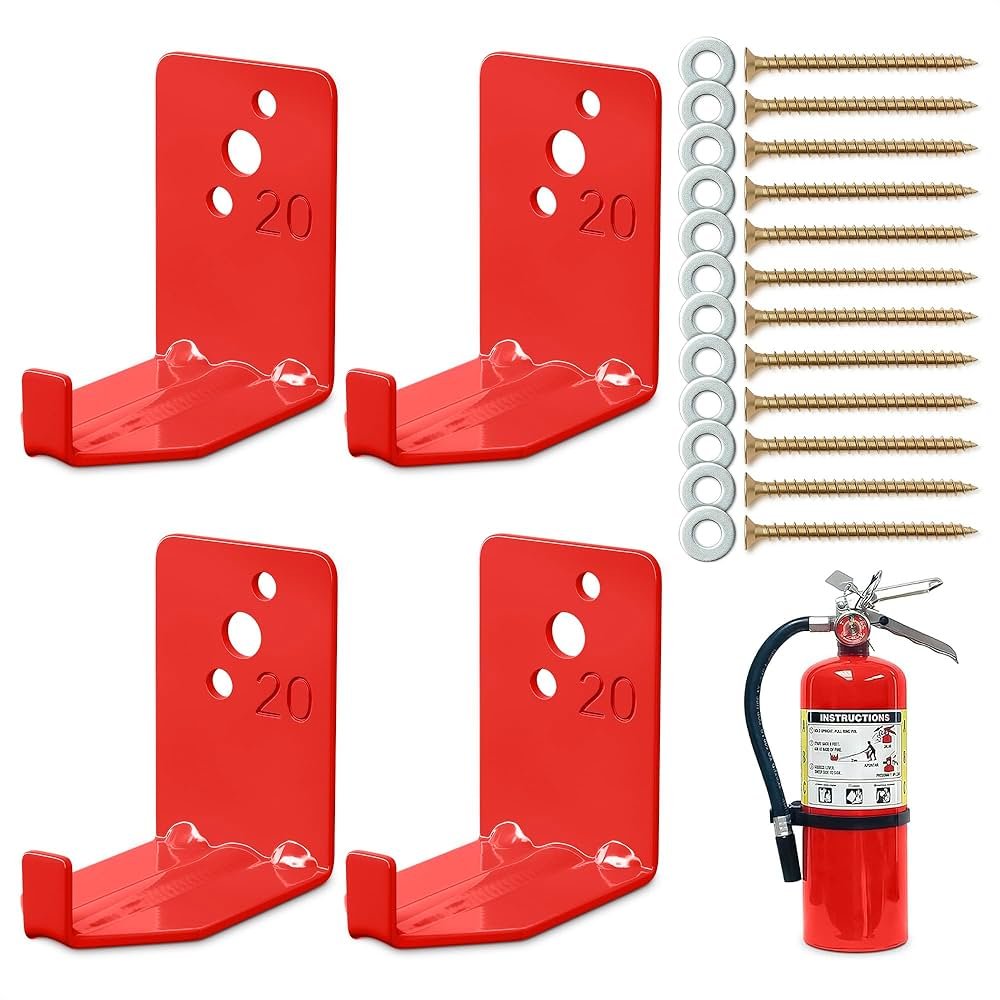
Your safety depends on quick action during an emergency, and having a fire extinguisher within easy reach can make all the difference. But simply owning one isn’t enough—you need to know exactly how to mount it so it’s ready when you need it most.
In this guide, you’ll discover simple steps to securely install your fire extinguisher in the perfect spot. By the time you finish reading, you’ll have the confidence to protect your home or workplace effectively. Don’t wait until it’s too late—let’s get started on making your space safer right now.
Choosing The Right Location
Choosing the right location to mount your fire extinguisher is essential for quick and effective response during an emergency. It’s not just about finding a spot on the wall; it’s about making sure you or anyone else can grab it instantly without any hassle. Think about where a fire is most likely to start and where you’ll be when it happens.
Accessibility Considerations
Your fire extinguisher should be easy to reach at all times. Place it at a height where both adults and teenagers can grab it without stretching or bending down too much.
Consider areas with high foot traffic but not so crowded that the extinguisher could get blocked. For example, the kitchen is a common place for fires, so mounting it near the exit or along a clear path makes sense.
Ask yourself: In an emergency, would I be able to spot and reach the extinguisher quickly? If the answer is no, rethink the location.
Avoiding Obstructions
Make sure nothing blocks access to the extinguisher. Furniture, appliances, or stacked items can hide or block it, causing precious seconds to be lost during an emergency.
Keep the area around the extinguisher clear and visible. Avoid corners or behind doors where it might be overlooked or hard to reach.
Think about your daily movements—would you naturally know where the extinguisher is without having to look for it? If not, move it to a more open and obvious spot.
Selecting The Appropriate Type
Selecting the right fire extinguisher is key to safety. Each extinguisher suits different fire types. Choosing the wrong one can worsen a fire or cause injury.
Understand the fire risks in your space. This helps pick an extinguisher that works best for those hazards. Proper selection ensures quick and effective fire control.
Types Of Fire Extinguishers
Fire extinguishers come in various types. Each type targets specific fire classes:
- Water Extinguishers:Best for wood, paper, and cloth fires (Class A).
- Foam Extinguishers:Useful on flammable liquids like petrol (Class B).
- Carbon Dioxide (CO2) Extinguishers:Ideal for electrical fires (Class C) and flammable liquids.
- Dry Powder Extinguishers:Versatile for many fires including electrical and liquid fires (Class A, B, C).
- Wet Chemical Extinguishers:Designed for kitchen fires involving cooking oils (Class K or F).
Matching Extinguisher To Fire Risk
Identify potential fire sources in your area. For offices, electrical fires are common, so CO2 or dry powder suits best.
In kitchens, wet chemical extinguishers handle grease fires safely. Workshops with flammable liquids need foam or dry powder types.
Always check extinguisher labels for fire class ratings. This confirms the extinguisher matches your fire risks.
Gathering Necessary Tools
Before you start mounting your fire extinguisher, gathering the right tools is crucial. Having everything at hand makes the process smoother and safer. Missing even one essential item can cause delays or improper installation, which defeats the purpose of having the extinguisher ready for emergencies.
Required Tools And Materials
To securely mount your fire extinguisher, you’ll need a few basic tools and materials. Here’s a checklist to prepare you:
- Mounting bracketdesigned for your extinguisher model
- Drill
- Screwdriver(Phillips or flathead, depending on the screws)
- Screws and wall anchorssuitable for drywall, plaster, or concrete
- Measuring tapeto ensure proper height and positioning
- Levelto keep the bracket straight
- Pencilfor marking drill points
Think about your wall material before buying anchors. Using the wrong type can cause the extinguisher to fall. I once used regular screws on drywall without anchors, and the bracket pulled loose within days.
Safety Gear Recommendations
Safety should never be overlooked when mounting your fire extinguisher. Protect yourself with the right gear to avoid injuries.
- Safety gogglesto shield your eyes from dust and debris while drilling
- Work glovesto protect your hands from sharp edges or accidental slips
- Dust maskif drilling into materials that create fine particles
Have you ever underestimated the dust cloud that comes from drilling? I learned the hard way—wearing goggles saved me from an eye irritation that lasted for days. Your safety gear may seem basic, but it makes a big difference.

Credit: www.amazon.com
Installing The Mounting Bracket
Installing the mounting bracket is key to keeping your fire extinguisher safe and accessible. A secure bracket prevents the extinguisher from falling or getting damaged. Proper installation ensures quick access during emergencies. Follow these steps to mount the bracket correctly.
Preparing The Wall Surface
Choose a visible and easy-to-reach spot for your fire extinguisher. The wall must be clean and dry. Remove dust, dirt, or grease with a cloth and mild cleaner. Let the surface dry completely before mounting. Check for any cracks or loose paint that may affect stability.
Securing The Bracket
Hold the bracket against the wall at the chosen height. Mark the holes where screws will go using a pencil. Use a drill or screwdriver to make holes in marked spots. Insert wall anchors if the wall is drywall or hollow. Screw the bracket firmly into place. Tug gently to ensure it is secure and stable.
Positioning The Extinguisher
Positioning your fire extinguisher correctly is crucial for quick access during emergencies. The right placement can save precious seconds and help you act confidently under pressure. Let’s focus on how to mount your extinguisher so it’s both visible and secure.
Correct Height And Orientation
Mount the extinguisher at a height where you can easily reach the handle without stretching or bending. Typically, the top of the extinguisher should be about 3 to 5 feet from the floor, depending on your height. If the extinguisher weighs more than 40 pounds, position it so the top is no higher than 3.5 feet.
Make sure the label faces outward and is fully visible. This helps anyone locate and operate it quickly, especially in low visibility situations. Have you ever noticed how hard it is to find something when the label is hidden or upside down?
Ensuring Stability
Use a sturdy mounting bracket or wall hook designed for fire extinguishers to keep it stable. The extinguisher should not wobble or slide when mounted. This prevents accidental falls and damage to the unit.
Check the mounting surface—drywall might need anchors, while studs provide better support. You want your extinguisher firmly in place so it stays put but is still easy to remove in an emergency. Have you tested how easily you can grab your extinguisher yet?
Conducting Safety Checks
Conducting safety checks is essential after mounting a fire extinguisher. These checks ensure the extinguisher works correctly and stays ready for emergencies. Regular safety checks help find problems early and keep everyone safe.
Testing Accessibility
Accessibility means the extinguisher is easy to reach and use. Check that nothing blocks the extinguisher. It should be at a visible height, not too high or too low.
Make sure the mounting bracket holds the extinguisher firmly. It must not wobble or fall off. The extinguisher’s label should be clear and easy to read.
Test the extinguisher’s pull pin and handle to confirm they move freely. This quick test helps avoid delays during an emergency.
Regular Inspection Guidelines
Inspect the fire extinguisher at least once a month. Look for dents, rust, or corrosion on the cylinder. Check the pressure gauge to ensure it is in the green zone.
Verify the tamper seal is intact and the pull pin is secure. Confirm the nozzle is clean and unobstructed. Replace or service the extinguisher if any damage or issues appear.
- Record the inspection date and your name on a tag.
- Store the extinguisher in the same place after inspection.
- Schedule professional maintenance yearly for a complete check.
Maintaining The Fire Extinguisher
Maintaining a fire extinguisher is crucial for safety. A well-kept extinguisher works properly in emergencies. Neglect can cause it to fail when needed most. Regular checks keep it ready and effective. Understanding its condition helps prevent hazards and ensures compliance with safety rules.
Routine Maintenance Tips
- Check the pressure gauge monthly to ensure proper pressure.
- Inspect the extinguisher for physical damage or corrosion.
- Make sure the pin and tamper seal are intact.
- Clean the extinguisher body to remove dust and dirt.
- Shake dry chemical extinguishers to prevent powder settling.
- Ensure the mounting bracket is secure and visible.
- Record inspection dates and any maintenance actions taken.
- Have a professional service the extinguisher annually.
Understanding Expiry Dates
Fire extinguishers have a limited lifespan. Check the label for the manufacture date and expiry period.
Expired extinguishers may not work well or could be dangerous.
Replace or service the extinguisher before the expiry date.
Keep track of expiry dates to avoid last-minute surprises.
Use only certified extinguishers that meet local safety standards.
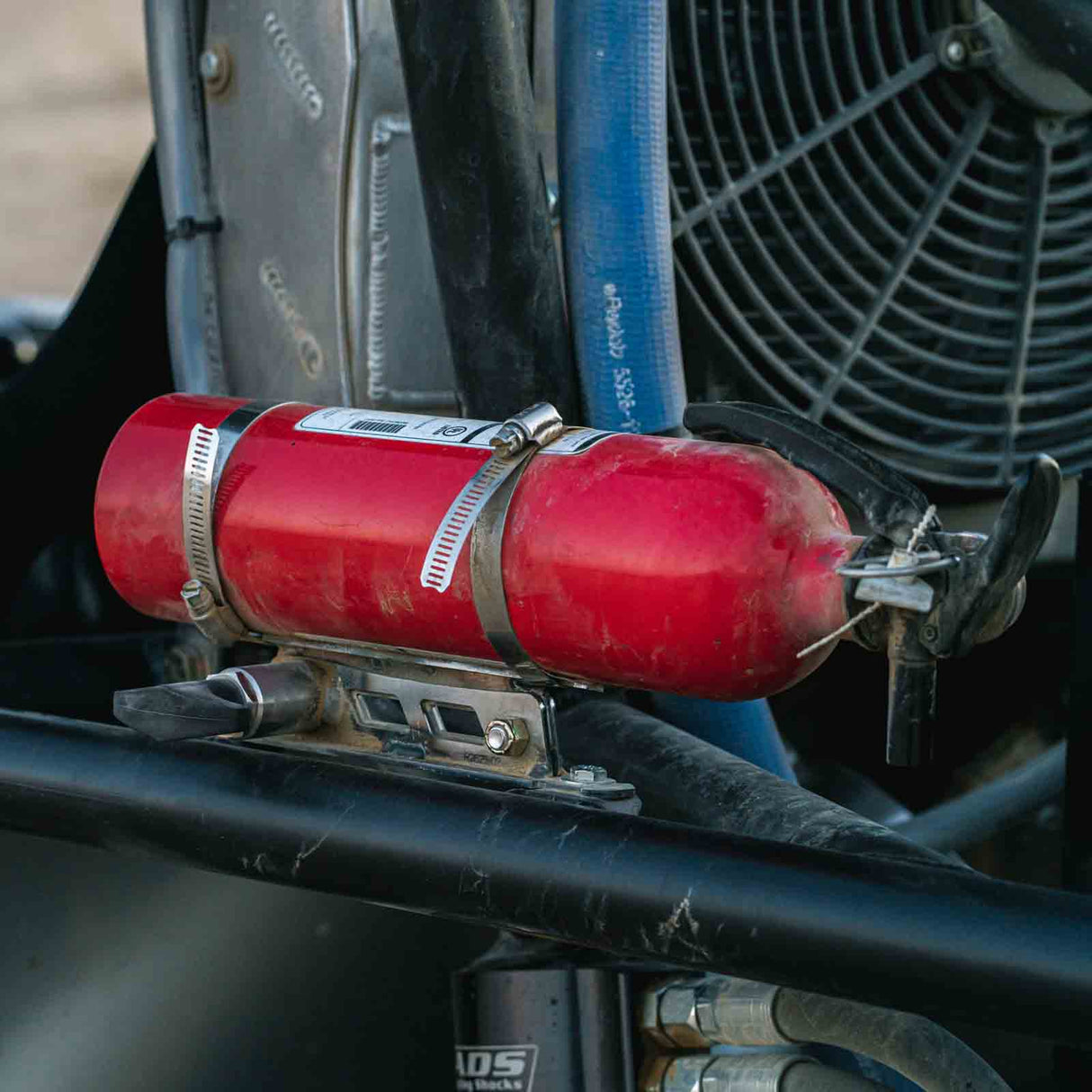
Credit: www.ruffstuffspecialties.com
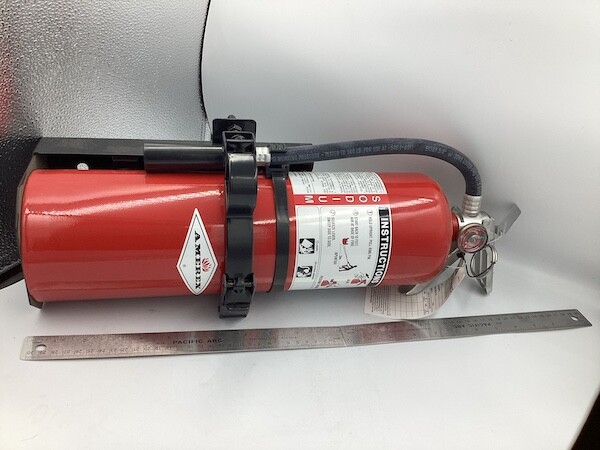
Credit: www.aerospecialties.com
Frequently Asked Questions
How High Should I Mount A Fire Extinguisher?
Mount your fire extinguisher 3 to 5 feet above the floor. It should be easily reachable and visible. Ensure it’s not blocked by furniture or other items. Follow local fire safety codes for exact height requirements.
Where Is The Best Location To Mount A Fire Extinguisher?
Mount fire extinguishers near exits and high-risk areas like kitchens. Ensure they are visible and accessible within 75 feet. Avoid placing them in locked cabinets or behind doors. This placement allows quick access during emergencies.
How Do I Secure A Fire Extinguisher On The Wall?
Use a sturdy mounting bracket or wall hook designed for extinguishers. Attach it firmly to drywall studs or solid surfaces. Ensure the extinguisher fits tightly and won’t fall or slide. Check regularly for stability and wear.
Can I Mount A Fire Extinguisher Outside My Home?
Yes, you can mount extinguishers outside if protected from weather. Use waterproof covers or mount in sheltered areas. Outdoor placement is ideal near garages or grilling spots. Always ensure easy access and visibility.
Conclusion
Mounting a fire extinguisher is simple and important. Place it where everyone can see and reach it fast. Use the right bracket and screws for safety. Check that the extinguisher stays secure and won’t fall. Remember to mount it at the right height.
Doing this helps protect your home or workplace. Keep your extinguisher ready for any emergency. Safety starts with small steps like proper mounting. Stay prepared and protect what matters most.

Hi, I’m Daniel Brooks—a food lover and kitchen gear enthusiast. I enjoy testing cookware, utensils, and gadgets to see what really works in everyday cooking. At PlugChef.com, I share honest reviews, comparisons, and simple guides to help you choose the best tools for a safer, smarter, and more enjoyable kitchen.
Related posts:
 What Type of Cooking Utensils are Safe: Expert Picks
 What Innovations Could Blenders Make: Unleashing Future Tech
 Smart Strategies to Organize a Small Kitchen: Maximize Space
 How to Organize a Kitchen Cabinet: Expert Tips & Tricks
 How to Organize Kitchen Drawers: Expert Tips and Tricks
 How to Organize a Corner Kitchen Cupboard: Expert Tips

