
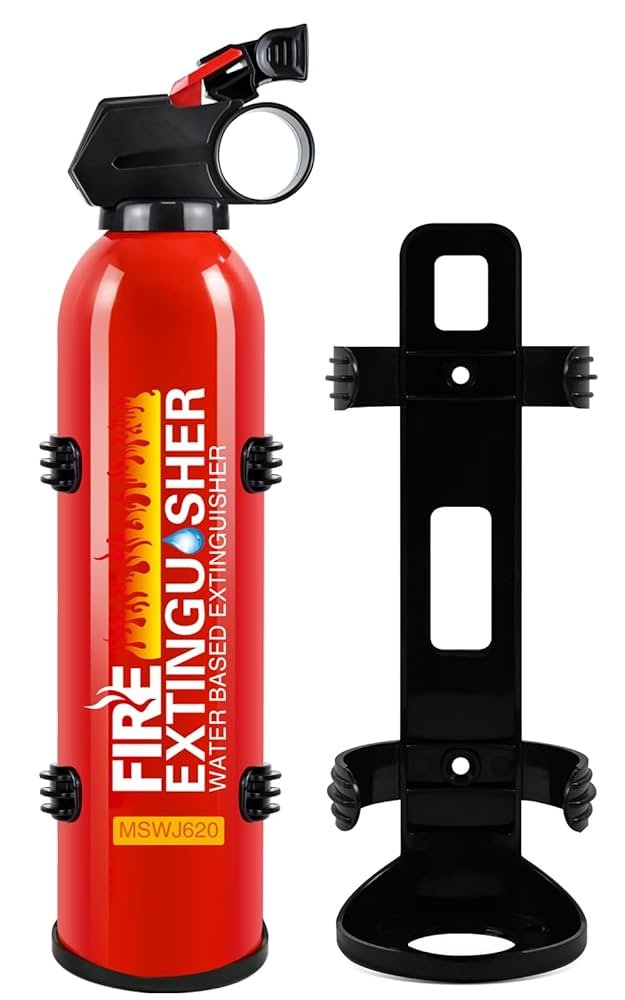
Imagine you’re driving down the road when suddenly, smoke starts to fill your car. What would you do?
Having a good fire extinguisher for your car isn’t just smart—it could save your life and protect your vehicle. But with so many options out there, how do you pick the right one? This guide will help you find the perfect fire extinguisher for your car, so you’re prepared for the unexpected.
Keep reading to learn what matters most when choosing this crucial safety tool.

Credit: www.amazon.com
Choosing The Right Type
Choosing the right fire extinguisher for your car is crucial for safety. Cars face unique fire risks. This means the extinguisher must suit these risks well. Not all extinguishers work the same way. Picking the correct type can save lives and protect property. Understanding fire classes and size matters greatly.
Understanding Fire Classes
Fires are divided into classes based on what burns. Each class needs a specific extinguisher type.
- Class A:Fires with wood, paper, or cloth.
- Class B:Fires with flammable liquids like gasoline or oil.
- Class C:Fires involving electrical equipment.
For cars, Class B and C fires are most common. Gasoline and electrical parts often cause car fires. An extinguisher rated for both B and C classes is ideal. Look for labels like “ABC” or “BC” on the extinguisher. This ensures it can handle different fire types safely.
Importance Of Portable Size
A car extinguisher must be small and light. It should fit easily in the vehicle. Portability means you can grab it quickly in an emergency. Heavy or large extinguishers are hard to use fast. Choose one that weighs between 2 to 5 pounds. This size offers good fire control and ease of use.
Also, check the mounting options. A secure place keeps the extinguisher ready and prevents damage. Portable size does not mean weak power. Modern small extinguishers pack enough force to stop car fires early.
Features To Consider
Choosing the right fire extinguisher for your car means knowing what features matter most. Safety depends on quick action and easy handling. Quality materials ensure the extinguisher lasts long and works well in emergencies. Proper mounting keeps the extinguisher within reach and prevents damage.
Ease Of Use
The extinguisher should be simple to operate under stress. Clear instructions and a comfortable grip help. A quick-release pin and easy squeeze handle improve response time. Compact size allows fast access without fumbling.
Durability And Material
Look for sturdy materials that resist rust and impact. Metal cylinders last longer than plastic ones. Check for corrosion-resistant coatings. The extinguisher must withstand heat and vibrations inside a car. Reliable seals prevent leaks over time.
Mounting Options
Secure mounting keeps the extinguisher stable while driving. Choose mounts that fit your car’s interior space. Velcro straps and brackets offer flexible installation. The extinguisher should be easy to remove in emergencies. Placement should not block airbags or controls.
Top Picks For Safety
Choosing the right fire extinguisher for your car can make all the difference during an emergency. The right extinguisher fits your vehicle’s space, handles various fire types, and provides peace of mind. Let’s look at some top picks that balance safety with convenience, so you’re prepared without hassle.
Compact Models
Compact fire extinguishers are perfect if you have limited space in your car. These models usually weigh around 1 to 2 pounds, making them easy to store under a seat or in the trunk. Despite their small size, many still offer powerful fire suppression capabilities for quick response.
One popular choice is the Kidde FA110 Multi-Purpose Fire Extinguisher. It fits in tight spaces and handles common vehicle fires like gasoline, electrical, and paper. Keeping a compact model like this ensures you don’t sacrifice readiness for convenience.
High-rating Options
Safety ratings matter when picking a fire extinguisher. Look for ones with a high UL (Underwriters Laboratories) rating, such as 5-B:C or above, indicating effectiveness against flammable liquids and electrical fires. These extinguishers offer stronger protection but may be bulkier.
The First Alert AUTO5 is a highly rated option with a 5-B:C classification. It provides reliable performance and includes mounting brackets for secure placement. Would you feel more confident with an extinguisher tested to higher standards?
Budget-friendly Choices
Good fire safety doesn’t have to break the bank. Several affordable extinguishers provide solid protection without expensive features you might not need. These models focus on essential functions to keep you safe on the road.
The Amerex B402 is a budget-friendly pick known for durability and effectiveness. It covers the basics well and often comes at a price that fits most budgets. Have you checked how much a quality extinguisher costs compared to potential risks?

Credit: www.amazon.com
Installation Tips
Installing a fire extinguisher in your car is not just about having one onboard; it’s about making sure it’s accessible and secure when you need it most. A poorly placed or loosely attached extinguisher might be useless in an emergency. Paying attention to where and how you install it can make a real difference in safety.
Optimal Placement In Car
Choose a spot that’s easy to reach quickly. The passenger side footwell or under the front seats usually works well. Avoid areas that might block your movement or require you to dig through clutter.
Think about your daily routine in the car. Do you often have kids or pets in the back? Placing the extinguisher within arm’s reach but out of their curiosity can prevent accidents. Also, consider visibility—if you can see it, you’re more likely to remember it’s there and check it regularly.
Secure Attachment Methods
Loose fire extinguishers can turn into dangerous projectiles during sudden stops. Use brackets or mounting kits designed for vehicles to keep your extinguisher firmly in place. Many come with straps or clamps that make installation straightforward and secure.
If you’re thinking about DIY options, strong Velcro or heavy-duty zip ties might work temporarily, but they don’t offer the same reliability. Would you want your safety tool flying around during a crash? Investing in proper hardware ensures peace of mind and readiness.
Maintenance And Inspection
Keeping your car fire extinguisher in top shape is essential. Maintenance and inspection ensure it works perfectly when you need it the most. Neglecting this can leave you vulnerable during emergencies.
Regular Checks
Check your extinguisher every month. Look for visible damage like dents, rust, or corrosion. Make sure the pressure gauge needle is in the green zone—this means it’s ready to use.
Shake the extinguisher lightly to prevent the powder inside from settling. Confirm the safety pin is intact and the tamper seal is unbroken. Ask yourself: Would you feel confident using it right now?
Refilling And Replacement
Refill your extinguisher immediately after any use, even if only a small amount was discharged. Most car extinguishers need professional refilling or replacement every 5 to 6 years.
Check the label for the expiration date and replace it if outdated. Using an expired extinguisher is like having no protection at all. Keep the contact details of a trusted service center handy to avoid delays.
Emergency Preparedness
Emergency preparedness in your car saves lives and protects property. Fires can start quickly from engine heat, electrical faults, or fuel leaks. Having a fire extinguisher ready helps control small fires before they grow dangerous. Knowing how to use it safely is vital for your safety and others around you.
Proper Usage Instructions
Use the fire extinguisher only on small fires. Follow these steps to operate it correctly:
- Pull the safety pin to unlock the extinguisher.
- Aim the nozzle at the base of the fire.
- Squeeze the handle to release the extinguishing agent.
- Sweep the nozzle side to side until the fire stops.
- Keep a safe distance while using the extinguisher.
Always check the pressure gauge before use. Replace or recharge the extinguisher after any use.
Training For Safe Handling
Practice using a fire extinguisher in a safe place. Training increases confidence and reduces panic during real emergencies. Learn to identify different types of fires and which extinguisher suits each one. Avoid spraying too close or too far from the fire. Regular training ensures quick, effective action in emergencies.

Credit: www.amazon.com
Frequently Asked Questions
What Type Of Fire Extinguisher Is Best For Cars?
A dry chemical extinguisher, like ABC type, is best for cars. It handles fuel, electrical, and paper fires effectively. It’s compact, easy to use, and safe for vehicle fires. Always choose one rated for automotive use.
How Do I Install A Fire Extinguisher In My Car?
Mount the extinguisher within easy reach, usually under the front seat or in the trunk. Use a secure bracket to prevent movement. Ensure it’s accessible but won’t obstruct driving or emergency exit paths.
How Often Should I Check My Car Fire Extinguisher?
Check your extinguisher monthly for pressure, damage, and expiration date. Replace or recharge it if pressure is low or damaged. Regular checks ensure it works properly during emergencies.
Can I Use A Home Fire Extinguisher In My Car?
Home extinguishers may not be suitable for car fires. Vehicle fires require compact, multi-purpose extinguishers rated for fuel and electrical fires. Using a car-specific extinguisher ensures safety and effectiveness.
Conclusion
Choosing a good fire extinguisher for your car keeps you safe. Small fires can grow fast and cause damage. A reliable extinguisher helps you act quickly and protect yourself. Check the size, type, and ease of use before buying. Keep it within reach inside your vehicle at all times.
Regularly inspect and maintain it for best performance. Safety on the road matters most. Always be ready for emergencies with the right extinguisher. Stay calm and confident if fire ever happens. Your safety depends on smart choices.

Hi, I’m Daniel Brooks—a food lover and kitchen gear enthusiast. I enjoy testing cookware, utensils, and gadgets to see what really works in everyday cooking. At PlugChef.com, I share honest reviews, comparisons, and simple guides to help you choose the best tools for a safer, smarter, and more enjoyable kitchen.
Related posts:
 What Type of Cooking Utensils are Safe: Expert Picks
 What Innovations Could Blenders Make: Unleashing Future Tech
 Smart Strategies to Organize a Small Kitchen: Maximize Space
 How to Organize a Kitchen Cabinet: Expert Tips & Tricks
 How to Organize Kitchen Drawers: Expert Tips and Tricks
 How to Organize a Corner Kitchen Cupboard: Expert Tips

