
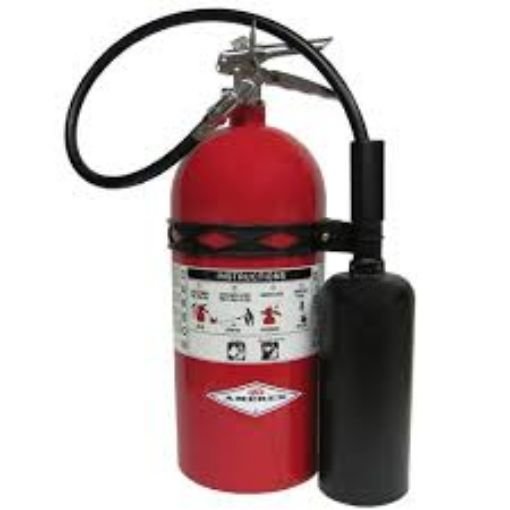
When it comes to keeping your home or workplace safe from fire, you want a solution that is both effective and easy to use. That’s where carbon dioxide for fire extinguishers comes in.
You might not realize it, but CO2 extinguishers are a powerful tool that can quickly put out fires without causing extra damage. If you want to understand how this special gas works and why it might be the right choice for your safety plan, keep reading.
By the end, you’ll know exactly why carbon dioxide is trusted by professionals and how it can protect you when it matters most.

Credit: www.safetybuyer.com
Carbon Dioxide As A Fire Suppressant
Carbon dioxide (CO2) is a widely used fire suppressant in many fire extinguishers. It works by removing oxygen around the fire and lowering the temperature. This helps stop the fire quickly without leaving harmful residue.
How Carbon Dioxide Extinguishes Fire
CO2 pushes away oxygen, which fire needs to burn. Without oxygen, the fire cannot continue. It also cools the flames, making it harder for the fire to spread.
Benefits Of Using Carbon Dioxide
- Leaves no mess or residue behind
- Safe for electrical fires
- Non-toxic and does not harm the environment
- Works fast to control fires
Common Uses Of Co2 Fire Extinguishers
- Offices and computer rooms
- Laboratories and chemical storage
- Factories with electrical equipment
- Vehicles and marine vessels
How Co2 Extinguishers Work
CO2 fire extinguishers are common tools for putting out fires quickly and safely. They work differently from water or foam extinguishers. Understanding their operation helps ensure the right use in emergencies.
Mechanism Of Action
CO2 extinguishers release carbon dioxide gas under high pressure. This gas pushes oxygen away from the fire. Without oxygen, the fire cannot keep burning. The gas also cools the flames by lowering the temperature.
CO2 does not leave residue. This makes it ideal for sensitive equipment and electronics. The gas spreads rapidly to cover the fire surface. It suffocates the flames by removing the oxygen.
Types Of Fires Suitable For Co2
- Electrical fires involving wiring or appliances
- Flammable liquid fires like petrol, oils, and solvents
- Small kitchen fires from cooking oils or fats
CO2 extinguishers are not for ordinary combustibles like wood or paper. They work best where water or foam could cause damage or spread the fire. This makes them popular in offices, labs, and vehicle compartments.
Benefits Of Co2 Fire Extinguishers
CO2 fire extinguishers offer unique benefits that make them a smart choice for many fire safety situations. They are especially effective in handling specific types of fires, providing quick and clean suppression without causing additional damage. Understanding these benefits can help you decide when and where a CO2 extinguisher is the best tool for your safety needs.
Efficiency In Suppression
CO2 extinguishers work by displacing oxygen around the fire, effectively suffocating the flames. This method stops the fire quickly without the need for water or chemicals. If you’ve ever tried putting out an electrical fire, you know how tricky it can be — CO2 extinguishers handle these safely and efficiently.
Because CO2 disperses rapidly, it cools the fire and prevents re-ignition. This fast action can save valuable time and reduce damage. Wouldn’t you want a fire extinguisher that acts fast and doesn’t leave you with a bigger mess?
Non-residue Properties
One of the biggest advantages of CO2 extinguishers is that they leave no residue behind. This makes them ideal for use in areas with sensitive equipment, like offices or server rooms. Imagine avoiding the hassle of cleaning up after using a fire extinguisher — CO2 lets you focus on safety without extra work.
The absence of residue means there’s no risk of corrosion or damage to electronics and machinery. This quality makes CO2 extinguishers a practical choice for protecting both people and valuable property. Have you considered how much downtime a messy fire extinguisher cleanup could cost your business?
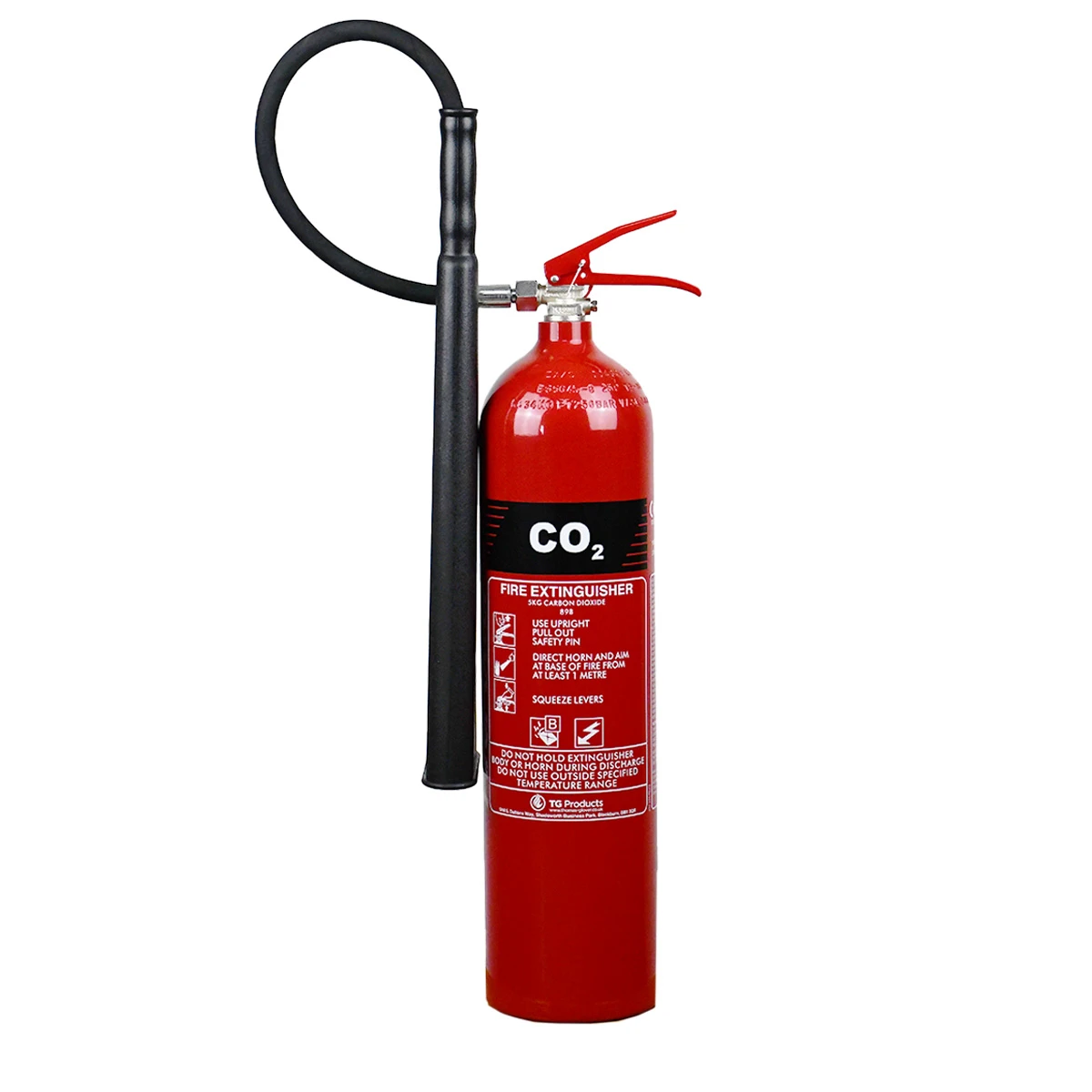
Credit: www.fireprotectionshop.co.uk
Limitations Of Co2 Extinguishers
Carbon dioxide (CO2) fire extinguishers are a popular choice for many fire emergencies, but they come with specific limitations you need to understand. Recognizing these drawbacks helps you choose the right extinguisher for your environment and ensures your safety during an incident. Let’s break down where CO2 extinguishers may fall short and what you should watch out for.
Ineffectiveness On Certain Fires
CO2 extinguishers work by displacing oxygen, which smothers the fire. However, they are not suitable for all fire types.
- They are ineffective on Class A fires involving ordinary combustibles like wood or paper because the fire can reignite after the CO2 dissipates.
- CO2 is also not recommended for fires involving cooking oils or fats (Class K), as it may spread the flames rather than extinguish them.
- For electrical fires, CO2 is usually safe, but in some cases, it might not cool the equipment enough to prevent re-ignition.
Have you ever thought about what would happen if the fire reignited after you thought it was out? That’s a real risk with CO2 extinguishers on certain fires, so knowing the fire class is critical.
Safety Concerns
Using CO2 extinguishers requires caution, especially in confined spaces. The gas displaces oxygen, which can be dangerous to people nearby.
- In small rooms, CO2 can cause suffocation if ventilation is poor. You might feel dizzy or lose consciousness without realizing it.
- The extinguisher nozzle gets extremely cold and can cause frostbite if handled improperly. Always aim the horn, not the nozzle, during use.
- CO2 leaves no residue, which is great for electronics, but it doesn’t cool the fire source, so there’s a risk of reignition.
Imagine trying to put out a fire and suddenly feeling faint from the gas you released. Being aware of these safety issues can protect you and others in an emergency.
Proper Usage Techniques
Proper usage techniques are vital for effective fire safety with a carbon dioxide extinguisher. Using it correctly increases the chance of putting out the fire quickly. It also helps avoid accidents or injuries during use. Understanding the right steps and safety measures ensures confidence in emergencies.
Steps For Effective Use
- Pull the safety pin to unlock the extinguisher.
- Aim the nozzle at the base of the fire.
- Squeeze the handle firmly to release carbon dioxide.
- Sweep the nozzle side to side across the fire base.
- Keep a safe distance; usually 3 to 6 feet from the fire.
- Continue spraying until the fire is fully out.
- Watch carefully for any signs of re-ignition.
Safety Precautions
- Use only in well-ventilated areas to prevent suffocation.
- Avoid direct skin contact with the nozzle; it becomes very cold.
- Do not use on electrical fires unless certified for this use.
- Keep clear of flames and smoke while operating.
- Store the extinguisher in an accessible, dry place.
- Regularly check the pressure gauge and expiry date.
- Call professional fire services if fire grows beyond control.
Maintenance And Inspection
Maintaining and inspecting your carbon dioxide (CO2) fire extinguisher is essential to ensure it performs effectively in an emergency. Regular attention helps you catch potential problems before they become serious. Ignoring these steps can lead to failure when you need it most, putting lives and property at risk.
Routine Checks
Start by checking the extinguisher’s pressure gauge or weight to confirm it’s fully charged. If your CO2 extinguisher doesn’t have a pressure gauge, weigh it and compare it to the manufacturer’s recommended weight.
Inspect the hose and nozzle for cracks, blockages, or damage. These parts are critical for directing the CO2 properly during use.
Make sure the safety pin and tamper seal are intact. A missing pin or broken seal might mean the extinguisher has been used or tampered with.
Look at the body of the extinguisher for dents, rust, or corrosion. These signs could weaken the container and cause leaks.
Keep a visible maintenance tag showing the last inspection date. This helps you keep track of when the next check is due.
Signs Of Malfunction
If you notice the extinguisher is unusually light or heavy, it might be leaking or overfilled. Both conditions affect its ability to discharge CO2 effectively.
Cracks or brittleness in the hose can reduce the flow or cause the CO2 to escape prematurely. This often happens if the extinguisher has been stored in extreme temperatures.
When the nozzle is clogged or damaged, it prevents the gas from spreading correctly. This can turn a small fire into a disaster because the extinguisher won’t suppress flames as expected.
Any rust or corrosion on the cylinder may indicate structural weakness. Such damage can lead to dangerous rupture under pressure.
Have you ever tested your extinguisher during maintenance drills? Doing so can reveal hidden issues like slow discharge or weak spray, which visual checks alone might miss.
Regulations And Standards
Carbon dioxide fire extinguishers must meet strict regulations and standards. These rules ensure safety and effectiveness. Following them helps protect lives and property. Understanding these requirements is key for proper use and maintenance.
Compliance Requirements
CO2 fire extinguishers must comply with national and local laws. These include:
- Certification by recognized safety organizations
- Regular inspections and maintenance checks
- Proper labeling with clear instructions
- Correct storage and accessibility in buildings
Failure to meet these rules can lead to fines or unsafe conditions. Compliance ensures the extinguisher works in emergencies.
Industry Guidelines
Several industry bodies provide detailed guidelines for CO2 extinguisher use. These cover:
- Size and capacity suitable for different fire risks
- Training requirements for users
- Replacement schedules and testing intervals
- Handling and disposal of expired units
Following these guidelines boosts safety and extinguisher reliability. They help businesses and homes prepare for fire hazards correctly.

Credit: www.ebay.com
Emerging Technologies
Emerging technologies in carbon dioxide (CO2) fire extinguishers are transforming how we approach fire safety. Innovations are making these devices more efficient, user-friendly, and environmentally conscious. Understanding these changes can help you choose the right extinguisher and keep your space safer.
Innovations In Co2 Extinguishers
Recent developments have focused on improving the design and functionality of CO2 fire extinguishers. Manufacturers are now using lighter materials to make them easier to carry and operate. This means you can respond faster in an emergency without struggling with heavy equipment.
Another key innovation is the addition of smart technology. Some CO2 extinguishers now feature digital pressure gauges and connectivity options. These allow you to monitor the extinguisher’s status remotely, ensuring it’s always ready when you need it.
Have you noticed how traditional nozzles sometimes cause the CO2 to disperse unevenly? New nozzle designs provide a more controlled and directed flow. This improvement increases the extinguisher’s effectiveness, especially in tight spaces.
Future Trends
Looking ahead, expect CO2 extinguishers to become more eco-friendly. Researchers are exploring ways to reduce the carbon footprint associated with manufacturing and refilling these devices. You might soon see models that use recycled materials or require less frequent refills.
Integration with building safety systems is another growing trend. Imagine your CO2 extinguisher automatically alerting fire control centers or triggering alarms as soon as it’s used. This kind of connectivity could save crucial seconds during a fire emergency.
Could future CO2 extinguishers include AI to guide users through the extinguishing process? Voice commands or step-by-step instructions might become standard features. Such advancements would help even untrained individuals act confidently during a fire.
Frequently Asked Questions
What Makes Carbon Dioxide Effective In Fire Extinguishers?
Carbon dioxide removes oxygen around the fire, suffocating it quickly. It also cools the fire, preventing re-ignition. Its non-conductive nature makes it ideal for electrical fires.
Which Fire Types Are Suitable For Co2 Extinguishers?
CO2 extinguishers work best on Class B (flammable liquids) and electrical fires. They are not effective on Class A fires like wood or paper.
Are Carbon Dioxide Extinguishers Safe For Indoor Use?
Yes, CO2 extinguishers are safe indoors due to no residue. However, avoid confined spaces as high CO2 levels can cause breathing issues.
How Does Co2 Differ From Other Fire Extinguisher Agents?
CO2 leaves no residue, unlike powders or foam. It cools and displaces oxygen without damaging sensitive equipment, making it perfect for electronics and clean environments.
Conclusion
Carbon dioxide fire extinguishers work well on many fires. They do not leave messy residues behind. This makes them great for electronics and offices. CO2 also cools the fire quickly by removing oxygen. Always know how to use one safely.
Keep your fire extinguisher checked and ready. Quick action can prevent big damage. Understanding CO2 extinguishers helps protect your home and work. Simple, safe, and effective. A smart choice for fire safety.

Hi, I’m Daniel Brooks—a food lover and kitchen gear enthusiast. I enjoy testing cookware, utensils, and gadgets to see what really works in everyday cooking. At PlugChef.com, I share honest reviews, comparisons, and simple guides to help you choose the best tools for a safer, smarter, and more enjoyable kitchen.
Related posts:
 What Type of Cooking Utensils are Safe: Expert Picks
 What Innovations Could Blenders Make: Unleashing Future Tech
 Smart Strategies to Organize a Small Kitchen: Maximize Space
 How to Organize a Kitchen Cabinet: Expert Tips & Tricks
 How to Organize Kitchen Drawers: Expert Tips and Tricks
 How to Organize a Corner Kitchen Cupboard: Expert Tips

