
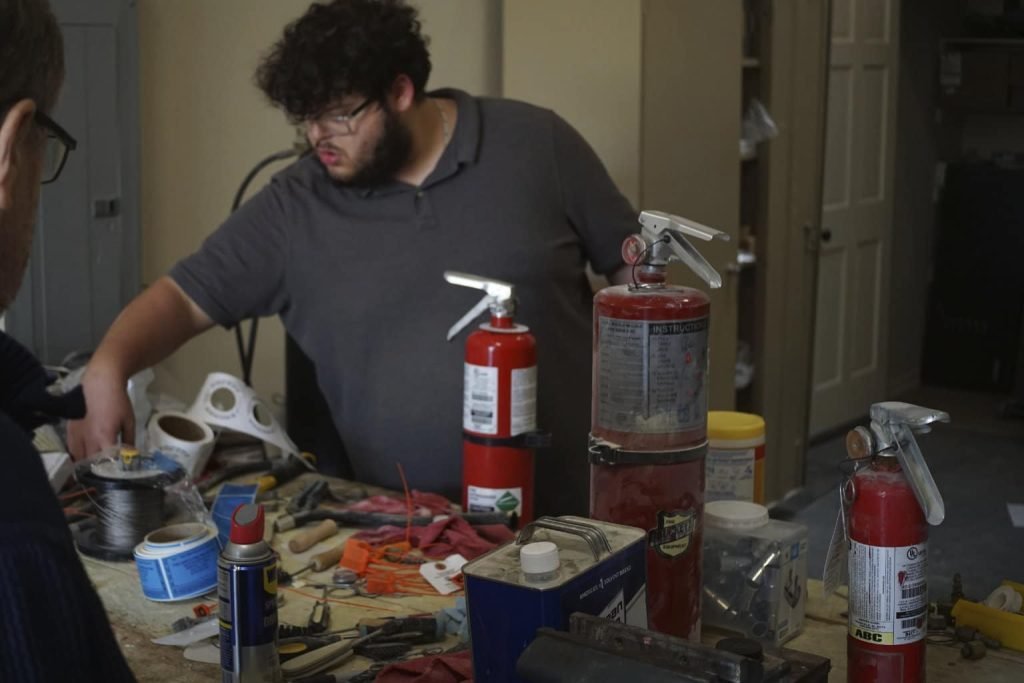
Have you ever wondered what to do with a used fire extinguisher sitting in your home or workplace? It’s not something you use every day, but when it’s empty or expired, disposing of it properly is crucial.
If you throw it away carelessly, it can be dangerous for you and the environment. This guide will help you understand exactly how to get rid of your used fire extinguisher safely and responsibly. Keep reading—your safety and peace of mind depend on it.

Credit: www.linkedin.com
Types Of Fire Extinguishers
Understanding the different types of fire extinguishers is key to disposing of them properly. Each type contains unique chemicals or substances, which means they require specific handling and disposal methods. Knowing what type you have can help you avoid hazards and ensure safe disposal.
Water-based Extinguishers
Water-based extinguishers are filled with plain water or water mixed with additives. They are mainly used for Class A fires involving wood, paper, or textiles. Because they contain water, these extinguishers are generally easier to empty and recycle, but the metal cylinder still needs proper disposal.
Have you checked if your local recycling center accepts these cylinders? Some centers require the extinguisher to be fully depressurized before drop-off.
Foam Extinguishers
Foam extinguishers work by covering flammable liquids with a foam layer, cutting off oxygen. They are effective on Class A and B fires, like petrol or paint fires. Due to the chemical foam inside, you can’t just throw them in the trash.
Disposing of foam extinguishers often means taking them to hazardous waste facilities. What safe methods are available in your area for handling these chemicals?
Powder Extinguishers
Powder extinguishers contain dry chemicals that interrupt the fire’s chemical reaction. They are versatile and commonly used for electrical fires and flammable liquids. The powder inside can be messy and harmful if not handled properly.
These extinguishers need special disposal because the powder is considered hazardous waste. Have you seen local guidelines on where to dispose of these safely?
Co2 Extinguishers
CO2 extinguishers release carbon dioxide gas to suffocate fires, ideal for electrical and flammable liquid fires. They don’t leave residue, which sounds convenient, but the cylinders are under high pressure and can be dangerous if mishandled.
Recycling CO2 extinguishers usually involves returning them to the supplier or a certified disposal center. Do you know who handles these in your community?
Why Proper Disposal Matters
Proper disposal of used fire extinguishers protects people and the planet. Old extinguishers contain chemicals and pressurized gas that can harm the environment or cause accidents. Safe disposal ensures these hazards do not affect your community. Following legal rules also avoids fines and penalties. Understanding why disposal matters helps you act responsibly and keep everyone safe.
Environmental Impact
Fire extinguishers have chemicals that can pollute soil and water. If thrown in the trash, these toxins may leak and harm wildlife. Pressurized containers can explode and release harmful gases into the air. Recycling parts reduces waste and prevents pollution. Proper disposal keeps the environment clean and healthy.
Safety Concerns
Used fire extinguishers can be dangerous if not handled carefully. They may still hold pressure and explode if damaged. Chemicals inside can cause burns or respiratory problems. Disposal centers follow strict rules to handle extinguishers safely. Avoid injuries by never puncturing or throwing them in regular trash.
Legal Requirements
Many places have laws about disposing of fire extinguishers. These rules protect public safety and the environment. Fines or penalties can result from improper disposal. Authorized facilities accept old extinguishers for safe handling. Check local regulations to ensure you follow the law correctly.
Preparation Before Disposal
Before you dispose of a used fire extinguisher, proper preparation is crucial to ensure safety and compliance with local regulations. Handling an extinguisher without the right steps can lead to accidents or environmental harm. Taking time to prepare helps you avoid these risks effectively.
Inspecting Extinguisher Condition
Start by checking the extinguisher’s overall condition. Look for dents, rust, or leaks that might make it unsafe to handle. A damaged extinguisher could be hazardous, so identifying these issues early is important.
Also, check the pressure gauge if your extinguisher has one. A needle in the green zone means it may still contain pressure, while a needle in the red zone suggests it’s empty or faulty. Understanding this helps you decide the next steps safely.
Discharging Remaining Contents
Before disposal, release any remaining contents in a safe, open area away from people and pets. Aim the nozzle away from yourself and squeeze the handle until nothing more comes out. This step prevents accidental discharge during transport or storage.
If you’re unsure where to safely discharge the extinguisher, contact your local fire department. They often provide guidance or even offer disposal services. Have you ever thought about how many dangerous chemicals can linger if you skip this step?
Disposal Methods
Disposing of used fire extinguishers safely is important for the environment and safety. Different disposal methods exist to handle these items properly. Choosing the right method depends on your location and the type of extinguisher you have. Understanding these options helps prevent hazards and promotes recycling.
Recycling Options
Many fire extinguishers contain metal and other recyclable parts. Recycling centers can separate metals like steel and aluminum for reuse. Some centers accept extinguishers as scrap metal. Always check if the extinguisher is fully discharged before recycling. This step ensures safety during handling and processing.
Local Waste Facilities
Local waste facilities often accept fire extinguishers for disposal. They follow rules to manage hazardous materials safely. Contact your local waste management office to confirm their policies. Some facilities require appointments or special handling instructions. Proper disposal here protects the environment and public health.
Manufacturer Take-back Programs
Many manufacturers offer take-back programs for used extinguishers. These programs allow you to return old units for safe disposal. Some manufacturers provide prepaid shipping labels or drop-off locations. This option ensures extinguishers are handled correctly and recycled if possible. Check the manufacturer’s website or contact customer service for details.
Steps For Safe Disposal
Proper disposal of used fire extinguishers is crucial for safety and environmental care. Follow clear steps to discard them responsibly. This process prevents accidents and complies with legal rules. Learn how to handle used fire extinguishers safely.
Contacting Local Authorities
Reach out to your local fire department or waste management office. They offer guidance on disposing of fire extinguishers. Ask about regulations in your area. Confirm if special permits or fees apply. Local authorities ensure safe handling and recycling options.
Following Community Guidelines
Check your community’s rules for hazardous waste disposal. Many towns have specific days or centers for such items. Follow instructions to prepare the extinguisher for drop-off. This may include discharging or sealing it. Compliance avoids fines and protects the environment.
Arranging Pick-up Or Drop-off
Schedule a pick-up service if available. Some areas provide curbside collection for hazardous waste. Alternatively, take the extinguisher to a designated drop-off location. Use protective gloves and handle the extinguisher carefully. Proper disposal keeps your home and neighborhood safe.

Credit: www.facebook.com
Alternatives To Disposal
Finding alternatives to simply throwing away your used fire extinguishers can save resources and even help others. Instead of adding more waste to landfills, consider options that extend the life of these safety tools. You might be surprised how much value remains in a used extinguisher.
Refurbishing Extinguishers
Refurbishing is a practical way to give your fire extinguisher a second life. Many companies specialize in inspecting, refilling, and repairing extinguishers to meet safety standards again.
Think about the last time you checked your extinguisher. Was it just sitting unused? Refurbishing can make it fully functional and ready for emergencies once more.
Look for certified refurbishing services nearby. They often replace worn parts, recharge the chemical agents, and perform necessary tests to ensure reliability. This option can be cost-effective and environmentally friendly.
Donation To Organizations
Consider donating your used extinguisher to local nonprofits, schools, or community centers. Many organizations welcome these donations to keep their premises safe without high costs.
Have you ever thought about how many groups struggle to afford proper safety equipment? Your donated extinguisher could make a big difference in someone’s safety preparedness.
Before donating, confirm the extinguisher is still in good shape or has been recently serviced. This ensures the recipient can rely on it when needed, turning your unused item into a crucial safety tool.
Tips For Future Safety
Ensuring safety after disposing of a used fire extinguisher involves more than just proper disposal. You need to think ahead about how to keep your fire safety equipment reliable and ready for emergencies. Here are some practical tips that can help you maintain safety going forward.
Regular Maintenance
Check your fire extinguisher regularly for any signs of damage or leakage. A monthly visual inspection can catch issues early before they become dangerous.
Make sure the pressure gauge needle is in the green zone. If it’s not, servicing or replacement is necessary.
Have a professional inspect and service your extinguisher annually. This keeps it functioning properly and ready when you need it most.
Proper Storage Practices
Store your extinguisher in an easily accessible place. Avoid hidden spots where you might forget it during an emergency.
Keep it away from extreme heat or cold, as temperature fluctuations can damage the device.
Mount it securely on a wall bracket to prevent it from falling or getting knocked over.
Timely Replacement
Fire extinguishers don’t last forever. Check the manufacturer’s expiration date and replace the unit when it’s due.
If you’ve used your extinguisher, even partially, replace or recharge it immediately. A partially used extinguisher may not work effectively next time.
Ask yourself: Is your extinguisher still in top condition? Replacing it on time can save lives and property.

Credit: www.facebook.com
Frequently Asked Questions
How Do I Safely Dispose Of A Used Fire Extinguisher?
To safely dispose of a used fire extinguisher, fully discharge it outdoors. Then, check with local hazardous waste facilities for proper drop-off locations.
Can I Recycle An Empty Fire Extinguisher?
Yes, most empty fire extinguishers are recyclable. Remove the head, and take the metal cylinder to a scrap metal recycling center.
Where Can I Take Old Fire Extinguishers?
Old fire extinguishers can be taken to hazardous waste collection sites or fire departments that accept used units for disposal.
Is It Illegal To Throw Fire Extinguishers In The Trash?
Yes, it is illegal in many areas to discard fire extinguishers in regular trash due to pressurized chemicals and environmental hazards.
Conclusion
Used fire extinguishers need safe disposal to protect people and the planet. Never throw them in regular trash bins. Find local recycling centers or hazardous waste facilities that accept them. Empty the extinguisher fully before taking it in. Doing this helps avoid accidents and pollution.
Taking these steps keeps your home and community safe. Dispose of used fire extinguishers carefully and responsibly every time. It’s a small effort with a big impact.

Hi, I’m Daniel Brooks—a food lover and kitchen gear enthusiast. I enjoy testing cookware, utensils, and gadgets to see what really works in everyday cooking. At PlugChef.com, I share honest reviews, comparisons, and simple guides to help you choose the best tools for a safer, smarter, and more enjoyable kitchen.
Related posts:
 What Type of Cooking Utensils are Safe: Expert Picks
 What Innovations Could Blenders Make: Unleashing Future Tech
 Smart Strategies to Organize a Small Kitchen: Maximize Space
 How to Organize a Kitchen Cabinet: Expert Tips & Tricks
 How to Organize Kitchen Drawers: Expert Tips and Tricks
 How to Organize a Corner Kitchen Cupboard: Expert Tips

