
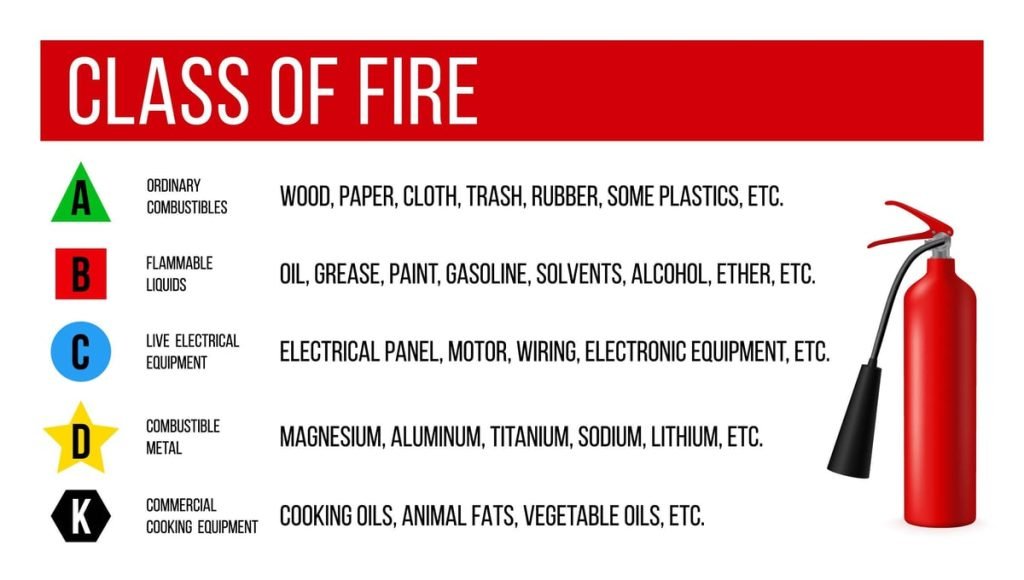
Have you ever wondered what type of fire extinguisher you need for your kitchen or restaurant? If you’re dealing with fires caused by cooking oils and fats, a regular extinguisher won’t cut it.
That’s where a Class K fire extinguisher comes in. Knowing how and when to use this specific extinguisher could save your property—and even lives. Keep reading to discover why the Class K fire extinguisher is essential for your safety and how it works when you need it most.

Credit: www.chinafiresafety.com
Importance Of Class K Fire Extinguishers
Class K fire extinguishers are essential in kitchens and food service areas. They are designed to put out fires involving cooking oils and fats. These fires burn hotter and spread faster than other types. Using the wrong extinguisher can make the fire worse. Class K extinguishers help stop these fires safely and quickly.
Having a Class K extinguisher nearby reduces risks and protects people and property. They meet specific safety standards and are effective against high-temperature grease fires. Every commercial kitchen needs one to ensure safety and compliance with fire codes.
Specialized Design For Kitchen Fires
Class K extinguishers contain a unique wet chemical agent. This agent cools the fire and forms a soap-like layer over oils. This layer stops oxygen from reaching the fuel. This action prevents the fire from reigniting. Other extinguishers often fail on grease fires.
Protection For Commercial Kitchens
Commercial kitchens use large amounts of cooking oil daily. Fires can start quickly and spread fast. Class K extinguishers reduce damage and injury risk. They are a critical safety tool in restaurants and cafeterias.
Compliance With Fire Safety Regulations
Many local laws require Class K extinguishers in food service areas. Meeting these rules avoids fines and legal issues. Regular inspections and maintenance ensure extinguishers are ready for use.
Easy To Use In Emergencies
Class K extinguishers are simple to operate. Clear instructions help users act fast. Quick response can prevent small fires from becoming disasters. Training staff on proper use is highly recommended.
Understanding Kitchen Fires
Kitchen fires can start quickly and spread fast. These fires are different from other types because they often involve cooking oils and fats. Understanding the nature of kitchen fires helps in choosing the right extinguisher. Class K fire extinguishers are specially made to fight these fires safely and effectively.
Most kitchen fires begin with overheated oils or grease. These substances catch fire at high temperatures and burn intensely. Water or regular fire extinguishers can make these fires worse. Knowing how kitchen fires behave is key to preventing damage and injury.
Common Causes Of Kitchen Fires
- Overheated cooking oils and grease
- Unattended cooking on stoves
- Electrical appliance malfunctions
- Improper disposal of hot ashes or grease
- Flammable materials near heat sources
Why Kitchen Fires Are Dangerous
Kitchen fires spread faster than many other types. The oils burn at very high temperatures. Flames can reach nearby cabinets and curtains quickly. Smoke from burning grease is thick and toxic. These fires can cause serious burns and property damage.
How Class K Fire Extinguishers Work
Class K extinguishers use a special wet chemical agent. This agent cools the fire and creates a barrier. It stops the fire from reigniting by turning grease into soap. This process is called saponification. It makes kitchen fires easier to control and put out safely.
Features Of Class K Fire Extinguishers
Understanding the features of Class K fire extinguishers can make a real difference in kitchen safety. These extinguishers are specially designed to tackle fires involving cooking oils and fats, which behave very differently from other types of fires. Knowing what sets them apart will help you choose the right tool for your kitchen emergencies.
Chemical Composition
Class K fire extinguishers use a unique wet chemical agent, often potassium acetate or potassium citrate. This chemical reacts with the burning oil or grease to form a soapy foam on the surface.
This foam cools the fire and seals the surface, preventing oxygen from fueling the flames again. Unlike water, which can spread grease fires, this chemical safely controls and extinguishes them without splattering hot oil.
Effectiveness In Grease Fires
Grease fires can escalate quickly and are notoriously difficult to put out with standard extinguishers. Class K extinguishers are specifically tested and rated for these high-risk kitchen fires.
The wet chemical agent not only cools the fire but also creates a barrier that stops re-ignition. Have you ever tried using water or a regular extinguisher on a grease fire and seen it spread? This is why Class K extinguishers are essential in commercial kitchens and even home kitchens with heavy cooking.

Credit: www.indiamart.com
Proper Usage Techniques
Proper usage of a Class K fire extinguisher is crucial for safety and effectiveness. These extinguishers are designed for fires involving cooking oils and fats. Using them correctly stops the fire without spreading it or causing harm.
Understanding the right technique ensures quick control of kitchen fires. It also protects people and property from damage.
Steps To Operate
- Pull the safety pin to unlock the extinguisher.
- Aim the nozzle at the base of the fire.
- Squeeze the handle firmly to release the extinguishing agent.
- Use a sweeping motion side to side across the fire base.
- Keep spraying until the flames are fully out.
- Watch the area carefully to prevent re-ignition.
Safety Precautions
- Keep a safe distance from the fire while using the extinguisher.
- Ensure you have a clear escape path behind you.
- Never use water on grease or oil fires; it causes flare-ups.
- Only use Class K extinguishers on cooking oil fires.
- Check the extinguisher regularly for pressure and damage.
- Call emergency services if the fire grows out of control.
Maintaining Fire Extinguishers
Maintaining fire extinguishers is vital for safety. Proper care ensures they work when needed. Neglect can lead to failure during an emergency. Regular checks and correct storage keep them ready. This section explains how to maintain Class K fire extinguishers effectively.
Regular Inspections
Check fire extinguishers monthly. Look for visible damage or corrosion. Make sure the pressure gauge is in the green zone. Confirm the nozzle is clear and not blocked. Verify the safety pin is intact and sealed.
Record inspection dates and findings. This helps track maintenance history. Replace or service any extinguisher showing problems. Professional checks should happen annually.
Storage Guidelines
Store extinguishers in easily accessible locations. Avoid places with extreme temperatures or moisture. Keep them away from grease or oil buildup. Mount extinguishers on walls at visible heights.
Ensure signs mark extinguisher spots clearly. Regularly clear obstacles blocking access. Proper storage prevents damage and ensures quick use during fires.
Training For Kitchen Staff
Training kitchen staff on using Class K fire extinguishers is vital for safety. Proper knowledge helps stop fires quickly and prevents injuries. Staff must understand how to handle kitchen fires caused by oils and fats. Hands-on training builds confidence and readiness in emergency situations.
Fire Safety Drills
Regular fire safety drills prepare staff for real emergencies. Drills teach evacuation routes and safe fire extinguisher use. Practice makes responses faster and more effective. Drills should include:
- Identifying fire types in the kitchen
- Locating Class K fire extinguishers
- Using the extinguisher correctly
- Following safety protocols after extinguishing
These drills reduce panic and improve teamwork during fires.
Emergency Response Skills
Kitchen staff must learn clear emergency response skills. Knowing when to use a Class K extinguisher can save lives. Staff should:
- Recognize a grease or oil fire quickly
- Activate alarms and alert others
- Use the extinguisher with proper technique
- Call emergency services if fire grows
- Keep calm and evacuate if needed
Training these skills reduces fire damage and improves kitchen safety.
Legal Requirements And Compliance
Legal requirements for Class K fire extinguishers are vital in kitchens. These rules protect lives and property by reducing fire risks. Understanding these laws helps businesses stay safe and avoid penalties. Compliance also shows a commitment to safety standards in commercial cooking areas.
Regulations For Commercial Kitchens
Most countries require Class K fire extinguishers in commercial kitchens. These extinguishers handle fires from cooking oils and fats. Fire codes often specify where to place these extinguishers for quick access. Regular inspection and maintenance are also mandated to ensure functionality. Failure to comply can lead to fines or closure of the business.
Certification Standards
Class K fire extinguishers must meet certain certification standards. These standards confirm the extinguisher works effectively on kitchen fires. Testing organizations like UL (Underwriters Laboratories) certify these products. Certified extinguishers carry labels showing compliance with safety rules. Using non-certified extinguishers can be illegal and unsafe in commercial settings.

Credit: www.facebook.com
Additional Safety Tips
Additional safety measures are crucial when using Class K fire extinguishers. These extinguishers protect against fires caused by cooking oils and fats. Following safety tips reduces the risk of accidents and fire spread. Understanding simple practices enhances kitchen safety for everyone.
Preventive Measures
- Keep flammable materials away from cooking areas.
- Never leave cooking unattended, especially with hot oils.
- Regularly clean kitchen hoods and vents to avoid grease buildup.
- Install smoke detectors near cooking zones.
- Store Class K extinguishers in easy-to-reach places.
Handling Kitchen Equipment
- Use proper utensils designed for hot oil cooking.
- Do not overfill pots or fryers with oil.
- Turn off heat sources before moving hot oil containers.
- Wear heat-resistant gloves to prevent burns.
- Check equipment for damage or leaks regularly.
Frequently Asked Questions
What Is A Class K Fire Extinguisher Used For?
A Class K fire extinguisher is designed to combat fires involving cooking oils and fats. It is ideal for commercial kitchens and restaurants. These extinguishers effectively suppress high-temperature grease fires that water-based extinguishers cannot handle safely.
Can Class K Extinguishers Put Out Grease Fires?
Yes, Class K extinguishers are specifically made to extinguish grease and oil fires. They use a wet chemical agent that cools and smothers the fire. This prevents re-ignition, making them essential for kitchen fire safety.
Where Should Class K Fire Extinguishers Be Placed?
Class K extinguishers should be placed near cooking appliances in commercial kitchens. Positioning them within easy reach ensures quick response to grease fires. Proper placement complies with fire safety regulations and reduces fire damage risk.
How Does A Class K Extinguisher Work?
Class K extinguishers work by releasing a wet chemical agent that cools hot oils. The agent creates a foam layer that smothers the fire, cutting off oxygen. This dual action effectively puts out grease fires safely and prevents flare-ups.
Conclusion
Class K fire extinguishers protect against kitchen fires safely. They work well on grease and oil flames. Using the right extinguisher prevents damage and injury. Always keep one near cooking areas for quick action. Knowing how and when to use it saves lives.
Stay prepared and keep your kitchen safe today.

Hi, I’m Daniel Brooks—a food lover and kitchen gear enthusiast. I enjoy testing cookware, utensils, and gadgets to see what really works in everyday cooking. At PlugChef.com, I share honest reviews, comparisons, and simple guides to help you choose the best tools for a safer, smarter, and more enjoyable kitchen.
Related posts:
 What Type of Cooking Utensils are Safe: Expert Picks
 What Innovations Could Blenders Make: Unleashing Future Tech
 Smart Strategies to Organize a Small Kitchen: Maximize Space
 How to Organize a Kitchen Cabinet: Expert Tips & Tricks
 How to Organize Kitchen Drawers: Expert Tips and Tricks
 How to Organize a Corner Kitchen Cupboard: Expert Tips

