
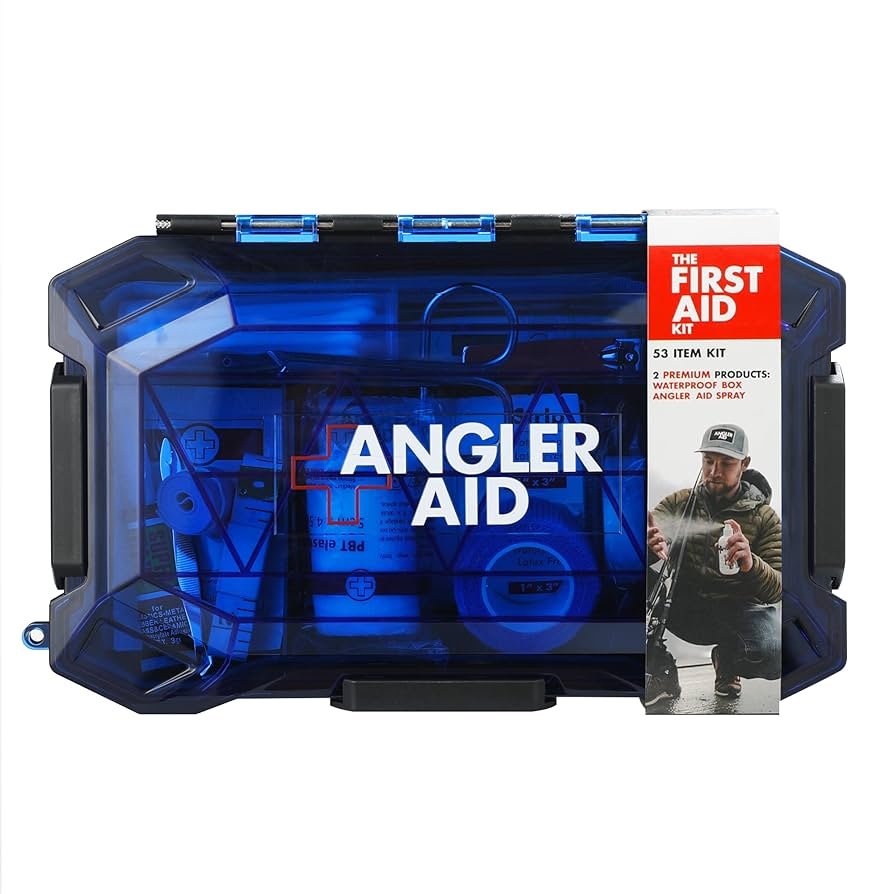
You’re halfway through a perfect day on the water, rod bent with a fighting bass, when a stray hook nicks your thumb, or you slip on a wet boat deck and scrape your knee. For anglers, minor injuries aren’t just annoyances — they can quickly turn a fun trip into a stressful situation, especially if you’re fishing in a remote area where medical care is miles away. Unlike generic first aid kits packed with irrelevant supplies, the Angler Aid First Aid Kit is purpose-built for the unique risks of fishing, with specialized tools to handle hook punctures, water-exposed wounds, and other common angler injuries. In this guide, we’ll break down exactly what makes this kit a non-negotiable piece of fishing gear, how to use it effectively, and how to keep it ready for every trip.

Why Fishing-Specific First Aid Kits Are Non-Negotiable
Fishing trips offer the chance to disconnect and enjoy nature, but they come with inherent risks that generic first aid kits are not designed to address. Even a small cut can develop a serious infection if exposed to lake or saltwater bacteria, and a barbed hook puncture can drive rust and debris deep into tissue if not treated correctly. For anglers who fish in remote areas, hours away from the nearest urgent care clinic, having the right supplies on hand can mean the difference between a minor inconvenience and a trip-ending emergency. According to the CDC’s outdoor safety guidelines, timely first aid for water-related injuries reduces the risk of severe complications significantly, making a specialized kit a critical piece of safety gear.
Common Fishing-Related Injuries Most Anglers Overlook
Fishing injuries go far beyond the occasional hook stick. Hook punctures are the most common, with barbed hooks often embedding deep in fingers, hands, or even faces. Fish spine wounds from catfish, lionfish, or even bluegill are another frequent hazard: these spines deliver venom and bacteria that cause intense pain and high infection risk. Slip-and-fall injuries on wet boat decks, slick river rocks, or icy shorelines lead to sprains, broken bones, and head trauma every year. Long hours in the sun cause severe sunburn and heat stroke, while insect and tick bites spread illnesses like Lyme disease and West Nile virus. Even fish slime can trigger severe allergic reactions in sensitive anglers. In practice, many anglers write off small hook punctures as no big deal, but these wounds have a higher risk of serious infection than standard cuts, especially in warm freshwater or saltwater environments where bacteria like Vibrio thrive.
The Downside of Generic First Aid Kits for Fishing Trips
Most household first aid kits are designed for kitchen cuts and minor household burns, not the unique hazards of fishing. They lack the specialized tools needed to safely remove barbed hooks, have bandages too small to cover puncture wounds, and use packaging that isn’t waterproof, so supplies get damaged if the kit gets wet. Many generic kits also include irrelevant items like burn cream for stovetop accidents, while skipping critical supplies like antiseptic wipes formulated for water-exposed wounds. Relying on a generic kit leaves you unprepared for the most common fishing injuries, increasing your risk of infection and complications.
What’s Inside the Angler Aid First Aid Kit
The Angler Aid kit is curated specifically for angler needs, with no unnecessary bulk and every item serving a clear purpose for fishing-related injuries. Each component is selected to address the most common hazards you’ll face on the water, from small scrapes to hook punctures.
 The kit’s organized compartments make it easy to find supplies quickly during an emergency.
Credit: www.amazon.com
The kit’s organized compartments make it easy to find supplies quickly during an emergency.
Credit: www.amazon.com
Core Wound Care Supplies
These items form the foundation of the kit, designed to clean, protect, and dress common fishing wounds. Sterile gauze pads are large enough to cover hook punctures and apply pressure to stop bleeding from deeper cuts. Adhesive bandages in multiple sizes work for small scrapes and larger wounds, while antiseptic wipes are formulated to clean water-exposed wounds without stinging sensitive, waterlogged skin. Medical tape secures gauze and dressings even on wet skin, alcohol prep pads sanitize tools before hook removal, and elastic bandage wraps treat sprains from slips and falls. All sterile supplies are sealed to stay dry even if the kit is submerged, so you never have to use contaminated materials on an open wound.
Specialized Tools for Fishing Injuries
The kit’s specialized tools set it apart from generic options, making it easy to handle the most common fishing injuries safely. Needle-nose pliers and precision forceps grip barbed hooks securely without slipping, while wire cutters snip hook barbs to make removal faster and less painful. Small scissors cut gauze and bandages to size, and fine-tipped tweezers remove splinters, tick heads, and small debris from wounds. A common mistake many anglers make is trying to pull a barbed hook out with bare fingers, which tears tissue and increases infection risk — these tools eliminate that hazard entirely.
Medications and Topical Treatments
The kit includes a range of medications to address pain, inflammation, and allergic reactions common on fishing trips. Antibiotic ointment prevents infection in water-exposed wounds, pain relief cream eases muscle soreness from long days of casting and reeling, and hydrocortisone cream reduces itching from insect bites and fish slime allergies. Oral pain relievers like ibuprofen or acetaminophen reduce swelling from sprains and alleviate headache from sun exposure. All medications are sealed in single-use, temperature-stable packaging to remain effective even in extreme heat or cold.
Emergency and Navigation Add-Ons
The kit includes a waterproof emergency contact card with space to list your medical information (allergies, blood type, current medications), local emergency services numbers for your fishing area, contact details for your fishing companions, and the location of the nearest hospital or urgent care clinic. Many versions also include a compact emergency whistle and space blanket for unplanned overnight stays if you’re caught in bad weather or injured while fishing remotely.
How the Angler Aid Stands Out From Generic Kits
While generic first aid kits offer basic wound care, the Angler Aid is purpose-built for the specific conditions of fishing, with features that make it far more reliable on the water.
Built for Wet, Rough Conditions
The kit’s carrying case is fully submersible waterproof, so even if you drop it in the water or get caught in a sudden thunderstorm, all supplies stay dry and sterile. The impact-resistant, rugged case survives being tossed in a truck bed, stepped on, or dropped on a boat deck, so you don’t have to worry about cracked plastic or damaged supplies when you need them most. In contrast, generic kits use thin plastic cases that crack easily and let water in, ruining sterile supplies.
Compact, No-Bulk Design
Many anglers avoid carrying first aid kits because they’re too bulky and take up valuable space in a fishing vest, boat console, or backpack. The Angler Aid’s slim, lightweight design fits easily in a wader pocket, vest pouch, or small boat storage compartment, so you can bring it along on even short day trips without sacrificing space for rods, tackle, or snacks. Its organized interior compartments mean you can find the supply you need in seconds, even in low light or rough water.
Customizable for Every Fishing Style
No two fishing trips are the same, so the Angler Aid kit includes empty compartments to add supplies tailored to your specific needs. For remote bass fishing trips in snake-heavy areas, add a tourniquet and snake bite kit. For long saltwater trips, add extra burn cream and aloe gel for sun and jellyfish stings. For family outings, add child-sized bandages, children’s pain relievers, and extra antihistamines for allergy-prone kids. If you have a chronic health condition, add personal medications like EpiPens or inhalers to the custom compartments for quick access.
Step-by-Step Guide to Treating Common Fishing Injuries with Your Kit
Knowing how to use your kit correctly is just as important as packing it. Following proper first aid protocols reduces infection risk, eases pain, and prevents minor injuries from turning into serious health issues. Following Red Cross first aid protocols for cleaning and dressing puncture wounds minimizes infection risk, especially for injuries exposed to lake or saltwater bacteria that can cause serious illness if left untreated.
Treating Hook Punctures and Fish Spine Wounds
Hook punctures and fish spine wounds carry a high risk of infection if not treated correctly. Follow these steps for safe care:
- Do not pull the hook out immediately if the barb is embedded — pulling it can tear tissue and push bacteria deeper into the wound.
- Use the included pliers or hook remover to grip the hook shaft firmly, then push the hook gently forward until the barb exits the skin. If the barb is too deep to push through, use wire cutters to snip the barb off first, then pull the hook out along the entry path.
- Clean the wound thoroughly with an antiseptic wipe, then apply a thin layer of antibiotic ointment to reduce infection risk.
- Cover the wound with a sterile gauze pad and secure it with medical tape.
- Watch for signs of infection: increasing redness, swelling, pus, or fever. Seek medical care immediately if you notice these symptoms. For hooks embedded in the eye, face, or near a joint, do not attempt removal yourself — seek professional medical care right away to avoid permanent damage.
Managing Cuts, Scrapes, and Abrasions
Small cuts and scrapes are common when filleting fish or navigating rocky shorelines. Treat them with these steps:
- Clean the wound with clean water or an antiseptic wipe to remove dirt, fish slime, and debris.
- Apply gentle pressure with a sterile gauze pad for 5-10 minutes to stop bleeding.
- Apply a thin layer of antibiotic ointment to prevent infection.
- Cover the wound with an adhesive bandage or sterile dressing, secured with medical tape if needed.
- Change the dressing daily, or immediately if it gets wet or dirty. For deeper cuts that won’t stop bleeding after 10 minutes of firm pressure, or cuts longer than half an inch, seek professional medical care to get stitches if needed.
Responding to Allergic Reactions and Insect Bites
Insect bites, fish slime exposure, and bait allergies can trigger reactions ranging from mild itching to life-threatening anaphylaxis. Follow these steps to respond appropriately:
- For mild reactions (small itchy bumps from mosquito bites, mild itching from fish slime), apply hydrocortisone cream to the affected area and take an oral antihistamine if included in your kit.
- For moderate reactions (widespread hives, swelling of the lips or face), take an oral antihistamine and monitor symptoms closely.
- For severe reactions (difficulty breathing, swelling of the throat, dizziness), use an epinephrine injector if you carry one, then call 911 immediately. Stay with the affected person and monitor their breathing and pulse while waiting for help.
When to Seek Professional Medical Care
The Angler Aid kit is designed for minor injuries, but it is not a replacement for professional medical care in life-threatening situations. Seek immediate medical attention if you experience any of the following:
- Deep puncture wounds that penetrate more than a quarter-inch deep
- Signs of infection (redness, swelling, pus, fever) within 24 hours of injury
- Hook or foreign object embedded in the eye, face, neck, or near a joint
- Severe bleeding that won’t stop after 10 minutes of firm pressure
- Difficulty breathing, signs of anaphylaxis, or symptoms of a severe allergic reaction
- Signs of hypothermia (uncontrollable shivering, confusion, slurred speech) after falling in cold water
How to Maintain and Restock Your Angler Aid First Aid Kit
A first aid kit is only useful if its supplies are intact, unexpired, and easy to find when you need them. Regular maintenance takes just a few minutes, but it ensures your kit is ready for every trip.

Regular Pre-Trip and Quarterly Inspections
Set a schedule to inspect your kit every 3 months, and do a full check before every fishing trip. Open each supply to confirm it’s intact: check that bandage adhesives are still sticky, gauze is not torn or damp, and tools are not rusted or dull. A quick 2-minute check before you head out can save you from realizing your supplies are unusable when you need them most.
Restocking Frequency Cheat Sheet
Use this simple guide to stay on top of replacements and avoid expired or damaged supplies:
| Item Category | Restock Frequency | Key Notes |
|---|---|---|
| Bandages, gauze, adhesive dressings | After every use, or every 6 months if unused | Discard immediately if packaging is torn, damp, or open |
| Antiseptic wipes, antibiotic ointment | Every 1-2 years | Check expiration dates before every trip; discard if separated or discolored |
| Oral medications (pain relievers, antihistamines) | Every 1 year, or immediately after use | Store in a cool, dry place away from direct sunlight to preserve effectiveness |
| Hook removal tools (pliers, forceps, wire cutters) | Inspect every 3 months | Replace if rusted, dull, or if grips are damaged |
| Emergency contact card | Every 6 months | Update with new medical info, local emergency numbers, and companion contact details as needed |
Adding Personalized Supplies
Tailor your kit to your specific needs and fishing style: if you have a penicillin allergy, add a medical alert sticker to the outside of the case; if you fish in snake-heavy areas, add a snake bite kit; if you have diabetes, add glucose tablets; if you fish with kids, add child-sized bandages and children’s pain relievers. Think about the minor injuries you’ve experienced on past trips: if you frequently get hook punctures, add extra antibiotic ointment; if you fish in cold water, add a small pack of hand warmers to treat hypothermia symptoms early. Many anglers also add a small multi-tool and waterproof matches to their kit for added emergency preparedness.
Essential Fishing Safety Practices Beyond Your First Aid Kit
A first aid kit is a critical safety tool, but it’s not a replacement for proactive safety habits that prevent injuries in the first place. These simple practices reduce your risk of accidents and keep your trips enjoyable.
Wear Purpose-Built Protective Gear
Gloves designed for fishing protect your hands from hook punctures, fish spine wounds, and sharp fillet knife cuts — look for cut-resistant material if you frequently handle large, spiny fish. Keeping your filleting tools sharp reduces the risk of accidental cuts: if you’re unsure which steel type holds an edge longest for outdoor use, maintaining sharp filleting tools breaks down the pros and cons of each material. Even a small portable whetstone can help you keep cutting edges honed mid-trip if your knife dulls after processing multiple fish. Polarized sunglasses protect your eyes from stray hooks, flying debris, and harsh sunlight reflecting off the water. Non-slip, waterproof boots with steel toes protect your feet from heavy gear and slippery surfaces, while a wide-brimmed, UPF-rated hat reduces sunburn risk on long days on the water. If you wear waders, always use a wader belt to prevent water from filling your waders if you fall in, which can lead to fatal hypothermia in cold water.
Stay Ahead of Weather and Water Hazards
Check the full weather forecast for your fishing spot before you leave, including lightning risk, wind speed, and water temperature. Sudden summer thunderstorms can pop up with little warning, creating dangerous high waves and lightning risk. If you’re fishing from a boat, always wear a Coast Guard-approved life jacket, even if you’re a strong swimmer. Avoid wading in fast-moving water after heavy rain, as currents can be stronger than they appear. After fishing in brushy or grassy areas, do a full tick check to reduce the risk of Lyme disease. For multi-day trips, secure dry storage for bait keeps live bait fresh and avoids messy spills that can attract wildlife to your campsite.
Follow Basic Trip Planning Rules
Always let a trusted contact know your float plan: where you’re fishing, how long you’ll be gone, and when to call for help if you don’t check in. Never fish alone in remote areas — a fishing buddy can assist with injuries, call for help, and help you navigate back to shore if you’re injured. Keep a fully charged cell phone or satellite messenger in a waterproof case, even if you’re fishing in an area with spotty service. After a successful day on the water, use transporting prepped catch to store cleaned, iced fish safely without leaking water into your gear.
Frequently Asked Questions
What is included in the Angler Aid First Aid Kit?
The standard kit includes sterile gauze pads, adhesive bandages in multiple sizes, antiseptic wipes, antibiotic ointment, pain relievers, hydrocortisone cream, needle-nose pliers, hook removal forceps, wire cutters, tweezers, small scissors, medical tape, a waterproof emergency contact card, and a compact carrying case. Deluxe versions add extra supplies like a tourniquet, burn cream, and emergency space blanket.
Is the Angler Aid First Aid Kit waterproof?
Yes, the standard carrying case is fully submersible waterproof, designed to keep all supplies dry even if dropped in water or exposed to heavy rain. All sterile supplies are sealed in waterproof packaging to ensure they remain effective even after prolonged exposure to moisture.
Can I use the Angler Aid kit for non-fishing outdoor activities?
Absolutely. The kit’s versatile supplies work for camping, hiking, boating, hunting, and other outdoor adventures. The compact size makes it easy to toss in any day pack or gear bag, and the specialized hook removal tools are a bonus for any activity that involves working with sharp metal or wire.
How do I customize the Angler Aid kit for my fishing trips?
The kit includes empty compartments to add personal and trip-specific supplies. For saltwater trips, add extra antibiotic ointment and burn cream for sun and jellyfish stings. For remote freshwater trips, add a tourniquet, snake bite kit, and water purification tablets. For family outings, add child-sized bandages, children’s pain relievers, and extra antihistamines for allergy-prone kids.
Can I bring the Angler Aid First Aid Kit on a commercial flight?
Yes, all standard first aid supplies (bandages, antiseptics, pain relievers, tools) are allowed in both carry-on and checked luggage per TSA guidelines. If you include liquid medications or ointments, ensure they are in 3.4-ounce (100ml) or smaller containers and placed in your clear quart-sized liquids bag.
What should I do if a hook punctures my hand deeply?
If a barbed hook is embedded deep in your hand, do not pull it out forcefully. Use the included pliers to grip the hook shaft, then push the hook gently forward until the barb exits the skin. If the barb is too deep to push through, snip it off with the included wire cutters, then pull the hook out along the entry path. Clean the wound thoroughly with antiseptic, apply antibiotic ointment, and cover with a sterile dressing. Seek medical care if the wound is deep, shows signs of infection, or if you have not had a tetanus shot in the last 10 years.
Conclusion
The Angler Aid First Aid Kit is one of the most practical, low-cost investments you can make for your fishing trips. Unlike generic kits that are designed for household accidents, it’s built specifically for the unique risks of angling: hook punctures, water-exposed wounds, sprains from slippery surfaces, and more. With specialized tools, waterproof construction, and a compact, customizable design, it ensures you’re prepared for minor injuries without weighing down your gear or taking up valuable storage space.
A common misconception among anglers is that first aid kits are only for serious emergencies, but in reality, most fishing injuries are minor — and treating them quickly on the spot prevents them from turning into serious, trip-ruining complications. By keeping your kit stocked, inspected, and tailored to your specific fishing style, you can fish with confidence, knowing you’re ready for whatever the water throws at you.
For more expert tips on prepping for safe, successful fishing trips, browse our full library of outdoor preparedness guides.

I’m Abby Lu, a passionate home cook who loves simplifying everyday meals. At PlugChef.com, I share product reviews and cooking guides to help you find the best tools for your kitchen.
Related posts:
 Honey Brown Sugar Glaze Recipe: Irresistibly Sweet & Easy
 Pizza Oven Temp And Time: Perfect Tips for Crispy, Delicious Pizzas
 Whole Foods Water Refill Station: Eco-Friendly Hydration Made Easy
 Ground Beef Sliders Hawaiian Rolls: Irresistible Party Bites
 Cooking Chicken in Parchment Paper: Easy, Juicy, and Healthy Recipes
 Cabbage in Oven With Bacon: Easy, Crispy, Flavor-Packed Recipe

