
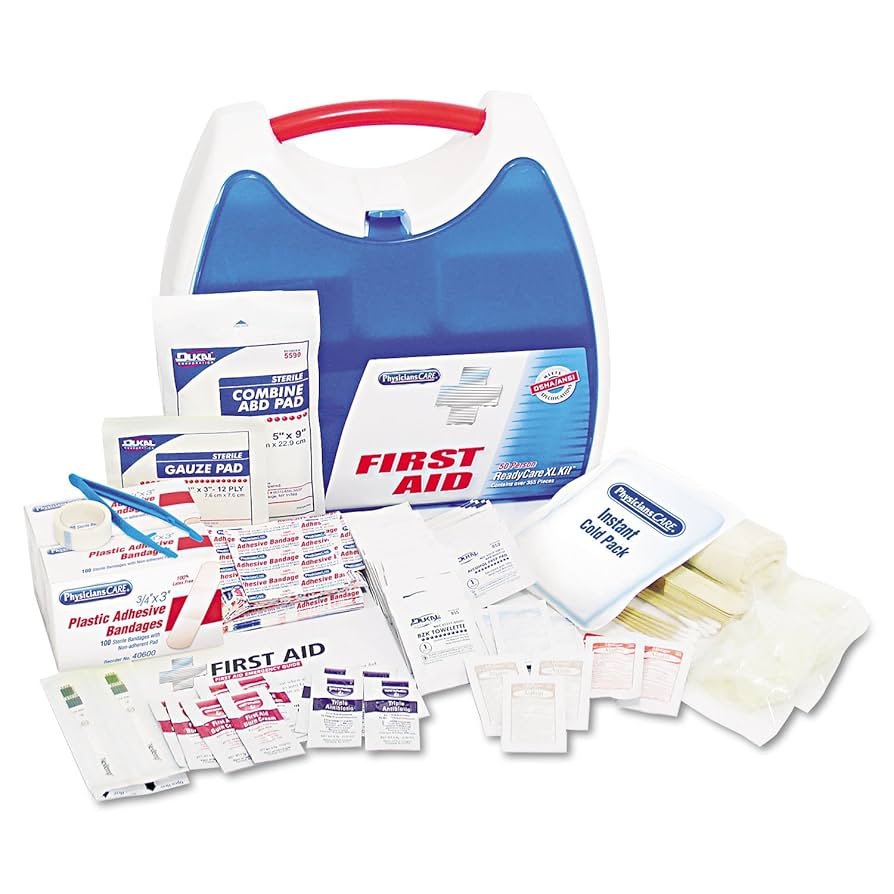
Imagine being prepared for any emergency when you’re responsible for a group of 50 people. Whether it’s at work, a large family gathering, or a community event, having the right first aid kit can make all the difference.
You don’t want to waste time searching for supplies or worry about missing something crucial when every second counts. You’ll discover exactly what your first aid kit for 50 people needs, so you can feel confident and ready for anything.
Keep reading to learn how to protect your group and stay calm when it matters most.

Credit: www.amazon.com
Essential Supplies
Stocking a first aid kit for 50 people means you need to think bigger and smarter about the supplies. You’ll want items that can handle multiple injuries and illnesses, while being easy to use and replenish. Focusing on essential supplies ensures that your kit is ready for any situation, no matter how many people need help.
Bandages And Dressings
Bandages and dressings are the backbone of any first aid kit. Include a variety of sizes—from small adhesive bandages for minor cuts to large sterile dressings for serious wounds. Elastic bandages are also crucial for wrapping sprains or securing dressings in place.
Think about the types you use most often. When I managed a community event, having plenty of gauze pads and adhesive tape saved us from scrambling for replacements. It’s better to have more than enough than to run out in a moment of need.
- Adhesive bandages (various sizes)
- Sterile gauze pads
- Elastic bandages
- Adhesive tape rolls
- Non-stick dressings
Antiseptics And Disinfectants
Cleaning wounds properly prevents infections and complications. Stock antiseptic wipes, solutions like iodine or chlorhexidine, and alcohol pads to disinfect cuts and tools. Don’t forget hand sanitizer to keep your hands clean while treating injuries.
Have you ever treated a cut only to worry about infection afterward? Using antiseptics right away can give you peace of mind and promote faster healing. Choose products that are safe for all skin types and effective against common bacteria.
- Antiseptic wipes
- Iodine solution
- Chlorhexidine
- Alcohol pads
- Hand sanitizer
Pain Relief Medications
Pain relief is key to helping people stay calm and comfortable during emergencies. Include over-the-counter options like acetaminophen, ibuprofen, and aspirin. These can reduce pain, inflammation, and even fever.
Always check dosage guidelines for group settings and consider allergies or medical restrictions. Having a range of pain relief medications lets you address different needs without delay.
- Acetaminophen (Tylenol)
- Ibuprofen (Advil, Motrin)
- Aspirin (note: avoid for children under 16)
- Antihistamines for allergic reactions
Credit: www.kljack.com
Specialized Equipment
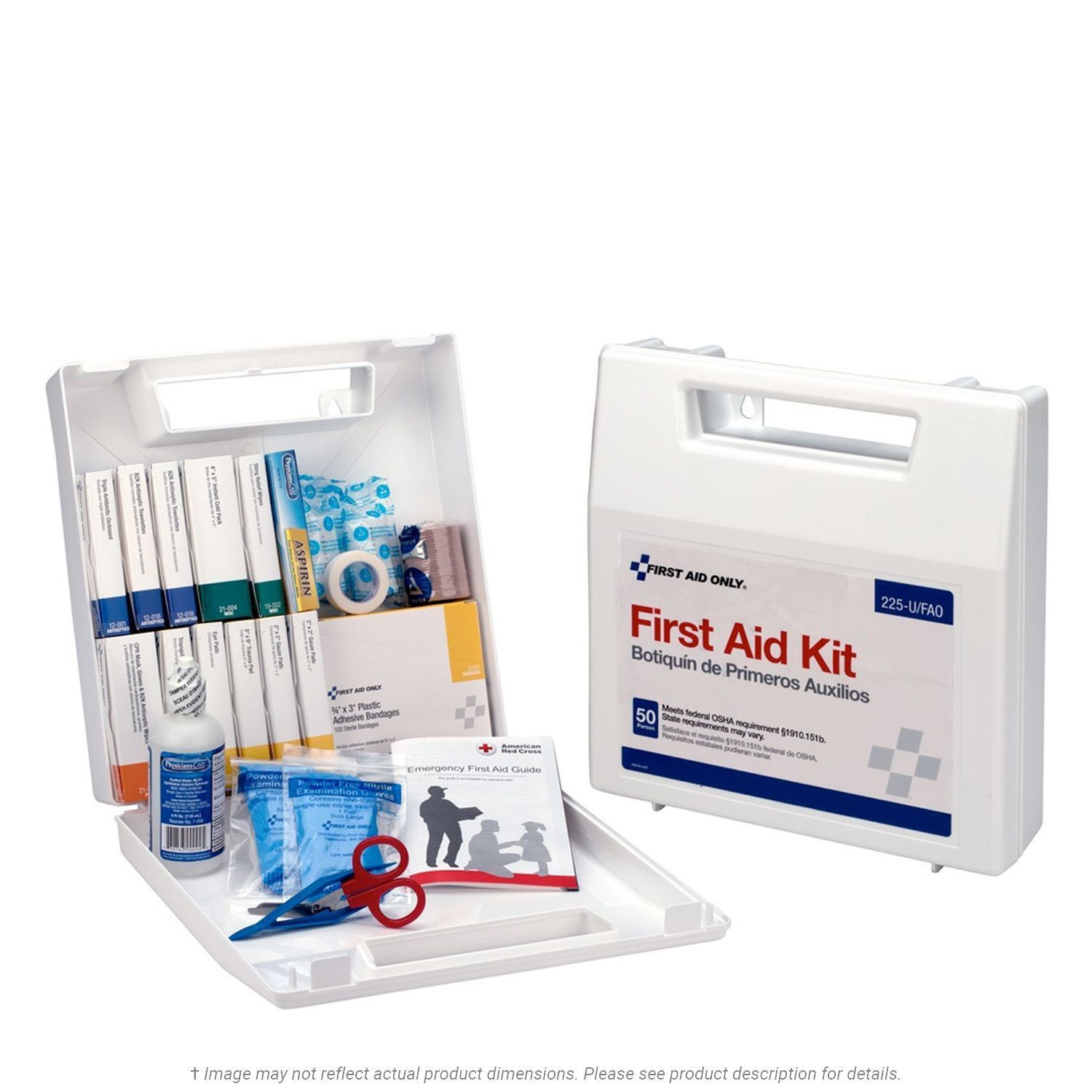
Specialized equipment in a first aid kit for 50 people enhances emergency care. These tools help treat serious injuries and protect both the patient and the responder. Including the right gear ensures quick, safe, and effective aid during critical moments.
Cpr Masks And Shields
CPR masks and shields protect the rescuer during mouth-to-mouth resuscitation. They prevent direct contact with bodily fluids. These devices come with one-way valves to allow safe airflow. Compact and easy to use, they fit into any large first aid kit.
Splints And Immobilizers
Splints and immobilizers help stabilize broken bones and sprains. They keep injured limbs from moving, reducing pain and further damage. Many kits include adjustable splints made from lightweight materials. These supports aid in safe transport to medical help.
Emergency Blankets
Emergency blankets retain body heat and prevent shock. They are made of thin, reflective material that conserves warmth. Lightweight and compact, they are essential for outdoor or cold-weather emergencies. Blankets provide comfort and protect against hypothermia until help arrives.
Medical Tools
Having the right medical tools in a first aid kit for 50 people is essential to handle a variety of health situations effectively. These tools can make a difference between quick relief and complications. Let’s look at some key instruments you should not overlook.
Tweezers And Scissors
Tweezers are indispensable for removing splinters, ticks, or small debris from the skin. You want a pair that offers a firm grip and precise tips to avoid pushing objects deeper.
Scissors should be sharp and sturdy enough to cut bandages, clothing, or tape quickly. I once had a kit with dull scissors, and it slowed down a crucial wound dressing. Don’t make the same mistake—choose quality tools that work smoothly.
Thermometers
Accurate temperature measurement is vital when monitoring fever or infection. Digital thermometers are fast and easy to use, providing reliable readings within seconds.
Consider having both oral and infrared options. Infrared thermometers allow you to take temperature without contact, which is helpful for group settings or when hygiene is a concern.
Blood Pressure Monitors
High or low blood pressure can signal serious health issues. Including a blood pressure monitor in your kit lets you track vital signs and decide if professional care is needed.
Manual monitors require some skill, but digital ones are user-friendly and can be operated by almost anyone. Regularly checking blood pressure in a group helps spot problems early before they escalate.

Credit: www.amazon.com
Personal Protection
Personal protection is vital in any first aid situation. It helps prevent infection and keeps both the helper and the injured safe. A well-stocked first aid kit for 50 people must include essential protective items. These items create a barrier against germs, blood, and other fluids.
Gloves
Gloves protect hands from contact with blood and body fluids. Use disposable gloves made of latex or nitrile. They must fit well to allow easy movement. Change gloves between patients to avoid cross-contamination. Keep plenty of pairs in the kit for all helpers.
Masks
Masks shield the mouth and nose from droplets. They reduce the risk of spreading or catching infections. Choose masks that cover the nose and mouth fully. Surgical masks are good for most situations. Make sure the kit includes enough masks for everyone involved.
Eye Protection
Eye protection guards against splashes and sprays. Use safety goggles or face shields to cover the eyes. This prevents harmful fluids from entering the eyes. Include sturdy eye protection in the kit for all responders. Clean and store them safely after use.
Organizational Supplies
Keeping a First Aid Kit for 50 people organized is crucial for quick and efficient emergency response. Without the right organizational supplies, even the best medical items can be hard to find when you need them most. Clear instructions, proper labeling, and regular inventory checks make a huge difference in how effectively your kit serves your group.
Instruction Booklets
Instruction booklets guide you through using first aid supplies correctly, especially during high-pressure situations. They should be easy to read and include step-by-step procedures for common injuries like cuts, burns, and sprains.
Choose booklets with clear illustrations and simple language. Think about including a quick-reference card for the most urgent actions. Have you ever struggled to remember how to treat a specific injury? These booklets eliminate that guesswork and boost your confidence.
Labels And Storage
Labels help you find supplies quickly. Use waterproof labels on containers and compartments to identify items such as bandages, antiseptics, and tools.
Organize your kit with compartments or color-coded sections. For example, red for bleeding control and blue for respiratory aids. Proper storage also protects items from damage and contamination, keeping everything ready to use.
Inventory Checklists
Inventory checklists are your best tool to keep the kit fully stocked and up to date. Create a list that details each item, quantity, and expiration date.
Regularly check off items to catch missing or expired supplies before an emergency. How often do you think your kit should be reviewed? Setting a schedule ensures you never run out of critical supplies when you need them most.
Emergency Contact Resources
Emergency contact resources are vital in any first aid kit for 50 people. Quick access to important numbers and information can save lives. These resources help manage crises calmly and efficiently. Keep them updated and visible in your kit. Everyone should know where to find them during an emergency.
Local Emergency Numbers
Local emergency numbers connect you to police, fire, and ambulance services. Save these numbers on your phone and write them down in the kit. They differ by region, so check your local listings.
- Police: 911 (or local equivalent)
- Fire Department: 911 (or local equivalent)
- Ambulance: 911 (or local equivalent)
- Non-emergency services: Local police station number
Poison Control Contacts
Poison control centers offer immediate advice for poisoning cases. Include their phone number in your kit. Keep it handy for quick consultation if someone swallows harmful substances.
- National Poison Control Center: 1-800-222-1222 (USA)
- Local poison control numbers vary by country
First Aid Training Information
Knowing first aid basics is crucial for effective help. Include contact info for local first aid courses and organizations. Encourage group members to get certified and refreshed regularly.
- Red Cross: Local chapters offer training
- Local health departments often provide classes
- Online first aid certification programs
Frequently Asked Questions
What Items Are Essential In A First Aid Kit For 50 People?
A first aid kit for 50 people must include bandages, antiseptics, gloves, scissors, pain relievers, and CPR masks. It should also have wound dressings, adhesive tape, tweezers, and emergency blankets to cover a wide range of injuries and emergencies.
How Much First Aid Supplies Do 50 People Need?
Supplies should be scaled based on group size and activity risk. For 50 people, stock 50+ bandages, multiple antiseptic bottles, 10+ gloves pairs, and enough pain relief for all. Always prepare for minor injuries and possible emergencies.
Where Should A Large First Aid Kit Be Stored?
Store the kit in a central, accessible location known to all group members. It should be dry, cool, and clearly labeled. Easy access during emergencies ensures timely response and proper care for 50 people.
How Often Should A First Aid Kit For 50 People Be Checked?
Check the kit every 3 to 6 months for expired items and stock levels. Replace used or outdated supplies immediately to maintain readiness. Regular checks ensure the kit is safe and effective for large groups.
Conclusion
A first aid kit for 50 people keeps everyone safe and ready. It helps treat minor injuries quickly. Having the right supplies saves time and stress. Check your kit often to replace used items. Keep it in a place everyone can reach.
Being prepared means you can act fast in emergencies. This simple step protects your group well. Stay ready, stay calm, and keep your kit stocked. Safety starts with good planning and care.

I’m Abby Lu, a passionate home cook who loves simplifying everyday meals. At PlugChef.com, I share product reviews and cooking guides to help you find the best tools for your kitchen.
Related posts:
 What Type of Cooking Utensils are Safe: Expert Picks
 What Innovations Could Blenders Make: Unleashing Future Tech
 Smart Strategies to Organize a Small Kitchen: Maximize Space
 How to Organize a Kitchen Cabinet: Expert Tips & Tricks
 How to Organize Kitchen Drawers: Expert Tips and Tricks
 How to Organize a Corner Kitchen Cupboard: Expert Tips

