
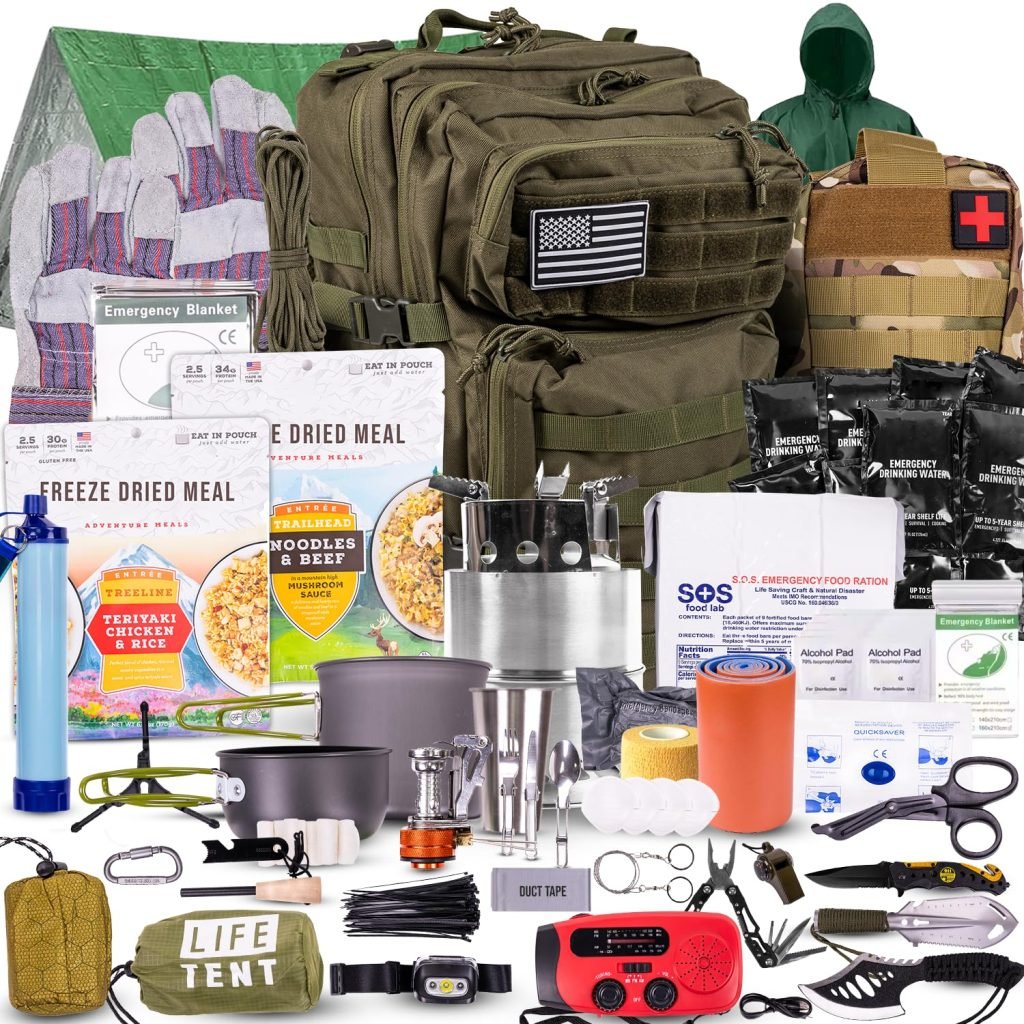
Imagine facing an emergency where help is miles away, and every second counts. Do you have the right tools to protect yourself and your loved ones?
Your Bug Out First Aid Kit could be the difference between staying safe and facing serious danger. You’ll discover exactly what to pack, how to prepare, and why having a well-stocked kit is not just smart—it’s essential. Keep reading to make sure you’re ready for anything that comes your way.
Essential Components
A well-stocked bug out first aid kit saves lives. It must contain essential items to treat injuries quickly. Proper components help manage wounds, infections, and pain. Each item has a key role in survival situations.
Choosing the right supplies ensures readiness for many emergencies. Focus on items that are versatile and easy to use. Quality matters more than quantity for effective first aid care.
Bandages And Dressings
Bandages stop bleeding and protect wounds from dirt. Include various sizes for small cuts and large injuries. Sterile gauze pads cover deep wounds to prevent infection. Adhesive bandages are handy for minor scrapes and blisters.
- Elastic bandages for sprains and support
- Non-stick dressings to avoid pain when removed
- Butterfly closures to hold edges of cuts together
Antiseptics And Cleaners
Cleaning wounds reduces infection risks significantly. Alcohol wipes and antiseptic solutions kill most germs fast. Saline solution rinses dirt from injuries without irritation. Avoid harsh chemicals that may harm sensitive skin.
- Antibacterial ointments to apply after cleaning
- Hydrogen peroxide for stubborn dirt removal
- Disposable gloves to maintain hygiene during treatment
Pain Relief And Medications
Painkillers help manage discomfort during treatment or waiting. Include common over-the-counter options like ibuprofen or acetaminophen. Antihistamines ease allergic reactions such as itching or swelling. Carry any personal prescription medicines required.
- Oral pain relievers in easy-to-dose forms
- Antacid tablets for stomach upset
- Anti-diarrheal medication for digestive issues
Tools And Instruments
Proper tools make first aid tasks easier and safer. A pair of scissors cuts bandages or clothing without pain. Tweezers remove splinters or debris from wounds carefully. Safety pins secure bandages or create makeshift slings.
- Thermometer to check body temperature
- CPR face shield for rescue breathing
- Flashlight for treating injuries in dark conditions

Credit: www.amazon.com
Choosing The Right Bag
Choosing the right bag for your bug out first aid kit is crucial. The bag holds all your medical supplies and tools. It must be practical and reliable in emergencies. The right bag helps you stay organized and ready. It should fit your needs and environment perfectly.
Size And Capacity
The bag should be large enough for essential supplies. Avoid bags that are too bulky or heavy. Consider what items you will carry daily. A compact bag is easier to carry in emergencies. Think about having enough space for future additions.
Durability And Material
Choose a bag made from strong materials. It must resist tears, water, and rough use. Nylon and polyester are popular choices. Look for water-resistant or waterproof features. Durable zippers and stitching improve bag life.
Accessibility And Organization
The bag should offer easy access to supplies. Multiple compartments help separate items clearly. Quick-open zippers save time in emergencies. Look for mesh pockets, elastic loops, and clear sections. This helps find items fast without searching.
Tailoring To Specific Needs
Creating a bug out first aid kit that fits your unique needs improves safety and readiness. Every person and situation demands different supplies. Tailoring your kit ensures it serves you well in an emergency.
Personal Health Conditions
Include medications for allergies, asthma, or chronic illnesses. Pack extra prescription drugs and copies of prescriptions. Add items like EpiPens or inhalers if needed. Consider personal hygiene products to prevent infections. Think about mobility aids or pain relief specific to your body.
Environmental Considerations
Adjust your kit based on the climate and terrain. For cold areas, include hand warmers and frostbite treatment. In hot climates, add sunscreen and electrolyte tablets. For wilderness, pack insect repellent and snake bite kits. Urban environments may require more burn care or trauma supplies.
Family And Group Needs
Plan for everyone’s health needs in your group or family. Pack child-specific items like pediatric medication and bandages. Include supplies for elderly members, such as extra support or mobility aids. Bring enough basic supplies like pain relievers and antiseptics for all. Make sure to consider pets if they will be with you.
Training And Skills
Having a Bug Out First Aid Kit is essential, but knowing how to use it effectively can make all the difference. Training and skills turn your kit from a box of supplies into a life-saving toolkit. Gaining confidence in first aid can prepare you for unexpected emergencies and help you act quickly under pressure.
Basic First Aid Techniques
Learn how to treat common injuries like cuts, burns, and sprains. Knowing how to clean wounds, apply bandages, and stop bleeding is crucial. Practice these skills until they feel natural—you don’t want to hesitate in a real emergency.
Simple techniques like CPR and the Heimlich maneuver can save lives. Have you ever wondered if you’d be able to help if someone suddenly collapsed? Training in these areas ensures you won’t just stand by helplessly.
Emergency Response Skills
Beyond first aid, develop the ability to assess a situation quickly and calmly. Prioritize who needs help first and decide when to call for professional assistance. These decision-making skills are just as important as knowing how to apply a bandage.
Think about how you would handle multiple injuries or a chaotic environment. Practice scenarios can sharpen your judgment and improve your response time. This kind of preparation builds a mental checklist that guides you during real emergencies.
Regular Practice And Refreshers
Skills fade without regular practice. Set a schedule to review and practice your first aid techniques every few months. This keeps your knowledge fresh and your hands steady.
Joining a local first aid course or finding online refreshers can provide new tips and updates. How often do you revisit your training? Consistency can mean the difference between effective help and hesitation when it counts.
Maintaining Your Kit
Keeping your bug out first aid kit ready is vital for emergencies. Regular care ensures it works well when needed. Neglect can lead to missing or expired items. Simple upkeep keeps your kit reliable and effective.
Regular Inventory Checks
Check your kit often to confirm all items are present. Look for expired medications and damaged supplies. Use a checklist to track everything quickly. Set reminders every few months to perform these checks. This habit prevents surprises during emergencies.
Restocking Supplies
Replace items used or expired immediately. Keep extra bandages, antiseptics, and pain relievers on hand. Buy fresh supplies from trusted stores. Store them properly to avoid damage. Restocking keeps your kit complete and ready for any situation.
Updating Based On Experience
Adjust your kit after using it or learning new information. Add items that could improve your response. Remove supplies that are unnecessary or outdated. Consider changes in your health or environment. This makes your kit more personal and practical.

Credit: www.walmart.com
Advanced Gear Options
Choosing advanced gear for your bug out first aid kit can make a real difference in critical situations. These options go beyond basic supplies, offering enhanced capabilities to handle complex medical emergencies. Are you ready to upgrade your kit with tools that provide precision and versatility?
Specialized Medical Equipment
Adding specialized medical gear can improve your ability to treat serious injuries. Items like tourniquets, hemostatic dressings, and splints help control bleeding and stabilize fractures effectively.
Think about carrying an emergency airway kit or a compact pulse oximeter. These tools provide vital information and life-saving support during trauma or respiratory distress.
Technology And Gadgets
Modern tech gadgets can enhance your first aid skills and communication. Portable defibrillators (AEDs) are now smaller and more user-friendly, capable of saving lives in cardiac emergencies.
Consider adding a medical alert device with GPS or a handheld UV sterilizer to keep wounds clean. These gadgets improve response times and help you maintain hygiene under tough conditions.
Multi-purpose Tools
Multi-purpose tools combine functionality, saving space and weight in your kit. Tools like trauma shears, combined with a flashlight or a built-in whistle, offer multiple uses in one compact design.
- Multi-use bandage scissors for cutting through tough materials
- Compact multi-tools with pliers, tweezers, and screwdrivers
- Penlights that double as signaling devices
How often do you find yourself wishing a single tool could handle several tasks? Investing in these options means you’re prepared without carrying unnecessary bulk.
Legal And Ethical Considerations
Understanding the legal and ethical aspects of carrying and using a Bug Out First Aid Kit is crucial. You might be ready to help in emergencies, but knowing the rules and respecting others’ values can make your aid both effective and responsible.
Regulations And Permissions
Different places have different laws about what medical supplies you can carry and use. Some medications require a prescription, while others might be restricted entirely.
Always check local laws before assembling your kit. Carrying certain items without permission can lead to fines or legal trouble.
For example, carrying antibiotics or controlled substances without a prescription could land you in serious trouble.
Ethical Decision Making
Having a first aid kit means you may face tough choices about when and how to use it. You should act within your skill level and avoid causing harm.
Ask yourself: Do you have the training to treat this injury? Is it better to wait for professional help?
It’s ethical to provide basic care but recognize your limits. Overstepping can make situations worse and put you at legal risk.
Cultural Sensitivity
Different cultures have varying beliefs about medical treatment and personal space. What you consider helpful might be uncomfortable or unacceptable to others.
Respect these differences when offering aid. Asking permission before providing care can build trust and prevent misunderstandings.
Imagine offering treatment without understanding someone’s cultural views—your help could be refused or cause offense.

Credit: www.amazon.com
Frequently Asked Questions
What Is A Bug Out First Aid Kit?
A bug out first aid kit is a compact emergency medical kit. It contains essential supplies for treating injuries during evacuation or survival situations. It helps address common wounds, infections, and emergencies when professional help is unavailable.
What Should Be Included In A Bug Out First Aid Kit?
Include bandages, antiseptic wipes, gauze, adhesive tape, scissors, tweezers, pain relievers, and allergy medicine. Add gloves, CPR mask, and a first aid manual. Customize supplies based on personal medical needs and environment risks.
How Often Should I Update My Bug Out First Aid Kit?
Update your kit every 6 to 12 months. Check expiration dates on medications and replace used or damaged items. Regular updates ensure supplies remain effective and ready for emergencies.
Can I Carry A Bug Out First Aid Kit While Hiking?
Yes, a bug out first aid kit is essential for hiking. It helps manage injuries like cuts, sprains, or insect bites. Choose a lightweight, portable kit that fits your hiking pack comfortably.
Conclusion
A bug out first aid kit saves lives in emergencies. Keep it stocked with basic supplies and check it often. Simple tools can fix small injuries quickly. Being ready reduces stress during unexpected events. Everyone should have one, no matter where they live.
Prepare today to protect yourself and your family. Safety starts with small steps and smart choices. Stay calm, act fast, and use your kit well. You never know when you might need it.

I’m Abby Lu, a passionate home cook who loves simplifying everyday meals. At PlugChef.com, I share product reviews and cooking guides to help you find the best tools for your kitchen.
Related posts:
 What Type of Cooking Utensils are Safe: Expert Picks
 What Innovations Could Blenders Make: Unleashing Future Tech
 Smart Strategies to Organize a Small Kitchen: Maximize Space
 How to Organize a Kitchen Cabinet: Expert Tips & Tricks
 How to Organize Kitchen Drawers: Expert Tips and Tricks
 How to Organize a Corner Kitchen Cupboard: Expert Tips

