
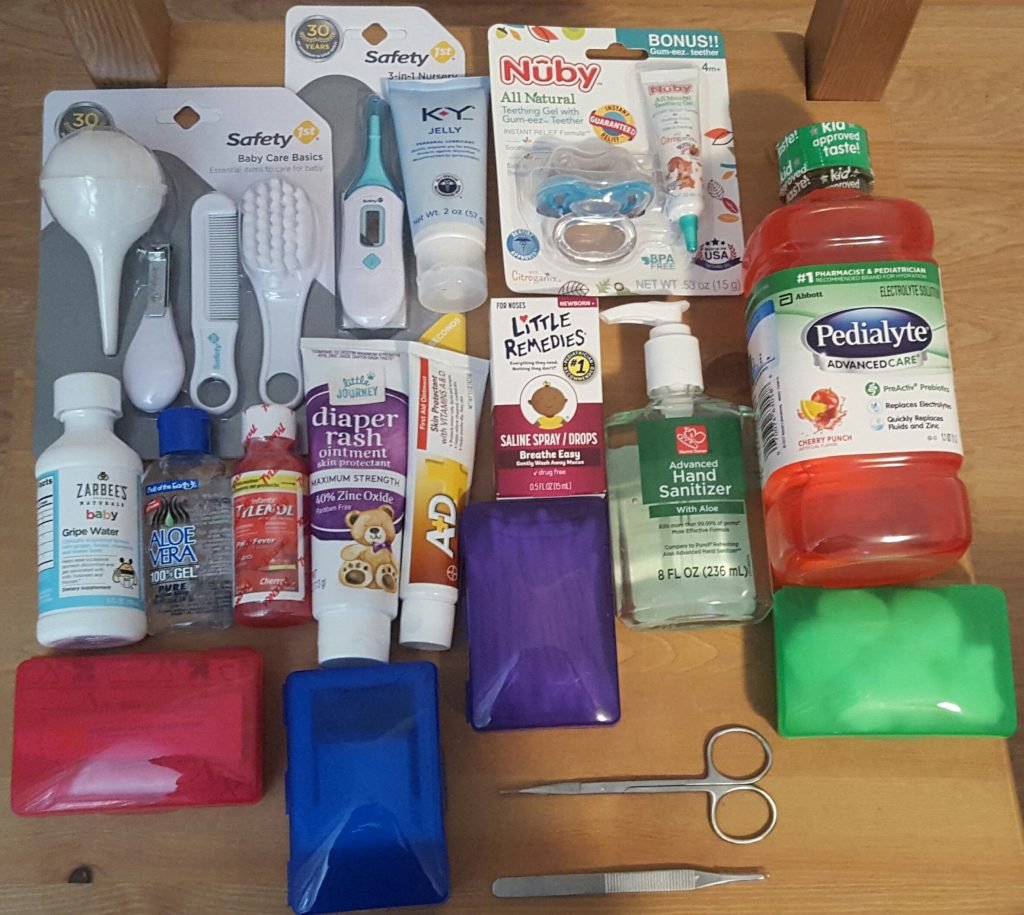
When your newborn arrives, every moment feels precious—and every little worry can feel overwhelming. You want to be ready for anything, especially when it comes to your baby’s health and safety.
Having a well-stocked first aid kit for your newborn isn’t just a good idea—it’s a must. Imagine the peace of mind you’ll have, knowing you can handle minor cuts, scrapes, or sudden fevers right away. You’ll discover exactly what to include in your newborn’s first aid kit and why each item matters.
Keep reading to make sure you’re fully prepared to care for your little one when it counts the most.

Credit: www.littlelife.com
Why Newborns Need A First Aid Kit
Newborns are very delicate and need special care every day. Having a first aid kit for your baby is a smart choice. It helps parents act fast during small emergencies. The right supplies can provide comfort and prevent problems from getting worse.
Babies cannot tell what hurts or where they feel pain. Parents must be ready to handle cuts, rashes, or fevers quickly. A first aid kit for newborns keeps all important items in one place. This saves time and reduces stress during urgent moments.
Easy Access To Essential Supplies
A first aid kit holds items like bandages, antiseptic wipes, and a thermometer. These tools help care for minor injuries and illnesses right away. Having supplies close means parents do not waste time searching.
Helps Manage Common Newborn Issues
Newborns often face skin irritation, diaper rash, or mild fevers. A first aid kit has products to soothe and treat these problems. Quick treatment supports the baby’s comfort and health.
Supports Parents’ Confidence
Knowing what to do in small emergencies reduces worry. A ready first aid kit gives parents peace of mind. They feel more prepared to protect their baby at home or outside.
Prepares For Unexpected Situations
Accidents can happen anytime. Having a kit means parents can respond fast to cuts or scrapes. Early care lowers the risk of infection and complications.
Basic First Aid Items
Having a well-stocked first aid kit for your newborn is essential. It helps you respond quickly to minor health issues without panic. Basic first aid items ensure you’re ready for everyday needs and small emergencies.
Thermometer
A reliable thermometer is a must-have for checking your baby’s temperature accurately. Digital thermometers are fast and easy to use, giving you peace of mind in seconds. You might wonder: how often should you check your newborn’s temperature? Only when they seem unwell or show signs of fever.
Remember, rectal thermometers provide the most accurate reading for newborns. Keep it clean and store it safely in the kit, ready for use anytime.
Nasal Aspirator
Newborns can’t blow their noses, and congestion can make them uncomfortable or disrupt feeding. A nasal aspirator helps clear mucus gently and effectively. Have you tried using a bulb syringe? It’s simple but effective for clearing your baby’s airways.
Choose a nasal aspirator that’s easy to clean and soft enough for delicate baby nostrils. Regular use during colds can ease breathing and help your baby sleep better.
Baby Nail Clippers
Newborns have surprisingly sharp nails that can scratch their face. Baby nail clippers are designed to trim nails safely without hurting your baby. Think about the last time you tried regular clippers—too big and risky, right?
Look for clippers with rounded tips and an ergonomic grip. Trim nails when your baby is calm or asleep to avoid sudden movements. Keeping nails short reduces scratches and infection risks.
Health Care Essentials
Having the right health care essentials in your newborn’s first aid kit can make all the difference during those unexpected moments. You want to be prepared with items that are safe, effective, and easy to use. This section focuses on key essentials that can help ease your baby’s discomfort and keep you calm under pressure.
Infant Pain Reliever
Infant pain relievers are a must-have for soothing your newborn’s aches, whether from vaccinations or minor injuries. Choose a medication specifically designed for infants, like infant acetaminophen, which is gentle yet effective. Always check the correct dosage based on your baby’s weight and age, and consult your pediatrician if you’re unsure.
Fever Reducer
A sudden fever can be worrying, but having a trusted fever reducer on hand can help you act quickly. Infant ibuprofen or acetaminophen works well to lower fever and relieve discomfort. Keep a digital thermometer nearby to monitor your baby’s temperature accurately, and remember that fever itself is a symptom, not a disease—knowing when to seek medical help is key.
Teething Gel
Teething can be tough for both babies and parents. A teething gel can provide targeted relief by numbing sore gums and reducing inflammation. Look for gels with natural ingredients and avoid those containing benzocaine, which isn’t recommended for infants. Using a cool teething ring alongside the gel can also soothe your baby’s gums effectively.
Skin Care Supplies
Newborn skin is very delicate and needs special care. Skin care supplies in a first aid kit help keep your baby’s skin healthy. These items protect against irritation, dryness, and infections. Having the right products on hand makes quick care easy and effective.
Diaper Rash Cream
Diaper rash cream soothes and protects baby’s sensitive skin. It forms a barrier to stop wetness from causing irritation. Choose creams with zinc oxide or natural ingredients. Apply gently after each diaper change to keep rash away.
Gentle Baby Lotion
Gentle baby lotion keeps skin soft and hydrated. It helps prevent dryness and flaking. Pick lotions free of fragrances and harsh chemicals. Use it after baths or anytime skin feels dry.
Antibacterial Ointment
Antibacterial ointment helps protect minor cuts and scrapes from infection. It creates a shield against germs while healing. Use ointment sparingly and follow doctor advice for newborn use. Keep it in your kit for small skin injuries.
Emergency Contact Information
Emergency contact information is essential in a newborn’s first aid kit. It helps caregivers act quickly during urgent situations. Having these numbers visible and easy to find saves precious time. Keep this information updated and clear for everyone who cares for your baby.
Pediatrician Contact
Include the name and phone number of your newborn’s pediatrician. Write down office hours and after-hours contacts. Emergency advice from a trusted doctor can prevent unnecessary hospital visits. Keep this contact on a card or label inside the first aid kit.
Local Emergency Numbers
List local emergency services such as ambulance, fire, and poison control. These numbers vary by location, so check them regularly. Store them on a separate card or inside the kit lid. Quick access to these numbers can save lives during critical moments.

Credit: www.yellodoor.com
Creating A Safe Environment
Creating a safe environment for your newborn is a crucial step in ensuring their well-being. It goes beyond having a first aid kit; it involves making your home a place where accidents are less likely to happen. Small changes can make a big difference in preventing injuries and giving you peace of mind.
Baby-proofing Tools
Baby-proofing tools are essential to shield your little one from common household hazards. Outlet covers stop curious fingers from electric shocks, while corner guards protect against bumps on sharp furniture edges.
Don’t forget cabinet locks to keep dangerous items like cleaning supplies and medicines out of reach. Using safety gates can block off stairways or rooms that aren’t baby-friendly yet.
Think about your own home layout. Which areas does your baby explore the most? Adding these tools there first can prevent many accidents before they happen.
Safety Tips For Parents
Being proactive is key to your newborn’s safety. Always keep small objects, plastic bags, and choking hazards away from your baby’s reach.
Check the temperature of bath water and food before giving it to your baby. Simple habits like these reduce risks significantly.
Have you created a checklist of safety checks around your home? Regularly inspecting your baby’s environment can catch new dangers as your child grows and explores more.
Regular Checks And Updates
Keeping your newborn’s first aid kit ready can be a real lifesaver. But simply buying the kit isn’t enough. Regular checks and updates are essential to make sure everything inside is safe and effective when you need it most.
Expiration Dates Of Medications
Medications lose their strength and safety after their expiration date. You might think that a few months past the date won’t matter, but it can. Using expired medicine on your baby can cause ineffective treatment or even harm.
Set a reminder on your phone to check expiration dates every three months. Pay attention to items like antiseptic creams, pain relievers, and any prescribed medicines. Replacing expired items promptly ensures you’re always prepared.
Restocking Supplies
Have you ever opened a first aid kit only to find it missing key supplies? It’s frustrating, especially during an emergency. After every use, make it a habit to restock items like bandages, cotton swabs, and thermometer batteries.
Keep a list inside the kit to track what you used and what needs replacing. This simple step helps you avoid running out of essentials when your newborn needs care the most.
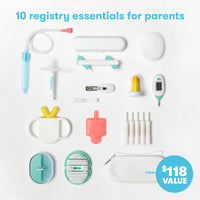
Credit: frida.com
Frequently Asked Questions
What Essential Items Are In A Newborn First Aid Kit?
A newborn first aid kit includes a digital thermometer, nasal aspirator, baby nail clippers, antiseptic wipes, and adhesive bandages. These items help manage minor injuries and monitor health effectively.
How Often Should I Check And Restock The Kit?
Check your newborn’s first aid kit monthly. Replace expired items and restock used supplies promptly to ensure readiness during emergencies.
Can I Use Adult First Aid Supplies For Newborns?
No, adult first aid supplies may be unsafe for newborns. Always use baby-specific items designed for their delicate skin and health needs.
Where Should I Store The Newborn First Aid Kit?
Store the kit in a clean, dry, and easily accessible location. Keep it out of reach of children but within quick reach for parents.
Conclusion
A well-stocked first aid kit keeps your newborn safe and cared for. It helps you act fast during small emergencies. Knowing what to include saves time and worry. Keep the kit accessible and check it often. Simple tools and supplies make a big difference.
Caring for your baby starts with being prepared. Stay calm, and you will handle situations better. Every parent needs this small but important kit. Your baby’s health and comfort come first.

I’m Abby Lu, a passionate home cook who loves simplifying everyday meals. At PlugChef.com, I share product reviews and cooking guides to help you find the best tools for your kitchen.
Related posts:
 What Type of Cooking Utensils are Safe: Expert Picks
 What Innovations Could Blenders Make: Unleashing Future Tech
 Smart Strategies to Organize a Small Kitchen: Maximize Space
 How to Organize a Kitchen Cabinet: Expert Tips & Tricks
 How to Organize Kitchen Drawers: Expert Tips and Tricks
 How to Organize a Corner Kitchen Cupboard: Expert Tips

